


Your Headshot day should feel relaxed, joyful, and completely yours.
I’m Alex Kaplan, a Headshot Photographer and videographer based in New Milford, NJ, serving Northern.
Browse by Category:
headshots
view more

REQUEST INFORMATION
Want to feel like THIS on your Headshot day?
Availability is limited. Check Your Date Here
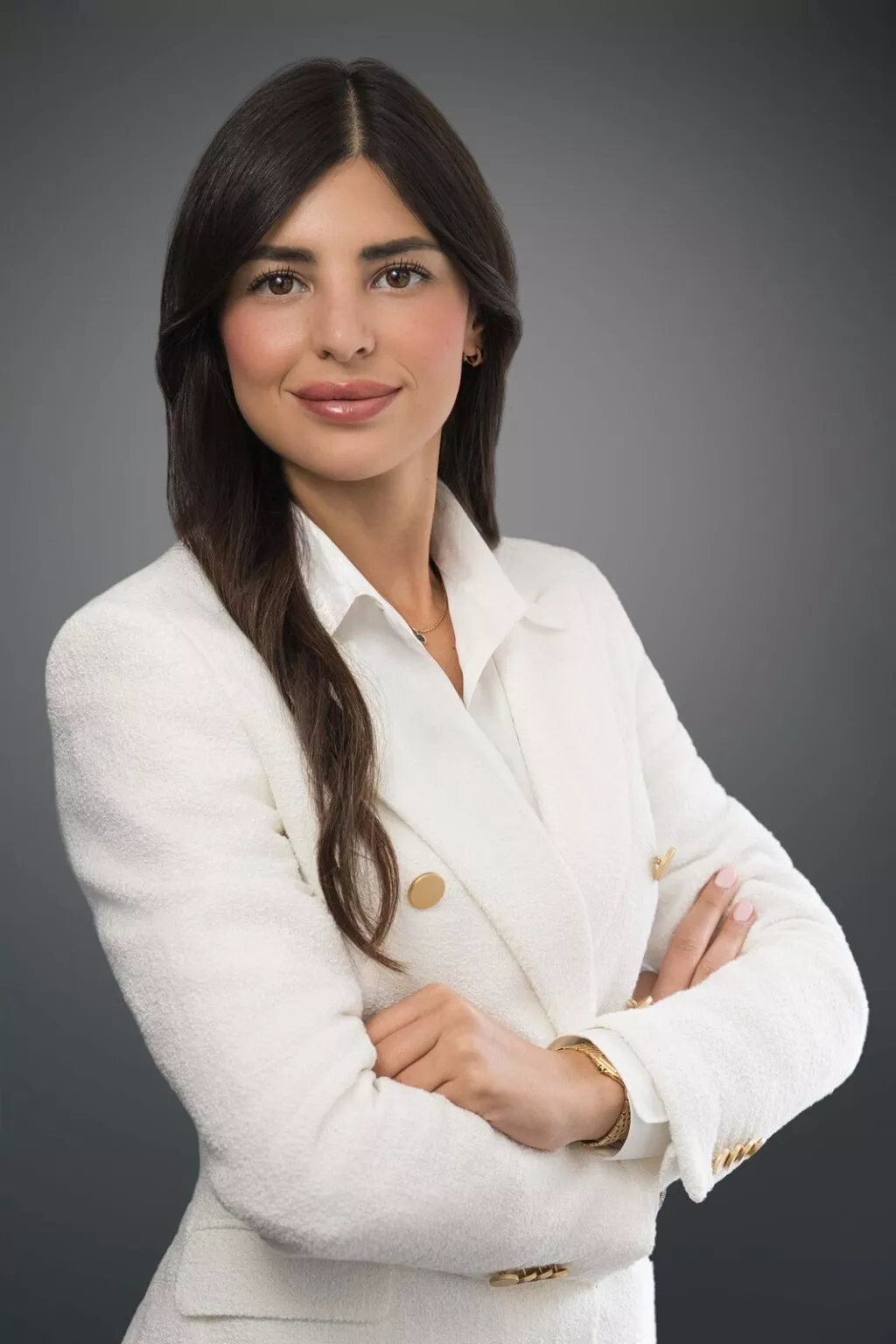


Every actor asks me the same question a few days before a session, usually by text, usually at night. What should I actually wear? Deciding what to wear for actor headshots produces more second-guessing than any other part of preparing, and it is also the part people overthink most.
Here is the short version, after 30 years behind a camera and hundreds of actor sessions. Your clothing has exactly one job, and that job is to stay out of the way of your face.
That sounds almost dismissive. It is not. Choosing actor headshot clothing well is genuinely difficult, because the outfit that photographs best is almost never the one you are most excited about.
If you are earlier in the process and still mapping out training, materials, and representation, my guide to becoming an actor in New Jersey covers the full sequence. This is the wardrobe piece of that, in detail.
Why Wardrobe Matters More Than Fashion
Casting directors scan headshots fast, reading age range, energy, and whether you are believable as a specific kind of person.
Nothing in that read is about your clothes being nice. It is about them being consistent with the person the casting director is trying to picture.
This is where fashion instinct works against actors. Fashion is designed to draw the eye to the garment, which is exactly the opposite of what a headshot needs.

I have watched actors arrive with an expensive jacket that photographs like a wall between the viewer and their face, and watched someone book consistently off a plain fifteen-dollar t-shirt.
The camera does not care about the price tag. It cares about where your eye lands first, and if that is anywhere but the eyes, the wardrobe has failed.
Wear Clothes That Feel Like You
There is a difference between dressing as your type and dressing in a costume. The first works. The second reads as false almost immediately.
An actor in stiff, unfamiliar clothing carries that discomfort in their shoulders and their jaw. It shows up as a tightness no amount of retouching fixes, and casting directors are unusually good at spotting it.
So my first rule is boring and reliable: bring things you have already worn, that fit you now rather than two years ago.
Comfort is a technical requirement, not a compromise, because relaxed shoulders and an unforced expression are the actual product. The way I run a session, described on my actor headshots page, depends on you forgetting the camera is there.
Fit matters more than brand.
Solid Colors vs Patterns
Solid colors win, and the reason is mechanical rather than aesthetic. Patterns create competing detail in a frame where your face should be the only thing carrying detail.
Stripes, small checks, and fine herringbone can also produce moire, a shimmering interference pattern that appears when fabric detail collides with the camera sensor. It is difficult to remove afterward and it will quietly ruin an otherwise strong frame.
Mid-tone solids photograph best: olive, navy, charcoal, burgundy, forest, dusty blue. They separate you from the background without pulling attention.
Pure white can blow out under studio lighting and throw light back into your face. Pure black can swallow into a dark background. Neither is forbidden, but both need handling.
Pick colors that work with your own coloring, not against a trend. A good actor headshot wardrobe should be nearly invisible in the final image.
When a Pattern Actually Works
One honest exception: if your casting type depends on a specific visual texture, a subtle pattern can earn its place.
Think heathered fabric, soft chambray, or a low-contrast knit. The test is contrast, not pattern. Bring it as a second option, never your only look.
What Casting Directors Want to See
The most useful wardrobe question is not, “Do I look good in this?”
Ask, “Does this help me read clearly for the roles I am pursuing?”
Those questions produce very different choices.
An outfit for actor headshots should support your current castability. A clean crewneck may suggest an approachable student, neighbor, or young professional. A structured layer may create a more polished or serious read. A textured casual top may feel more grounded and character-driven.

The goal is to give casting enough visual information to imagine you in the right room without locking you into one role.
A real example comes from my studio session with actor Maximo Masefield. We created three distinct looks in about an hour: an approachable casual look, a more dramatic look, and a polished finish. A hoodie, a zip-up layer, and a structured jacket each changed the casting read while Maximo still looked recognizably like himself.
That is what good wardrobe does. It changes the direction of the image without hiding the person.
What to Wear for Actor Headshots by Read: Commercial vs Theatrical
Commercial headshots usually benefit from an open, approachable feeling. Simple tops, relaxed layers, and softer styling can help create the sense of someone viewers would trust or enjoy spending time with.
Theatrical headshots often carry more weight. Deeper tones, cleaner structure, or a fitted layer can support a grounded expression and a more dramatic read.

Most working actors need both kinds of images, so two to three strong wardrobe options are more useful than one “perfect” outfit. Sometimes the same plain top can support both commercial and theatrical images because expression, posture, lighting, and crop do the rest. I explain that distinction further in my guide to commercial versus theatrical actor headshots.
Common Clothing Mistakes
The same handful come through my New Milford studio door most weeks, and all are fixable in advance.
Logos and visible branding. A recognizable logo dates the image and distracts the eye. Nothing on your chest should be readable.
Trend-locked pieces. Your headshots serve you for a year or more, and an unmistakably current outfit ages the image faster than your face does.
Loud jewelry and heavy necklines. Anything catching a specular highlight competes with your eyes, and bulk at the collar shortens your neck. Small studs and clean, wide necklines.
Wrinkles. A wrinkled shirt reads as careless at the exact moment you want to read as prepared. Travel on hangers.
Dressing for the role you want in five years. If you are twenty-four, a boardroom suit does not make you castable as an executive. It makes you look like a twenty-four-year-old in a borrowed suit.
Outfit Ideas for Different Casting Types
Treat every outfit for actor headshots below as a starting point, adjusted for your coloring and the roles you actually submit for.
The relatable everyman or everywoman. A heathered crewneck or simple henley in olive, grey, or dusty blue. Nothing tucked, nothing pressed sharp.
The young professional. A light button-down, collar open, sleeves pushed. Skip the tie, which reads corporate rather than as character.
The grounded dramatic lead. A darker solid knit or fitted jacket over a plain tee, in navy, charcoal, or deep green.
Students and teen actors. Wardrobe for acting headshots at this age should be clean, well-fitting, and genuinely theirs. Young actors read most naturally in clothes they picked themselves.
If you also need corporate images for a day job or a personal brand, that is a different brief, and I cover it in my professional headshot wardrobe guide.
Final Tips Before Your Session
Bring more than you think you need: three tops and two layers, all on hangers, steamed the night before.
Bring your own colors. If you have a shirt people compliment you in, that compliment is data. Bring the shirt.
Do your mirror check in daylight, not under a bathroom bulb. Colors shift hard under artificial light.
Skip the fresh haircut on the morning of. Two to three days out lets it settle and look like yours.
Finally, stop optimizing. The frame that books work is the one where you stopped thinking about your shirt.
FAQs: What to Wear for Actor Headshots
What color should I wear for actor headshots?
Mid-tone solid colors are usually the safest choice because they photograph cleanly and keep attention on your face. Choose a shade that works with your features and separates from the planned background. Very bright or very dark options can still work, but they should be tested during the session.
Should I wear a suit for actor headshots?
A jacket works when it supports the roles you are pursuing and still feels natural. Structured clothing can create a polished or authoritative read, but it should not make you look overly corporate or uncomfortable. Bring it as one option rather than building the session around it.
How many outfits should I bring to an actor headshot session?
Bring two to three tops plus a layer or two. That covers both a commercial look and a theatrical one in one session without slowing the shoot down.
Can I wear glasses in my actor headshots?
Yes, if you wear them daily and casting would recognize you in them. We shoot both with and without, and anti-glare lenses or a slight tilt handles most reflections.
Do actor headshot wardrobe rules differ for kids and teens?
The principles are the same, but comfort matters even more. Young actors should wear solid-colored clothes they chose themselves, with nothing stiff or formal that makes the session feel like a performance. I cover that age group properly in my parent’s guide to what kids should wear.
Let’s Get Your Wardrobe Sorted Before You Shoot
If you are an actor in Northern New Jersey or New York City staring at a closet with no idea where to start, you do not have to do it alone.
Choosing the right wardrobe does not have to be stressful. I will help you select outfits that feel authentic and photograph beautifully before your session begins.
Sessions run from my New Milford, NJ studio and in Manhattan. Get in touch and tell me what you are submitting for.
Reply...


