


Your Headshot day should feel relaxed, joyful, and completely yours.
I’m Alex Kaplan, a Headshot Photographer and videographer based in New Milford, NJ, serving Northern.
Browse by Category:
headshots
view more

REQUEST INFORMATION
Want to feel like THIS on your Headshot day?
Availability is limited. Check Your Date Here
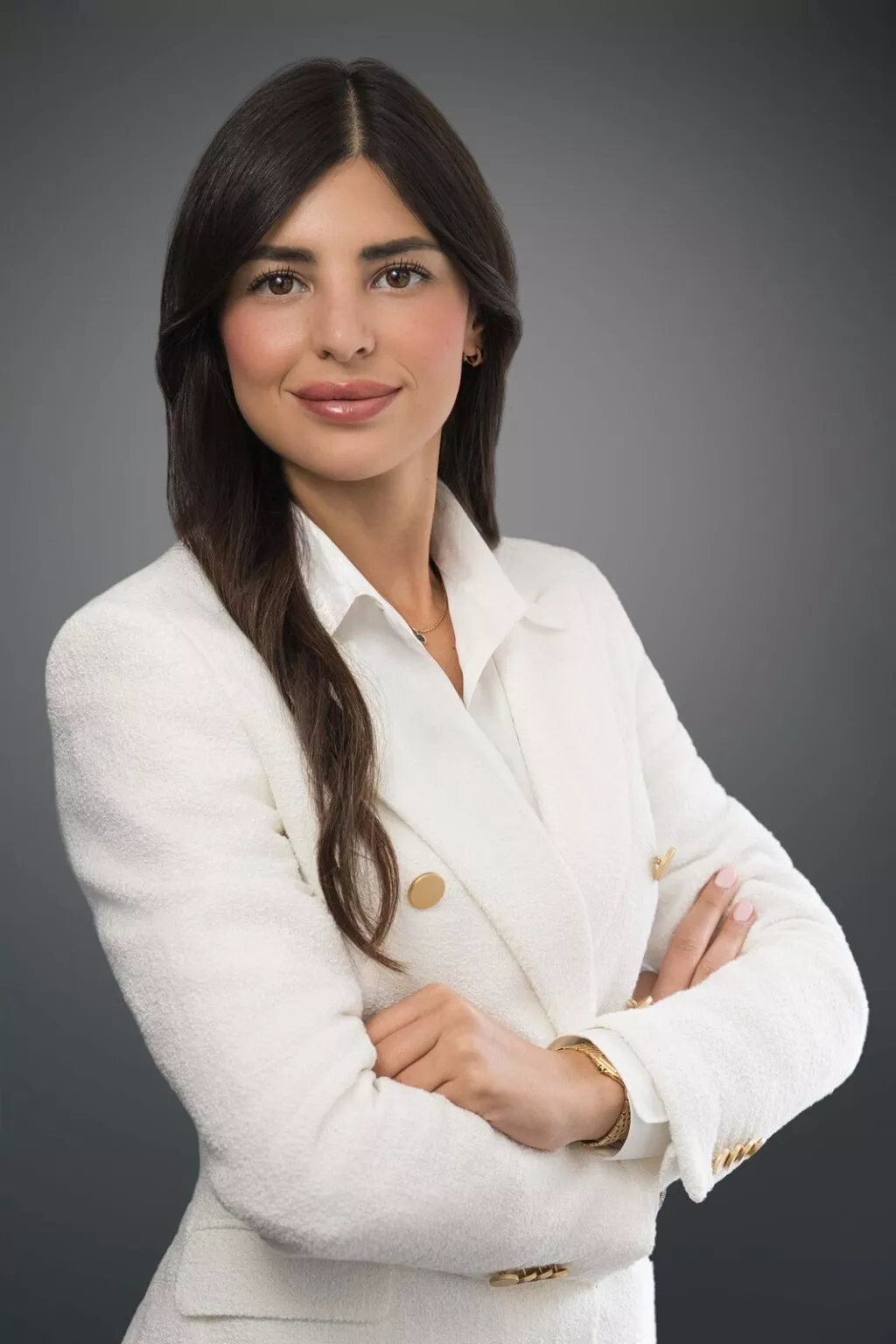
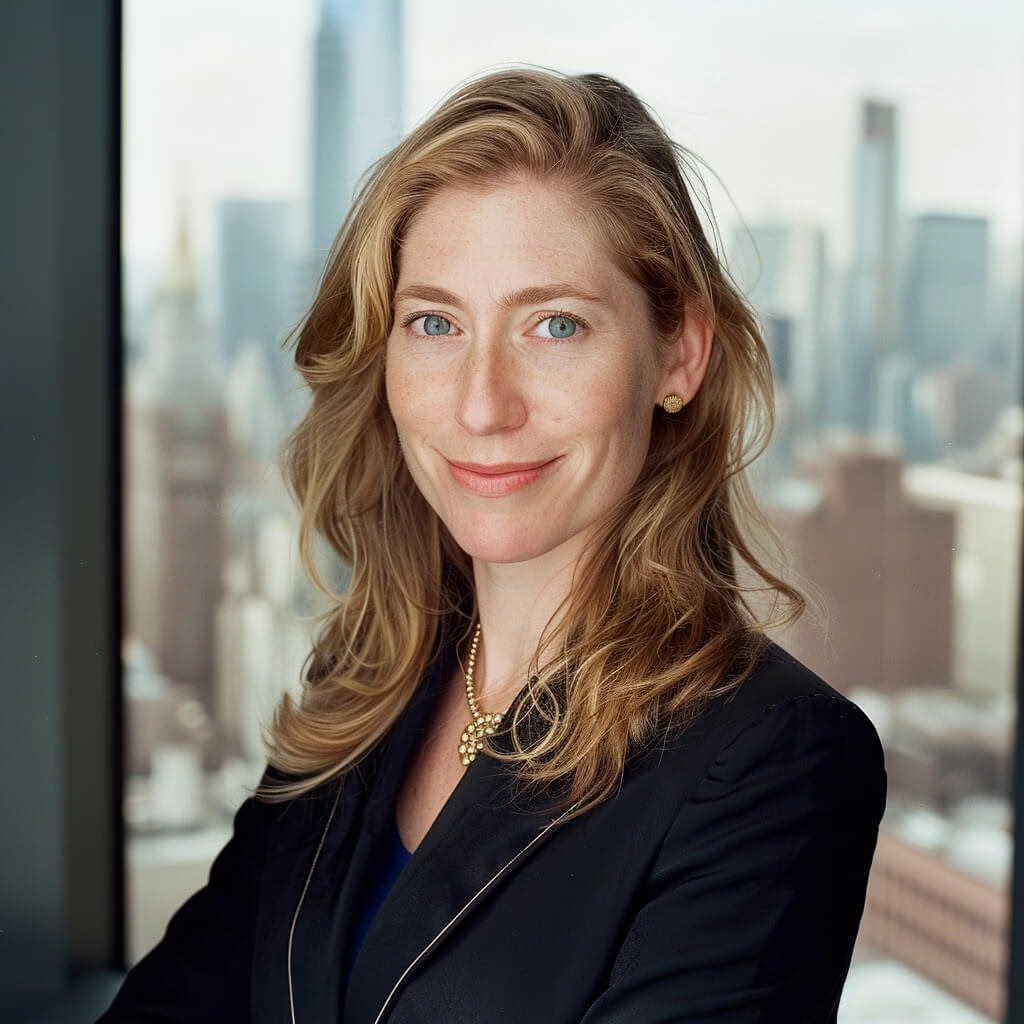
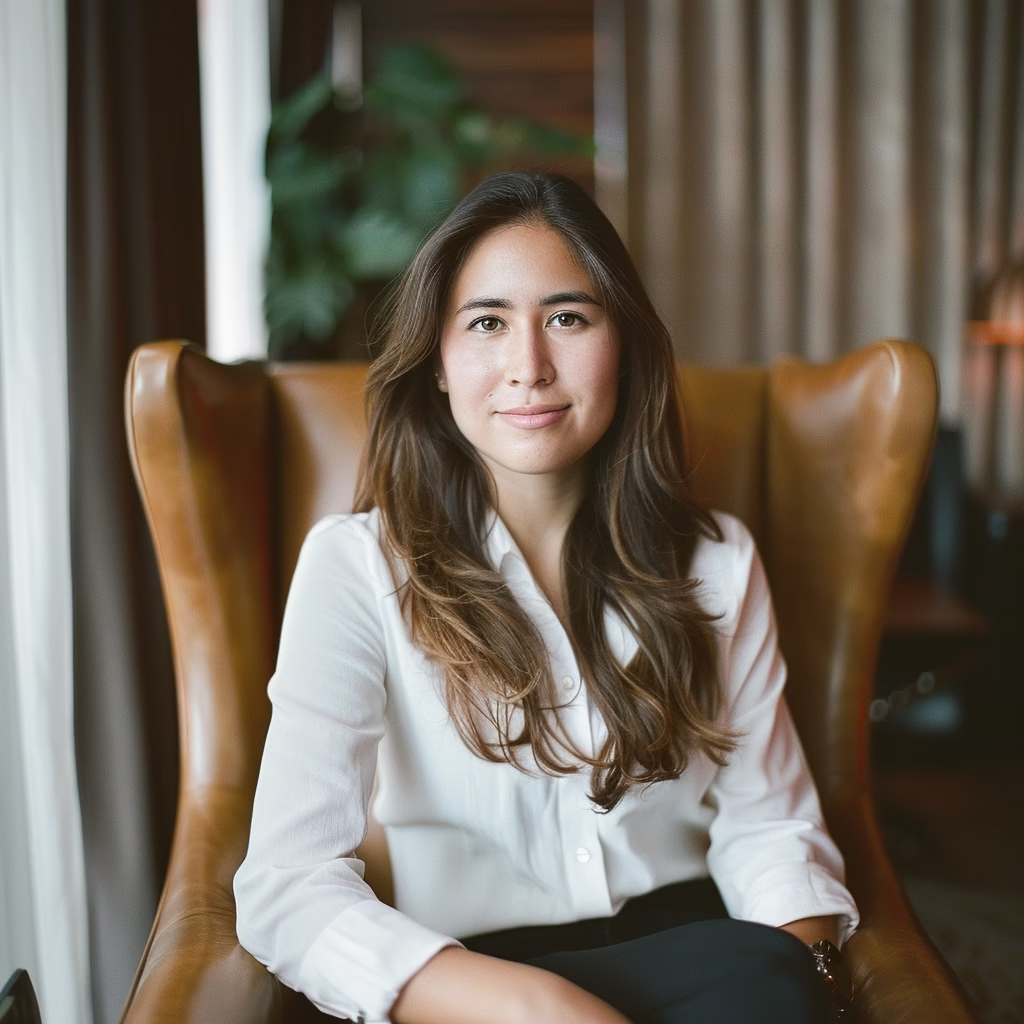
Stepping in front of the lens can feel incredibly vulnerable for any performer. You want to present the best, most castable version of yourself to the industry. One of the most frequent questions I hear from clients in the studio is whether a smiling actor headshot is the right choice for their portfolio.
Finding the ideal expression requires a clear understanding of your unique casting type and the specific roles you want to book. After more than 30 years of experience behind the camera, I have seen how a rigid approach to expressions can hold actors back.
If you are ready to update your portfolio with a look that feels authentic, you can explore my approach to professional actor headshots. In this guide, I will explain how to create an expression that feels genuine, professional, and representative of your actual casting range.
Do Casting Directors Want a Smiling Actor Headshot?
Yes. A smiling actor headshot is highly effective when it matches your specific casting type and feels completely authentic. Commercial roles frequently prefer a warm, approachable smile, while theatrical submissions often benefit from a more subdued, emotionally grounded expression that highlights your eyes.
Many beginners fall into the trap of trying to mimic a specific look they saw in an industry magazine. I frequently see actors practice a rigid glare in the mirror and try to hold it under the studio lights. This approach almost always results in a photograph that feels stiff and disconnected from the viewer. Casting directors are looking for a human being they can believe in and trust on a set.
They want to see someone whose expression feels believable, approachable, and aligned with the role. A forced scowl can sometimes communicate rigidity rather than intensity. On the other hand, a plastered grin can look more like a customer service advertisement than a theatrical portfolio piece. The goal is finding the middle ground where your personality comes through clearly without feeling forced.
You can also explore my approach to actor headshots in NYC and New Jersey to see how I build different expressions and looks around each actor’s casting goals.

The Commercial vs. Theatrical Expression Differences
Your headshot serves as your primary marketing tool in a highly competitive industry. A strong headshot should help a casting director quickly understand where you may fit.
If you are pursuing work in television commercials, a warm and inviting look is incredibly helpful. Commercial casting directors generally look for actors who feel like a trusted friend or a reliable neighbor. A smiling actor headshot is often preferred for commercial submissions. Your smile should ideally reach your eyes and convey a sense of effortless joy rather than looking like a posed yearbook photograph.
Theatrical headshots require a slightly different approach. These are the images used for film, television dramas, and stage work. Theatrical headshots often benefit from more emotional restraint, nuance, and grounded eye contact. While you certainly can smile in a theatrical shot, a bright, toothy grin might distract from the depth you want to convey. A subtle smirk or knowing glance can draw the viewer in and suggest more about the character.
Choosing between these looks becomes easier when you understand the purpose behind each one. My guide to commercial and theatrical actor headshots in NYC and Northern New Jersey explains how the two styles support different casting submissions.
A Real Studio Example of Finding the Right Expression
Practicing a specific expression in your bathroom mirror rarely translates well to the final image. Small signs of tension can become more noticeable in a tightly framed headshot.
I see this transition happen frequently in my Northern New Jersey studio. Recently, I worked with an actor named Barry. He came into the session with a LinkedIn photograph he had been using as an actor headshot. The image felt warm and professional, but it communicated business approachability more clearly than true casting range.
Instead of asking him to force a larger smile, I discussed the specific roles he wanted to pursue and built several expressions and wardrobe combinations around those goals. As he relaxed into the process, his expressions became more grounded and intentional. You can read more about this exact process in my Barry Transformation case study.

Can a Headshot Look Genuine if You Are Nervous?
Yes, it is entirely possible to capture a genuine expression even if you start the session feeling nervous. The key is working with a photographer who prioritizes a relaxed environment, allowing your initial anxiety to fade so your natural confidence can comfortably take over.
It is completely normal to feel apprehensive before a photography session. I have photographed thousands of people, and nearly everyone experiences some level of initial camera shyness. The difference between a mediocre photo and a great one is how I handle that anxiety with you in the room.
I will take my time, listen to great music, and focus on steady breathing. I will direct you clearly and consistently, so you never have to guess what you should be doing with your hands or your face. As our session continues, the initial tension usually fades and your expressions will begin to feel more natural.
Why Your Eyes and Mouth Need to Work Together
A natural smile involves much more than just the mouth. Viewers tend to respond positively when the eyes, cheeks, and overall expression feel connected and relaxed.
When an actor tries to hold a static smile, the muscles in their jaw and cheeks often tense up. The resulting image looks strained or uncomfortable. A successful headshot often feels like a natural moment rather than an expression held for the camera. Even if your mouth is completely relaxed and serious, your eyes can still convey immense warmth and human connection.
When I work with clients, I ask them to think about a specific person they care about or a memory that brings them a sense of peace. That shift in attention can soften the muscles around the eyes and make the expression feel less posed. If the eyes and mouth feel disconnected, a larger smile usually will not make the photograph feel more natural. Expressions usually feel more natural when they come from a real thought instead of a smile held only for the camera.

Choosing Between a Soft Smile and a Full Laugh
Understanding the spectrum of your own expressions is a critical part of the acting process. Both a soft smile and a full laugh have their proper place in an actor’s marketing toolkit.
A soft, closed-mouth smile is incredibly versatile and works well across many different casting types. It reads as pleasant, intelligent, and composed. This expression allows casting directors to see your baseline features while still receiving a positive, approachable energy.
A big, open-mouth smile brings a much higher energy to the final image. It is wonderful for comedic roles and upbeat commercial campaigns. However, a large smile physically changes the shape of your face (causing your eyes to narrow slightly and your cheeks to rise). During your session, I will capture a wide variety of these variations so you have a useful range of options for different types of submissions. You can discover more insights on how to prepare for this by reading my 7 Secrets Behind Actor Headshots.
Confidence Shows More Than Emotion
Many actors mistakenly believe that their headshot needs to convey a highly specific, dramatic emotion like profound sadness or intense anger. This is a common misconception that usually leads to exaggerated photographs that feel out of place in modern casting offices. A headshot is a professional introduction.
The most important quality you can project in your photos is a steady, quiet confidence. Casting professionals want to see someone who looks entirely comfortable in their own skin and ready to collaborate.
An actor who is relaxed and grounded will frequently stand out in a stack of submissions. Whether you feature a smiling actor headshot or maintain a serious expression, that underlying confidence must be clearly present. It helps you appear prepared, confident, and comfortable in front of the camera.
Frequently Asked Questions About Actor Expressions
Should theatrical headshots always be serious?
No, theatrical headshots do not always need to be completely serious. While they generally lean toward a more grounded, nuanced look, a subtle smile, a quiet smirk, or a knowing glance can be incredibly effective depending on your casting type.
If I Have Braces, Should I Still Smile?
Yes, you can still smile with braces if that expression suits your casting type and feels natural. Your headshot should accurately reflect your current appearance, so there is no need to hide them. Capturing both smiling and more neutral options can give you greater flexibility.
Do I need different headshots for comedy and drama?
Not always. Different headshots can help when your comedy and drama submissions call for clearly different casting types. A warmer image may support approachable or comedic roles, while a more restrained expression may suit certain dramatic roles. The deciding factor should be your casting range, not genre alone.
Let’s Capture Your True Castability
If you are an actor in Newark, Jersey City, or NYC looking for headshots that feel accurate to who you are and the roles you want to pursue, I would be glad to help. We will create a range of expressions that feels natural, believable, and aligned with your casting goals.
Tell me about the roles you are pursuing, and we can begin planning your actor headshot session.
Reply...


