


Your Headshot day should feel relaxed, joyful, and completely yours.
I’m Alex Kaplan, a Headshot Photographer and videographer based in New Milford, NJ, serving Northern.
Browse by Category:
headshots
view more

REQUEST INFORMATION
Want to feel like THIS on your Headshot day?
Availability is limited. Check Your Date Here


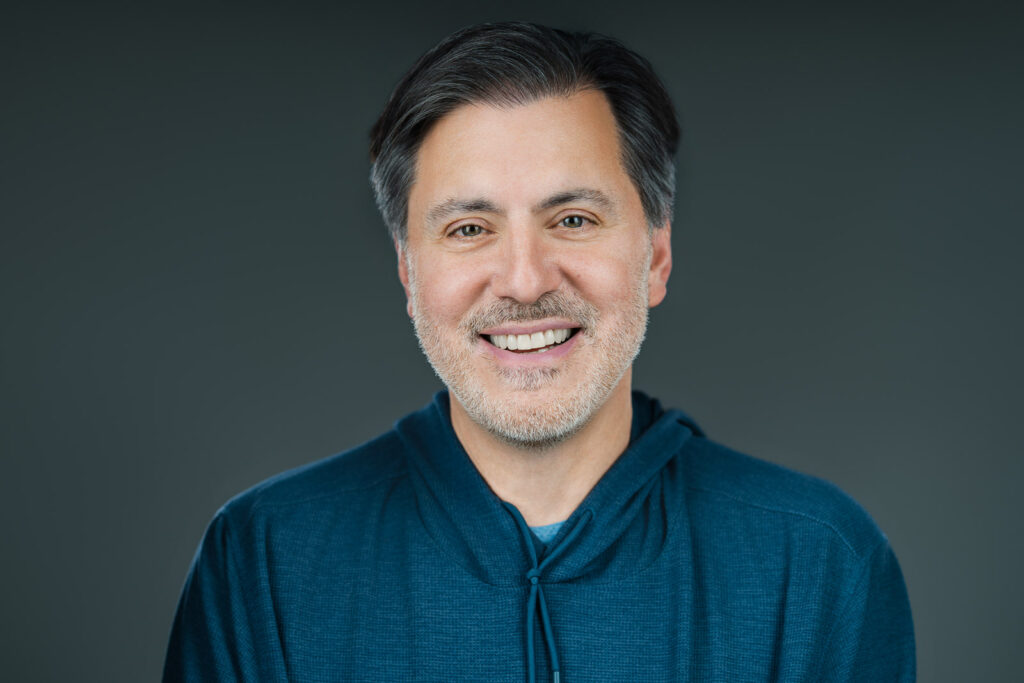
Barry came in carrying something a lot of actors carry: a LinkedIn photo he’d been using as his headshot.
It was a perfectly fine image for a professional networking profile. Warm smile, approachable energy, nothing technically wrong with it. But it wasn’t doing what an actor headshot is supposed to do. It wasn’t communicating range, type, and casting readiness in a single frame. It was a business portrait dressed up as a performance tool.
That gap between where Barry was and where he needed to be is exactly what this session was built to close. If you’ve been wondering what a real professional actor headshots in NYC and New Jersey transformation actually looks like, and what thoughtful actor branding photography can do for how the industry sees you, this is it.
Why the First Frame Matters More Than Most Actors Realize
Casting directors aren’t browsing actor submissions. They’re scanning them.
According to Backstage, the average casting director spends only seconds on each submission before deciding whether to keep looking or move on. That means your headshot isn’t just part of your application. It is your application, until something in it earns a second look.
A LinkedIn photo doesn’t speak that language. It was built for an entirely different audience and an entirely different purpose. LinkedIn tells recruiters you’re professional and approachable. An actor headshot tells casting directors who you are, what you play, and why they should call you in.
Barry understood this. He just needed the photos to prove it.
For a closer look at what casting-ready actor headshots actually look like and how different styles of actor headshots serve different casting goals, the difference is usually visible the moment you put the two side by side.
Barry’s Starting Point: The LinkedIn Photo Problem
The LinkedIn photo Barry had been using showed a friendly, confident man. But friendly and confident is table stakes. The image didn’t tell you what kind of roles Barry could carry. It didn’t show range. It didn’t signal a type. It communicated “business professional” because that’s what it was designed to do.
The specific things that read well on LinkedIn, centered composition, broad smile, and casual wardrobe, work against an actor headshot. Casting isn’t looking for the most likable person in the frame. They’re looking for someone who fits a very specific role in a very specific story. A LinkedIn photo rarely answers that question.
The Transformation Process: More Coaching Than Camera
A session like this doesn’t start with camera settings. It starts with a conversation.
Before a single frame was made, there was a discussion about the roles Barry is pursuing, how he wants to be perceived, and what his current photos aren’t saying that they should be. That conversation shapes everything: wardrobe selection, background choices, lighting mood, and the kind of expression work that separates a good headshot from a great one.
Barry came with options. The blue hoodie shot came first, representing the comfortable and accessible version of himself that had been living on LinkedIn. That look has its place. But the session pushed past that into something more intentional.
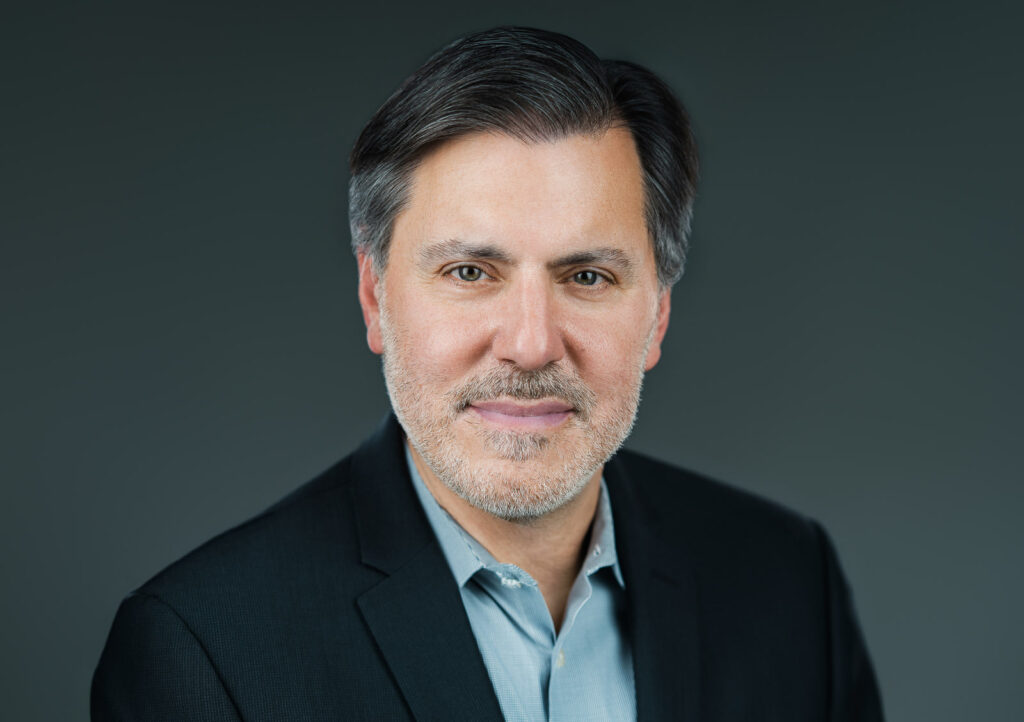
Wardrobe shifted to structured layers. A dark blazer over a light blue shirt, then a blazer with a tie for additional range. The background stayed neutral, letting the face carry the frame rather than compete with the environment. Lighting was sculpted to give definition without hardness and professional polish without stiffness.
The expression work is where most of the real transformation happens. Not “smile for the camera.” That’s how you get LinkedIn.
Instead, it’s about finding something genuine in the moment. A specific thought or feeling that reads through the lens without being performed.
After thirty years doing this, I can usually tell within the first few frames whether someone has been using a LinkedIn photo as their actor headshot. The energy is different. The intention isn’t there yet. That’s what the session is for.
The Final Headshots: Three Distinct Looks, One Consistent Presence
What came out of the session was a set of images that did something the LinkedIn photo never could. They gave Barry options.
The blue hoodie shot is the commercial look. Warm, accessible, natural. It’s the frame that works for commercial submissions, sitcoms, and roles where likability is the first casting requirement. It has ease to it that reads immediately.
The open-collar blazer pulls in a different direction: versatile authority. Corporate drama, legal or financial characters, and the kind of leading supporting role where someone needs to look like they’ve been in the room before.
The blazer-and-tie frame adds formality and gravitas without losing warmth. It expands the range into courtroom dramas, executive roles, and anything where a little more structure serves the character.
Together, all three represent something the LinkedIn photo never could: a professional actor ready to be cast in multiple directions across multiple types. That’s what a real actor headshot transformation looks like when it’s working.
For more context on how to think about choosing between options, the breakdown of different styles of actor headshots is worth reading before your session.

Why Professional Actor Branding Changes How the Industry Sees You
There’s a version of this conversation that sounds like: “get better photos and get more auditions.”
That’s not wrong, but it understates what actually happens.
When your headshots look professional, the way casting directors interact with your submission changes. They take the resume more seriously. They’re more willing to schedule a general. They assume competence before you’ve said a word.
After 30 years and 625+ five-star Google reviews, the pattern is consistent. Actors who invest in genuinely professional headshots show up to sessions differently, submit differently, and carry themselves differently in the room.
A strong headshot isn’t just marketing. It’s part of how an actor starts to see themselves as someone worth calling in.
Barry’s transformation from a casual LinkedIn image to a polished set of professional actor headshots in New Jersey is a clean example of what happens when that investment is made intentionally.
Common Questions About Actor Headshot Transformations
What’s the difference between a LinkedIn photo and an actor headshot?
A LinkedIn photo is designed for professional networking and projects approachability in a business context. An actor headshot is a casting tool. It needs to communicate a specific character type, emotional range, and marketability to directors and casting agents within a single frame.
Do actors need professional headshots?
Yes. A professional headshot is often the first and only impression a director gets before deciding whether to call someone in. A polished, well-directed image signals that an actor takes their craft seriously and gives the person reviewing submissions a reason to keep reading.
How do actor headshots help actors get auditions?
Directors review hundreds of submissions per project. A strong headshot stops the scroll and communicates type, range, and professionalism instantly. A weak or outdated photo often gets passed over before the resume is even read.
What makes an actor headshot look professional?
Intentional lighting, a clean background, wardrobe that reflects a clear character type, and an expression that feels genuine rather than posed. The best headshots don’t look like headshots. They look like a real moment between the actor and the camera.
How often should actors update their headshots?
Any time there’s a noticeable change in appearance, significant weight change, different hair, aging, or when the current photos no longer reflect how the actor wants to be cast. Most working actors refresh their headshots every one to two years.
What should actors wear for headshots?
Wardrobe should reflect the roles the actor is pursuing. Solid colors photograph cleanest. Avoid large logos, busy patterns, or anything that distracts from the face. The goal is to support the character type, not compete with it.
Why are professional actor headshots important?
In a competitive field, your headshot is your calling card. It represents you before you walk into any room. A professional headshot communicates that you’re serious, castable, and ready to work. It gives casting directors a reason to take the next step.
Ready to Step Out of the LinkedIn Frame?
If you’re an actor in Northern New Jersey, Hackensack, Hoboken, or anywhere in the NYC metro area, and you’re still submitting with a casual photo, a LinkedIn image, or headshots that no longer look like you, this is a good moment to change that.
Audition season, casting submissions, and industry networking all move fast. The photo is always the first thing in the room.
To see more work and schedule your session, call 917-992-9097 or 201-834-4999.
Even if you’re not sure what type you should be marketing yourself as yet, that’s a conversation we can have before we ever pick up a camera.
With 625+ five-star Google reviews and 30 years of experience photographing actors, executives, and professionals across New Jersey and New York, we’d be glad to help you make that first impression count.
Reply...


