


Your Headshot day should feel relaxed, joyful, and completely yours.
I’m Alex Kaplan, a Headshot Photographer and videographer based in New Milford, NJ, serving Northern.
Browse by Category:
headshots
view more

REQUEST INFORMATION
Want to feel like THIS on your Headshot day?
Availability is limited. Check Your Date Here
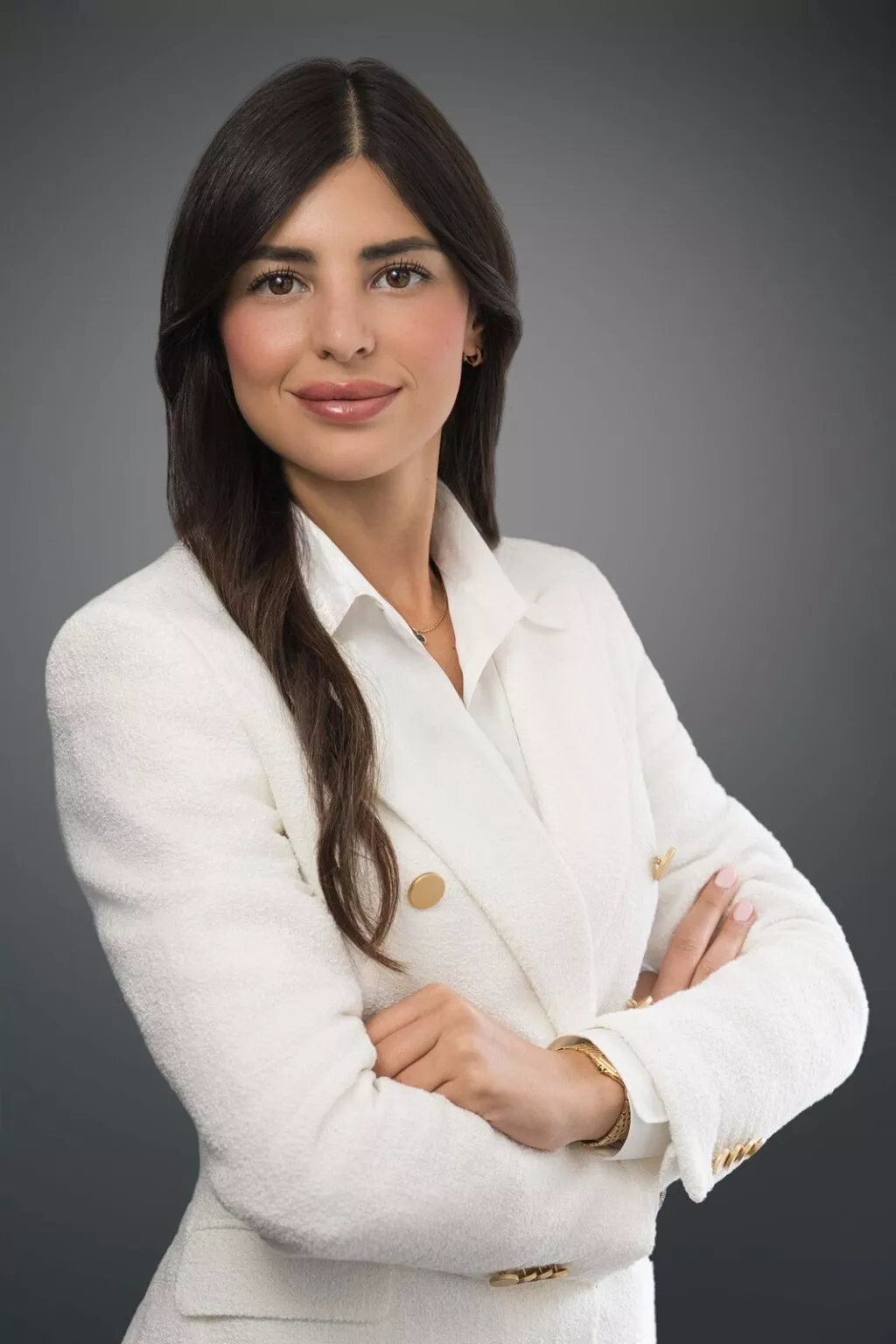

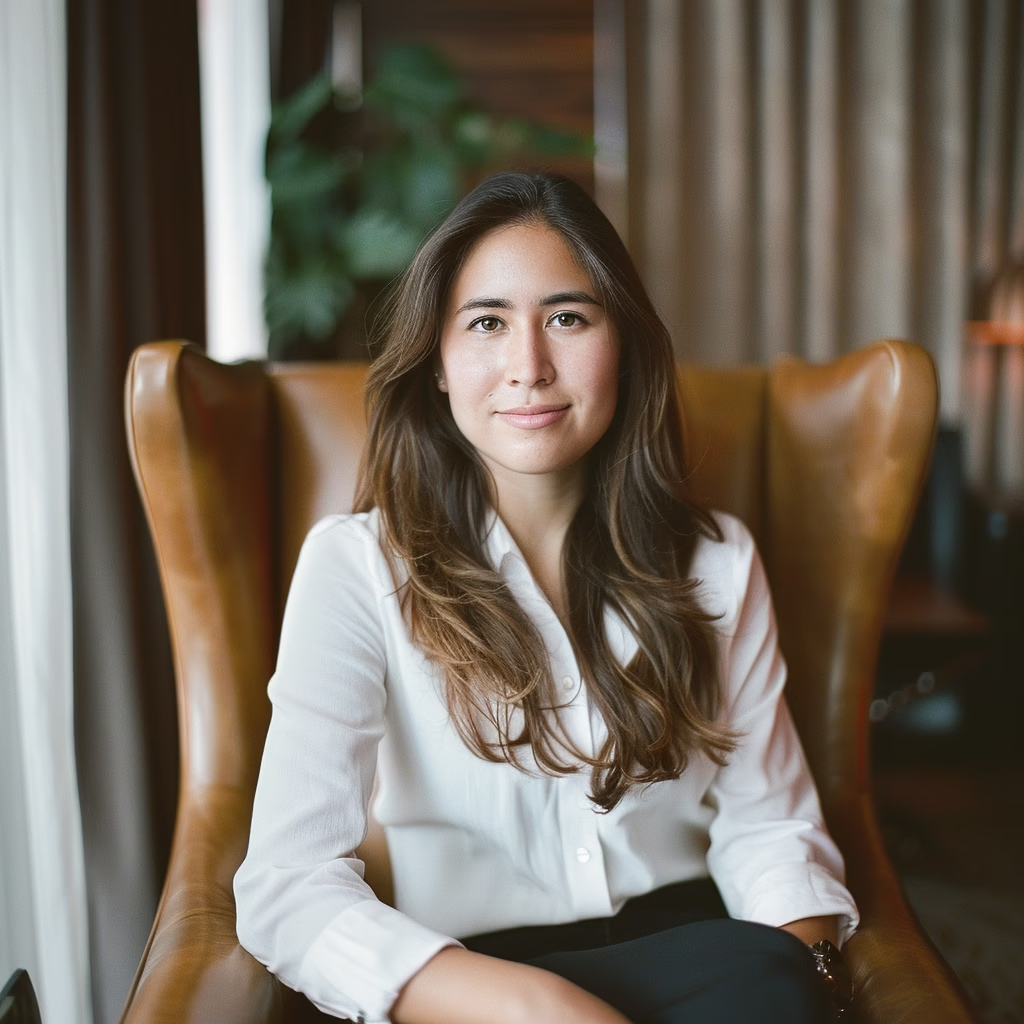
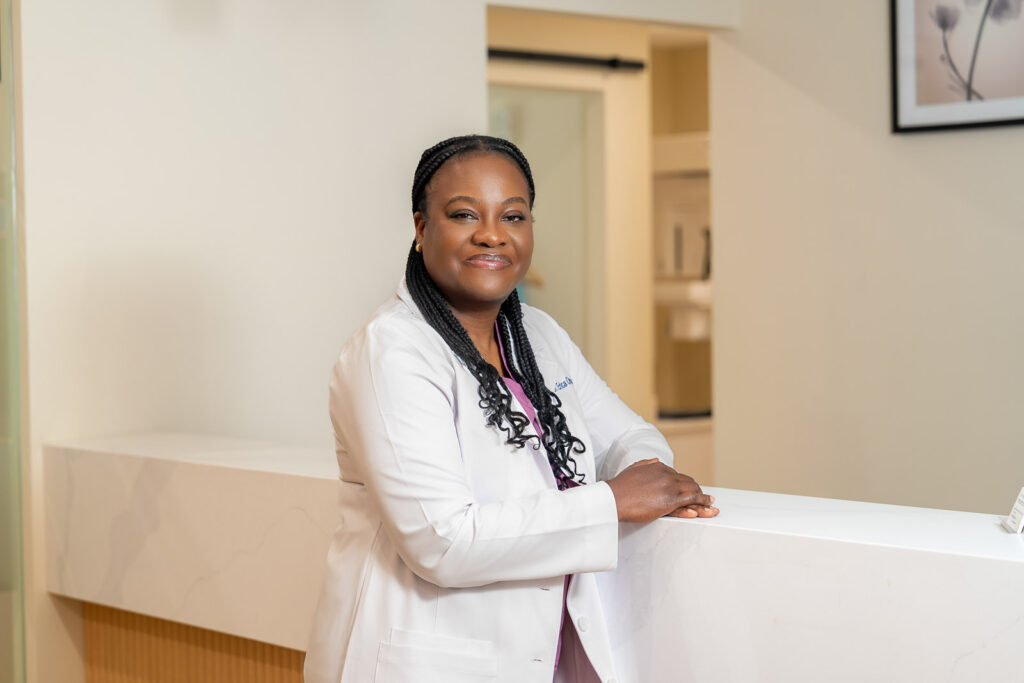
Every fall, my New Milford studio fills with medical students deep in the residency crunch, and most arrive carrying the same quiet worry: the photo. If you are searching for ERAS headshots near Hackensack NJ, you already sense that this small image sits at the very top of your application, and that program directors see your face before they read a word about your scores or your research.
I have photographed professionals across Northern New Jersey for more than 30 years, with over 15,000 headshots behind me, and I can tell you the residents who walk in nervous almost always walk out lighter. The photo is not the hard part. Knowing what programs actually want, and feeling calm enough to look like yourself, is the part nobody coaches you on.
Many of the residents I photograph trained at Hackensack Meridian School of Medicine or Rutgers, and others are away applicants interviewing across Bergen County. This guide covers the requirements, the wardrobe, the common mistakes, and the timing, all from the chair I have sat behind for three decades. You can see how it fits my wider work for clinicians on my medical headshots page.
What Is an ERAS Headshot?
An ERAS headshot is the professional, head-and-shoulders photo you upload to MyERAS for your residency application through the Electronic Residency Application Service. Program directors view it during NRMP Match review and use it to recognize you at interviews, so it sits beside your name from initial screening through interview season.
So it is not decorative. It is your first impression, made silently, before anyone meets you.
That is why the rest of this guide walks through exactly how to get it right. The image is doing quiet work on your behalf in rooms you are not standing in yet.
Why Your ERAS Photo Matters More Than You Think
A residency program may review hundreds of applications in a single sitting, often filtering first on USMLE Step scores and your CV. Your file still gets only seconds of human attention after that, and your photo is the anchor that holds a program director’s memory of you.
A strong residency application photo signals three things at once: you are professional, you are prepared, and you take this step seriously. The signals are subtle, and that is the point. The same principle drives the executive headshots I shoot for hospital leadership, where a single frame has to communicate credibility before a word is spoken.
The applicants I photograph are often surprised by how much confidence a good headshot gives back to them, not just the reviewer. Seeing yourself look calm and credible has a way of following you into the interview room.
Current ERAS Photo Requirements
ERAS photo requirements are specific, and they do shift between cycles, so treat this as your starting checklist and confirm the exact numbers inside your own MyERAS account before you upload. The system validates your image automatically, and there is nothing worse than fighting an upload error the night before submission.
Here is what holds true across recent application years. The question I hear most is about ERAS photo size, so the specs below make it concrete:
ERAS Photo Quick Checklist
- ✓ Format: JPG/JPEG (preferred) or PNG
- ✓ File size: Under 150 KB
- ✓ Orientation: Portrait, head and shoulders, face centered
- ✓ Crop: Traditionally about 2.5 x 3.5 inches (roughly 375 x 525 pixels at 150 dpi). AAMC has adjusted the accepted crop in recent cycles, so confirm the current spec in MyERAS.
- ✓ Background: Plain and neutral (light gray, off-white, or pale blue), no objects or distracting shadows
- ✓ Eyes: Looking directly at the camera
- ✓ Expression: Natural and approachable, a slight genuine smile
- ✓ Attire: Professional
- ✓ Editing: Light retouching only, never heavy filters or skin smoothing
You can confirm the official specs through the AAMC’s ERAS photo requirements page. When I prepare an ERAS file, I deliver it already sized and compressed to spec, so the upload is effortless. That part should never be your problem to solve. For more on why this matters for clinicians specifically, I wrote about professional headshots in healthcare.
What to Wear for Your ERAS Headshot
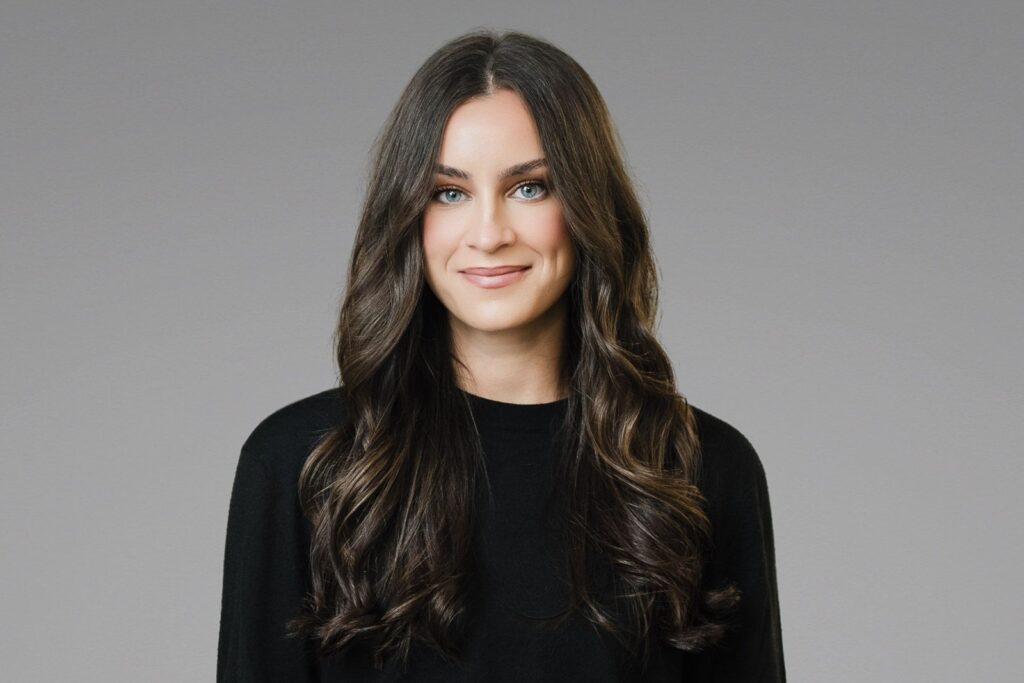
Wardrobe is where I see the most second-guessing, so let me make it simple. The goal is to look like a physician on a good day, not like you are attending a gala. Solid colors photograph best. Skip loud patterns, busy logos, and anything that pulls attention away from your face.
What Men Should Wear for an ERAS Headshot
A well-fitted suit jacket in navy or charcoal over a clean dress shirt is the reliable choice. A tie is optional and depends on your specialty culture, though it never hurts to look slightly more formal than you think you need to. Make sure the collar sits flat and the jacket fits across the shoulders, since a borrowed jacket that gapes at the back shows instantly on camera.
For grooming, treat it like an in-person interview: tidy, deliberate, and recent. A haircut a few days before, not the morning of, tends to settle in best.
What Women Should Wear for an ERAS Headshot
A blazer over a simple top reads beautifully and keeps the focus on your expression. Solid jewel tones and classic neutrals both work well, and understated jewelry supports the image rather than competing with it.
Makeup, if you wear it, should look like a polished version of an ordinary day. The most memorable ERAS photos are the ones that look unmistakably like the person who walks into the interview.
Common ERAS Headshot Mistakes
After three decades, I can spot the avoidable errors before a client sits down, and almost all of them are easy to fix.
The most damaging is the cropped selfie or a phone photo against a dorm wall. It reads as exactly what it is and quietly undercuts everything else in your application. Outdated photos cause a real problem too, because program directors notice when the person at the interview does not match the application image.
The last two are over-editing and casual clothing. Heavy filters and aggressive skin smoothing make a photo look artificial, and artificial is the opposite of trustworthy. A t-shirt or hoodie, meanwhile, tells a reviewer you did not treat this step with the weight it deserves.
Professional vs DIY ERAS Headshots
I understand the instinct to handle the photo yourself. You are busy, money is tight during application season, and a phone camera is right there. So let me be honest about where DIY usually breaks down.
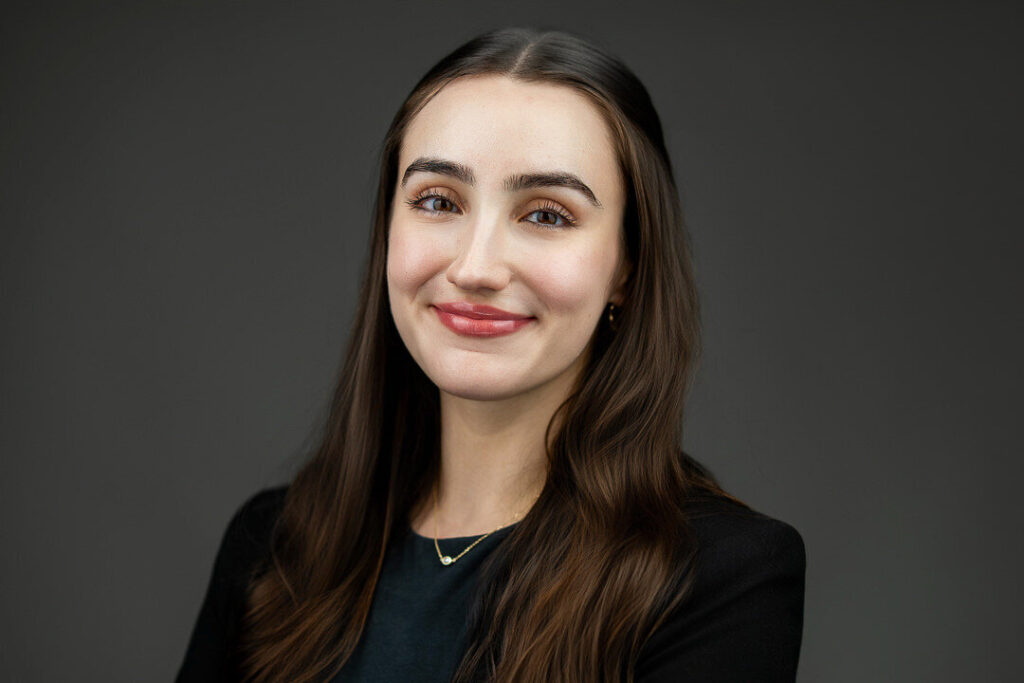
Lighting is the first thing to fall apart. Even, flattering light is genuinely hard to create at home, and it is the single biggest difference between a photo that looks credible and one that looks improvised. Cropping is the second, because the ERAS frame is unforgiving and a slightly-off crop distorts your proportions.
Then there is the part no phone replicates: coaching. Most people do not know what to do with their face when a camera points at them, and a good session is mostly me helping you relax into an expression that looks like your best, real self. Finally there is file preparation, getting the image sized and compressed exactly to spec so the upload simply works.
When Should You Schedule Your ERAS Headshot?
Earlier than you think. The ERAS submission window opens in the fall, and summer and early fall fill quickly, so the smartest move is to book before you are racing the deadline alongside your personal statement and letters.
Most of the students I photograph book two to four weeks out, many of them driving in from Hackensack and Teaneck during interview season. After the session, you receive a proof gallery within about 48 hours and retouched finals within three to five business days, so you are never waiting on your application. I prioritize ERAS clients because I know exactly what your calendar looks like during this stretch.
Why Medical Students Choose Alex Kaplan
Trust is the entire point of a headshot, so it is fair to tell you who you would be working with.
I have more than 30 years of experience and over 15,000 headshots photographed across Northern New Jersey, backed by 600+ five-star Google reviews from clients who came in uncertain and left proud of their images. A great deal of that work has been with healthcare professionals, from medical students to surgeons, so I understand the specific stakes of an ERAS photo and the exact technical requirements behind it.
My studio is in New Milford, a short drive from Hackensack and an easy trip for applicants coming from Englewood and the rest of Bergen County. What clients mention most, though, is the coaching. Expression is everything in a headshot, and helping nervous people look calm and confident is the part of this work I love most.
What Medical Students Say
★★★★★
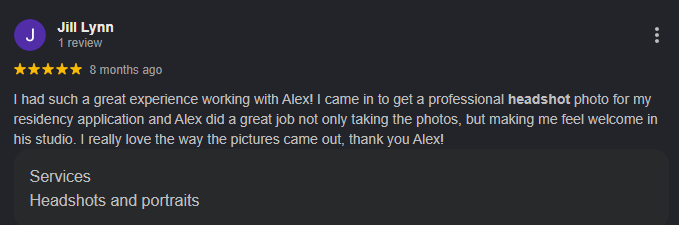
“I had such a great experience working with Alex! I came in to get a professional headshot photo for my residency application and Alex did a great job not only taking the photos, but making me feel welcome in his studio. I really love the way the pictures came out, thank you Alex!”
Jill Lynn
Verified Google Review
Your ERAS Photo Can Serve You Beyond Residency
Here is a perspective shift that often changes how applicants value the session. The photo you take for ERAS does not retire after Match Day.
A well-made professional headshot becomes your LinkedIn photo, your eventual hospital directory image, and the headshot you reuse for fellowship applications. It is the foundation of your physician brand for years, not a single-use upload. The same logic applies to the students I photograph for medical school applications, whose images carry them through the next stage of training.
When I shoot an ERAS session, I deliver the application-ready file plus full-resolution versions you can use anywhere. One thoughtful afternoon can carry you from residency applications into your professional identity as a physician.
Book Your ERAS Headshot Near Hackensack
If you are a medical student preparing your residency application near Hackensack, in Bergen County, or anywhere across Northern New Jersey, I would be glad to take this off your plate.
You will get a relaxed session with guidance the whole way through, a proof gallery in about 48 hours, retouched finals within a few business days, and a convenient location close to home. The hard work of your application is already behind you. Let me make sure the first thing programs see reflects all of it.
Ready when you are. If searching for a residency headshot near me is what brought you here from Paramus or anywhere nearby, the New Milford studio is an easy trip. Reach me through my contact page or call 917-992-9097 to book your ERAS headshot session.
Frequently Asked Questions
What are ERAS photo requirements? ERAS requires a portrait, head-and-shoulders photo on a plain neutral background, saved as a JPG or PNG and kept under 150 KB. You should face the camera with a natural expression in professional attire. Always confirm the current size and crop specs inside MyERAS, since AAMC updates them periodically.
Can I use a selfie for ERAS? No. A selfie reads as exactly what it is and quietly undercuts an otherwise strong application. Phone selfies struggle with lighting, cropping, and proportions, and program directors notice. A professional residency application photo signals that you take this step seriously.
Can I smile in an ERAS headshot? Yes, and you should. A natural, slight smile makes you look approachable and confident, which is exactly the impression you want a program to form. Avoid a forced or overly wide grin, and avoid a stiff, expressionless look. The goal is warm and credible.
What should I wear for an ERAS photo? Professional attire in solid colors works best. Men typically wear a navy or charcoal jacket over a clean dress shirt, with a tie optional. Women look polished in a blazer over a simple top. Skip loud patterns, logos, and anything that pulls focus from your face.
How early should I schedule my ERAS photo? Book your session in mid to late summer, several weeks before the ERAS submission window opens in the fall. Summer and early fall fill quickly, so an early booking lets you review your images calmly and upload without pressure.
How long does it take to receive my images? You receive a proof gallery within about 48 hours and retouched finals within three to five business days. ERAS clients are prioritized because the timeline is tight, and your file arrives sized and compressed to spec so uploading to MyERAS is effortless.
Can I use my ERAS photo on LinkedIn? Absolutely. A professional ERAS headshot doubles beautifully as a LinkedIn photo, a hospital directory image, and a fellowship application photo. One session can serve your professional brand for years, which is part of why a quality image is worth the investment.
Do residency programs care about professional headshots? Your photo is not the most important part of your application, but it does matter. Programs review files quickly and use the image to recognize and remember you, so a polished, current headshot works in your favor while a casual or outdated one creates a small disconnect. It is a low-effort detail with real upside.


