


Your Headshot day should feel relaxed, joyful, and completely yours.
I’m Alex Kaplan, a Headshot Photographer and videographer based in New Milford, NJ, serving Northern.
Browse by Category:
headshots
view more

REQUEST INFORMATION
Want to feel like THIS on your Headshot day?
Availability is limited. Check Your Date Here



New Jersey is having a moment. Netflix is building a production hub at Fort Monmouth in Monmouth County, Lionsgate has broken ground in Newark’s South Ward, and Paramount has signed on as an anchor tenant for a new studio complex in Bayonne. For the first time in decades, this state isn’t just a place productions pass through on their way to New York. It’s a place where careers are starting.

That growth is exactly why I wanted to put this guide together. Becoming an actor in New Jersey used to mean commuting into Manhattan for almost everything: training, headshots, auditions, agents. Some of that is still true. But a lot of it has changed, and most of the actors and parents I talk to in my studio don’t know where to start.
Where do you begin? Do you need headshots before you look for an agent? What should your child wear to an audition? How do you avoid looking overdone, outdated, or like you’re trying too hard? I’ve spent more than 30 years photographing actors, kids, and working performers across New Jersey and New York, and this guide is my attempt to answer those questions honestly, without the sales pitch. You can read more about that background on my about page if you want the longer version.
I wrote this the way I’d talk to someone sitting across from me in the studio. If you’re an aspiring actor, a parent trying to figure out whether your child is ready, or a working performer updating your materials, there’s something here for you. Read it start to finish, or jump to the section that matches where you are right now.
I’ve organized this guide roughly in the order most actors actually move through it: understanding the opportunity, getting your materials in order, deciding what to wear and how to present yourself, finding representation and auditions, and avoiding the mistakes that quietly slow people down. Wherever you’re starting from, you can jump straight to the section that’s relevant right now and come back for the rest later.
Quick answer: Becoming an actor in New Jersey usually starts with real training, professional actor headshots, a simple resume, and a casting profile on self-submission platforms. From there, it’s self-tape practice, careful research into agents and auditions, and consistency. New Jersey’s growing film market creates more opportunity than it used to, but actors still need strong materials and steady preparation to take advantage of it.
Why New Jersey Is Becoming a Bigger Opportunity for Actors
For most of my career, New Jersey was a supporting character in the entertainment industry. Productions used our towns as backdrops, then packed up and drove their casting decisions back into the city. That’s shifting fast, and the shift is structural, not seasonal.
Netflix’s studio at Fort Monmouth in Eatontown and Oceanport represents roughly a billion dollars of investment, with soundstages expected to open in phases through 2027 and 2028. A few miles away, Lionsgate is anchoring a new production campus in Newark, and Paramount has signed on at the developing 1888 Studios site in Bayonne. New Jersey’s film tax incentive program has also been extended through 2049, with credits up to 40 percent of qualified expenses, giving studios the kind of long-term certainty that makes multi-year investment decisions easier.
None of that is abstract. In 2024 alone, in-state film production spending hit $833 million, a new state record, across 556 productions that hired more than 30,000 crew members, nearly double the crew hires from the year before. That growth means more local productions, more casting calls that don’t require a trip into Manhattan, and more demand for actors who already live and train here.
I’ve watched this shift firsthand in my own studio. A few years ago, most of my actor sessions were for people commuting in from the city who happened to live in New Jersey but built their whole career around Manhattan casting offices. Now I’m photographing people who are booking work through New Jersey based productions, local casting director workshops, and self-tape submissions that never require them to leave the state.
If you’re serious about becoming an actor in New Jersey, you’re building a career at a genuinely useful moment to be doing it. That doesn’t mean it’s easy. It means the door is open wider than it’s been in a long time, and the actors who walk through it prepared are the ones who benefit most.

How to Become an Actor in New Jersey
Every actor’s path looks a little different, but after 30 years of working with people at every stage of this industry, I keep seeing the same sequence of decisions repeat itself. None of these steps are complicated on their own. What trips people up is skipping one, usually headshots, and trying to move forward without it.
Here’s the order that actually works:
- Get some real training. Community theater, a local acting class, or a coach who works with your age group. You don’t need a conservatory to start.
- Get professional headshots. This is your first real submission tool, and most casting decisions start and stop with this image.
- Build a simple resume. Training, any credits you have, special skills, and contact information. Keep it honest.
- Research agents and auditions. Know who represents your type before you start submitting.
- Practice self-tapes. A huge share of auditions now happen on camera, at home, before anyone meets you in person.
- Start building a portfolio. A small, focused collection of your best work and images, added to as you go.
- Stay consistent. Update materials as you change, and keep submitting even when the responses are slow.
Notice that headshots show up early in that list, not at the end. That’s intentional, and it’s the single biggest misconception I run into with new actors and their parents. People tend to think of headshots as a reward for progress, something you get once you’ve already booked a role or landed representation. In practice, it works the other way. The headshot is usually what gets you the first look that makes everything else possible.
I’ve sat down with plenty of actors who had strong training and genuine talent but had been submitting for months with an old photo from a phone, wondering why nothing was landing. Once we did a real session, the response rate changed within weeks. The training didn’t change. The presentation finally caught up to it.
Training matters too, and I don’t want to undersell it. Local theater programs across Bergen County, Essex County, and Hudson County give beginners a low-pressure place to build real stage experience before ever stepping in front of a casting director. Combine that groundwork with the materials above, and you have a genuinely competitive starting point, whether your goal is community theater, background work, or a career built around film and television.
Why Actor Headshots Matter More Than Most Beginners Realize
Casting directors don’t read your resume first. They see your face, and they decide in a few seconds whether you’re worth a second look. That’s not cynical, it’s just how a high-volume submission process works when someone is scanning through dozens or hundreds of images in a single sitting.
I photograph actors across NYC and New Jersey, and the same story comes up constantly: someone submits for months with a headshot that doesn’t represent them accurately, gets almost no responses, then updates their photos and suddenly starts hearing back. The work didn’t change. The image did.
A good actor headshot isn’t a portrait that flatters you. It’s a casting tool that communicates your type, your energy, and your believability in a single frame, before anyone reads a word about you. Casting directors are trained to read faces quickly for range, age, and tone. A headshot that’s overly retouched, poorly lit, or simply outdated works against that read instead of supporting it.
There’s also a trust element that beginners underestimate. If your headshot doesn’t match how you actually look when you walk into a room or a self-tape audition, that mismatch registers immediately, and not in your favor. Agents and casting directors have seen enough overworked, over-edited images that a natural, current, well-lit headshot actually stands out just by being honest.
You can see the full breakdown of how I approach that on my actor headshots page, where I get into what casting directors actually respond to versus what most beginners assume they want. If you’re comparing actor headshots New Jersey photographers, that responsiveness to real casting behavior, not just technical polish, is the thing worth asking about.
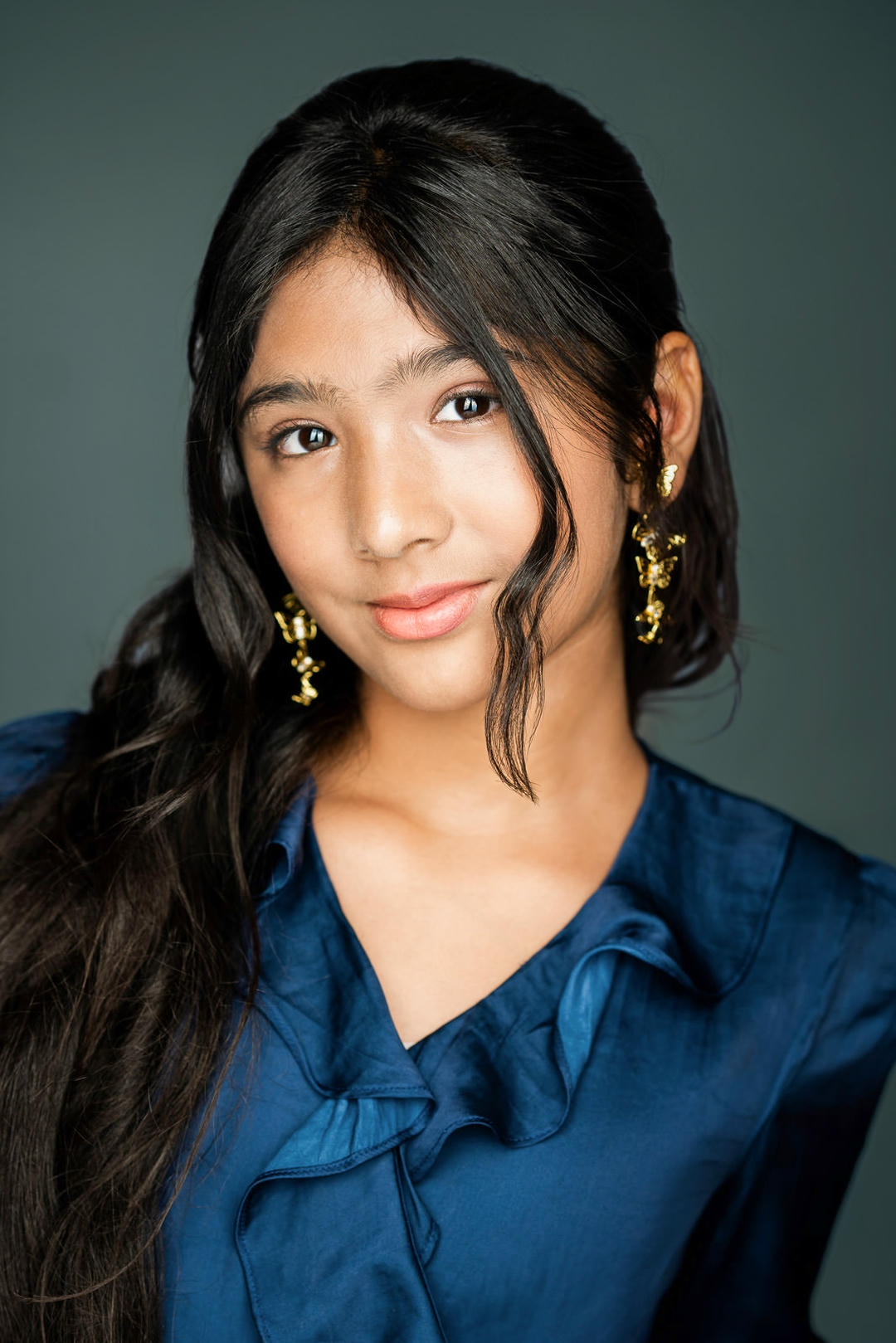
Commercial vs. Theatrical Headshots
One question I get from almost every new actor: do you need different headshots for different types of work? The honest answer is usually yes, and it comes down to what you’re submitting for.
Commercial headshots lean warmer and more approachable. Think of the energy you’d want selling a product, hosting a segment, or playing a relatable, everyday character. The lighting tends to be brighter, the expression more open, and the overall feel closer to how you’d present yourself meeting someone for the first time in a good mood.
Theatrical headshots lean more grounded and dramatic, built for film, television, and stage roles where casting directors are reading for depth rather than approachability. The lighting is often moodier, the expression more internal, and the goal is to suggest range and emotional weight rather than friendliness.
Most working actors end up with both, because most working actors submit for both kinds of roles over the course of a career. During a session, I’ll typically capture a range that covers a warmer, commercial-friendly look alongside a more cinematic, theatrical one, so you leave with options instead of a single image that only works for half your submissions. Outfit changes and small shifts in energy between looks make a bigger difference here than most people expect: the same person, same lighting setup, can read completely differently depending on wardrobe and expression alone.
If you’re not sure which category a role falls into, a good rule of thumb is to think about tone. Is the character meant to feel like someone you’d trust with a product recommendation, or someone carrying real stakes in a scene? If you’re comparing commercial vs theatrical headshots, the simplest difference is tone: commercial feels approachable, theatrical feels more emotionally layered. That answer usually points you toward the right image. I go deeper into exactly what casting directors look for in each type, including wardrobe and lighting differences, in actor headshots in NYC and Northern NJ: commercial vs. theatrical headshots.
What to Wear for Actor Headshots
Wardrobe is one of the most overthought parts of this process, and it doesn’t need to be. The goal is simple: your clothing should support your expression, not compete with it.
A few basics that hold up across almost every session I shoot:
- Solid colors over busy patterns or visible logos
- Two to three outfit options that reflect different types or tones
- Clothing that fits the roles you’re actually going after, not just what feels “dressy”
If you’re playing to a commercial, approachable type, softer colors and casual layers usually work: a simple crewneck, a light button-down, something that reads as everyday and relatable. If you’re building theatrical or dramatic images, richer, more grounded tones tend to photograph better, along with slightly more structured pieces like a blazer or a fitted jacket.
Avoid anything too trendy or tied to a specific season. Headshots need to hold up for a year or more, and an outfit that feels current now can date an image faster than your actual appearance changes. Jewelry and accessories should stay minimal too, since the goal is for casting directors to focus on your face and expression, not what you’re wearing.
For kids and teens, the same logic applies but with a lighter touch: comfortable, well-fitting clothes in solid colors that let their personality come through rather than a stiff, formal outfit that makes them feel like they’re dressed for a performance before the camera even comes out. We’ll always talk through your specific goals before your session, but you can see general wardrobe guidance on my headshot preparation guide as a starting point while the actor-specific version is in production.
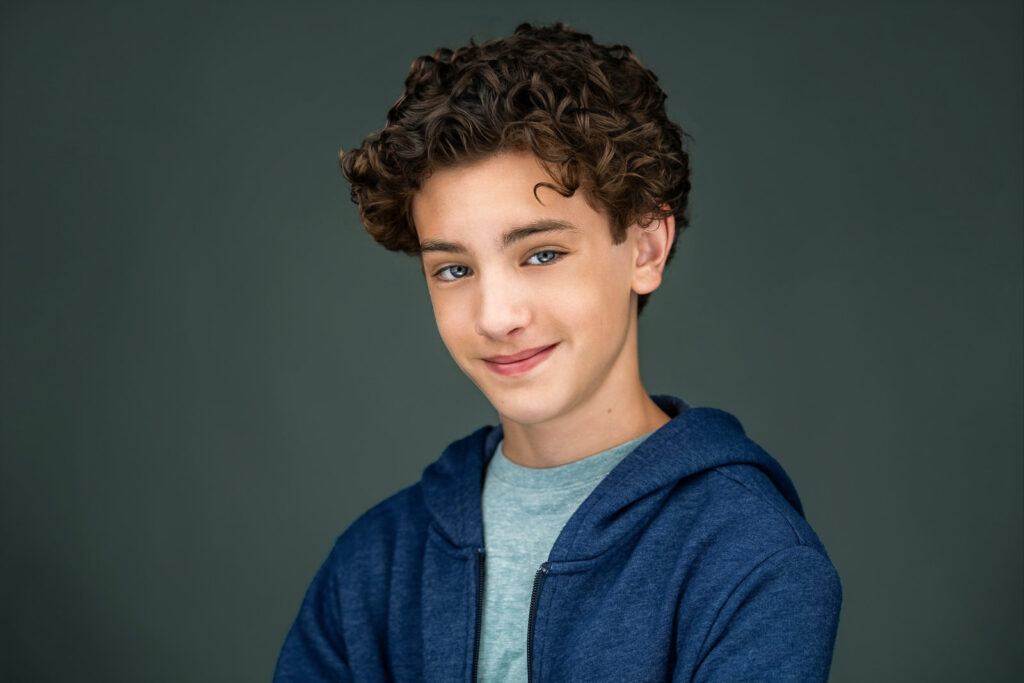
Do You Need Headshots Before Getting an Agent?
Yes, and this is worth being direct about. Agents evaluate you visually before they read a single line of your resume. If you approach an agency without professional headshots, you’re asking them to take a chance on materials that aren’t ready, and most won’t.
That doesn’t mean headshots alone will get you signed. Agents are also looking at training, coachability, and how you present yourself in a room or on a self-tape. But headshots are the entry point. Without them, you’re not getting a serious look, no matter how strong the rest of your materials are.
I’ve had actors ask whether it’s worth waiting until they have more credits before investing in real headshots, thinking they’ll get “better” photos once they have more to show for themselves. That logic runs backward. Agents don’t sign people based on potential they can’t see. They sign people whose current materials already suggest they’re ready to be submitted. The headshot is what makes that first impression possible.
If you want the fuller picture of what agents evaluate and how the submission process actually works, including realistic timelines for getting signed, I go into that in detail in how to find a talent agent in NYC and New Jersey.
How Parents Can Help a Child Get Started in Acting
Parents ask me a version of the same question constantly: how do I know if my kid is ready, and how do I not push too hard? After photographing hundreds of young actors, the answer usually has less to do with talent and more to do with pressure.
The kids who do best in front of a camera are the ones who aren’t being coached into a performance. I’ve watched a child freeze up completely under a parent’s well-meaning direction, then relax and light up the second we started just talking about their favorite show. Natural expressions come from comfort, not repetition, and that’s true whether we’re thirty seconds into a session or thirty minutes in.
A few things that consistently help:
- Keep instructions simple and low-pressure (“we’re going to take some pictures, it’ll be fun” beats any kind of formal prep talk)
- Let your child lead a little; forced smiles read as forced on camera
- Treat headshot updates as routine, not a big occasion, so they don’t become a source of anxiety
It also helps to manage your own expectations as a parent. Casting isn’t about finding the most polished child in the room. It’s about finding a genuine, natural presence that reads clearly on camera, and that’s something almost any comfortable, well-directed kid can deliver. The pressure to be “the best” usually works against that, not for it.
I wrote a longer walkthrough of what a real child headshot session looks like, including specific things I do to help kids settle in, in how to get natural actor headshots for kids in NJ. Most of the child actor NJ families I work with have the same underlying question, whether their kid is genuinely ready, and the honest answer is usually that comfort matters more than age. If you want to see how that same approach plays out in a studio environment built specifically for younger clients, professional studio headshots for kids in New Jersey and NYC walks through that side of it, including how the pacing of a session changes for different age groups.

How to Build Your First Acting Portfolio
Your actor portfolio is the evidence behind your headshot. It doesn’t need to be extensive when you’re starting out, but it does need to be honest about where you are.
At minimum, that means a strong headshot, a clean one-page resume, and a demo reel if you have any footage worth including, even short self-tapes edited together thoughtfully. If you don’t have footage yet, that’s fine. A focused headshot and resume combination is a legitimate starting portfolio; padding it with unrelated content usually does more harm than good.
Your resume should stay simple: your name, contact information or representation, height and general playing age range, training, any credits, and special skills that are genuinely relevant, like dialects, sports, instruments, or stage combat experience. Resist the urge to list every acting class you’ve ever taken. A tight, accurate resume reads as more professional than a padded one.
As you book work, whether that’s a student film, a community theater role, or a background gig, add it in and let the portfolio grow with you. The mistake I see most often is actors waiting until they have an impressive résumé to start submitting anywhere. You build the résumé by submitting, not before. Every credit, even a small one, adds legitimacy to the next submission.
Digital portfolios matter more than they used to as well. A simple, well-organized online presence, whether that’s a personal site or a platform like Actors Access, gives agents and casting directors an easy way to see your headshots, resume, and reel in one place without chasing down separate files by email.
One more thing worth saying clearly: your portfolio should evolve as your training and experience do, not stay frozen at whatever point you first put it together. Actors who revisit their materials every few months, trimming outdated entries and adding new ones, tend to present far more consistently than actors who build a portfolio once and never touch it again. Treat it as a living document, not a finished project.
How to Find Acting Agents and Auditions in New Jersey
New Jersey’s growing production footprint means more local casting activity than there used to be, but the process for finding it hasn’t changed much. Most opportunities still come through a mix of agent submissions, self-submission platforms, casting director workshops, and referrals. Actors are clearly looking for guidance around acting agents NJ and acting auditions New Jersey, and those questions make sense as the local production market grows.
Not every actor needs an agent to start booking work. Plenty of performers land student films, background roles, and smaller commercial gigs through direct self-submissions and networking. But for larger film, television, and national commercial opportunities, representation still matters, both for access and for the credibility it signals to casting directors.
Self-submission platforms have made it easier than ever to get in front of casting directors without an agent, particularly for background work, student films, and smaller commercial projects. Building a habit of checking these regularly, and submitting consistently rather than sporadically, tends to matter more than any single strong submission.
Casting director workshops are also worth exploring once you have solid materials in place. These sessions give you direct, in-person exposure to industry professionals and a chance to get real feedback in a lower-stakes setting than a formal audition. They’re not a shortcut to representation, but they build relationships and familiarity that can pay off over time.
I put together a full breakdown of how the agent search actually works, including realistic timelines and the materials agents expect to see, in how to find a talent agent in NYC and New Jersey. It’s worth reading in full before you start submitting, because targeting the right agencies for your type and level matters more than submitting everywhere at once.
Self-Tapes: The New Reality of NJ Auditions
A huge share of auditions now happen entirely on camera, at home, before you ever meet a casting director in person. That shift caught a lot of working actors off guard, and it’s one of the most common gaps I see in new actors’ preparation.
A usable self-tape doesn’t require expensive gear. It requires good, even lighting (a window or a simple ring light works fine), a plain, uncluttered background, and clear audio. Casting directors are evaluating your performance, not your production values, but poor lighting or muffled sound will get a tape passed over before anyone even judges the acting.
Framing matters more than people expect. A clean, chest-up frame with your eyeline just off-camera (toward your reader, not the lens) reads far more naturally than staring directly into the camera. Keep the slate short: your name, height, and the role, then get straight into the scene.
The actors who submit strong self-tapes consistently tend to treat every one like a real audition, not a rough draft. Run the scene a few times, pick your strongest take, and resist the urge to over-edit or add effects. A straightforward, well-lit, well-performed take beats a polished but overproduced one almost every time.
Common Mistakes New Actors Make
Most of what holds new actors back isn’t talent. It’s a handful of avoidable missteps that show up again and again, and I see them from behind the camera constantly.
Outdated headshots top the list. If you don’t look like your photo when you walk into a room, that’s a problem, and casting directors and agents notice immediately. Overly retouched images are a close second; smoothing away every real feature reads as inauthentic, not polished, and experienced industry professionals can spot heavy retouching instantly.
A photo that doesn’t match your actual type is another common one, where someone submits a dramatic, moody image for warm, commercial-friendly roles and wonders why nothing lands. Your headshot should reflect the roles you’re realistically being considered for right now, not an aspirational version of your career five years from now.
Beyond the photo itself, inconsistent submissions and giving up after a handful of “no responses” derail more careers than a lack of skill ever does. This industry runs on volume and patience as much as talent. I’ve also seen new actors undercut themselves by not researching who they’re submitting to at all, sending generic materials to agencies that don’t represent their type, age range, or genre, which wastes effort on both sides and rarely leads anywhere.
Finally, treating headshots as a one-time investment rather than an ongoing part of your career tends to catch up with people. Your look changes, your training deepens, and the roles you’re right for shift over time. Materials from three years ago rarely still represent you accurately, even if you feel like “not much has changed.”
I’d add one more pattern I see often: actors who treat rejection as a verdict on their talent rather than a normal, expected part of a numbers-driven process. Most working actors submit far more often than they book, and that ratio doesn’t reflect a lack of ability. It reflects how casting works. The actors who stay in this industry long-term tend to be the ones who can hold onto that perspective without letting a string of no-responses talk them out of continuing.
Why Working With the Right Headshot Photographer Matters
Not every photographer who offers headshots understands casting. There’s a real difference between someone who can light a portrait well and someone who knows what a casting director is actually scanning for in those first few seconds.
That distinction is where most of my actor sessions live. I’m not just posing you and adjusting a light. I’m watching for the moment your expression stops feeling performed, the same shift I described earlier with kids, because that’s the frame that actually books work. You can see that in practice in this recent studio session, where a young actor’s headshots shifted completely between three different looks in under an hour, from approachable and comedic to serious and cinematic, just by adjusting energy and wardrobe.
After 30 years and hundreds of actor sessions, I’ve learned that the technical side, lighting, focus, retouching, is table stakes. What separates a headshot that gets responses from one that doesn’t is direction: knowing how to read someone in front of a camera and pull out the moment that’s actually castable, rather than just a technically clean but forgettable photo.
Working with a photographer who understands the industry also means you’re getting real guidance, not just a photo package. That includes honest feedback on wardrobe, help understanding which looks to prioritize for your type, and a session paced around actually getting the shot rather than rushing through a fixed number of frames. That guidance is often the difference between headshots that sit in a folder and ones that actually get submitted with confidence.

Final Advice From Alex
If you take one thing from this guide, let it be this: don’t wait until you feel ready to invest in the materials that make you look ready. Training takes years. A strong headshot takes one afternoon, and it’s often the single decision that unlocks everything else on this list.
I’ve watched actors sit on outdated photos for years out of hesitation, then finally update them and immediately start hearing back from submissions that had gone quiet. I’ve also watched nervous parents relax the moment they saw how naturally their child settled into a session once the pressure came off. Neither of those outcomes required luck. They required starting.
New Jersey’s growing production scene means more chances than this industry has offered locally in a long time. That opportunity rewards people who show up prepared, not people who wait for the timing to feel perfect. There will always be a reason to put it off a little longer. The actors who move forward anyway are the ones who end up with something to submit when the right role comes along.
Whether you’re just beginning to explore acting, helping your child take a first step, or updating materials you’ve been putting off, I’d be glad to help you get there. Book an actor headshot session with Alex Kaplan through my actor headshots page, or reach out directly through my contact page if you have questions before you’re ready to book.
FAQs About Becoming an Actor in New Jersey
What’s the first step to becoming an actor in New Jersey?
Start with real training, whether that’s a local class or community theater, then get professional headshots before you begin submitting anywhere. Headshots are the tool that makes every next step possible.
Do I need professional headshots before submitting to agents?
Yes. Agents evaluate you visually first, and submitting without current, professional headshots significantly reduces the chance your materials get a real look.
How much do actor headshots cost in New Jersey?
Sessions typically start around $350, depending on how many looks and outfit changes you need. Actors who need a single focused update pay less than those building a full range of commercial and theatrical looks.
Do child actors need different headshots than adults?
The core goal is the same, natural and believable, but sessions for kids require a different pace and approach. Comfort and low pressure matter more than posing technique.
How often should I update my actor headshots?
Most working actors update every one to two years, or sooner if your look changes significantly (hair, weight, age range, or the types of roles you’re pursuing).
Do I need an agent to book acting work in New Jersey?
Not always. Many actors book student films, background work, and smaller commercial gigs through direct self-submissions. Larger film, TV, and national commercial opportunities usually require representation.
What’s the difference between commercial and theatrical headshots?
Commercial headshots are warmer and more approachable, built for relatable, everyday roles. Theatrical headshots are more grounded and dramatic, built for film, TV, and stage casting.
Can I use the same headshot for years without updating it?
It’s not a good idea. Casting directors expect a current, accurate likeness, and submitting an outdated photo tends to hurt you more than having no photo at all once you meet in person or on a self-tape.
What should I bring to my first actor headshot session?
Two to three wardrobe options in solid colors, a general sense of the types you’re going for, and realistic expectations. The rest is guided direction during the session itself.
Reply...


