


Your Headshot day should feel relaxed, joyful, and completely yours.
I’m Alex Kaplan, a Headshot Photographer and videographer based in New Milford, NJ, serving Northern.
Browse by Category:
headshots
view more

REQUEST INFORMATION
Want to feel like THIS on your Headshot day?
Availability is limited. Check Your Date Here
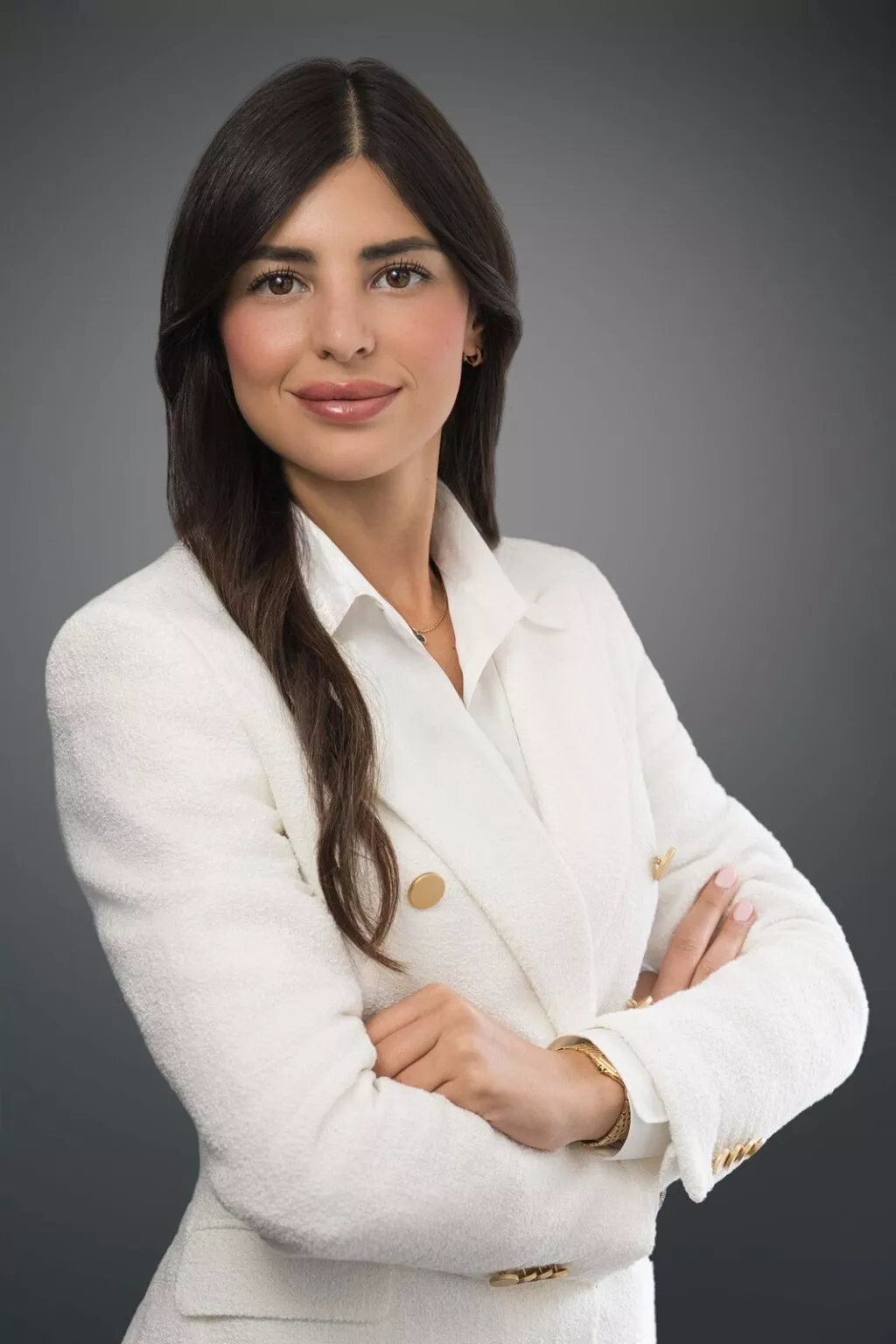

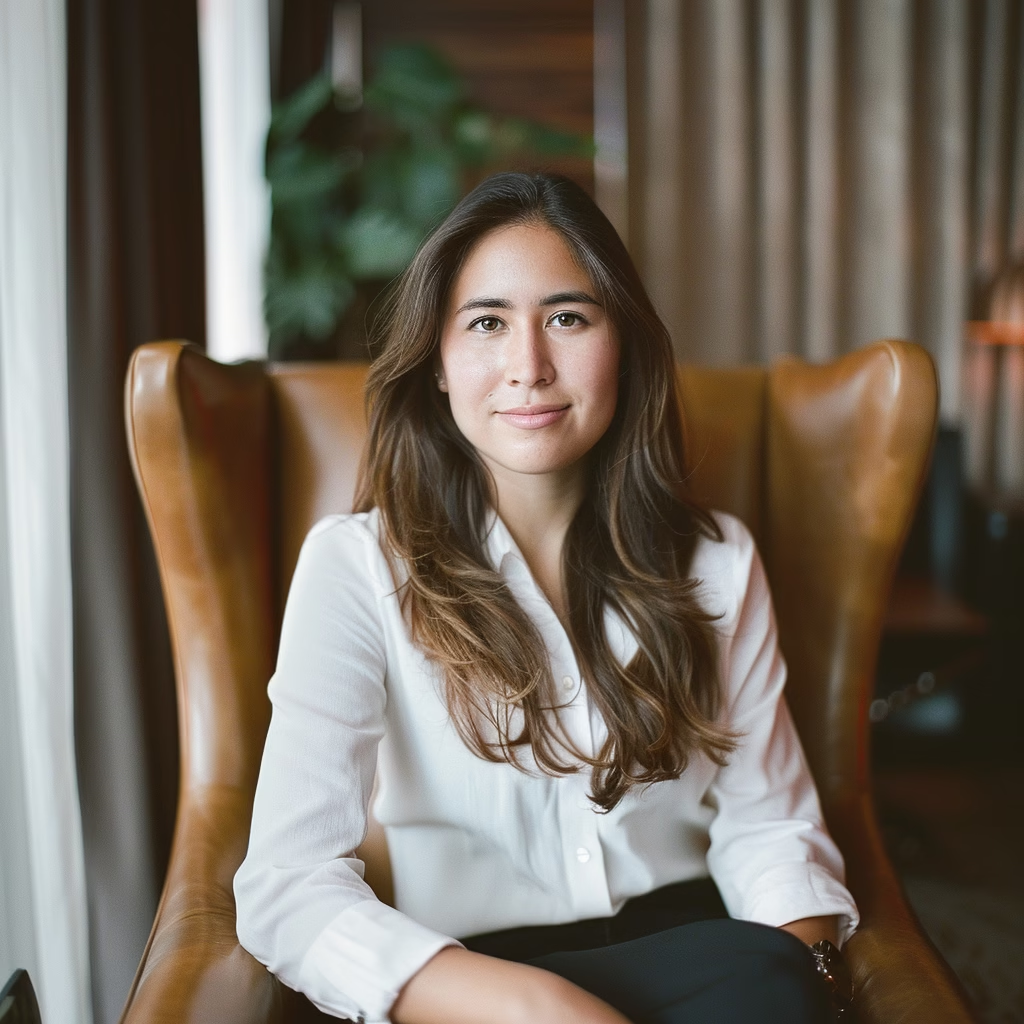
Every summer, I photograph medical students from across New Jersey who are deep into their residency applications. They have spent months on personal statements, letters, and board prep. Then they reach one small upload that quietly shapes a first impression: the photo.
After 30 years behind the camera, I can tell you that ERAS headshots in New Jersey carry more weight than most applicants expect. A program director may see your face before they read a single word about you.
This guide covers what that photo needs to be, what to wear, the mistakes I see most often, and how to get it right the first time.

What Is an ERAS Headshot?
An ERAS headshot is the professional photo you upload to your MyERAS application through the Electronic Residency Application Service. It is a simple head and shoulders portrait on a neutral background, taken in professional attire. Programs use it mainly to recognize you on interview day, but it also sets the tone for how your file reads.
It is not a casual photo. A cropped vacation picture or a phone selfie reads as exactly that, and it sits next to your scores and your letters the entire time your file is open.
This is the same standard of work I bring to every session on our professional medical headshots page, where physicians and students are photographed for applications, hospital profiles, and directories.
Why Residency Directors Notice Your Photo
Program directors review hundreds of applications in a compressed window. Most start by skimming. A clean, professional photo does not replace your qualifications, but it can make the rest of your application feel more polished and easier to trust.
The opposite is also true. A blurry or poorly lit image creates friction before anyone reads your qualifications, and first impressions are stubborn.
If you are applying from the Hackensack area, I cover that local angle in detail in my guide to ERAS headshot sessions near Hackensack. The same session also gives you images you can carry into your career through executive and LinkedIn headshots once you match.
Current ERAS Photo Requirements
Here is the technical checklist most applicants need. ERAS can adjust specifications each cycle, so confirm the current rules on the official AAMC ERAS document requirements page before you upload.
- Dimensions: 2.5 x 3.5 inches (about 375 x 525 pixels), portrait orientation
- File size: under 150 KB
- File type: JPEG (preferred) or PNG
- Framing: frontal head and shoulders, face centered, eyes on the lens
- Background: plain and neutral (light gray, off-white, or pale blue)
- Lighting: even, with no harsh shadows and no heavy filters
- Expression: natural and approachable, not stiff
When I deliver an ERAS session, you receive a full resolution portrait plus a version already cropped and compressed to these limits, so the upload is not your problem to solve.
What to Wear for an ERAS Headshot
Business professional is the safe standard for nearly every specialty. The goal is to look like a colleague your interviewers would trust with a patient.
For men: a dark or mid-tone suit jacket, a collared shirt, and a simple tie. Solid colors photograph cleaner than busy patterns.

For women: a structured blazer or a professional top in a solid color. Keep jewelry minimal so attention stays on your face.
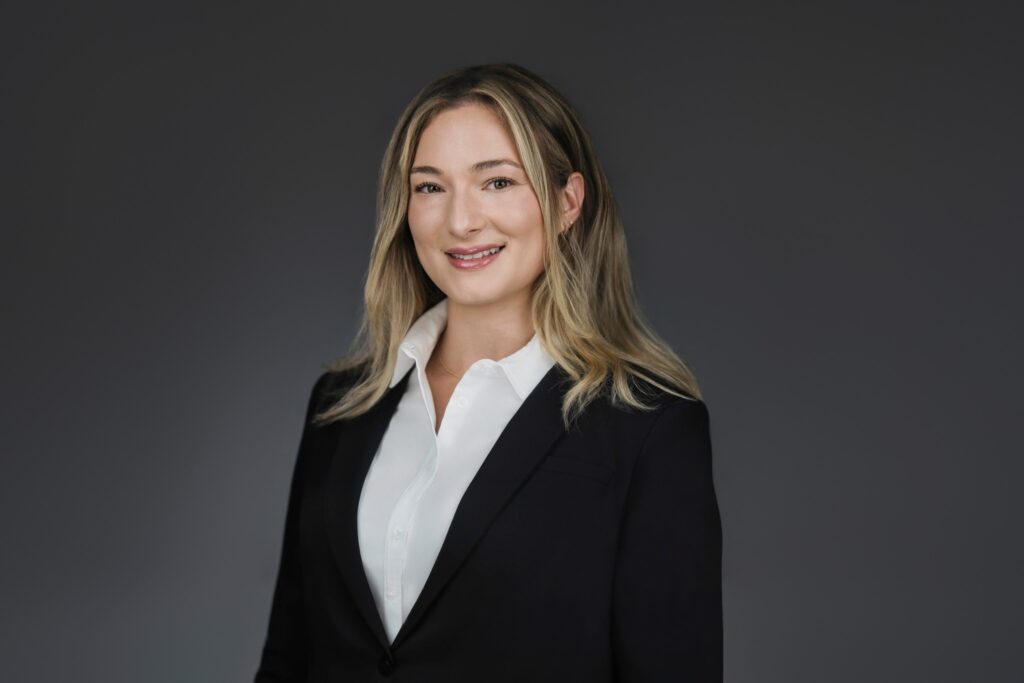
A quick note on the white coat, because the question comes up in almost every session, usually within the first few minutes. It is generally optional, and many advisors prefer applicants in standard professional attire so the photo does not read as staged. If a specific program or specialty culture expects one, that is a reasonable exception. When in doubt, professional attire without the coat is the cleaner default.

Common ERAS Headshot Mistakes
The errors I see most are simple to avoid once you know them.
- Selfies or phone photos with uneven lighting and distorted proportions
- A cropped group photo, where a stray shoulder or background clutter gives it away
- Heavy retouching that smooths away texture and looks artificial
- A busy or dark background that pulls focus from your face
- Wrong dimensions, which force MyERAS to crop the image in ways you did not intend
Professional vs DIY ERAS Photos
A DIY photo can technically meet the file requirements. What it usually misses is the part that matters: lighting that flatters, framing that fits the crop, and an expression that reads as calm and capable rather than rushed.
Many applicants put real care into this step, and that quietly raises the visual standard. A professional session keeps your photo consistent with the effort you have already put into the rest of your application, and gives you images you will reuse for years.
Why Medical Students Across New Jersey Choose Alex Kaplan
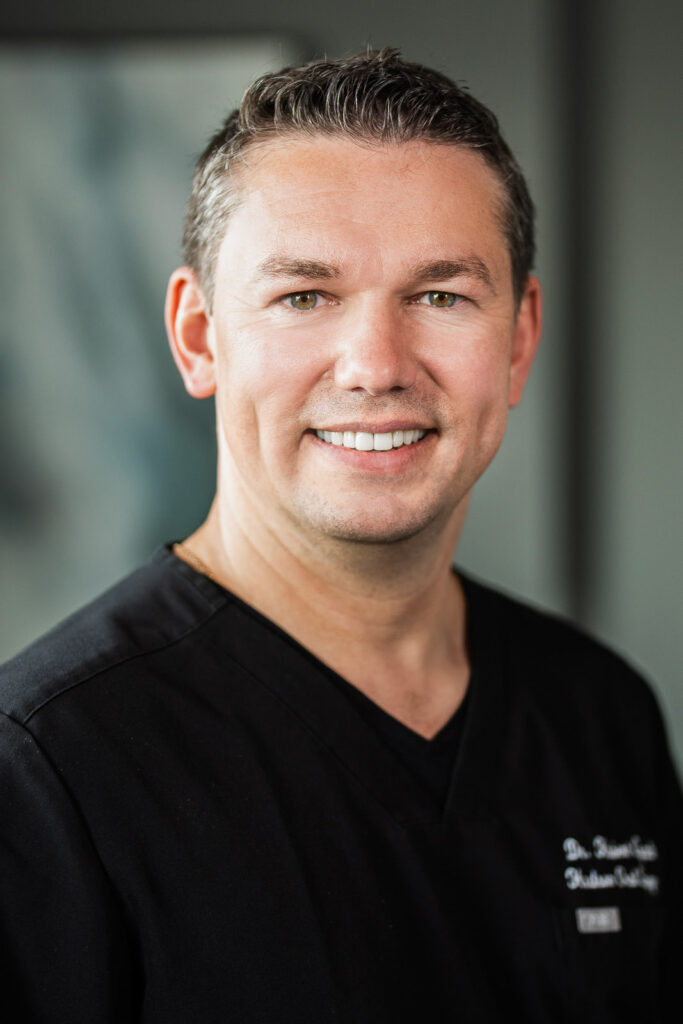
I have photographed professionals in Northern New Jersey for more than 30 years, including physicians, surgeons, residents, and students preparing their first applications. My studio in New Milford sits in Bergen County, a short drive from Hackensack and easy to reach from across the region.
Most students arrive a little nervous, and that is normal. It settles quickly once we start, and by the time we review the images together on the screen, the question usually shifts from whether they look okay to whether they can use one of these for LinkedIn too.
What students tell me they value most is the guidance. I walk you through wardrobe, posing, and expression on the day, then deliver files formatted for ERAS so nothing about the upload is left to chance. You can learn more about my background and approach on the about Alex Kaplan Photography page, and read verified feedback on my Google reviews.
Areas I Serve Throughout New Jersey
My studio is an easy drive for applicants across Bergen County. Students come from Hackensack and Paramus most often, and others travel in from Teaneck or Fort Lee without much trouble. I also see applicants heading up from Newark and Jersey City, since the location stays reachable from much of Northern New Jersey.
I also work with students connected to New Jersey medical programs, including Rutgers, the Hackensack Meridian School of Medicine, and Cooper Medical School of Rowan University. Wherever you train, the goal is the same: a photo that represents you accurately.
Beyond ERAS: Building Your Professional Brand
The session does not end with one upload. The same images support your LinkedIn profile, your physician directory listing, fellowship applications, and your hospital staff page once you match.
Most students are surprised by how far one strong portrait travels. Photographing it well now means you are not scrambling for a usable image during your intern year.
Frequently Asked Questions
What is an ERAS headshot?
An ERAS headshot is the professional photo you upload to your MyERAS residency application. It is a head and shoulders portrait on a neutral background in professional attire, used mainly to identify you and to set a professional tone for your file.
What are the ERAS photo requirements?
The standard is a 2.5 x 3.5 inch portrait (about 375 x 525 pixels), under 150 KB, saved as JPEG or PNG. It should show your head and shoulders on a neutral background with even lighting. Confirm current specs on the AAMC site before uploading.
Do I need a professional photographer for my ERAS photo?
It is not required, but it is strongly recommended. A professional session controls lighting, framing, and expression, and it removes the technical formatting work. When your application is competitive, a weak photo is an avoidable risk.
What should I wear for an ERAS headshot?
Business professional attire. For men, a dark suit jacket, collared shirt, and simple tie. For women, a structured blazer or professional top in a solid color. Keep accessories minimal so the focus stays on your face.
Can I wear my white coat in an ERAS photo?
The white coat is generally optional. Many advisors prefer standard professional attire so the photo does not look staged. If your specialty culture expects one, that is a reasonable exception, but professional attire is the safer default.
When should I take my ERAS photo?
Plan your session in the early summer, ideally several weeks before the application window opens in September. Booking by June or July gives you time to review the images and handle any reshoot without pressure.
Can I reuse my ERAS headshot for LinkedIn or my hospital profile?
Yes. A well made portrait works for LinkedIn, physician directories, fellowship applications, and hospital staff pages. One session can carry you through residency and well into your career.
Where can I take ERAS headshots near Hackensack?
My studio is in New Milford, in Bergen County, a short drive from Hackensack and convenient for applicants across Northern New Jersey. Sessions are tailored to ERAS requirements from start to finish.
Book Your ERAS Headshot Session
If you are a medical student in New Jersey preparing your residency application, your headshot should feel simple, calm, and handled. I will guide you through the session, help you choose the strongest image, and deliver files that are ready for ERAS and useful well beyond the application.
You can book your ERAS headshot session directly, and I am glad to answer any questions before you come in.


