


Your Headshot day should feel relaxed, joyful, and completely yours.
I’m Alex Kaplan, a Headshot Photographer and videographer based in New Milford, NJ, serving Northern.
Browse by Category:
headshots
view more

REQUEST INFORMATION
Want to feel like THIS on your Headshot day?
Availability is limited. Check Your Date Here
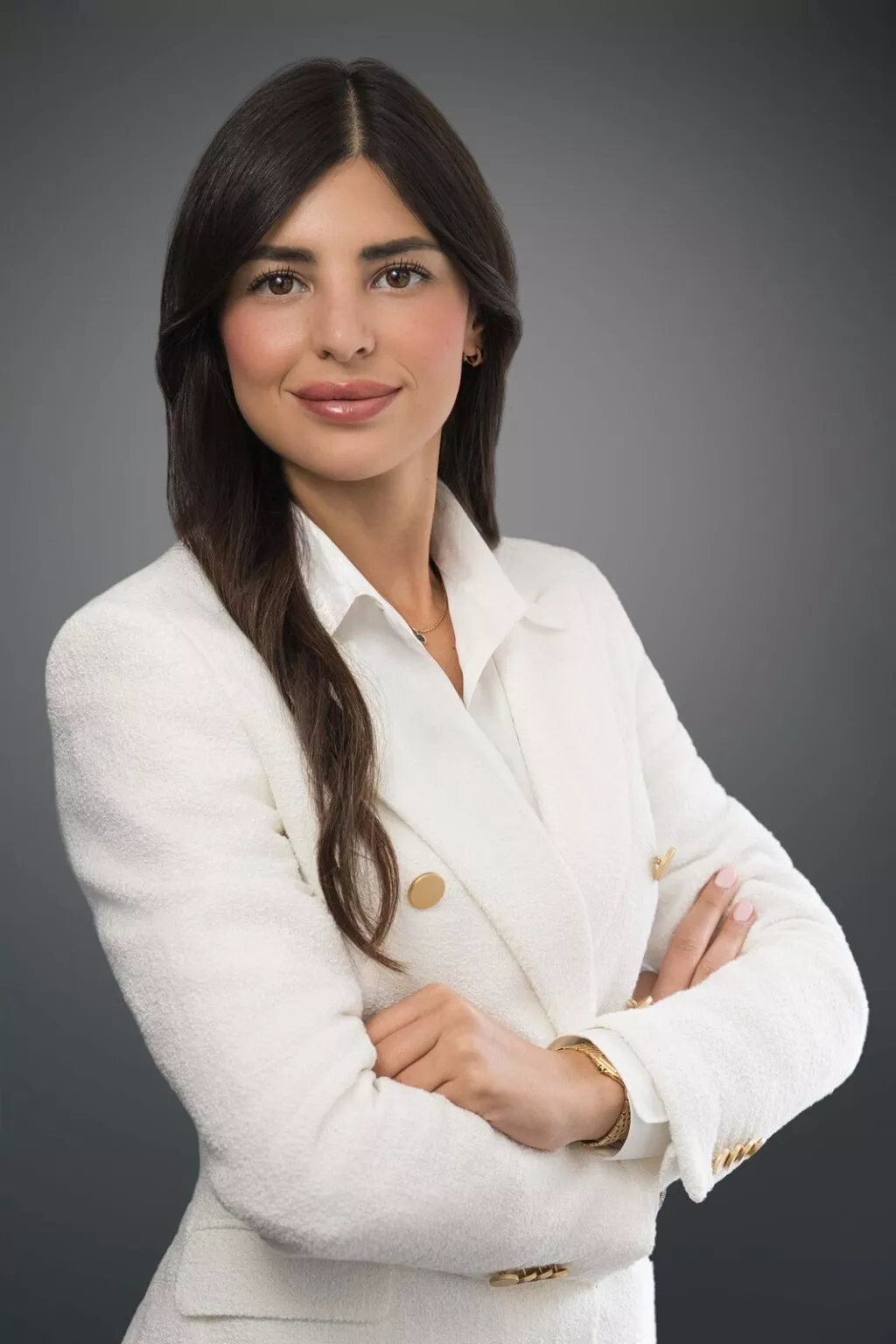

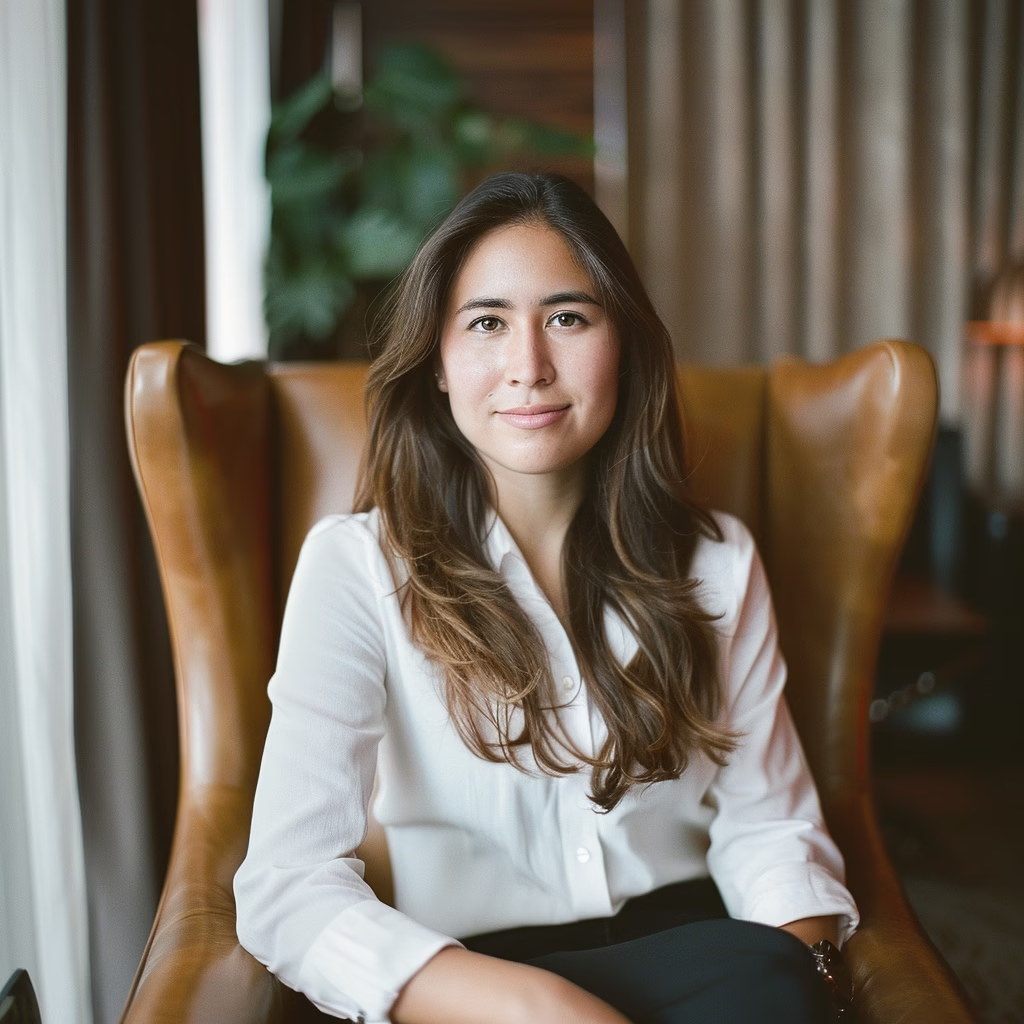
Most financial advisors I photograph walk in having already decided what they are supposed to look like. Serious. Composed. A little unreachable. Somewhere along the line the industry taught them that gravity equals credibility, and that a smile reads as a sales pitch.
I understand the instinct. I also think it costs them business.
I’m Alex Kaplan, and I have spent more than 30 years photographing executives, attorneys, and financial professionals across Northern New Jersey and New York City. People searching for financial advisor headshots NJ are rarely after a polished photograph alone. They are deciding how they want a prospective client to feel before the first call. The portrait that finally works is almost never the one where the person is trying hardest to look important.
Do Financial Advisors Need to Look Serious in Professional Headshots?
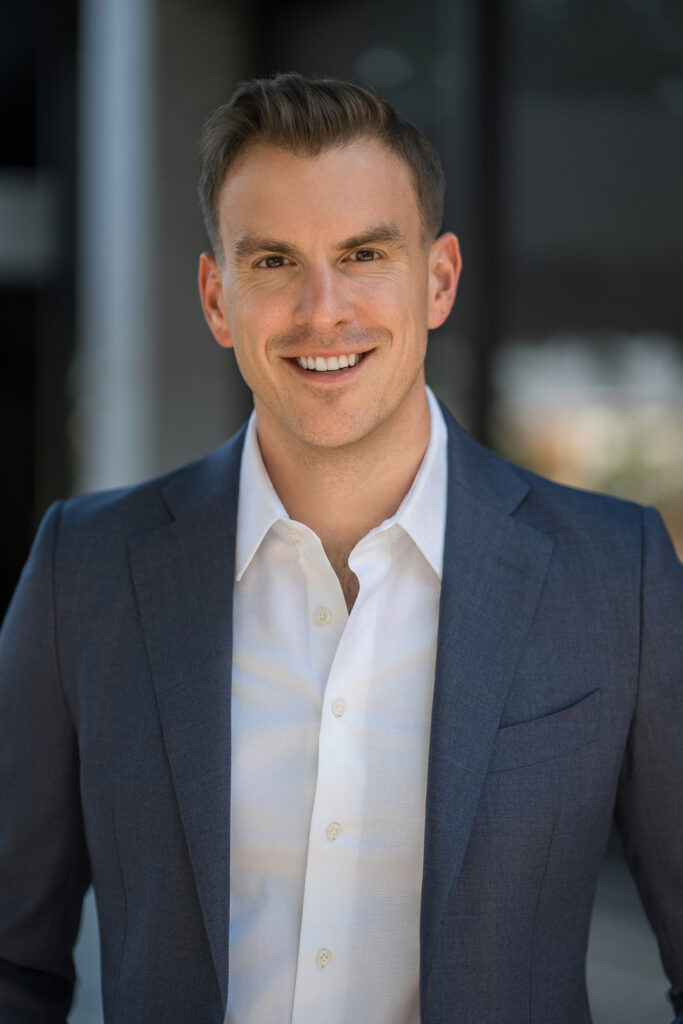
No. The most effective financial advisor headshots project confidence, competence, and approachability rather than an overly serious expression. A relaxed smile, strong eye contact, and natural posture help create trust before clients ever schedule a meeting.
Your Headshot Is Often the First Meeting Before the Meeting
By the time a prospective client speaks with you, they have usually already met you. Not in your office. On LinkedIn, on your firm’s team page, in a forwarded email signature, in a Google search the night before.
That first meeting happens without you. No philosophy, no two decades of experience, no joke that puts people at ease. Only your face, and whatever it is saying.
This is the part advisors underestimate. Your credentials answer whether you are qualified. Your photograph answers something more primitive, and it answers first: do I want to sit across a table from this person while they ask about my money? Our professional headshots service page is built around that question.
The financial advisor headshots in NJ pillar covers why the photo functions as a trust test at all. This piece is about the specific thing inside the frame that passes or fails it.
Why Looking Too Serious Can Actually Reduce Trust
There is real research behind this. Princeton psychologists Janine Willis and Alexander Todorov found that people form impressions of trustworthiness from a face in roughly a tenth of a second, and that longer exposure mostly increases confidence in the judgment rather than changing it, as Princeton reported on the snap judgment research.
Worth being precise. That does not prove those instant reads are accurate. It proves they are fast, sticky, and settled before conscious thought arrives. Your photograph is not evaluated. It is reacted to.
So the question stops being “does this look professional” and becomes “what is this face doing to someone in a tenth of a second.” A hard jaw and a level stare communicate distance, and in a relationship business distance is not authority. It is friction. Prospects want an advisor who is competent, calm, experienced, and reachable. Take away the last one and the first three work against you.
What Expression Is Best for Executive Headshots?
The best expression for an executive headshot is calm, attentive, and genuine. It should carry enough warmth to feel approachable while keeping the composure the role implies. For some people that is a subtle smile. For others a fuller one is more honest. The right choice is the one that looks believable.
What matters is whether the eyes, the mouth, and the posture all agree.
Confidence Looks Different Than Seriousness
Seriousness is a performance of importance. It shows up as tension: shoulders squared and locked, chin lifted, jaw set, eyes narrowed to signal focus. It reads as guarded. Confidence is the opposite motion. It is what a face does when it stops bracing.
The markers I watch for in every session:
- Shoulders open and dropped, not squared and held
- A jaw that has let go, which changes the entire lower face
- Eye contact that is steady rather than intense
- A smile that arrives on its own rather than being installed
- Posture that is upright without being rigid
- Breathing that has slowed and no longer moves the shoulders
None of that is posing. It is what stops happening. Confidence in a portrait is subtractive: you remove effort, and what is underneath tends to be the most credible version of the person.
Here is where I part company with conventional advice. The standard counsel is to calibrate: smile, but only a little. Warm, but measured. A three out of ten, never an eight.
I think that advice produces the exact problem it is trying to avoid. A calibrated smile is a managed smile, and managed smiles look managed. The eyes do not participate. The result is a face that looks like it is withholding, which is a strange message from someone asking to be trusted with a retirement account.
A real smile does not need dialing down. It needs to be real. When the warmth is genuine, size stops mattering, because the whole face agrees with it. That is the difference between eagerness and ease. The 7 financial advisor headshot details that instantly build client trust go deeper on the surrounding choices. Expression is the one that carries the most weight.
How Should a Financial Advisor Pose With Confidence?
A financial advisor should use open, balanced posture, relaxed shoulders, direct eye contact, and a natural expression. The strongest pose feels controlled without looking rigid. Small adjustments to the chin, jaw, shoulders, and body angle create authority while keeping the portrait warm enough that a client can still imagine asking a difficult question.
In strong wealth advisor headshots, confidence comes from small things agreeing at once, not from crossed arms or a hard stare.
This is where executive headshots differ from a generic business portrait. Executive presence is authority without manufactured distance, and it lands differently for a founder-facing advisor than for someone managing multigenerational family wealth.
How Professional Coaching Changes the Final Image
Many advisors tell me the same three things early in a session.
I don’t know how to smile.
I hate having my picture taken.
I always look awkward in photos.
I take all of it as useful information. Someone who says “I don’t know how to smile” is telling me they have been trying to smile, which is exactly why it has never worked. A smile you produce on request is a muscle contraction. A smile someone gives you is a response. The camera can tell.
So the work at Alex Kaplan Photo is mostly conversational. I am not arranging faces. I am watching for the moment someone forgets to manage themselves, which shows up in the shoulders before it reaches the mouth. My job is to be ready, and to have handled everything else already.
Good direction is specific. “Relax” is useless to someone who does not know what to change. You can read more about my background and approach, but the short version is that most people do not need to become photogenic. They need help to stop performing.
Why This Matters Specifically for Financial Advisors
Plenty of professions need a good photograph. Few sell what you sell.
Investment knowledge gets you considered. Judgment, steadiness, and the relationship a client thinks they can have with you often decide who they actually pick. They are working out whether they can call when something goes wrong, admit they did something financially stupid, or say out loud that retirement frightens them.
That is an enormous amount of trust to extend based on a photograph and a website. Your portrait is not decoration on a bio page. It is a preview of the relationship, and an advisor who looks unreachable is promising one where you never want to call with the awkward question. A prospective client comparing advisors in Hackensack and across Bergen County is looking at several qualified people whose credentials, from the outside, are hard to tell apart. The financial advisor headshots NJ firms publish are one of the few places that difference is still visible.
What Financial Advisors Should Wear During Headshot Sessions
Keep this simple. It matters less than expression, and it is where people overthink it.
Navy and charcoal are reliable. A crisp white or pale blue shirt keeps attention on your face. A jacket with texture reads better than flat black. Skip tight patterns and visible logos. Fit matters more than price.
The open collar question comes up constantly, and the answer depends on who you serve. An advisor working with founders looks current without a tie. Someone in a conservative shop does not. That is a read on your client, not a rule.
Choose timeless over trendy for one reason: a portrait not chasing a moment stays usable far longer, which changes the math on how often you should update your professional headshot.
Real Executive Sessions Are Never About Looking Perfect
I see this pattern often in executive sessions.
The first frames are the ones the person planned on the drive over: chin up, mouth firm, someone told to look like they manage money. Technically fine. Unusable.
Then the performance runs out of road. Usually a question about something other than work, or the point at which standing there stops feeling like a task. The shoulders drop. The jaw lets go. The face that arrives is the same person, minus the effort.
That is the frame that ends up on the firm’s website, and the one people are most surprised by. The goal was never a dramatic portrait. It was a relaxed expression that reads as confident and approachable. The strongest images are not the ones where every detail was arranged. They are the ones where the subject looked ready to meet a client.
They Meet You At First Sight: Book Your Professional Headshot Today
Trust is not built by a forced serious expression. It is built by authenticity, a word used carelessly but specific here: the face is not doing anything it was told to.
The best executive portraits do not make you look more important. They make a stranger feel comfortable with you before the first conversation is scheduled. That is what separates the financial advisor headshots NJ professionals quietly replace from the ones they keep. A small advantage, repeated across every profile and search result with your name on it, for years.
If you are a financial advisor, wealth manager, or executive in Northern New Jersey or NYC and your photograph is doing the opposite of what you intended, I would be glad to help. Alex Kaplan Photo is based in New Milford and photographs on location across the region. Sessions are calm, structured, quick, and built for people who do not enjoy being photographed. Get in touch here and we will talk through what the photo actually needs to accomplish.
Frequently Asked Questions
Should financial advisors smile in professional headshots?
Yes. In my experience, a natural, confident smile usually feels more approachable than an overly serious expression. What matters is that the smile feels genuine rather than produced on request, because a managed smile reads as withholding.
What should financial advisors wear for headshots?
Solid colors, tailored business attire, and classic styles photograph best while keeping attention on your face. Navy and charcoal are dependable, and fit matters more than cost.
How often should financial advisors update headshots?
Most professionals should update their headshots every two to three years, or after a significant career or branding change. If someone meeting you would not recognize you from the photo, it is already overdue.
Can one headshot be used everywhere?
Yes, as a primary image. One headshot can carry consistency across LinkedIn, your company website, an email signature, and professional directories. A well-planned session should also produce alternate crops and expressions for speaking engagements, media features, and marketing layouts where a single composition cannot serve every format.
Reply...


