


Your Headshot day should feel relaxed, joyful, and completely yours.
I’m Alex Kaplan, a Headshot Photographer and videographer based in New Milford, NJ, serving Northern.
Browse by Category:
headshots
view more

REQUEST INFORMATION
Want to feel like THIS on your Headshot day?
Availability is limited. Check Your Date Here
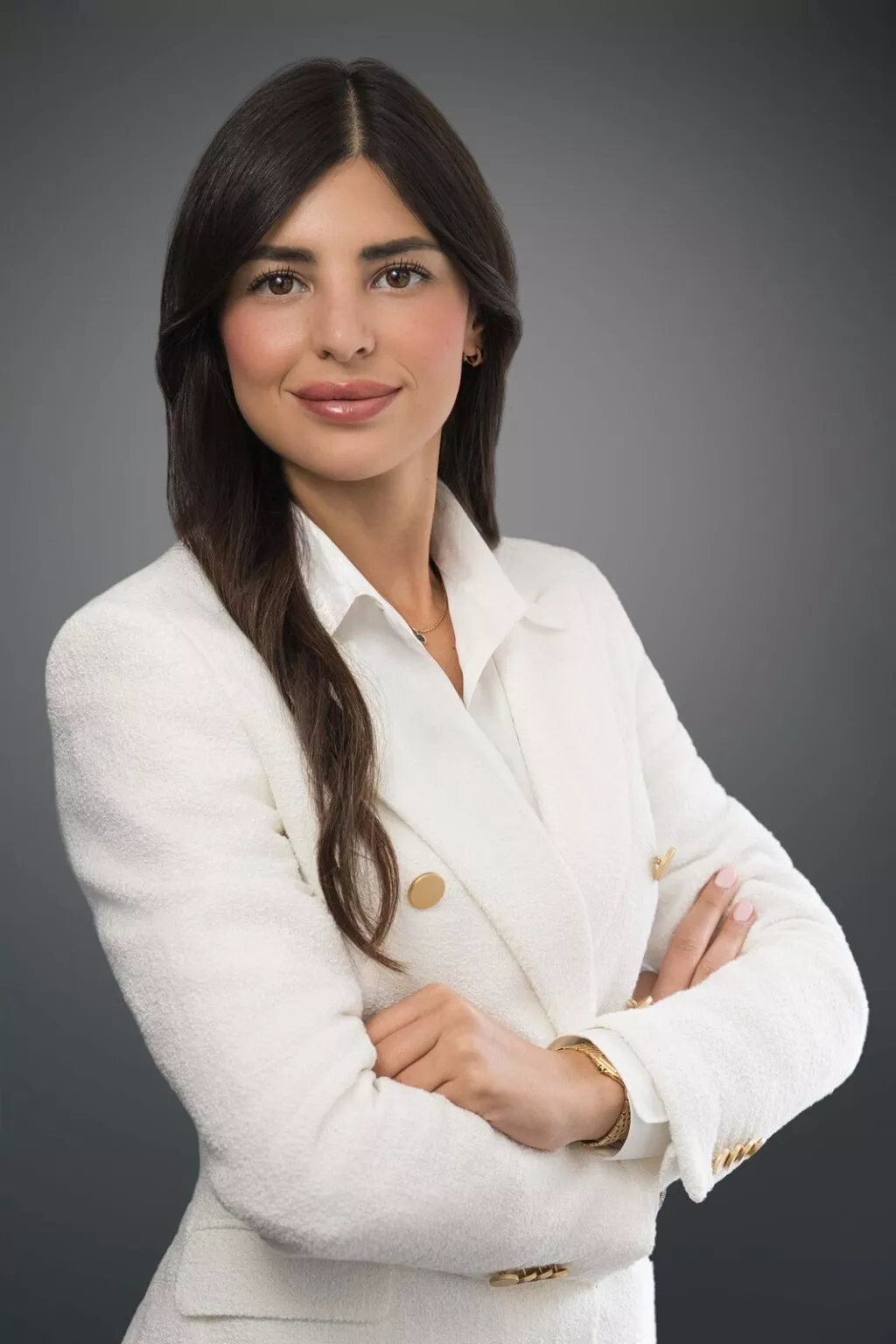


Most people do not notice when their professional headshot starts feeling outdated.
It happens slowly.
Your role changes. Your confidence changes. Maybe your hair is different. Maybe your face has matured a little. Maybe the version of you in the photo still looks fine, but it no longer feels like the person who walks into meetings today.
That is usually when it is time to update professional headshot images across LinkedIn, your company website, email signature, speaking bio, and any place people see you before they meet you.
A current headshot is not about vanity. It is about recognition and trust.
For professionals who use their image to build credibility, your headshot should feel like the person clients, colleagues, and decision-makers will actually meet. You can see examples of clean, current professional portraits on our corporate headshots page.
After 30+ years of being a photographer of professionals across Northern New Jersey and NYC, I have seen this pattern many times. People often wait until the photo feels obviously wrong. The better time to refresh it is when it quietly stops matching where you are now.
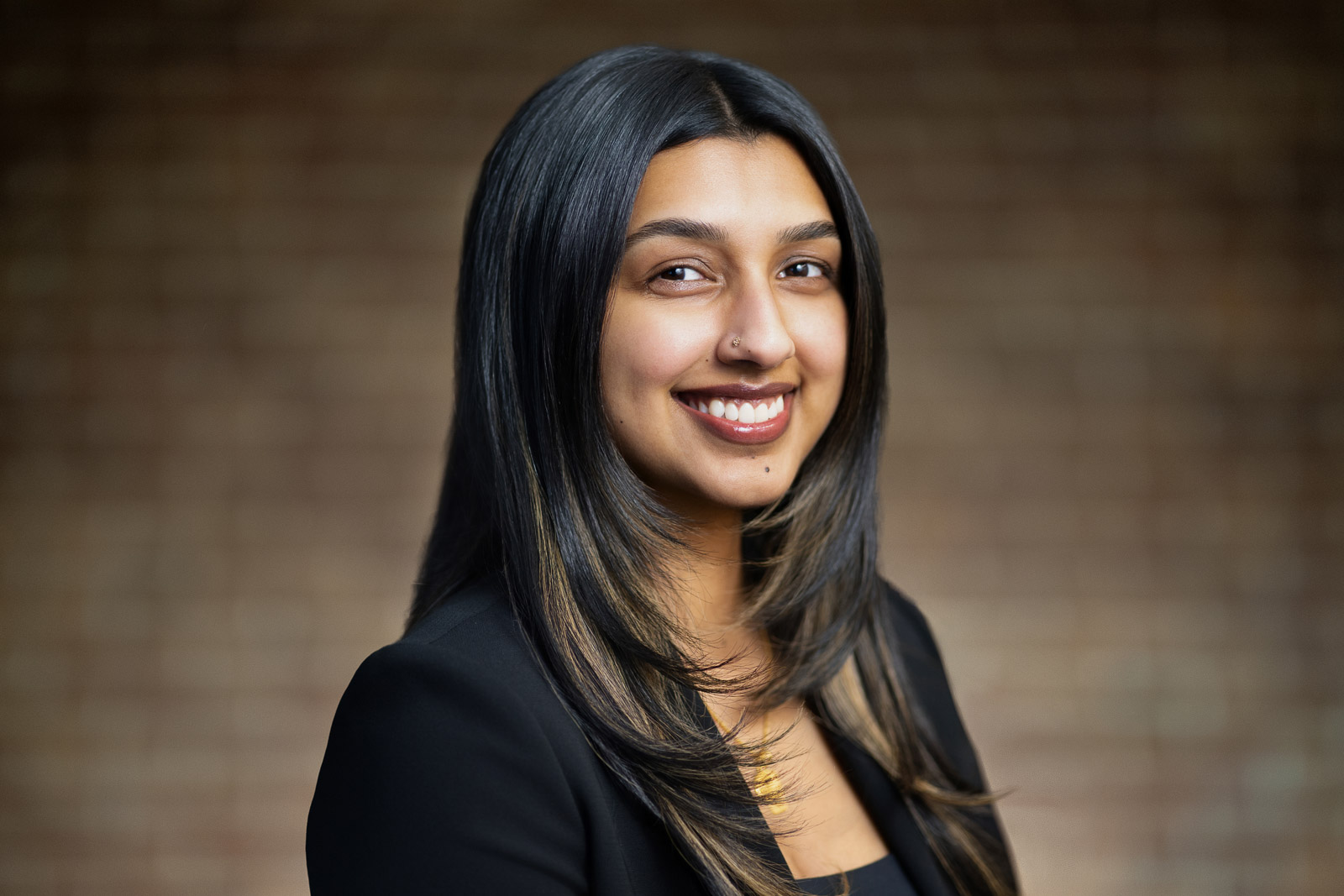
1. People No Longer Recognize You From the Photo
This is the most obvious sign.
Sometimes someone says, “You look different from your picture.” Sometimes they do not say anything, but you feel that small pause when they meet you.
That pause matters.
The pause usually lasts less than a second. Someone glances from your face to their mental image of your photo and back again, recalibrating. They recover quickly and move on. But the first impression has already landed slightly off-center.
A good headshot should remove that friction entirely. It should make people feel like they are meeting the same person they already saw online.
That does not mean you need to update your photo every time you get a haircut. But if your current image no longer feels recognizable, it may be working against you.
Outdated headshots can create a subtle disconnect before you ever speak. This is especially true for attorneys, executives, consultants, real estate professionals, physicians, and anyone whose work depends on trust.
2. Your Career Has Moved Forward
A headshot that worked five years ago may not fit the role you have today.
Maybe you were once building your resume and now you are leading a team. Maybe you were an associate and now you are partner-level. Maybe you started your business with a simple LinkedIn photo, but now your image appears on proposals, websites, speaking pages, and press features.
People who book sessions after significant career transitions often carry themselves differently than they did years earlier. Slower. More certain. Less eager to prove themselves.
Your headshot should grow with your career.
An executive headshot refresh is often less about changing your appearance and more about changing the message. The photo should feel calm, credible, experienced, and current.
You do not need to look overly serious. You do need to look like someone who belongs in the position you now hold.
3. Your LinkedIn Photo Feels Behind Everyone Else’s
LinkedIn has changed.
A decade ago, many professionals used stiff studio portraits, cropped event photos, or heavily retouched images. Today, the strongest LinkedIn photos tend to feel cleaner, more natural, and more human.
The older photos usually give themselves away before anyone studies them closely. The smile is held a beat too long. The crop feels tight in a way that reads as dated rather than intentional. The lighting sits flat against the face instead of moving with it. Sometimes the person looks technically polished but not fully present — like they were concentrating on staying still rather than actually being there.
For a deeper look at this, read how outdated headshots can undermine trust before you ever speak.
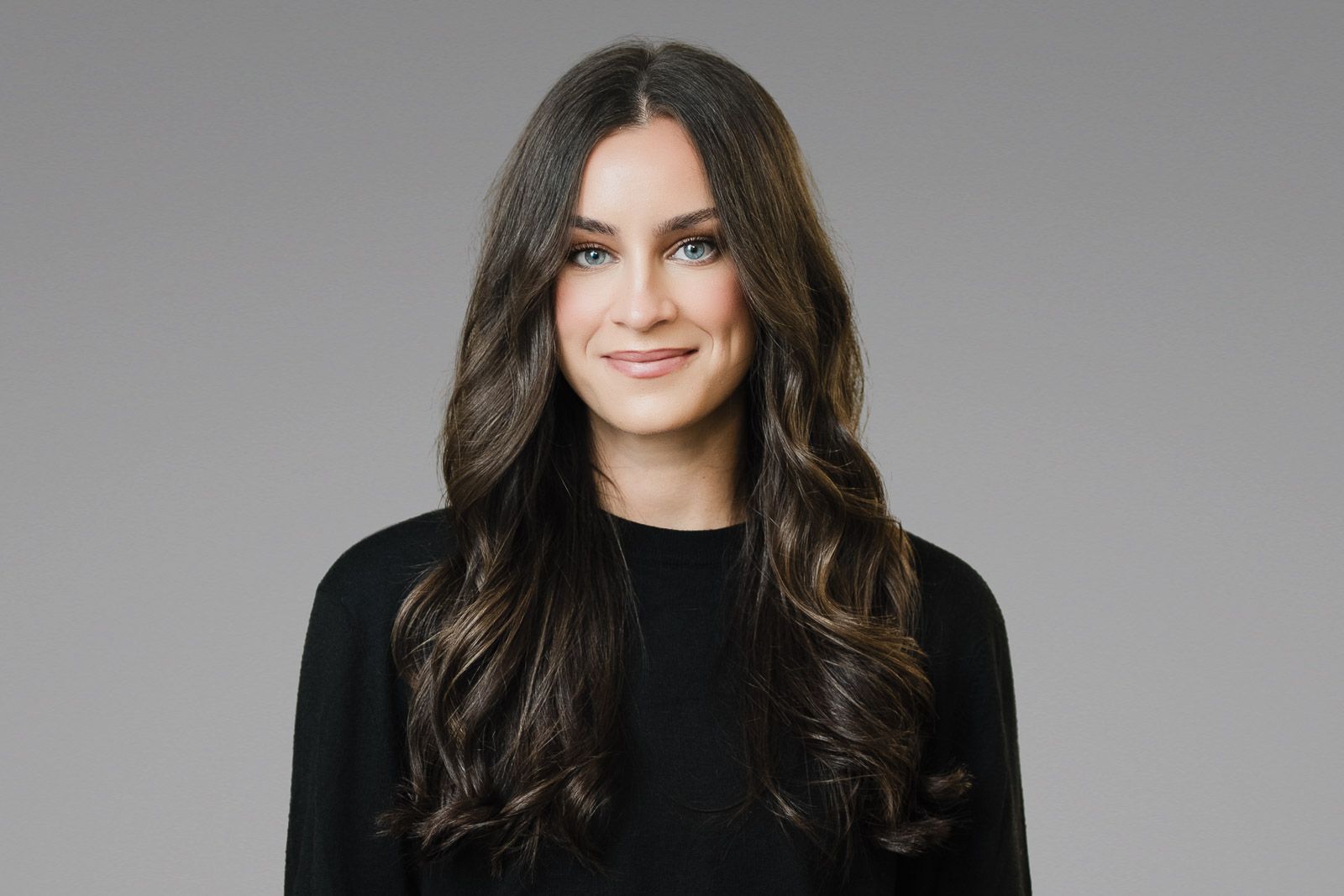
4. You Avoid Using Your Current Photo
This is one of the quieter signs.
You have a headshot, but you do not really like using it. You delay updating your bio. You avoid changing your LinkedIn profile. You send an older photo when someone asks because you do not feel confident in the current one.
That usually does not mean you are not photogenic.
It usually means the last photo did not feel like you.
Someone walks into the session already apologizing for being awkward. Then after a few minutes of direction, conversation, and small adjustments, their shoulders settle. Their expression stops looking rehearsed. The face becomes familiar again.
That is the photo people usually choose.
Professional branding photos should make it easier to show up, not harder.
5. Your Appearance Has Changed
How often should you update headshots?
For most professionals, every 2 to 4 years is a good guideline. Sooner if your appearance has changed noticeably or your career has shifted.
That could mean a new hairstyle, glasses, facial hair, weight change, or simply aging into a different version of yourself.
There is nothing wrong with that.
Some clients arrive quietly apologizing for not looking the way they used to. Then halfway through the session something shifts. They stop trying to recover an earlier version of themselves and start settling into the current one.
That is usually when the real photos start appearing.
The mistake is holding onto a younger version of yourself because it feels safer. A current photo usually builds more trust than a technically better photo that no longer feels accurate.
People do not need you to look perfect. They need you to look recognizable, confident, and real.
6. Your Brand Has Changed
Sometimes the problem is not that the photo is old.
It is that the brand is old.
A financial advisor may need a more polished image than they did early in their career. A therapist may need something warmer and calmer. A business owner may need photos that feel less corporate and more personal. A real estate agent may need images that feel approachable but still professional.
When people review their gallery proofs, the eliminations happen fast. The stiff ones go first. Then the performative ones — the photos where the expression is trying too hard to project something. What usually remains are the images where the person looks most like themselves: relaxed enough to be recognizable, composed enough to be credible.
That is why modern professional branding photos are not just about lighting and background. They are about alignment.
Your photo should match your current work, your audience, and the level of trust you are asking people to place in you.
7. You Are About to Become More Visible
Old headshots become a bigger problem when more people are seeing them.
That may happen before a promotion, website launch, conference, media feature, book release, company announcement, or hiring push.
If your image is about to appear in more places, update it before the visibility increases.
This is where many professionals wait too long. They refresh the website, rewrite the bio, update the brand colors, and leave the same photo from seven years ago.
People who book sessions right before major announcements sometimes look more anxious about the headshot than the promotion itself. They already know the visibility is changing, and they want the public-facing version of themselves to feel aligned before everyone starts looking.
The photo is part of the message.
A strong LinkedIn photo update or executive headshot refresh can make everything around it feel more current.
You can also see how subtle changes affect credibility in this LinkedIn headshot case study.
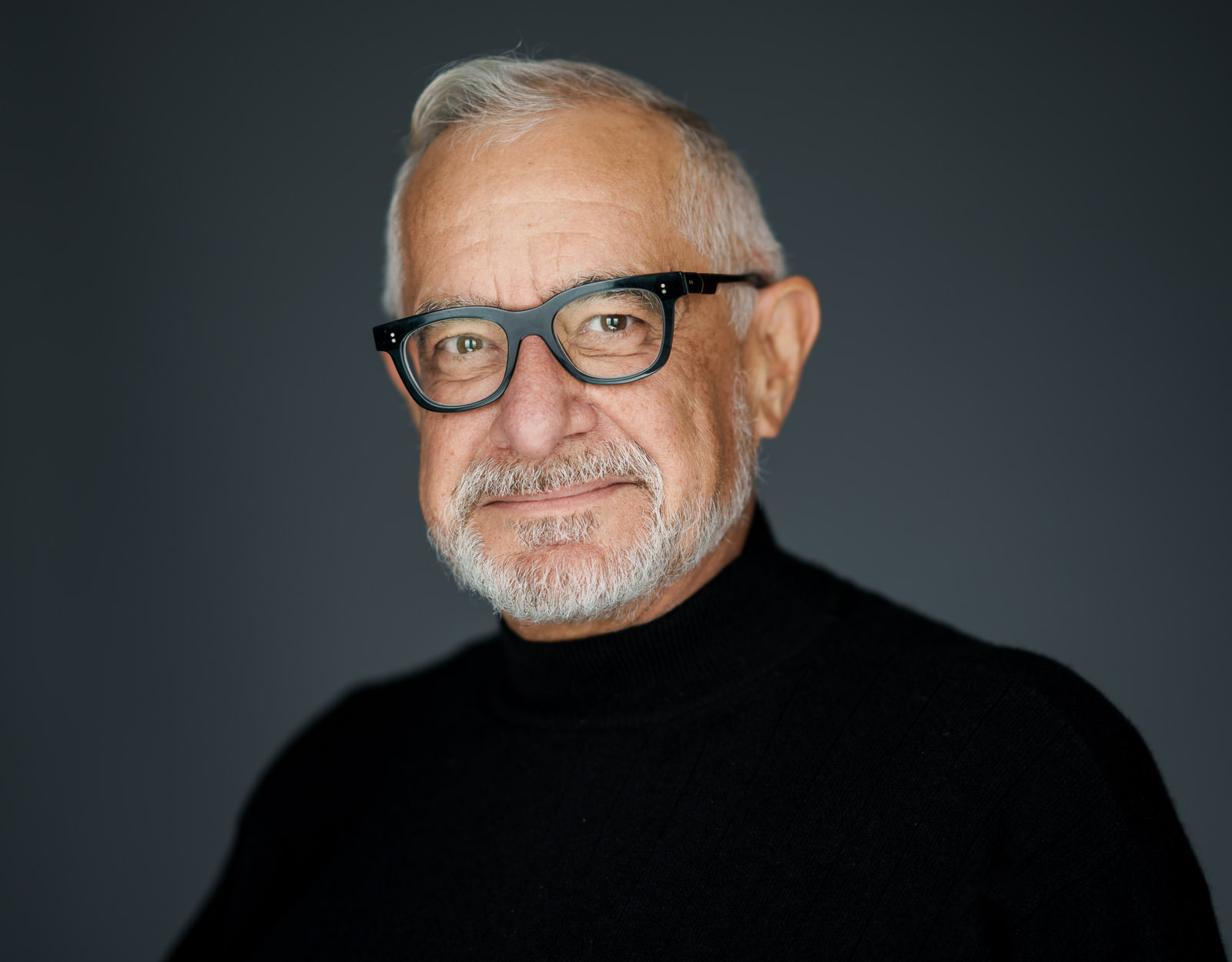
Are Old Headshots Bad for LinkedIn?
Old headshots are not automatically bad for LinkedIn. A three-year-old photo can still work if it looks like you, feels current, and matches your professional role. The problem starts when the photo feels outdated, overly edited, poorly cropped, or disconnected from the person people will meet today.
When Should Professionals Refresh Headshots?
Professionals should refresh headshots every 2 to 4 years, or sooner after a promotion, appearance change, rebrand, new website, speaking opportunity, or major career move. The best time to update your headshot is before the old one creates a disconnect.
A Current Headshot Helps People Trust What They See
The best headshots do not try to make someone look younger, louder, or more polished than they are.
They make the person look current.
That is the real value.
A good professional headshot helps people recognize you faster. It makes your online presence feel more aligned. It gives your LinkedIn profile, website bio, and professional branding a stronger first impression.
If your current photo still feels like you, keep using it.
But if you hesitate every time someone asks for a headshot, or if the image no longer matches the professional you are today, it may be time to refresh it.
For professionals in Northern New Jersey and NYC who want updated headshots that feel natural, confident, and current, you can reach out here:
Contact Alex Kaplan Photography
Alex Kaplan Photography
Professional Headshots and Branding Photography
📞 201-834-4999
📞 917-992-9097
Reply...


