


Your Headshot day should feel relaxed, joyful, and completely yours.
I’m Alex Kaplan, a Headshot Photographer and videographer based in New Milford, NJ, serving Northern.
Browse by Category:
headshots
view more

REQUEST INFORMATION
Want to feel like THIS on your Headshot day?
Availability is limited. Check Your Date Here



Actor and corporate headshots may look similar on the surface, but they are built to do completely different jobs. One is designed to create trust. The other is designed to create curiosity.
That difference changes everything about how the image feels when someone sees it for the first time.
Over the last 30+ years photographing professionals, actors, executives, and creatives throughout Northern New Jersey and NYC, I have noticed that people often try to combine both styles into one image. Usually, the result ends up weakening both.
An actor headshot that tries too hard to look corporate can lose personality. A corporate headshot that reaches for actor energy can start to feel performative. The strongest images are usually the ones that fully understand who they are speaking to.
If you are researching actor headshots vs corporate headshots, the real difference is not technical. It is emotional communication. Each image is answering a different question before anyone reads a résumé, LinkedIn profile, or casting submission.


For examples of how the entertainment industry separates commercial and theatrical looks, you can also see these examples of commercial vs theatrical actor headshots.
What’s the Difference Between Actor and Corporate Headshots?
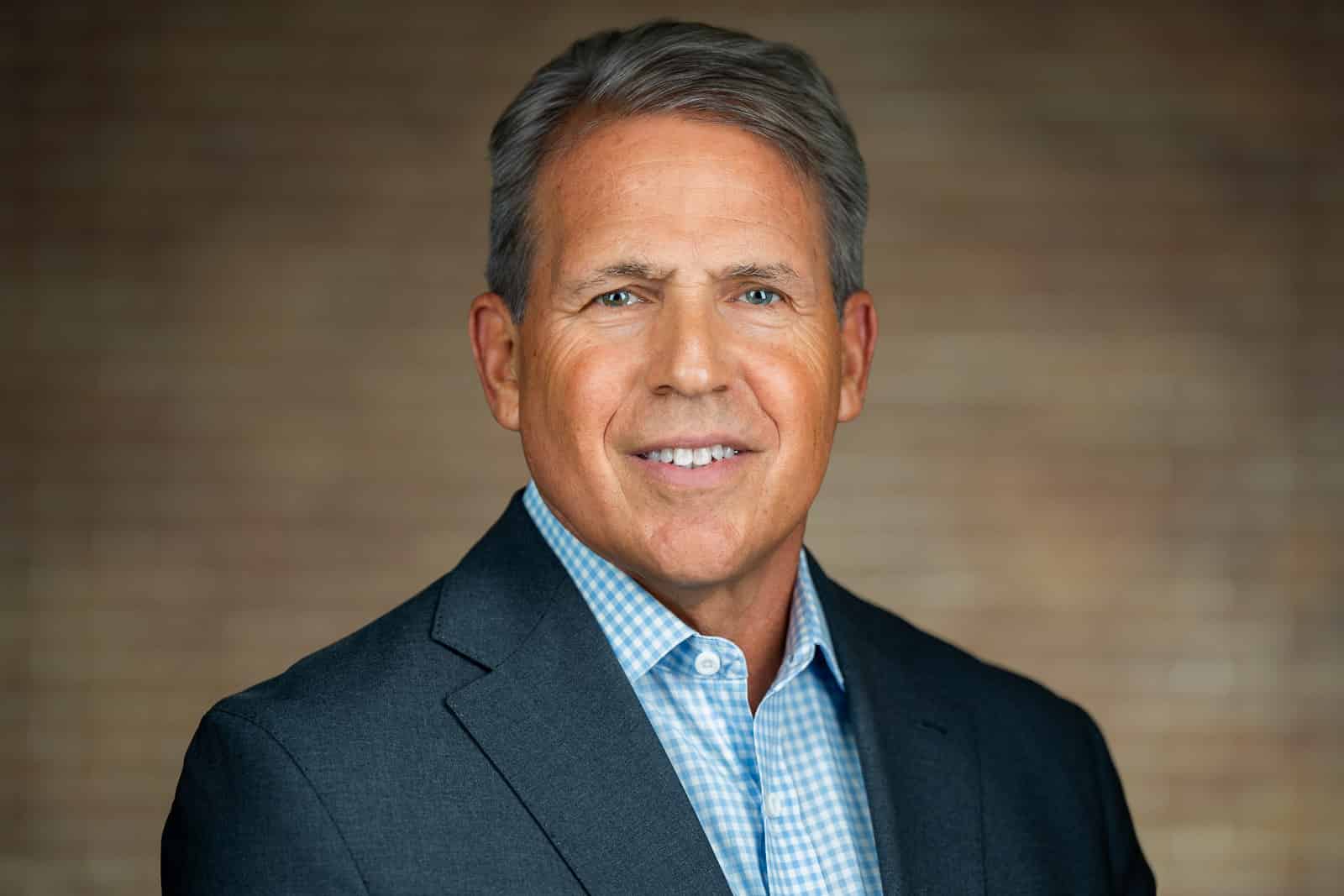
Actor headshots are designed to communicate personality, range, and castability. Corporate headshots are designed to communicate confidence, trustworthiness, professionalism, and approachability.
The difference is not just wardrobe or lighting. It is the emotional impression the viewer walks away with after looking at the image for two seconds.
The Image Is Answering a Different Question
A corporate headshot answers: Can I trust this person with my business? An actor headshot answers: Can this person become someone else?
Those are two completely different questions, and the camera sees the difference immediately.
When I photograph an attorney, physician, executive, or financial advisor, I am usually watching for the moment their expression settles into something calm and steady, the look they would naturally bring into a meeting with a client.
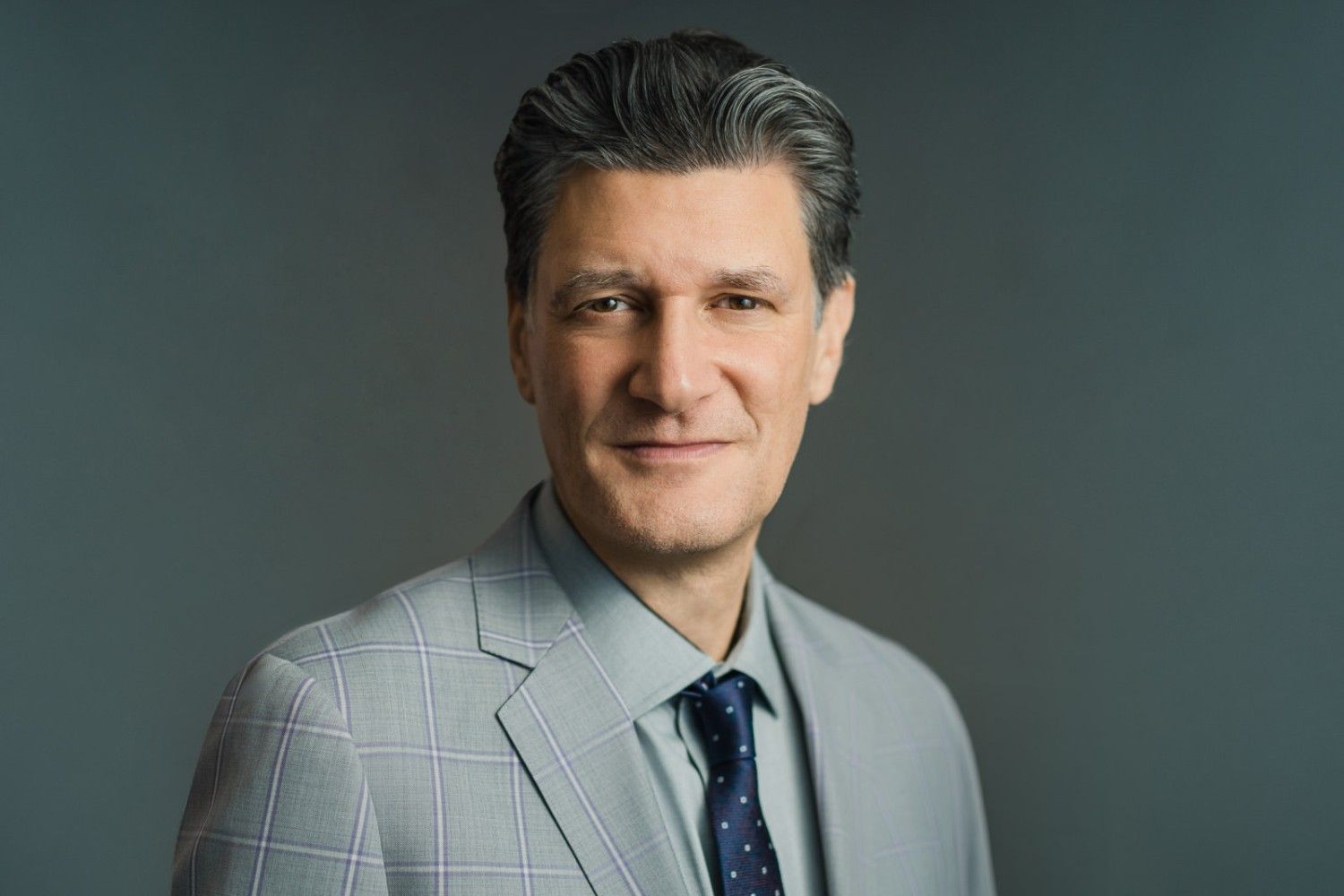
When I photograph an actor, I am often waiting for the opposite moment, the second they stop managing their expression and let something more natural through. The audience, expectations, and emotional goal are completely different.
For examples of professional business portraits, you can also see the corporate headshots portfolio.
Eye Contact Does Different Work
In executive headshots, direct eye contact usually signals confidence and reliability. It feels grounded because the image is trying to reassure the viewer before a conversation even starts.
With actors, eye contact becomes more interpretive. Sometimes direct. Sometimes softer. Sometimes slightly unresolved in a way that creates curiosity.
A strong actor headshot often feels like there is something happening beneath the surface. That emotional tension matters in casting because casting directors are not simply looking for professionalism. They are looking for possibility. According to SAG-AFTRA commercial audition guidance, strong commercial submissions should still feel authentic and believable rather than overly polished or artificial.

The Background Is Part of the Emotional Language
Corporate portraits usually benefit from simplicity: clean backgrounds, neutral tones, and minimal distractions. The background should support the person without competing for attention.
In actor sessions, the background can contribute more mood and personality. Slight texture, darker tones, environmental framing, or more cinematic contrast can all become part of the storytelling.
I have photographed actors and executives against the exact same gray backdrop and created images that felt completely different emotionally because expression, posture, framing, and energy changed the entire image. The backdrop was not the deciding factor. The emotional communication was.
Expression Range vs Expression Control
One of the clearest differences between professional actor headshots and corporate work is how much emotional range we are trying to create during the session.
For corporate clients, the goal is usually consistency: confident, approachable, credible. Once we land on the right emotional tone, we refine it.
Actor sessions work differently. A commercial look may need warmth and likability. A theatrical look may need emotional depth, tension, or introspection. The session becomes less about finding one polished identity and more about discovering multiple believable versions of the same person.
That range is often what gets actors called back.
You can also see more examples in this guide on actor headshots that get you cast.
What You Wear Is Already Telling a Story
Before someone studies your expression, they are already reacting to wardrobe choices.
A corporate client wearing the same blazer or suit they would wear to an important meeting usually makes sense because the image should feel connected to their real professional environment.
Actors approach clothing differently. Wardrobe becomes part of the casting language. A fitted black shirt, soft layers, structured jacket, denim, or muted tones all subtly suggest different character energy before a casting director consciously processes any of it.
That is why actor sessions usually involve more wardrobe variation. The image is not just documenting the person. It is helping position them.

The Audience Arrives With Expectations Already Formed
A headshot never exists by itself. People see it inside a specific environment, such as a LinkedIn profile, a law firm website, a company leadership page, or a casting submission.
Each audience arrives with expectations before they even click.
Corporate audiences are usually looking for consistency, professionalism, warmth, and stability. They are not looking to be surprised emotionally. Casting directors are filtering differently. They are often scanning quickly for specificity, emotional tone, and memorability.
The threshold for “standing out” changes depending on the industry. So does the definition of approachable.
Approachable Means Something Different in Each Industry
Both industries want approachable images. But approachable does not mean the same thing in every profession.
For an attorney, physician, consultant, or executive, approachable often means calm, composed, and reassuring. There is warmth there, but the face stays composed. You are not watching someone perform approachability. You are watching someone who has learned to project it without effort.
For actors, approachable can feel more emotionally open. More expressive. Sometimes slightly unpredictable in a way that creates intrigue instead of discomfort.
That difference is subtle, but people feel it immediately.
After photographing professionals across both industries for more than 30 years throughout Northern New Jersey and NYC, the biggest advice I would give anyone is this: do not try to split the difference.
Build each image intentionally for the audience that will actually see it. An actor headshot that feels too corporate can lose emotional depth. A corporate headshot that feels overly theatrical can weaken trust. The strongest headshots usually become successful because they know exactly what they are trying to communicate.
Can One Headshot Work for Both?
The short answer is usually no.
A commercial actor headshot can sometimes overlap with modern personal branding because both may lean warm, open, and conversational. But a true corporate headshot and a true theatrical headshot are trying to create different reactions from different people.
If someone works in both worlds, I would rather build two clean images than one compromised one. One image can speak to casting. The other can speak to clients, employers, or colleagues. Trying to make one photo do both usually leaves it caught in the middle.
Why the Separation Matters More Than Most People Expect
You can usually feel the mismatch before you can explain it.
An actor using a corporate-style headshot in a casting submission may look polished, but there is often not enough emotional information in the face. The image feels safe when it needed to feel specific.
An executive using an actor-style image on a company website can create the opposite problem. The photo may have personality, but the expression may feel too performative for the setting. On a law firm page, a consulting website, or a leadership bio, that small shift can change how much trust the image creates.
That is why this separation matters. The right headshot is not just a flattering picture. It is a picture that understands where it will be seen and what the viewer needs to feel.
If you are in Northern New Jersey or NYC and trying to decide which type of session makes the most sense for your career goals, I am always happy to point people in the right direction, even if you are still early in the process.
Call 917-992-9097 or 201-834-4999, or reach out here to start the conversation.
Reply...


