


Your Headshot day should feel relaxed, joyful, and completely yours.
I’m Alex Kaplan, a Headshot Photographer and videographer based in New Milford, NJ, serving Northern.
Browse by Category:
headshots
view more

REQUEST INFORMATION
Want to feel like THIS on your Headshot day?
Availability is limited. Check Your Date Here
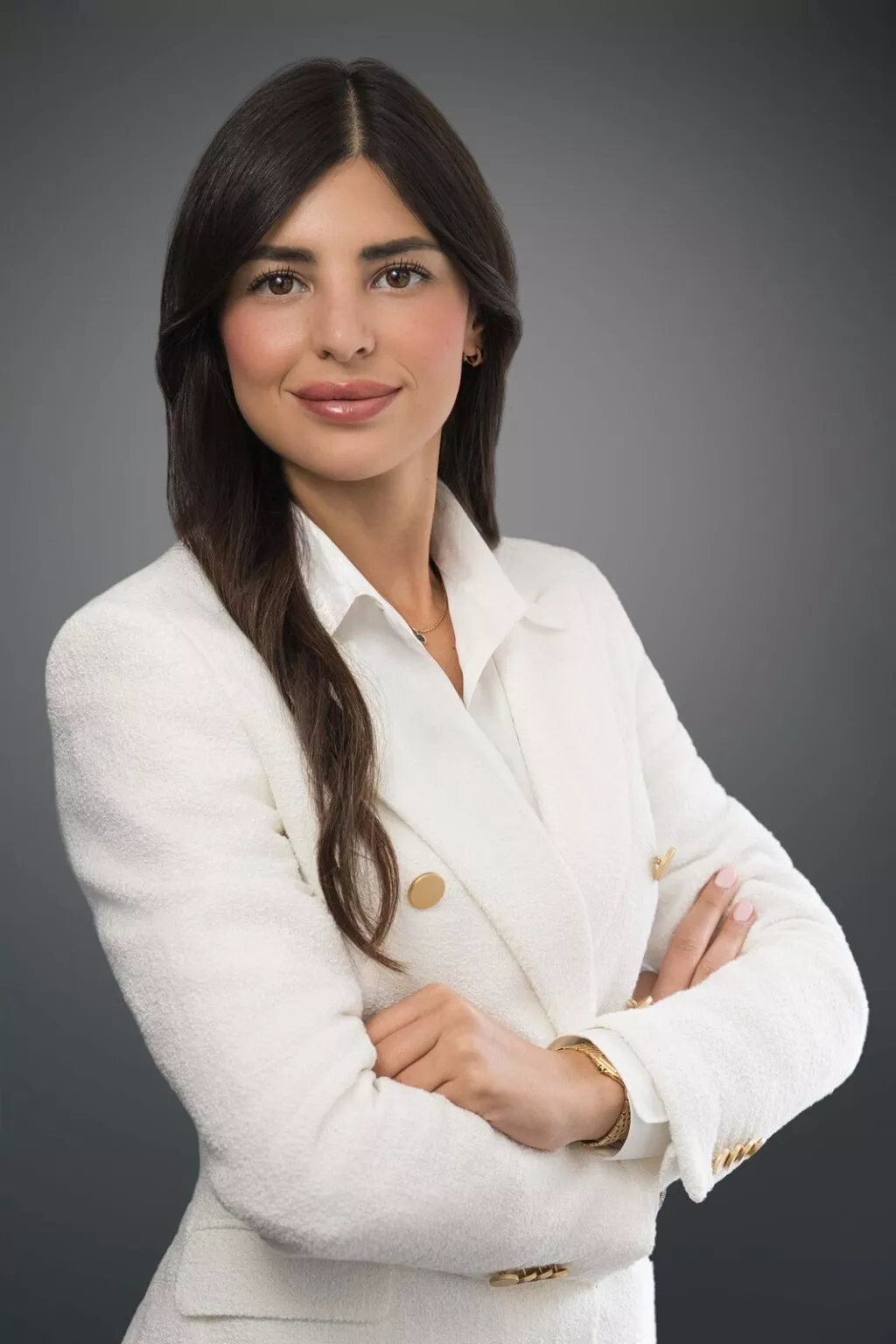

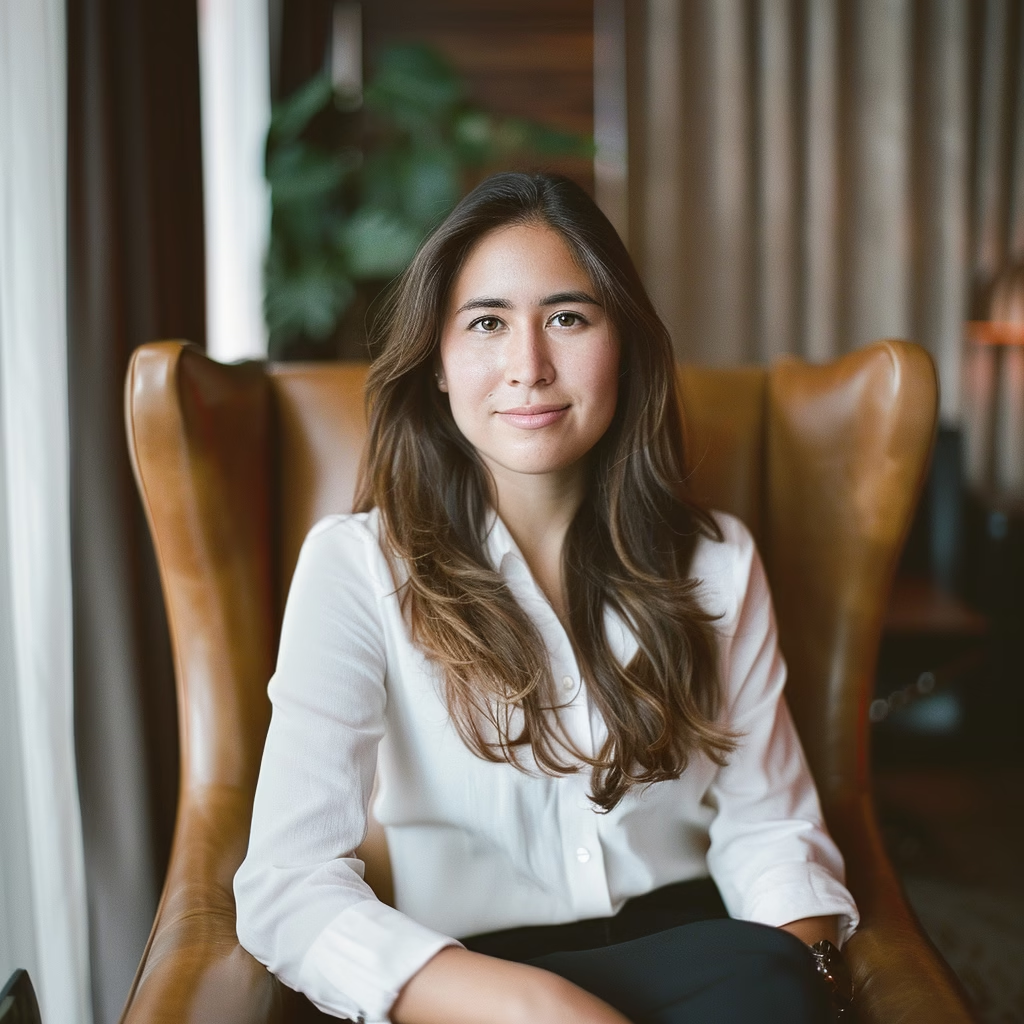
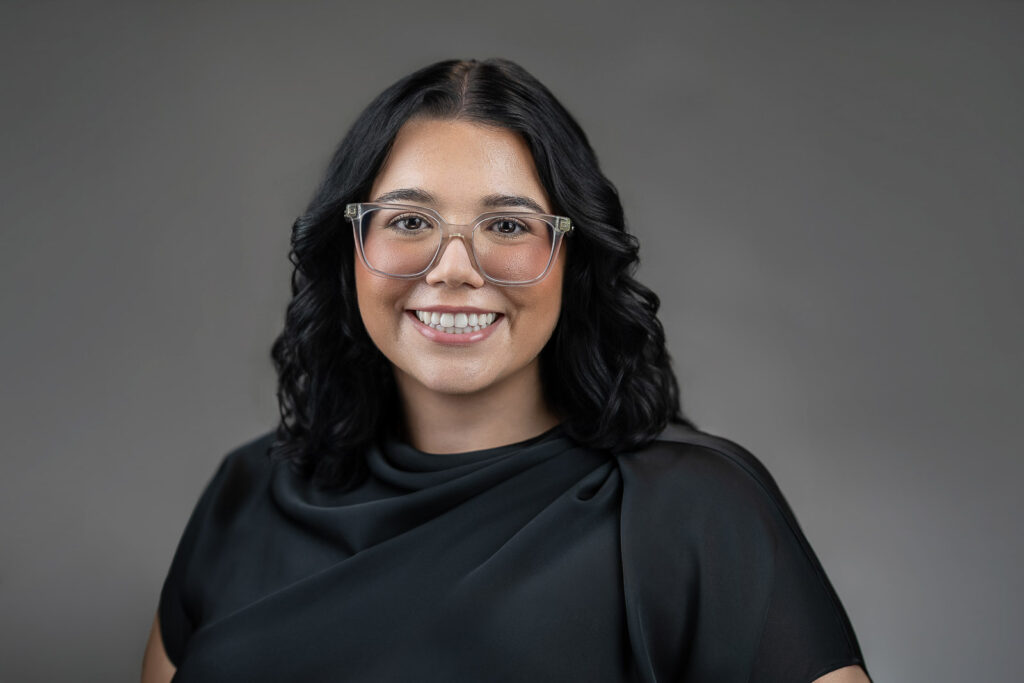
Every summer the same question arrives before the wardrobe question, before the scheduling question, sometimes before hello: should you smile in your ERAS headshot?
It is a fair thing to be uncertain about. You are handing a program director one photograph that sits beside your scores for months, and nobody wants to read as too casual or too severe.
After 30 years photographing professionals across Northern New Jersey, my answer is short. Yes, you can smile. What matters is not the size of the smile but whether it looks like it belongs to you.
Should You Smile in Your ERAS Headshot?
Yes. The AAMC sets no requirement about expression, so a natural smile is a legitimate choice. The real decision is not smile versus no smile. It is choosing an expression that reads as confident, competent, and approachable at a glance, because that is all the time your photo gets.
Applicants tend to frame this as a rule they are about to break. The AAMC photo guidance sets no expression rule, though it does tell you to check each program’s own requirements. Past that, you have a photograph that either looks like a capable person, or like one told to hold still.
If you want the wider context around requirements, timing, and preparation, my complete guide to ERAS headshots covers the full application picture.
What Should Your ERAS Headshot Expression Communicate?
Your face is doing a specific job in a residency application headshot, and it is narrower than most applicants assume.
It needs to say you are competent, steady under pressure, and someone a patient would feel comfortable with. Warmth is not decoration here. In medicine, approachability is a clinical asset.
It does not need to say you are impressive. Your file already argues that. The photo only has to avoid contradicting it.
That balance of credibility and warmth is the standard I hold for every session on my professional medical headshots in NYC and New Jersey page, whether the person in front of me is applying to residency or twenty years into practice.
Natural Smile vs. Forced Smile: Why the Difference Matters
Here is the part nobody explains to applicants, and it is the whole reason ERAS photo expression goes wrong.
A real smile and a performed smile use different muscles. A genuine one engages the eyes: the outer corners narrow slightly, the cheeks lift, and the whole face moves together. A held smile is mouth-only, and the eyes stay wide and flat while the jaw quietly locks.
Most people cannot name that difference. They register it as tension, without being able to say why.
What a Forced ERAS Headshot Smile Actually Looks Like
Tension collects in predictable places. The jaw sets. The shoulders creep up. The eyebrows lift a fraction to compensate for eyes that are not participating.
The result is not an unprofessional photo. It is a photo of someone under mild strain, which is precisely the impression a residency applicant does not need to give.

Do You Need to Look Serious in a Residency Headshot?
No. The belief that professional means unsmiling is the single most common misread I encounter, and it produces the stiffest photographs I take.
Seriousness and competence are not the same signal. A neutral, closed-mouth expression can be excellent when it is genuinely relaxed, and it suits some faces better than a broad smile does. It becomes a problem only when chosen out of caution rather than fit.
If a closed-mouth expression is where you naturally rest, use it. If you are choosing it because you fear a smile will cost you something, you are solving for a risk no guidance supports.
How to Look Confident and Approachable in Your ERAS Photo
Confidence in a photograph is mostly physical, and the adjustments are small.
Weight settles evenly. Shoulders drop and roll back. The chin comes forward and down a fraction, which sounds wrong and looks right. Eyes stay on the lens rather than drifting past it.
Then the expression is allowed to arrive instead of being summoned. That last part is where most self-taken attempts fall apart.
One Habit That Fixes Most ERAS Headshot Expressions
Reset between frames. Let the face fall completely slack, breathe out, and then look back at the lens.
A held expression degrades within seconds. A fresh one has no time to. This habit does more for an ERAS headshot smile than any mirror practice, and it is the first thing I teach in the room. You will find more preparation guidance in my ERAS headshot tips for residency applicants.
How Professional Headshot Direction Helps Create a Natural Expression
Nobody should walk in already knowing how to do this. Expecting it of yourself is like expecting to suture well because you have watched it done.
My job is to remove that burden. I watch for the specific places tension shows up on your face, then give you one small correction at a time rather than a list to remember. It is the same low-pressure approach I describe on my about page, and it has not changed in 30 years.
Often the change that works is not an instruction about posture. It is a question about the specialty you are applying into, asked as the shutter is about to fire, because someone talking about what they want has stopped performing.

Your ERAS Headshot Should Still Look Like You
There is a version of retouching that quietly erases the person. Skin goes plastic, the under-eye area goes blank, and the face stops belonging to anyone.
That is a real risk in a professional ERAS headshot, because you will walk into an interview and someone will compare the two. Recognition is the point.
Good retouching removes the temporary and leaves the permanent. A blemish from a call week goes. The line beside your mouth when you smile stays, because it is part of what makes the smile read as real.
Frequently Asked Questions
Should I smile with teeth in my ERAS headshot?
Yes, if that expression feels natural and professional. There isn’t one universally correct type of smile; the goal is an authentic expression that presents you confidently.
Is a serious expression better for an ERAS photo?
Not necessarily. Professionalism doesn’t require looking stern. A natural smile or relaxed expression can communicate both confidence and approachability.
How can I avoid looking stiff in my ERAS headshot?
Good photographer direction helps. Small adjustments to posture, facial tension, eye contact, and expression can make a headshot feel much more natural.
Get a Professional ERAS Headshot in New Jersey
If you are a medical student or residency applicant in Northern New Jersey preparing your ERAS photo, you do not need to arrive knowing how to smile on cue. That is my part.
My studio is in New Milford, in Bergen County, an easy drive from Hackensack and reachable from across the region. You will leave with an image that looks like you on a good day, formatted and ready to upload.
Book your ERAS headshot session and let’s get it handled well before your deadline.
Reply...


