


Your Headshot day should feel relaxed, joyful, and completely yours.
I’m Alex Kaplan, a Headshot Photographer and videographer based in New Milford, NJ, serving Northern.
Browse by Category:
headshots
view more

REQUEST INFORMATION
Want to feel like THIS on your Headshot day?
Availability is limited. Check Your Date Here
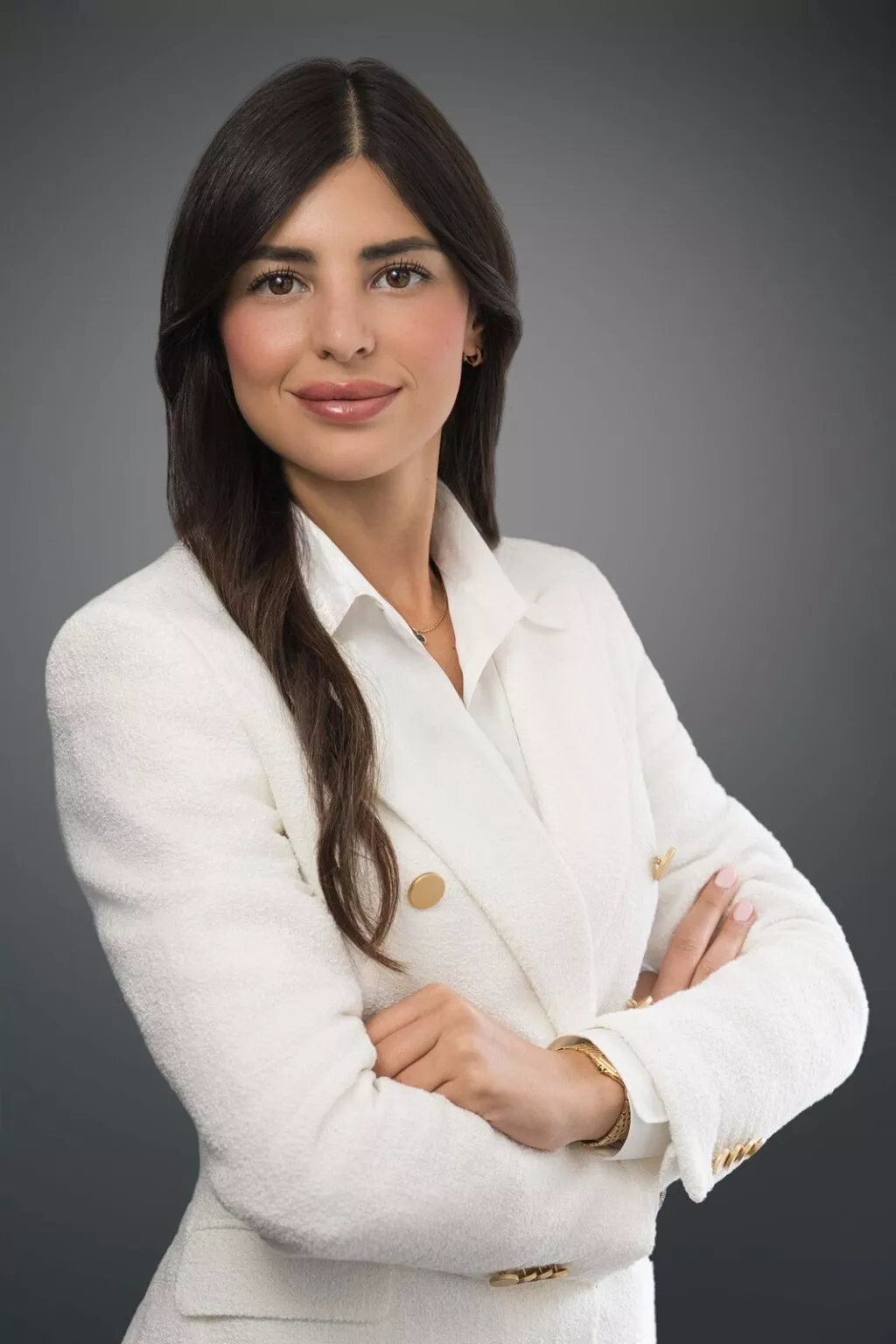

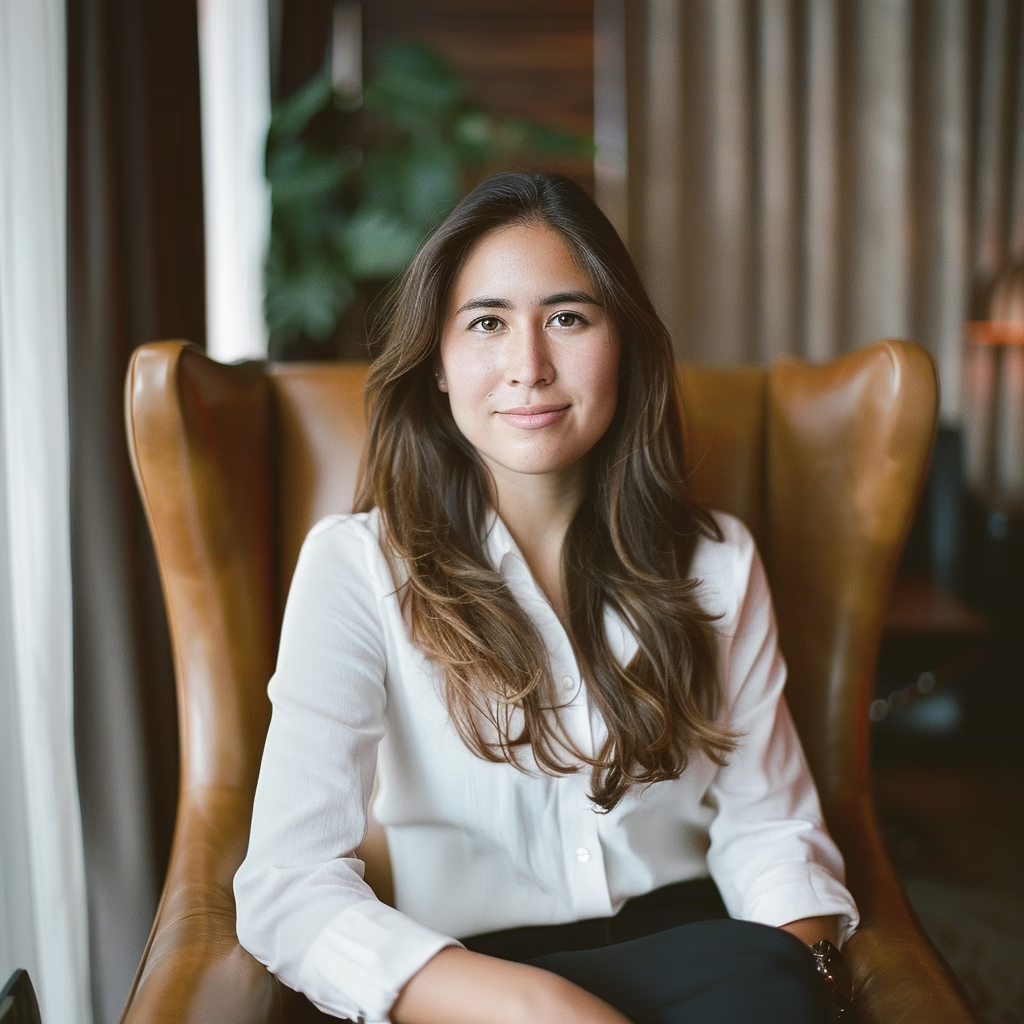
Quick Answer: A professional headshot matters because people often judge credibility before they read your bio, resume, or website copy. On LinkedIn, company websites, speaker pages, and media profiles, your photo helps decide whether you look current, trustworthy, approachable, and ready for the level of opportunity you want.
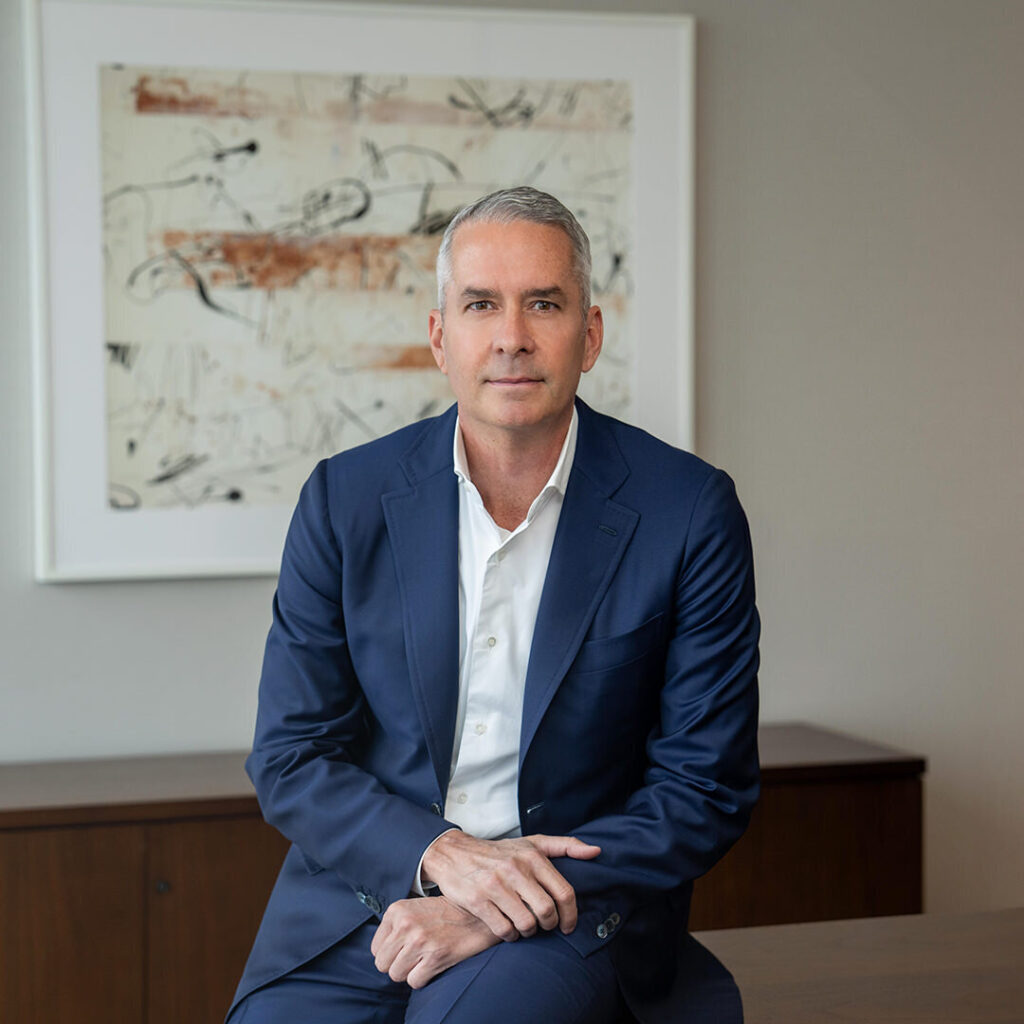
A financial services executive in Bergen County once booked a session after losing a client she had spent six months trying to close.
She had done the follow-up work. She reviewed the meetings, the proposal, the emails, the timing. Then she noticed something small but uncomfortable. Everyone else who made the final round had clean, current photos on their firm’s website and LinkedIn profile.
Her photo was from a conference two years earlier. She was mid-laugh, looking off frame. It was a good photo of someone enjoying an event.
It was not a photo of a financial services executive.
That is not an unusual problem. It is just an unusually honest way to describe it.
Professional headshots matter because business first impressions often happen before the handshake, before the meeting, and before anyone reads a single credential. They happen when someone searches your name. Whether your photo says the right thing in that moment is worth thinking about carefully.
You can see how a full session works on our professional headshots page.
Why First Impressions Happen Before You Say a Word
In person, people get more than your face. They hear your voice. They notice how you carry yourself. They pick up on things they cannot name.
Online, most of that disappears. There is your name, your title, and your photo.
What I have watched, over hundreds of sessions across Northern NJ and the New York City area, is what happens when the photo does not match the person. The profile gets passed over before the bio is read. The connection request sits unanswered. The speaking opportunity goes to someone whose image feels more current. Nobody announces the reason. It just happens, quickly, below the level of conscious decision-making, which is exactly what makes it hard to catch.
The professionals who come back and tell me about it afterward almost never describe a single dramatic moment. They describe a general shift: more responses, more callbacks, the sense that people are meeting them where they actually are instead of adjusting to a version of them that stopped being accurate two years ago.
Professional Headshot Statistics That Actually Matter
The numbers are useful, but only if they explain real behavior.
According to LinkedIn’s own published business resources, profiles with a professional photo can receive up to 21 times more profile views and up to 36 times more messages than profiles without one. LinkedIn specifically recommends a professional, approachable headshot as one of the most important elements of a complete profile.
These are the statistics and business realities worth paying attention to:
- LinkedIn profiles with a professional photo receive up to 21 times more profile views and 36 times more messages, according to LinkedIn’s own data.
- Eye-tracking research on hiring behavior shows recruiters spend an average of seven seconds scanning a profile before forming an initial impression, and the photo is typically where the eye lands first.
- Studies on perceived competence show that a polished headshot raises trust ratings significantly compared to a casual or low-quality photo, even when every other profile detail is identical.
- Company team pages with consistent professional photography are rated as more credible and organized by prospective clients than pages with mismatched or outdated images.
- Executives with current, consistent headshots across LinkedIn, websites, and speaker bios are perceived as more intentional and more authoritative by both media and potential partners.
- Sales and business development professionals with professional photos consistently report higher connection acceptance rates and more inbound inquiries than those with outdated or absent images.
- Independent hiring surveys show that more than 70 percent of hiring managers say a professional, well-composed headshot positively shapes their initial impression of a candidate, before reading a single line of the resume.
Every one of these points in the same direction: the image precedes the person. If you want to see specifically how this plays out on LinkedIn, the patterns behind LinkedIn headshot mistakes that quietly hurt trust are worth reading before your next update.
What Separates a Professional Headshot from a Good Photo

A good photo can be technically clean, even flattering, and still not work as a professional headshot. The difference is not resolution. It is direction.
Lighting comes first. Controlled studio light, or well-positioned natural light like the window light in the image above, gives a face structure it does not get from ambient room illumination. You can see it in the catchlights in the eyes, the way the face separates cleanly from the background, the way attention travels naturally to the expression rather than getting lost in the frame. That is not an accident. It is a decision made before the first frame is taken.
Expression is harder to manage and more important than most people expect. The expression I am looking for is not the biggest smile. It is the moment after the smile settles, when the face relaxes and something real is still there. I can see that frame on the back of the camera. The person being photographed cannot. That gap between what they feel they are doing and what is actually registering is a large part of what the session is for.
Wardrobe either pulls attention toward the face or away from it. The people who photograph best are usually wearing something familiar: a jacket they wear when they need to be taken seriously, a blazer they associate with a room where things got decided. There is a posture that comes with familiar clothes. It is not something you can instruct. It just appears, and when it does, the image changes.
What Actually Changes During a Real Session
Most people arrive a little stiff. That is completely normal.
By 20 minutes in, something shifts. The jaw unclenches. The shoulders drop half an inch. The jacket stops looking like a costume and starts looking like clothing. The person stops trying to make the right face and starts reacting to direction instead.
That is when the strongest images happen.
After more than 30 years photographing professionals, executives, and business teams, with more than 645 five-star Google reviews, the sessions that stay with me are not the ones where someone walked in comfortable in front of a camera. They are the ones where someone saw the first strong frame on the back of the camera and said some version of: I did not know I could look like that.
You can browse recent professional headshot examples to see what that looks like across different industries and professional backgrounds.
Professional Headshots vs. Smartphone Photos

A phone photo is not automatically bad. The problem is usually subtler than that.
The image is in focus. The exposure is reasonable. The person looks fine. But when you place it next to a professionally directed headshot, something becomes visible that is hard to unsee.
The phone photo catches the person between expressions. The eyes are not fully engaged because there was no one telling them where to look. The light is flat because there was no one shaping it. The angle is slightly off because the crop was a default, not a decision. The background was whatever was available, not whatever would serve the person.
More than any of that: the person in the phone photo looks like they know they are being photographed but are not sure what to do about it. There is a quality of mild uncertainty in the frame. It is not unpleasant. It is just present.
The person in a well-directed professional headshot looks settled. The eyes are focused on something specific. The expression arrived because someone called it, not because the timer went off. That quality does not come from better hardware. It comes from the conversation happening between the photographer and the person in front of the lens.
The same gap exists with AI-generated headshots, which have become a common alternative people consider. If you are weighing that option, how AI headshots compare to professional photography is worth reading before you decide.
For LinkedIn, company websites, speaking profiles, and media kits across Northern NJ and New York City, that distinction matters more than people expect until they see both images side by side.
Why Businesses Invest in Team Headshots
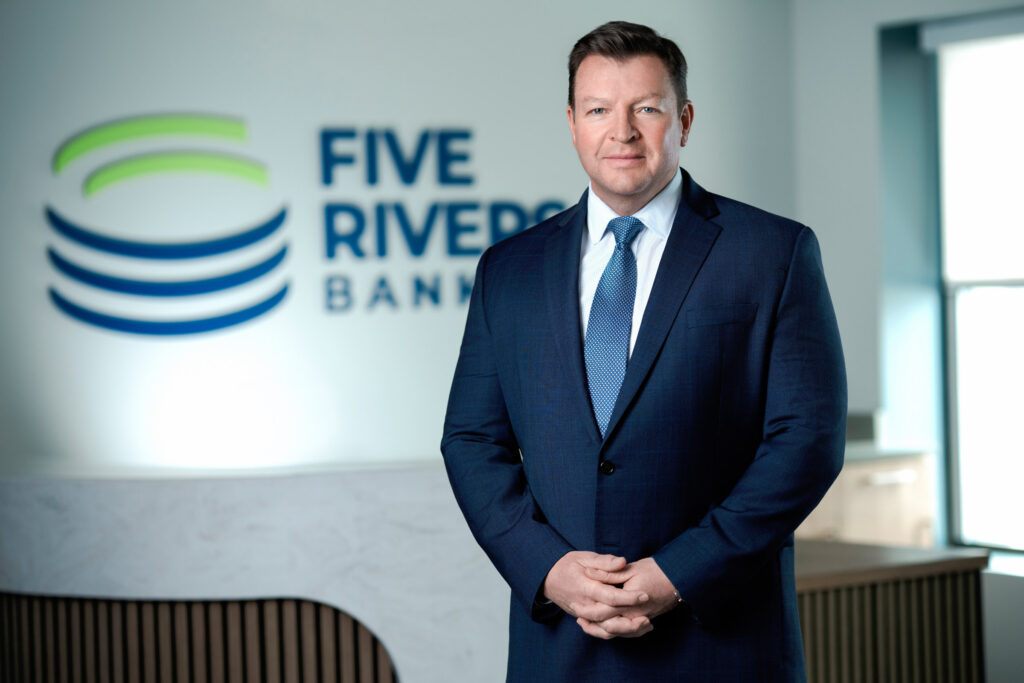
When a company books a team headshot session, the individual photos are only part of what they are investing in.
What they are really addressing is what the company looks like as a whole.
Land on a team page where the photos are mismatched: one person cropped tightly, another from the shoulders up with a blown-out background, a third clearly from a company event three years ago. Some are lit well. Some are not. The styles do not agree with each other. Nobody designed that page to send a message, but it sends one anyway: this organization does not pay close attention to how it presents itself.
A cohesive team page sends the opposite signal. In financial services, law, medicine, and professional consulting, the people on the website are part of what is being sold. Consistency in how they are presented is part of how trust is established before the first call.
I have photographed teams for small Bergen County firms and New York City organizations, and the reaction when clients see the final set together is almost always the same. They did not realize how much the old photos were weighing the page down until they saw what a consistent session looked like. You can see the full process and results in the Five Rivers Bank team headshot case study.
Book Professional Headshots in Northern NJ and NYC
If your current photo no longer represents how you want to be seen, it may be time to update it.
That does not mean something stiff or overly formal. The sessions I run are calm and straightforward. The images are built around who you are, not a template of what a headshot is supposed to look like.
I photograph professionals, executives, and business teams throughout Northern New Jersey, Bergen County, and New York City. If you want to learn more about my background and how I work before reaching out, the about page covers both.
Call or text 917-992-9097 or 201-834-4999, or reach out through the contact page to ask a question or schedule a session.
Questions About Professional Headshots
Are professional headshots worth it?
Yes. A professional headshot is often the first thing a potential client, recruiter, employer, or business contact sees. It communicates credibility, confidence, and approachability before the conversation begins. For most professionals, it is one of the highest-return investments they can make in how they present themselves online.
Do professional headshots help on LinkedIn?
Yes. According to LinkedIn’s own published data, profiles with professional photos receive up to 21 times more profile views and up to 36 times more messages than those without. LinkedIn specifically recommends a professional, approachable image as a core part of a complete profile.
How often should you update a professional headshot?
Most professionals should update every two to three years, or sooner if their appearance, role, or professional positioning has changed. A headshot should look like the person someone is actually going to meet.
What should I wear for a business headshot?
Wear something you would feel confident wearing to an important meeting. Solid colors photograph cleanest. Avoid busy patterns, large logos, and anything that pulls attention away from your face.
Can a professional headshot improve credibility?
Yes. A strong, current headshot makes a profile, website, or team page feel more trustworthy and more intentional. It will not replace experience or expertise, but it removes the friction that causes people to hesitate before taking the next step.


