


Your Headshot day should feel relaxed, joyful, and completely yours.
I’m Alex Kaplan, a Headshot Photographer and videographer based in New Milford, NJ, serving Northern.
Browse by Category:
headshots
view more

REQUEST INFORMATION
Want to feel like THIS on your Headshot day?
Availability is limited. Check Your Date Here
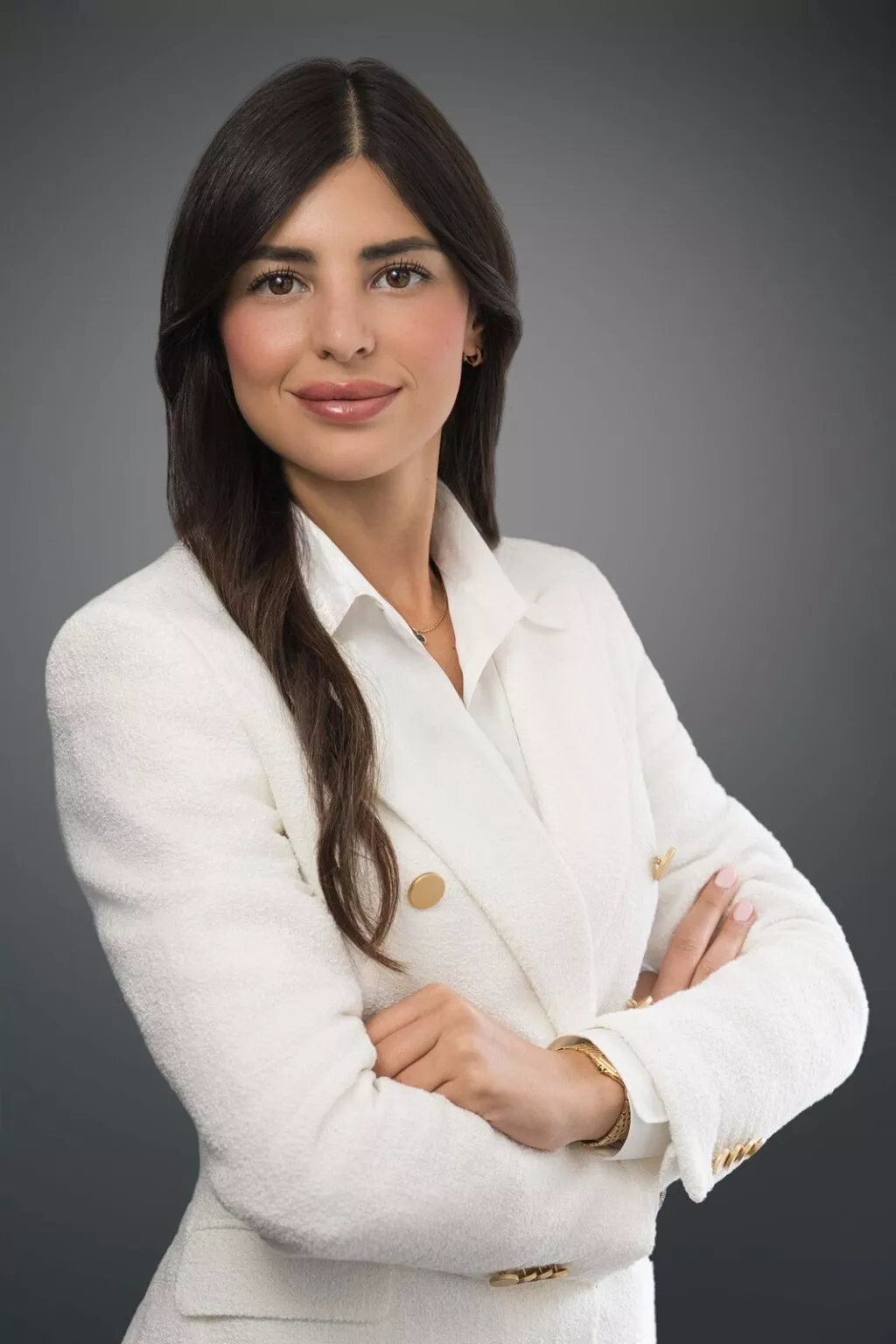

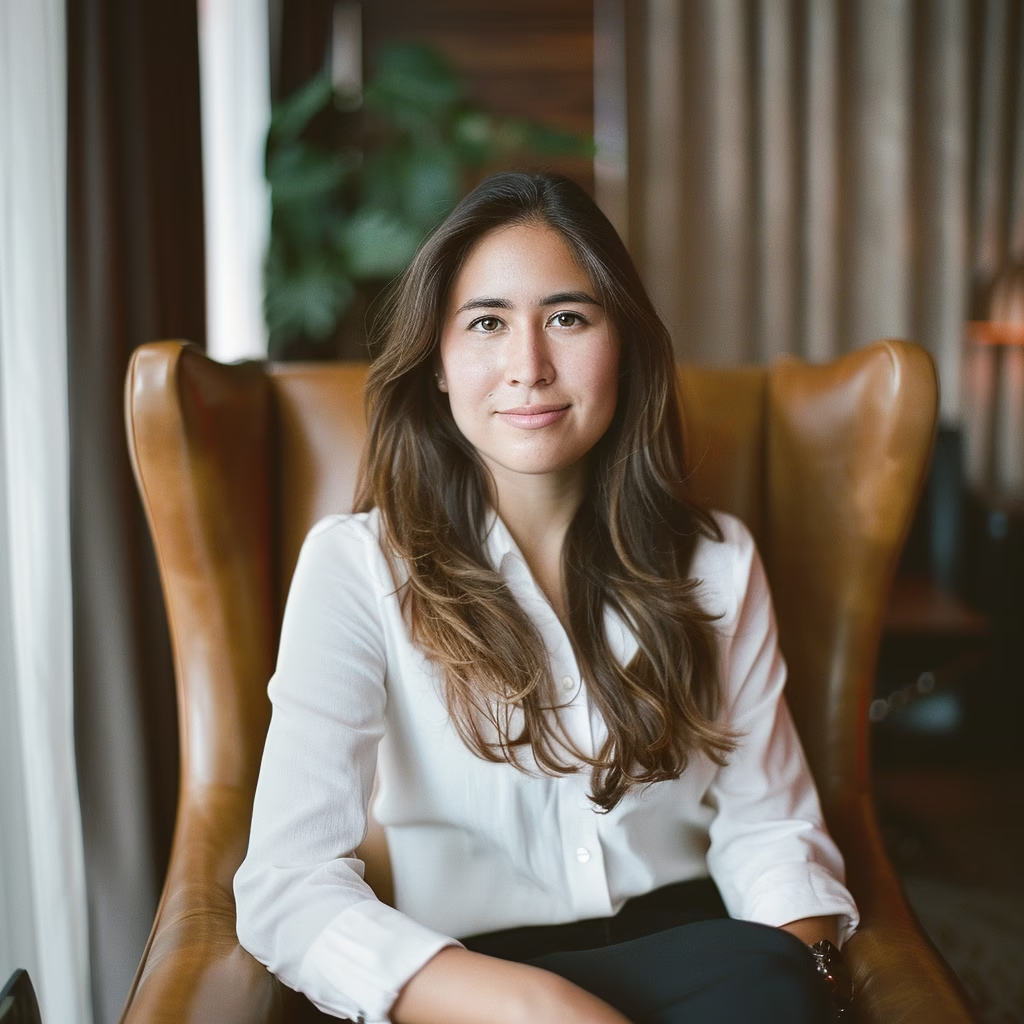
Quick answer: The best colors to wear for actor headshots are usually solid, medium-to-deep tones that separate from your skin and the background without pulling attention away from your face. Charcoal, navy, olive, burgundy, muted blue, and soft earth tones are reliable starting points, but the final choice should be tested under the actual lighting.
Actors often arrive at my New Milford studio with more tops than they could reasonably wear. Clothing feels like the one part of a headshot you can fully control before stepping in front of the camera.
After more than 30 years photographing actors across Northern New Jersey and NYC, I have learned that the best wardrobe color is rarely the most exciting one on the hanger. It is the one that makes your face, expression, and casting type easier to read.
For fit, necklines, patterns, and layering, start with my guide on what to wear for actor headshots. You can also see how I plan and direct professional actor headshots in NYC and New Jersey.

Why Does Color Matter in an Actor Headshot?
Color controls contrast and visual attention. A strong wardrobe tone separates your face from your clothing and the background. A distracting one becomes the brightest part of the frame, so the viewer notices the shirt before the person wearing it.
That matters most at small size on a casting profile, where fine detail disappears but large areas of color stay obvious. Your clothing should support the impression in your face, not compete with it.
Backstage’s headshot outfit guide recommends the same thing. Muted and darker tones such as charcoal, plum, burgundy, navy, and emerald because they add richness without pulling attention away from the actor’s face.
The Best Colors to Wear for Actor Headshots on Camera
The best colors to wear for actor headshots are generally solid tones with enough depth to hold detail under studio light. Reliable options include charcoal, slate, navy, deep olive, burgundy, muted teal, plum, taupe, and soft blue. These are starting points, not universal rules.
A color is working when it:
- Separates from your skin and hair.
- Does not disappear into the background.
- Keeps your eyes and expression dominant.
Medium-to-deep tones are usually easier to control than very pale or extremely bright colors. Even so, a softer tone can be the better call when it suits your coloring and the energy of the look.
A pattern I see across many sessions, not one particular booking: an actor arrives certain about the brightest top and unsure about the plain one. We shoot both under the same light and compare them on the monitor. In the bright frame the eye keeps drifting to the shirt. In the quiet frame it goes straight to the eyes.
Should Actor Headshot Wardrobe Colors Match Your Skin Tone?
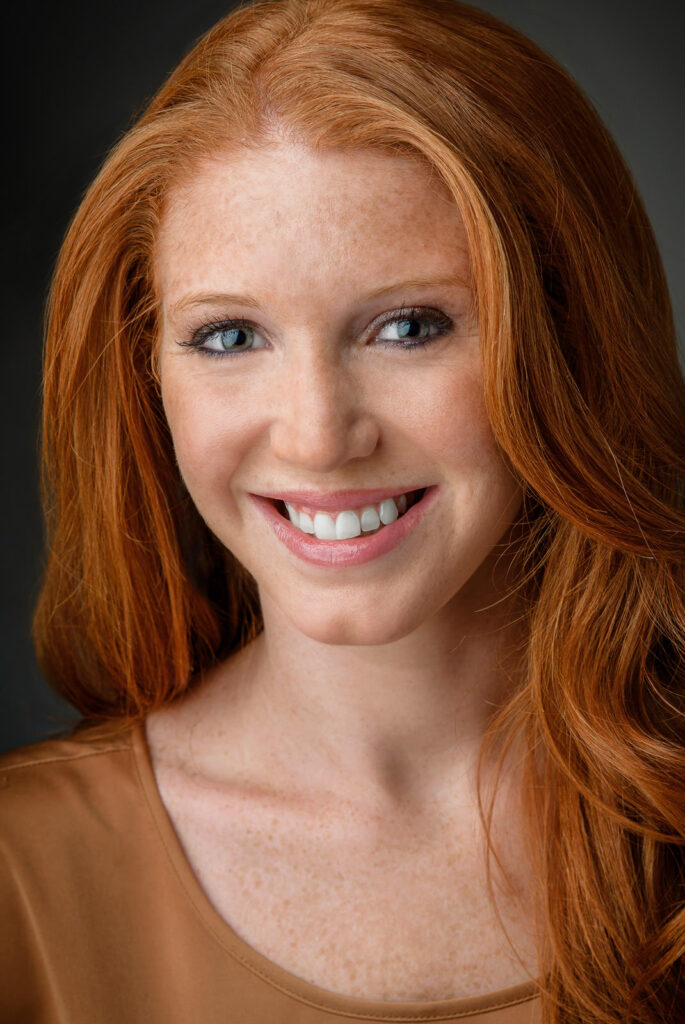
Complement your complexion, do not copy it. A top too close to your skin tone softens the boundary between face, neck, and wardrobe. Too severe a contrast makes the clothing feel bolted on rather than part of the portrait.
One test beats any seasonal color chart. Stand near indirect daylight and hold each top directly under your chin. Look at your skin, jawline, and eyes. A useful color makes your complexion look even and your eyes look clearer. A poor one leaves you flushed, gray, tired, or washed out.
Do not decide this at a closet mirror. Household bulbs change how both skin and fabric read.
How Do the Background and Lighting Change the Right Color?
Wardrobe color cannot be chosen in isolation. The same navy top looks clean against light gray and loses all shoulder definition against dark blue. A pale shirt feels fresh in soft light and becomes the brightest thing in a high-key frame.
I review clothing before settling the lighting and background, then we shoot a few frames and decide from the monitor rather than the hanger.
Pure white and pure black are not forbidden. White can lose texture or pull attention toward the chest. Black can merge into a dark background. Off-white, charcoal, and deep gray often deliver the same simplicity with more room to maneuver.
Which Colors Should Actors Avoid in Headshots?
Be cautious with neon shades, highly saturated brights, tones close to your skin, and anything that blends into the planned background. None are automatically unusable, but each needs testing: they distract, reflect color onto your face, or weaken separation.
Fabric matters as much as hue. A muted color in a glossy synthetic catches more light than a brighter color in a matte knit. The problem is usually the combination of saturation, sheen, lighting, and background rather than the color itself.
Small patterns, tight stripes, and busy prints create a separate problem. They turn into visual noise once the image is reduced to casting-platform size. For a color-driven headshot, a simple solid is the safer and more versatile choice.
Do Commercial and Theatrical Headshots Need Different Colors?
They benefit from different color directions, though expression, lighting, background, and styling do more of the work.
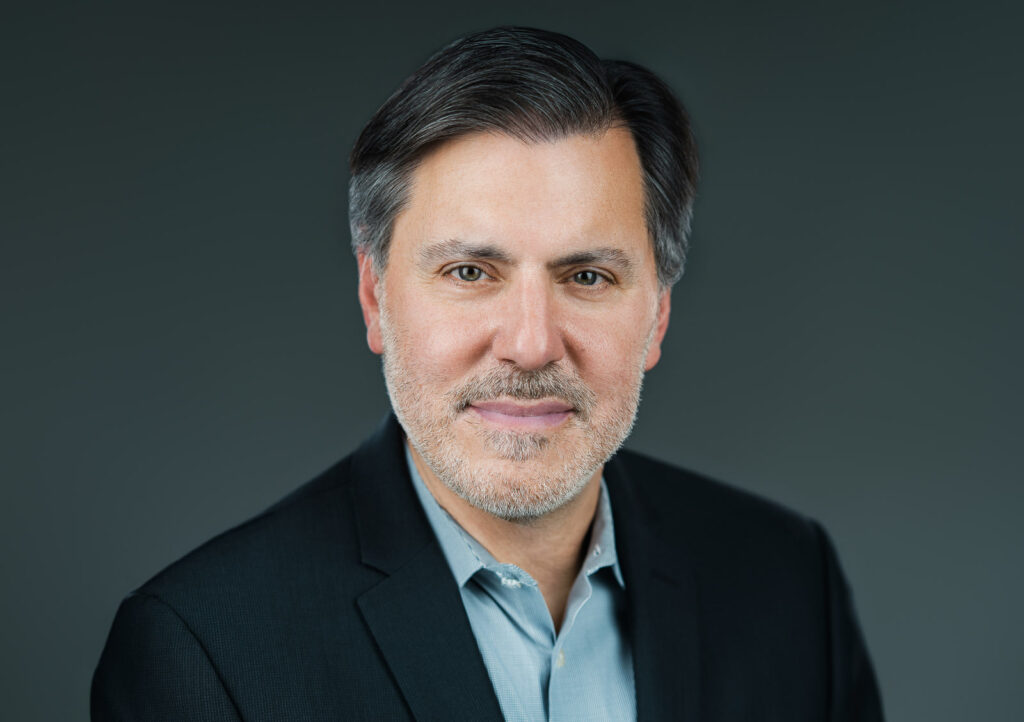
Commercial images feel open and relatable, so mid-tone blues, muted greens, and warm neutrals support that energy. Theatrical images carry more depth, which makes charcoal, burgundy, olive, plum, and darker blues useful.
These are tendencies, not rules. The goal is genuine contrast between looks, not simply a different shirt. Bring one option for a warmer commercial read and another for a more grounded or dramatic direction. My guide to commercial and theatrical actor headshots covers how those choices work together.
How Can You Test Headshot Clothing Colors at Home?
Choosing the best colors to wear for actor headshots becomes easier when you compare each option against your face at thumbnail size.
Five minutes before your session:
- Stand beside a window in indirect daylight.
- Hold each top directly under your chin and take a phone photo.
- Compare your skin, jawline, eyes, and hair rather than judging the shirt on its own.
- Shrink each photo to thumbnail size and notice what your eye lands on first.
Keep the pieces that make your face easier to see. Cut anything that becomes a bright block, blends into your complexion, or turns into noise at small size. This will not replace the studio comparison, but it reduces a closet to a shortlist.
How Many Color Options Should You Bring?
Three or four solid tops that create genuinely different options. Two dependable neutrals, one richer accent, and one softer alternative give us enough range to test both commercial and theatrical directions.
Do not bring the same shirt in five nearly identical shades. A color change only helps when it creates a meaningful difference in how you can be presented.
Bring each top on a hanger, steamed and ready. If you are uncertain, send daylight photos beforehand and we will shortlist them together.
Let Your Face Stay the Focus
The right color makes a headshot feel more like you, not more styled, and supports the roles you actually want.
If the shirt is the first thing anyone notices, it is doing too much. If they notice your expression and only later register that the clothing works, the color did its job.
You can learn more about my experience and approach before your session.
Frequently Asked Questions About Actor Headshot Colors
What are the best colors to wear for actor headshots if you can bring only one?
A solid medium-to-deep tone is the safest single choice. Navy, charcoal, olive, burgundy, muted blue, plum, and soft earth tones tend to work because they hold detail and support facial contrast. The best choice still depends on your complexion, hair, background, lighting, and casting direction.
Should actors wear black or white in headshots?
Yes, when the setup supports them. White can become too bright or lose texture, and black can merge into a dark background. Off-white, charcoal, and deep gray are usually easier alternatives, though controlled lighting can make pure black or white work well.
Should headshot clothing colors match your eyes?
They do not need to match. A nearby or complementary tone can help your eyes read more clearly, but an exact match can look overly planned. Aim for overall harmony and clear facial attention instead.
Can actors wear bright colors in headshots?
Yes, but test them under the actual lighting. A rich color adds personality, while a highly saturated or neon tone can dominate the frame or reflect onto your skin. Compare it against a quieter alternative before committing.
Ready to Plan Your Actor Headshot Session?
Actors working across Northern New Jersey and auditioning in NYC do not need to solve wardrobe alone. Bring three or four strong options and we will compare them against your complexion, the background, and your casting goals.
If you want actor headshots that look natural, current, and aligned with the roles you are pursuing, contact me to plan your session.
Reply...


