


Your Headshot day should feel relaxed, joyful, and completely yours.
I’m Alex Kaplan, a Headshot Photographer and videographer based in New Milford, NJ, serving Northern.
Browse by Category:
headshots
view more

REQUEST INFORMATION
Want to feel like THIS on your Headshot day?
Availability is limited. Check Your Date Here
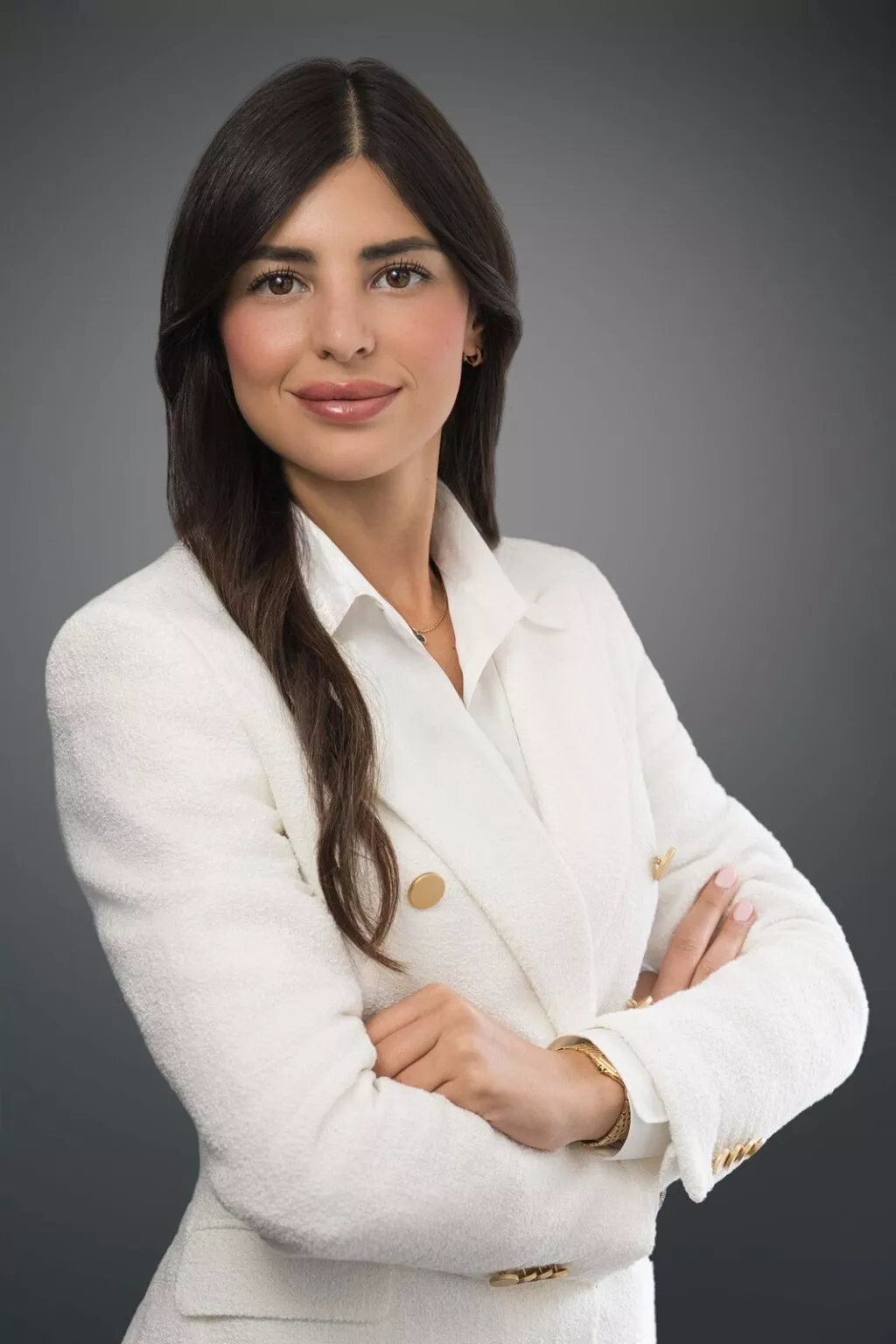

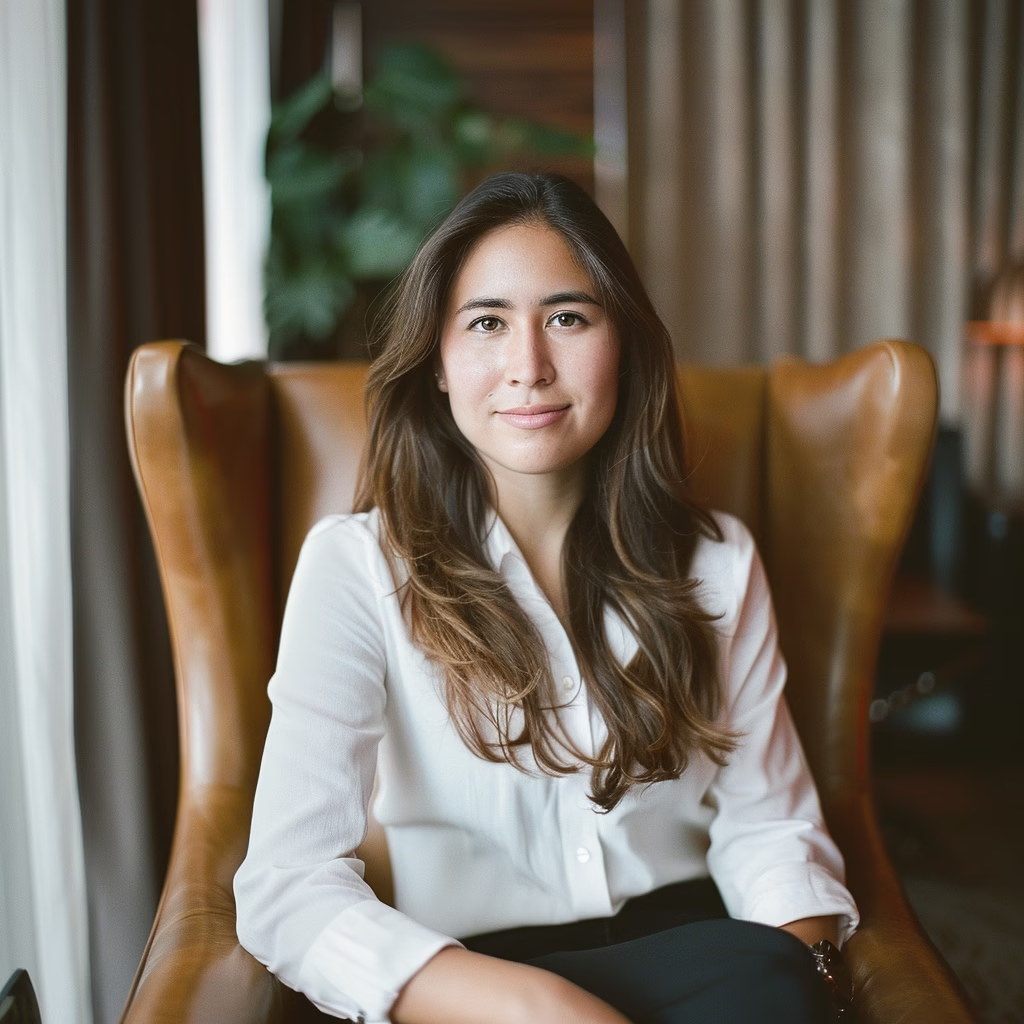
Twelve providers on a physician directory. Twelve different photos, taken across twelve different years by twelve different people.
That grid is how patients see your provider page, and the mismatch is the first thing that shows.
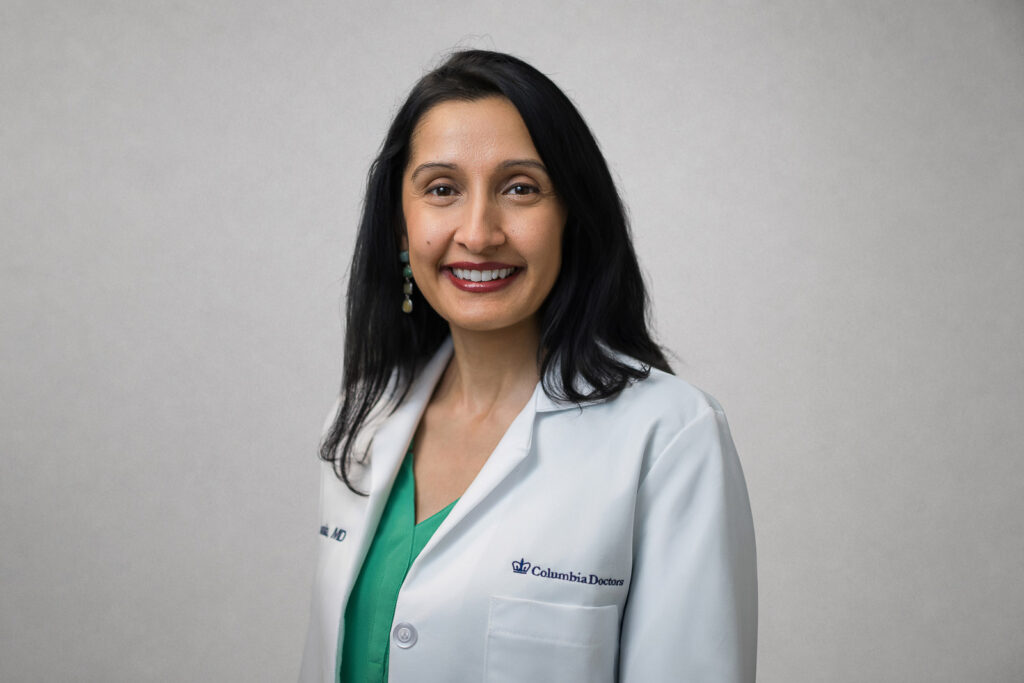
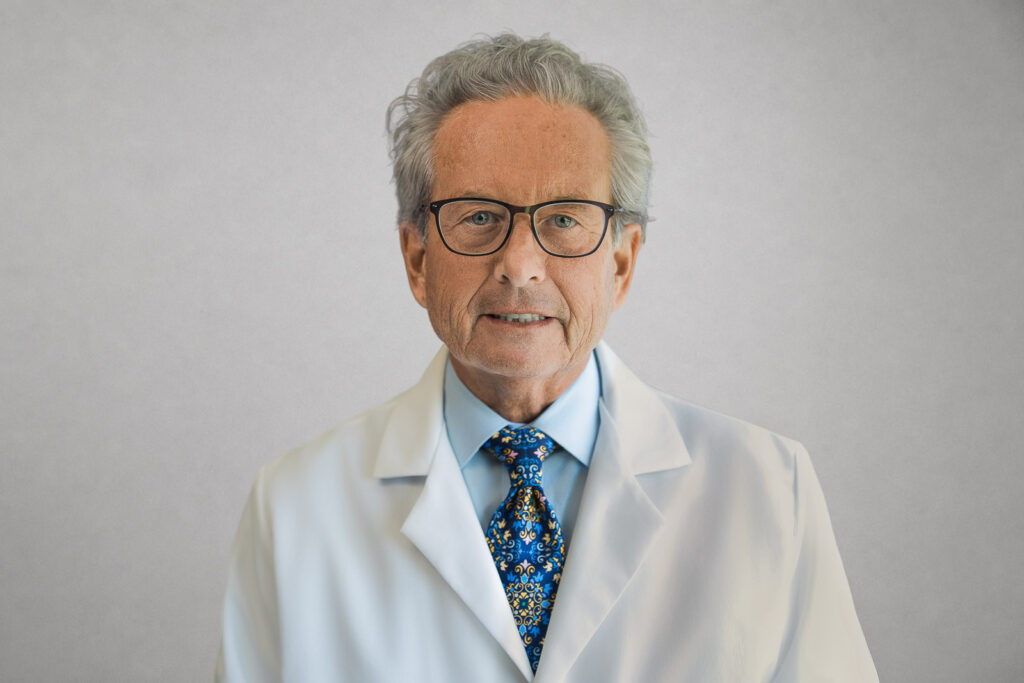
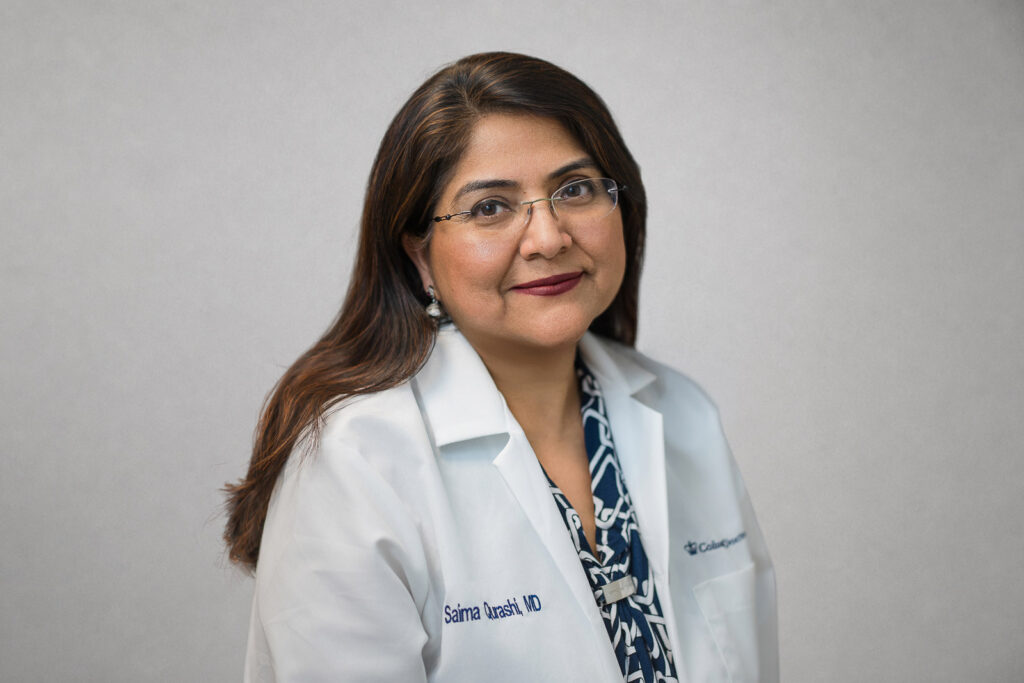
Medical team headshots exist to fix exactly that. I photographed a large group of ColumbiaDoctors professionals at their Yonkers office, and the challenge there is the one I see in nearly every practice: how do you photograph a lot of busy clinicians and still end up with a set of images that clearly belong to one organization?
After more than 30 years photographing professionals across New York City and Northern New Jersey, I can tell you the answer has little to do with talent and almost everything to do with process.
How Do You Create Consistent Headshots for a Medical Team?
Quick Answer
Consistent medical team headshots come from standardizing key elements such as lighting, framing, background, image crop, and overall photographic style while still allowing each doctor or staff member to look natural and approachable. The technical side gets locked down. The human side stays open.
If you are mapping out logistics for a group, my page on professional team headshots covers how these sessions are structured, and the corporate headshot photography page shows the same approach for administrators and non-clinical staff.
What a Large Healthcare Team Session Actually Looks Like
Healthcare team photography works best as a small, repeatable portrait station built inside the organization’s own space.
One lighting configuration. One background treatment. One camera position, one framing standard.
Every provider meets identical conditions, which is the entire trick.
Consistency is not something you rescue in editing. It is something you decide before the first person sits down.
You can check that against the photographs on this page. Every frame was made with the same 55mm lens, at the same aperture, at the same shutter speed.
Two of them were photographed thirty six minutes apart. One was photographed three days later. Nothing about the setup moved.
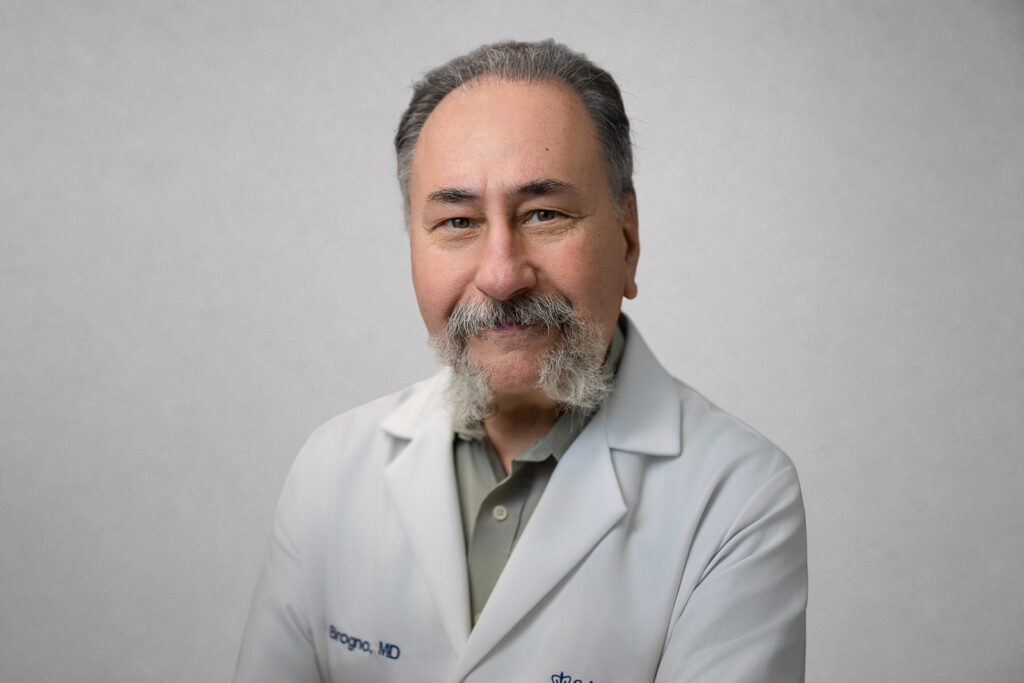
I documented this system in a full case study on consistent headshots for a bank team, and the mechanics carry over to a clinical setting almost unchanged.
What changes in healthcare is everything around the camera. White coats and scrubs. Patient schedules that cannot slip.
And a provider directory that has to absorb new hires and credentialing changes for years without breaking.
On location also removes the largest obstacle to participation. Nobody travels, nobody loses a half day, and the practice keeps running.
Consistency Across Different People, Clothing, and Roles
A medical group is not a uniform population. Surgeons, primary care physicians, nurse practitioners, physician assistants, front desk staff, and administrators do not dress alike or carry themselves alike.
Trying to flatten all of that into one identical look is where most doctor headshots go wrong. Medical professional headshots should still look like the person, and patients notice when they do not.
Standardize the Light, Not the Person
Light is the variable that carries consistency. If the key light, fill, distance, and height stay fixed, two people photographed an hour apart will read as part of the same set despite different faces, skin tones, and heights.
What I adjust is subtle: a shift for glasses, a change for someone much taller or shorter.
The viewer never registers those adjustments. They only register that everything matches.
Wardrobe Guidance That Keeps Medical Team Headshots Consistent
Wardrobe is the one variable a practice actually controls, so it deserves a real email rather than a vague note. The guidance I send takes a minute to read.
Solid colors over patterns, and a defined palette rather than a required outfit.
White coats included or excluded as a group decision, not an individual one. Scrubs are fine for specialties where scrubs are the honest answer.
The goal is not that everyone matches each other. The goal is that nobody looks like they were photographed for a different company.
Photographing a Large Medical Team Without Disrupting the Workday
The question every practice manager asks first is whether this will wreck the schedule. It should not, and if it does, the session was planned badly.
Build the Schedule Around Clinic Flow
I work in rolling slots rather than fixed appointments. Providers come down between patients, sit for a few minutes, and go back to their floor.
A short, honest time estimate per person is what makes that work. When people know the commitment is small they show up, and attendance decides whether a directory ever gets finished.
The other piece is a named coordinator inside the practice, someone who owns the list and confirms who is missing before the equipment comes down.
Helping Doctors Look Approachable and Authoritative at the Same Time
This is the balance that defines healthcare headshots. A physician who looks purely authoritative can read as cold. A physician who looks purely warm can read as inexperienced.
Patients are weighing both signals at once. Research on online physician selection has found that image characteristics, including age and facial expression, can influence patient decision-making alongside perceptions of competence and warmth.
The difference between those two versions of a person is usually two seconds of direction. A squared shoulder line reads as steady. A genuine expression, caught just after someone stops trying to smile, reads as human.
Most doctors are not comfortable being photographed. They spend their working lives on the other side of the exam room, and it shows.
Getting past that is mostly a matter of talking to people like people.
How Much Variation Is Acceptable Across Backgrounds and Composition?
More than most practices assume, and a set of identical images can actually look worse than a set with some life in it. The rule I use is simple: standardize everything the camera controls, and leave alone everything the person controls. That one distinction settles most internal arguments about medical team headshots before they start.
The elements I keep fixed are lighting quality and direction, background tone, crop ratio, eye level in the frame, and color treatment. Those five choices do the work.
The elements I let breathe are head tilt, shoulder angle, expression, and hand position at three quarter length. That variation keeps a provider page from feeling like a wall of ID badges.
For larger organizations, one useful decision is whether departments get visual separation, such as a different background tone. My advice is no. Directories get reorganized, providers move between service lines, and one standard survives it all.
Preparing Medical Team Headshots for Physician Directories, Bios, and LinkedIn
The delivery stage is where a lot of good sessions quietly fall apart, so plan it before the shoot rather than after.
Medical team headshots get used in more places than almost any other portrait a clinician has: hospital directories, payer and referral profiles, conference programs, and LinkedIn all pull from one file.
Every provider needs the same image in several shapes: a square crop for directory grids and LinkedIn, a tighter vertical for bio pages, a wider one for press.
Cropping every size from one master file is what guarantees the whole set stays aligned.
File naming matters more than people expect for professional headshots for doctors. Predictable filenames let a web team batch upload a directory instead of matching faces to files by hand.
Retouching should stay conservative. Stray hairs, blemishes, and lint on a lapel are fair. Reshaping a face is not, and patients recognize the difference.
Common Questions About Medical Team Headshots
How long does a medical team headshot session take?
It depends on group size, but the per person commitment is short. Most providers are in and out in a few minutes, and the session runs continuously so the practice never stops operating.
Can new hires be matched to existing team headshots later?
Yes, and this is the strongest reason to document the setup. When lighting, background, distance, and crop are recorded, a physician who joins two years later can be added to the directory without the grid breaking.
Should our team wear white coats for headshots?
Decide as a group rather than individually. Either choice works well as long as it is applied consistently across comparable roles.
Do you photograph on location or in a studio?
Both, though for medical groups on location is almost always the right call. On-location corporate headshots keep participation high and remove travel from a schedule that has no room for it.
Planning Medical Team Headshots for Your Practice
If you manage a healthcare practice, a hospital department, or a specialty group across New York, New Jersey, or the NYC metro area, and your provider page looks like a collection of unrelated photos, this is a solvable problem.
Need professional headshots for your medical practice or healthcare team? Alex Kaplan Photography provides efficient on-location team headshot sessions for organizations throughout New York, New Jersey, and the NYC metro area.
Tell me your team size and your building, and I will tell you how the day would run. You can reach me through the contact page.
Reply...


