


Your Headshot day should feel relaxed, joyful, and completely yours.
I’m Alex Kaplan, a Headshot Photographer and videographer based in New Milford, NJ, serving Northern.
Browse by Category:
headshots
view more

REQUEST INFORMATION
Want to feel like THIS on your Headshot day?
Availability is limited. Check Your Date Here
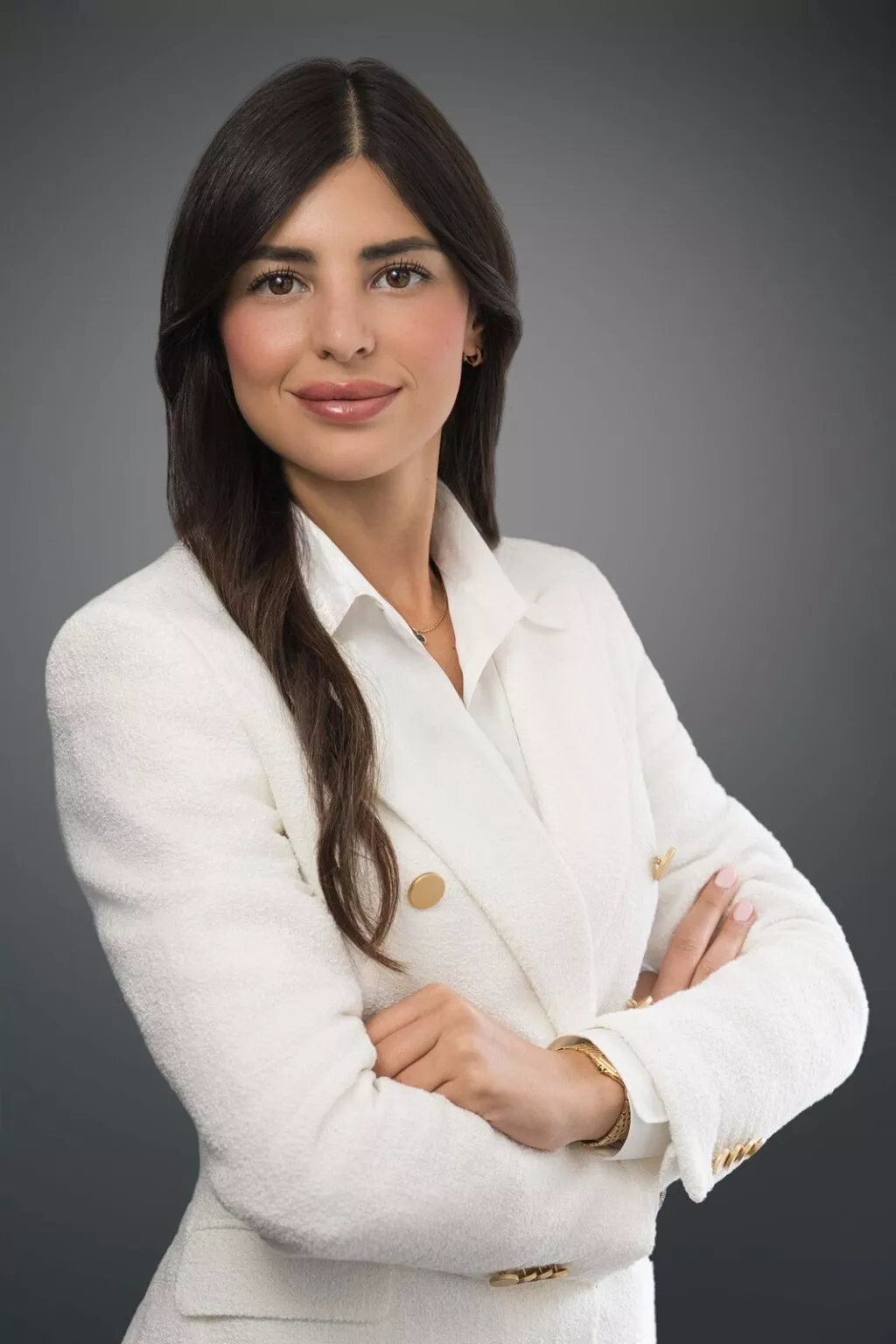
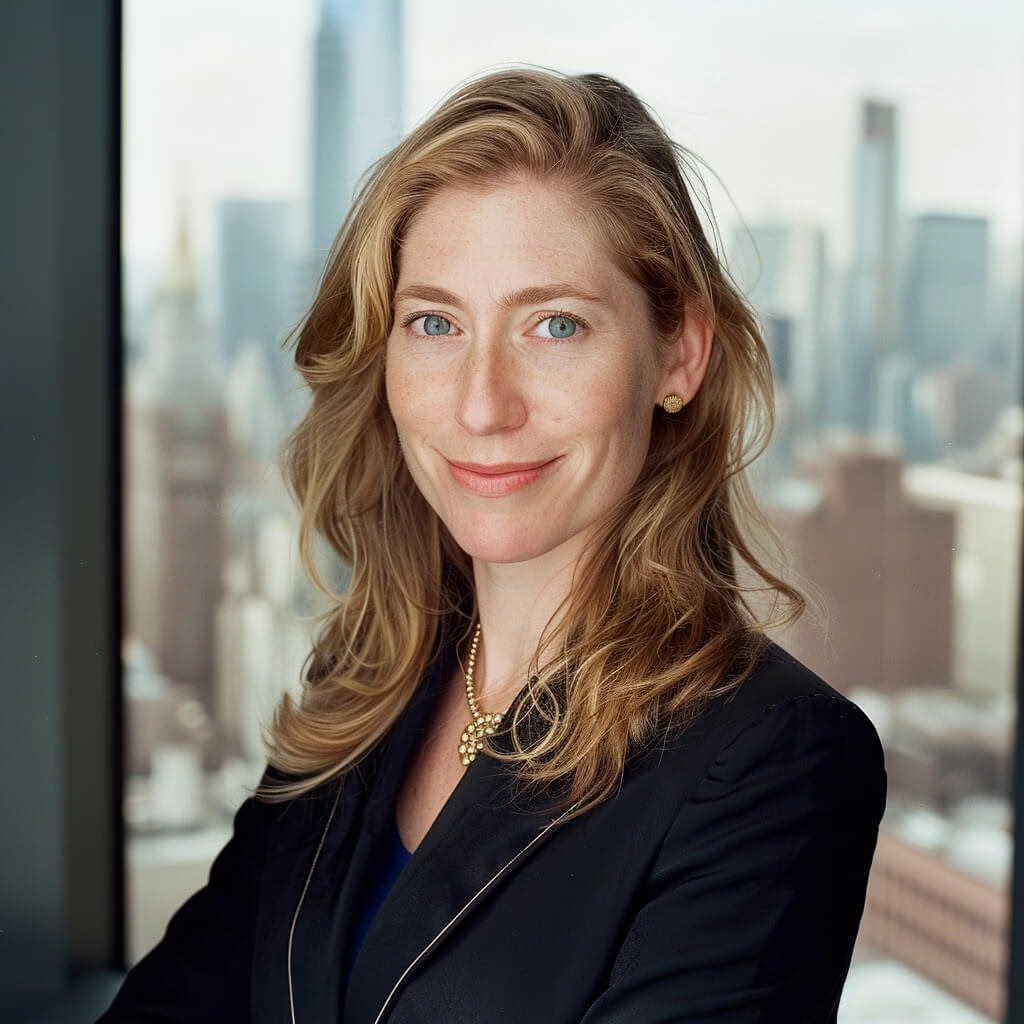
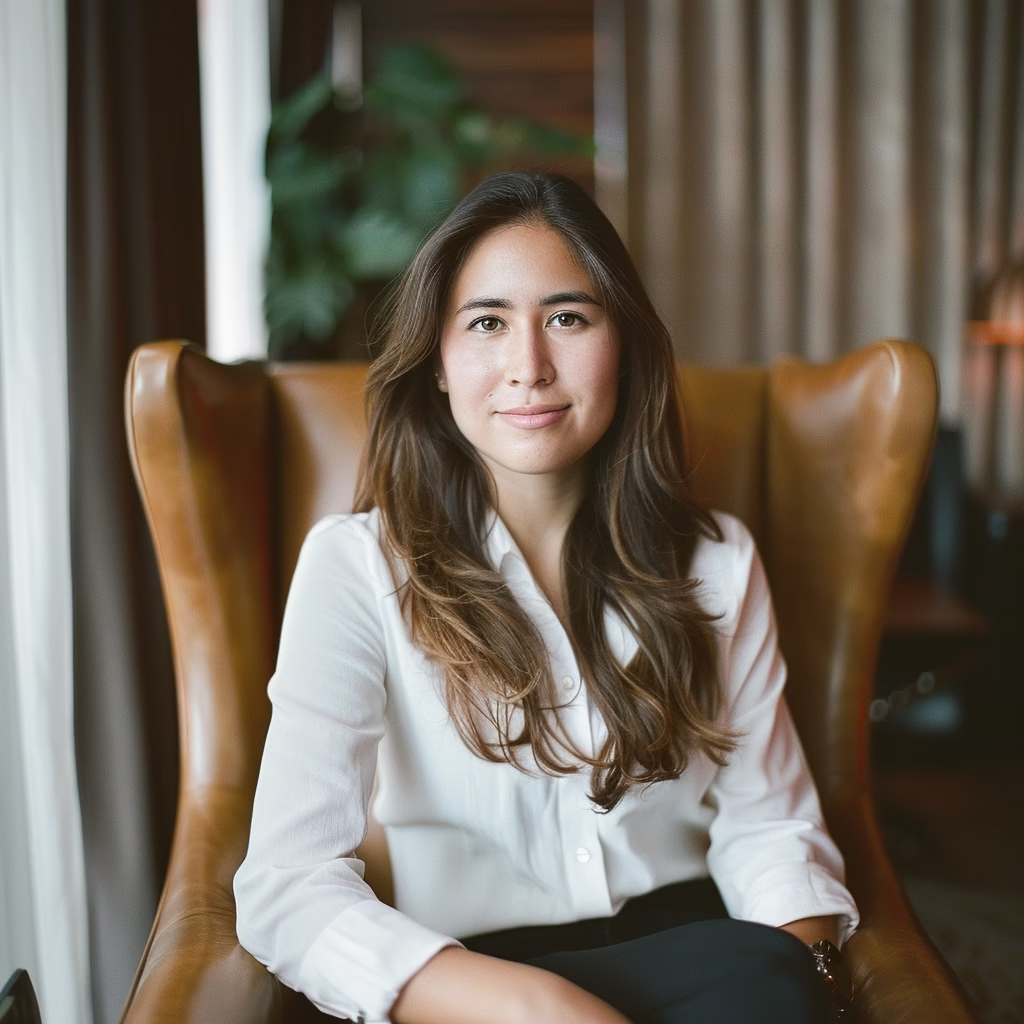
That is the quiet problem behind so many corporate portraits. The suit is sharp, the lighting is clean, the background is polished, and yet the person still feels guarded, tense, or hard to reach.
Approachable professional headshots are not about looking casual. They are about letting the capable, trustworthy version of you show up on camera without looking stiff or over-rehearsed.
After more than thirty years photographing executives, attorneys, physicians, and business owners across Northern New Jersey and NYC, I have watched this shift happen thousands of times. The best image is rarely the one where someone tries hardest to look important. It is usually the frame right after they stop performing, when the shoulders drop, the eyes settle, and the expression finally becomes real. That is the moment someone starts to look like a person a client or recruiter would feel comfortable contacting.
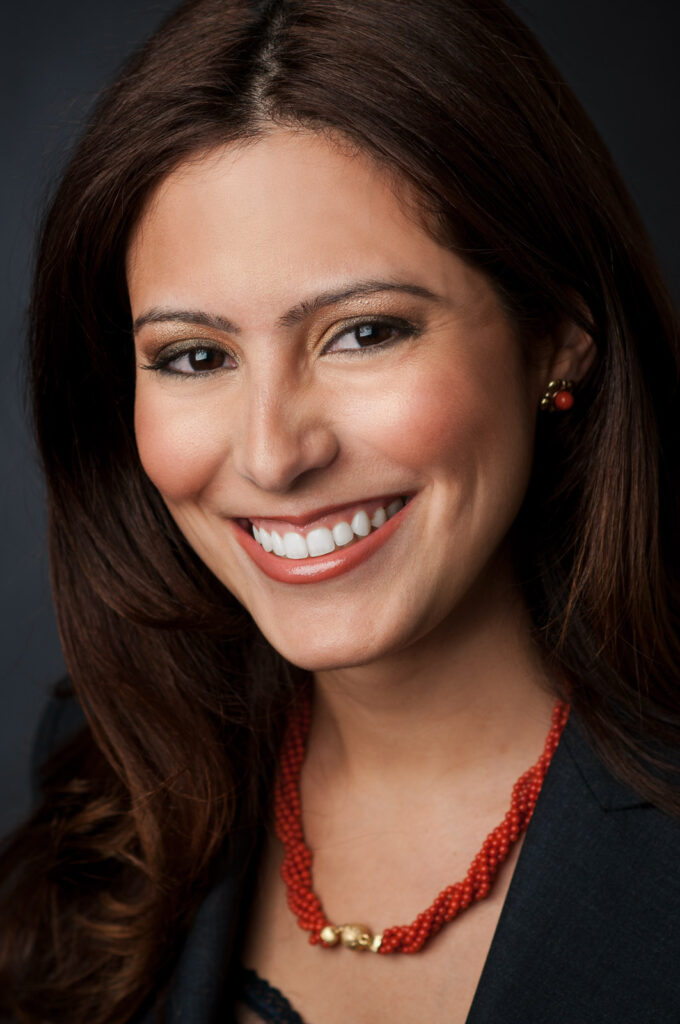
What Makes a Professional Headshot Feel Approachable?
An approachable professional headshot combines natural expression, relaxed eye contact, confident posture, clean lighting, and professional styling to create a trustworthy first impression, without losing authority or executive presence.
In practice, that comes down to a few quiet signals working together:
- A relaxed, natural expression instead of a forced or frozen one
- Eye contact that feels engaged rather than intense
- Open posture and a settled jaw, with no visible tension
- Soft, directional lighting that keeps the eyes alive
- Wardrobe that signals competence without pulling focus
Warmth and credibility are not opposites; the strongest portraits hold both at once. I see this clearly during proofing. Clients expect to choose the most serious frame, then realize the strongest image is the one where they look confident and still unmistakably human.
Why Approachability Matters More in Modern Professional Branding
People decide quickly now. They see your LinkedIn photo, firm bio, or company directory long before they ever hear your voice.
A distant headshot creates quiet friction. Viewers rarely think, “this person looks guarded.” They simply move on. They do not click, reach out, or feel the small sense of trust that makes the next step easy. I have seen this with attorneys, executives, doctors, and real estate agents alike, and the photo does not have to be dramatic to create distance. Sometimes it is just a held jaw or a smile that never quite reaches the eyes.
That is why approachable and authoritative corporate headshots matter. A strong headshot should not make people work to feel comfortable with you; it should make the first impression easier. For most professional headshots in NJ, whether they live on LinkedIn or a law firm bio, that balance is the entire point.
What Approachable Professional Headshots Get Right
They lead with the person, not the pose. The wardrobe still signals seriousness and the eyes still hold steady, but nothing in the expression asks the viewer to keep their distance. That is the difference between looking polished and looking closed off.
The Difference Between Friendly and Unprofessional
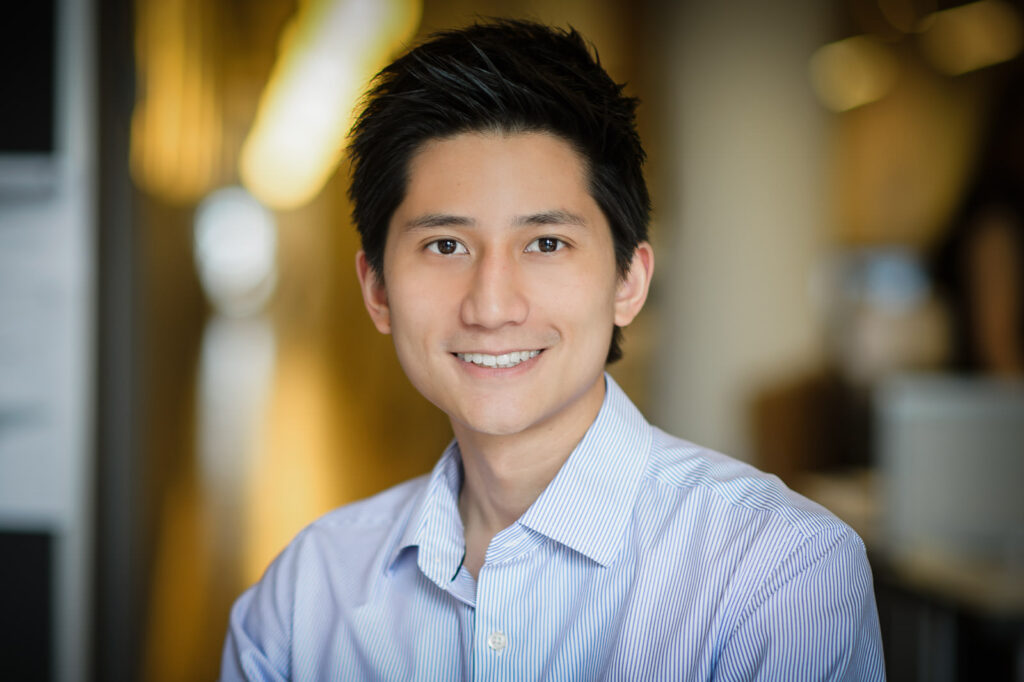
A lot of professionals worry about looking too friendly. They assume approachability means a big grin, so they overcorrect: they tighten the jaw, lift the chin, and hold a look that feels strong in their head but reads cold on camera.
The truth is simpler. Friendly is an expression, and unprofessional is usually styling, posture, or weak direction. A calm, natural smile does not make you look less capable, and a relaxed face does not weaken your authority. It often does the opposite, because you no longer look like you are hiding behind the pose.
I have had clients say, “I do not want to look too smiley.” That is usually fair, but the answer is rarely no smile; it is the right amount of expression. Enough warmth to feel real, and enough control to still feel professional.
You can see that restraint in professional headshots that feel trustworthy. It is also why polished executive headshots in NJ and strong LinkedIn headshots tend to feel composed rather than casual. The best image says three things at once: I am capable, I am steady, and I am someone you can talk to.
How Facial Expression Changes First Impressions
Research from Princeton psychologists Janine Willis and Alexander Todorov found that people form impressions of a face in roughly a tenth of a second, and that more viewing time mostly increases confidence in that first judgment. Trustworthiness was one of the fastest traits people evaluated.
That matters because your headshot is often judged before your resume or your bio. In that first instant, the viewer is not studying your credentials. They are reading your face.
This is why the smallest changes carry so much weight. A softened brow, a slight release in the jaw, a smile that reaches the eyes instead of sitting on the mouth: these details feel minor during the session but completely change how the image lands. I have watched clients change outfits, backgrounds, and lighting, and a tiny shift in expression usually matters more than all of it. A client holds a serious look for the first few frames, then we talk, they breathe and forget the camera, and the next image looks more confident, not less. That one is almost always the keeper.
Why Overly Serious Headshots Often Backfire
The instinct to look serious comes from a good place. Attorneys want to look credible, executives want to look decisive, and physicians want to look competent. But the camera reads tension differently than the mirror does, and what feels serious to you can look guarded to someone else.
I once photographed a corporate attorney from Hoboken who told me she hated every professional photo she had ever taken. She kept trying to look strong, and every version came out tense. Once she stopped bracing and simply exhaled, the expression changed. She still looked sharp, she still looked like an attorney, but now she looked like the kind of attorney a client would feel safe calling.
That is the difference. Approachability does not remove strength. It removes the wall.
How Professional Lighting Helps You Look More Natural
Lighting does more than make a photo look clean. It changes how relaxed or tense a face appears. Harsh, flat light exaggerates stress around the eyes and makes skin look tired, which is one reason quick DIY shots and rushed office snapshots often feel off even when the person looks fine in real life.
Soft, directional lighting gives the face shape without making it severe. It keeps the eyes alive, softens tension, and lets the viewer see dimension instead of flatness. Clients rarely say “the lighting is better.” They say, “I look more like myself in that one.”
This is also where quick mall studios and AI-generated headshots fall short. They can produce something clean, but they cannot read the person in front of them, notice a tightened mouth or a held breath, and adjust in the moment. That responsiveness is where the natural image comes from.
What to Wear for an Approachable Executive Headshot
Wardrobe sets the tone before your expression ever enters the frame. The goal for an approachable executive headshot is clothing that signals competence without overwhelming the face.
Solid, mid-tone colors usually photograph beautifully. Deep blues, charcoals, and soft neutrals feel polished without looking harsh, while busy patterns and extreme contrast pull attention away from the person. For professional female headshots in NJ, a structured blazer over a simple top is a reliable starting point, with one understated accent such as earrings or a simple necklace to add warmth.
The most important factor is fit. The camera does not care what cost the most; it cares what frames your face well, sits properly on your shoulders, and lets you look comfortable. Expensive and stiff rarely beats simple and well-fitted.
How Alex Kaplan Creates Approachable Professional Headshots That Still Command Respect
A great headshot session is mostly direction, not luck. Most people walk in worried about the wrong thing, convinced they need to know how to pose and how to look natural on command, and sure that everyone else is comfortable on camera. They are not, and my job is to take that pressure off you.
That means real conversation before we start, a little rapport, small adjustments to posture, clear cues for the eyes, and enough patience to wait for the frame that feels true. Often the best photo happens between poses, where the face stops working so hard.
The goal is never to make you look like a different person. It is to make the photo feel like the version of you your clients and colleagues already trust. That same approach carries through corporate headshots in NJ, LinkedIn headshots in NJ, and full executive branding portraits. The strongest result is not just polished; it feels accurate.
Common Questions About Approachable Professional Headshots
Should you smile in a corporate headshot?
Yes, in most cases. The smile should feel natural rather than forced. A soft, genuine smile that reaches the eyes reads as confident and approachable, while a frozen grin or a flat, serious expression can both create distance.
Can a professional headshot look friendly and authoritative at the same time?
Yes, and the strongest ones always do. Authority comes from posture, eye contact, wardrobe, and lighting, while friendliness comes from expression. Because those signals live in different parts of the image, they reinforce each other instead of competing.
What expression works best for LinkedIn headshots?
A calm, engaged expression with a subtle natural smile works best for LinkedIn. People judge faces in a fraction of a second online, so your photo should feel open, credible, and easy to connect with before anyone reads your profile.
The Best Headshots Feel Human
Most people are not trying to look unapproachable. They are trying to look professional. The photos they choose almost always end up being the ones where they finally stop trying so hard, because that is when they start looking like themselves.
The best professional headshots do not force you to choose between capable and kind. You can look polished without looking cold, confident without looking stiff, and approachable without looking casual.
That is the standard I aim for in every session, from polished LinkedIn headshots to full executive branding work: not a forced smile, not a blank corporate stare, but a portrait that feels like a real person with experience, presence, and enough warmth to make someone want to start the conversation.
If you are a professional in Northern New Jersey or NYC who wants headshots that feel confident, trustworthy, and authentically approachable, let’s talk about your session.
Reply...


