


Your Headshot day should feel relaxed, joyful, and completely yours.
I’m Alex Kaplan, a Headshot Photographer and videographer based in New Milford, NJ, serving Northern.
Browse by Category:
headshots
view more

REQUEST INFORMATION
Want to feel like THIS on your Headshot day?
Availability is limited. Check Your Date Here
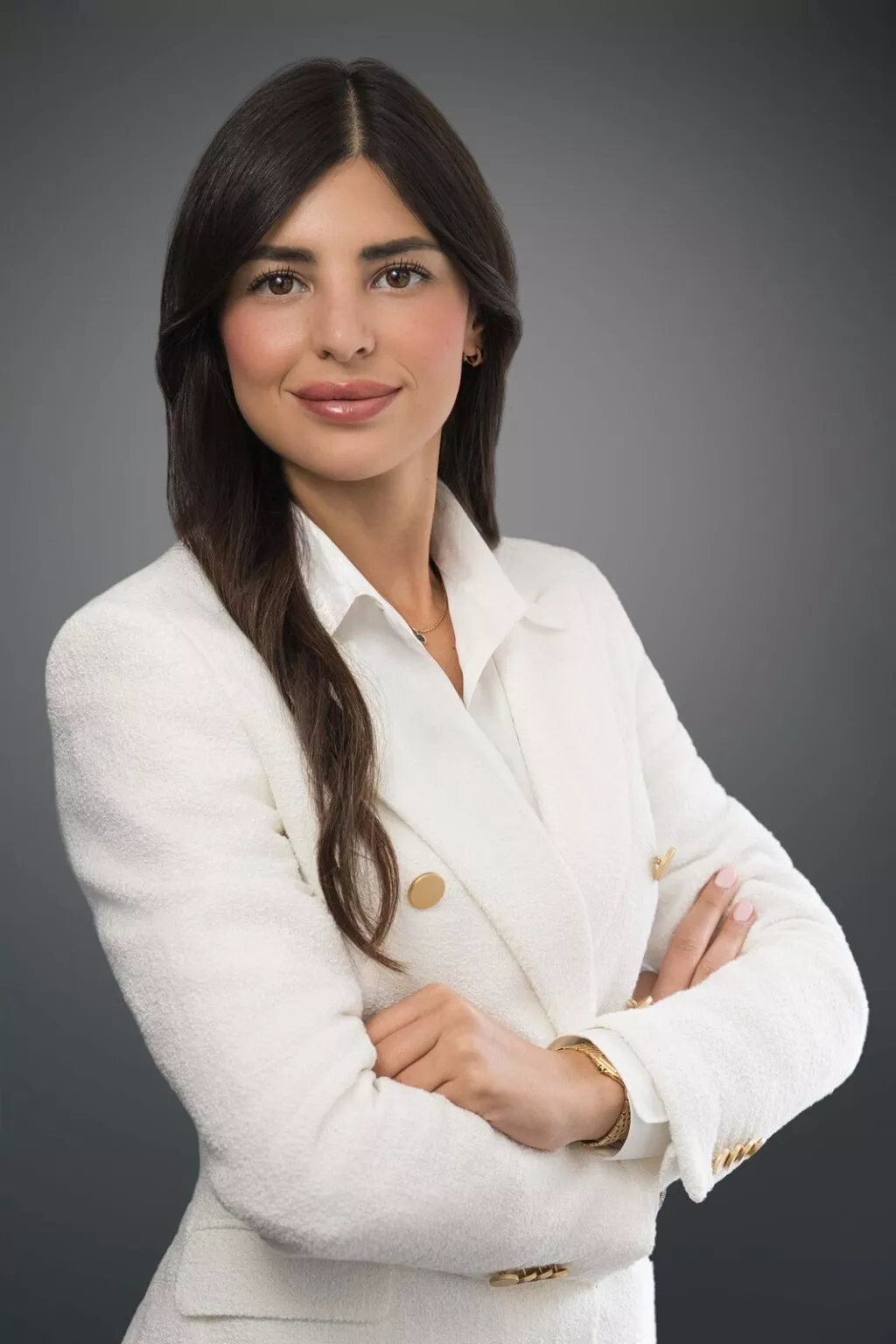

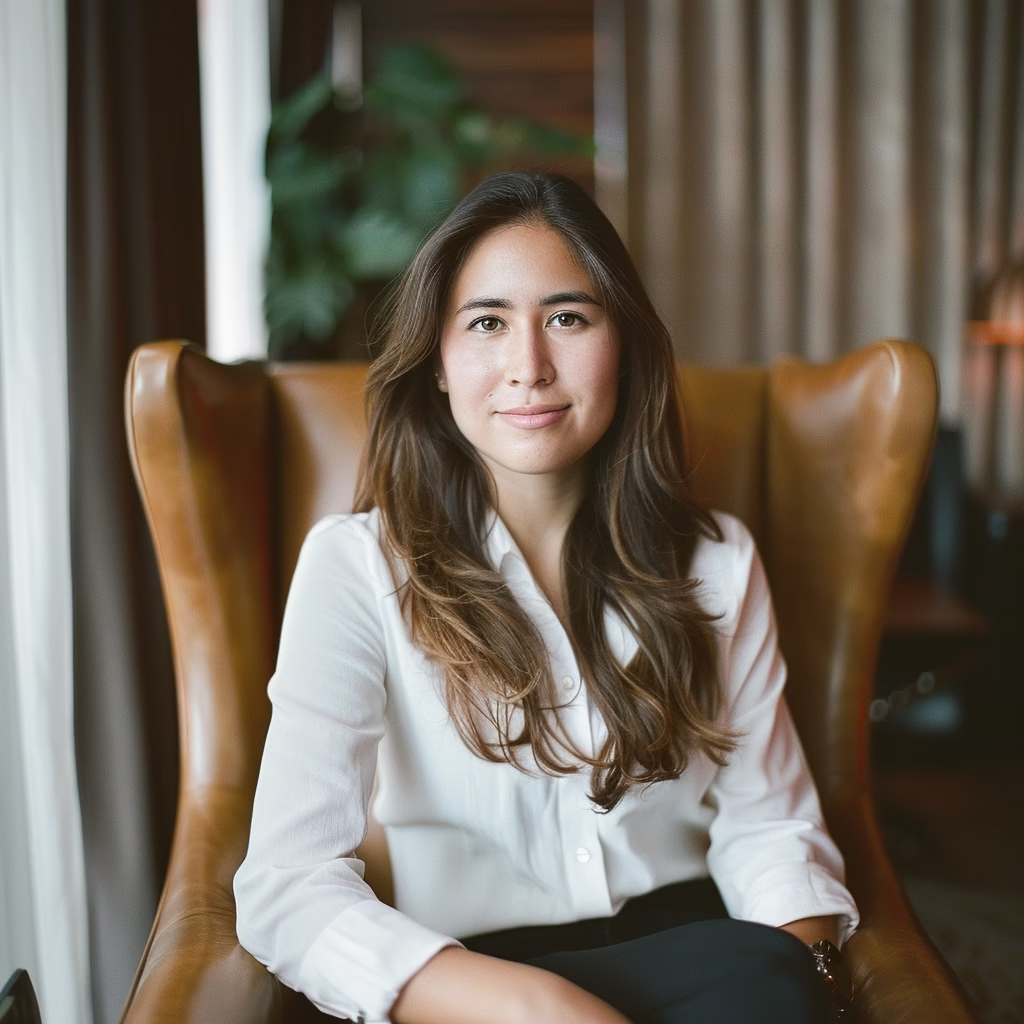
Medical students preparing residency applications usually want two answers before they book: what the ERAS headshot cost will be, and what the session includes. Both are fair questions, and you shouldn’t have to dig for them.
The short answer: most of my headshot clients invest between $225 and $750, depending on session type and usage needs. My ERAS sessions include guidance on wardrobe, posing and expression, an on-screen review of your selected images, and a version prepared for the ERAS upload limit.
I’m Alex Kaplan, and after more than 30 years behind the camera and over 15,000 headshots, I’ve learned that a clear picture of the process takes most of the nerves out of it. Here is what shapes the price, what to look for in a session, and what the AAMC itself says about the photo.
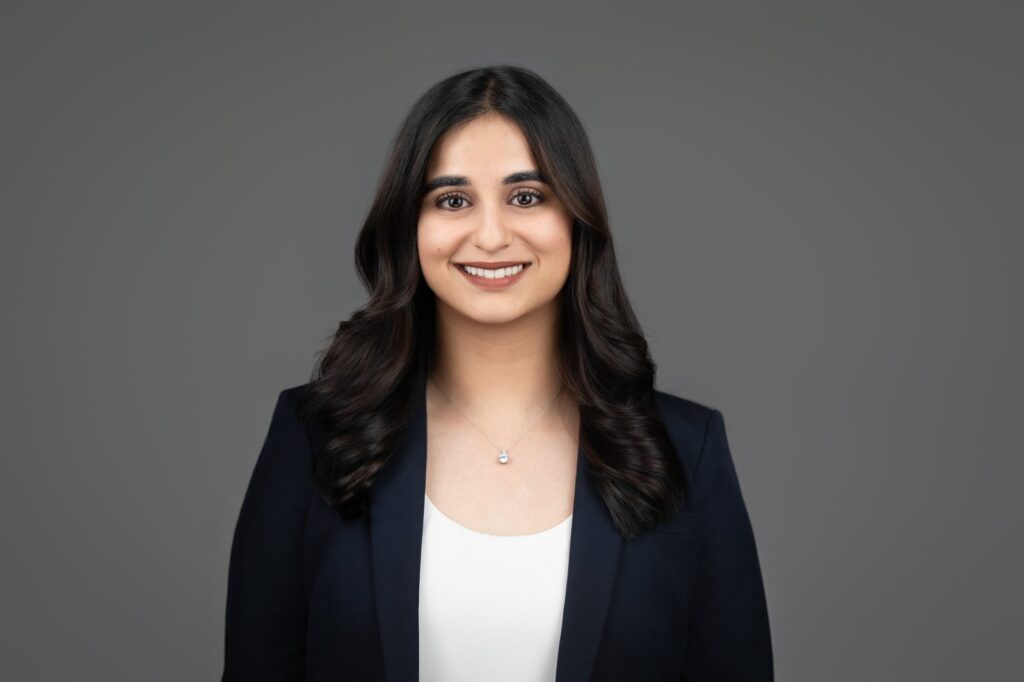
How Much Does an ERAS Headshot Cost?
Most of my headshot clients invest between $225 and $750, depending on session type and usage needs. That is a general range across my headshot sessions, not a quote, so your own cost depends on how many images you need and the kind of session you book.
For individual medical students, pricing depends on the session type (studio or on location) and the number of final images. I also offer separate group packages for medical practices.
The best way to get accurate pricing is to discuss your specific needs. You can see how my sessions work on my medical professional headshots page.
A number only helps if you know what it covers. Any medical student headshot cost or ERAS headshot price you find online is only useful with that context. One quote might include a single retouched image, while another covers a full session with several looks and a prepared file.
Residency applications come with a long list of expenses, so I understand wanting numbers early. If you’re weighing your residency application photo cost against everything else on that list, compare what you receive, not just the figure at the bottom. A lower price that leaves you with an unretouched file you still have to shrink yourself isn’t always the lower cost.
What Is Usually Included in a Professional ERAS Headshot Session?
A professional ERAS headshot session typically covers preparation guidance, direction on posing and expression, image selection, professional retouching, and a final file prepared for your needs. The exact details vary by photographer, so confirm each item on the list below before you book.
- Session length, and how many looks or outfits you can photograph
- How images are selected, and how many final retouched files you receive
- Retouching style, and whether the result looks natural
- Whether the file is prepared for the ERAS upload limit
- Turnaround time from session to delivery
- Studio or location details, and any additional images available
Everything on that list is worth asking about, including with me. My ERAS sessions start with guidance on wardrobe, posing and expression, and we review your selected images together on screen. You leave with a full resolution portrait plus a version cropped and compressed to ERAS limits, all covered in my ERAS headshots guide for New Jersey medical students.
Turnaround and the number of final files are best confirmed when you inquire.
What Affects ERAS Headshot Cost and Pricing?
A few factors move the number up or down. Knowing them helps you compare quotes fairly instead of guessing.
Why ERAS Headshot Cost Varies Between Photographers
Experience, studio setup, and the time a photographer spends with each client all shape the final figure. A photographer who coaches your expression and edits carefully is delivering more than a quick snapshot.
That’s also why a medical residency headshot cost can look very different from a fast group or mini session. The two are not really the same product.
Session Scope and Number of Final Images
The longer the session and the more final images you receive, the more a session typically costs. If you need one strong portrait for your application, a focused session may be all you need.
If you also want options for LinkedIn and your professional bio, say so up front. It changes how the session is planned.
Retouching, Location, and Turnaround
Retouching done well is subtle. It cleans up a stray hair or a tired afternoon, and it never changes who you are.
Location matters too. A studio session is controlled and consistent, while on location work adds setup. If your timeline is tight, ask about turnaround early, since it can affect scheduling and price.
Do You Really Need a Professional ERAS Headshot?
No. A professional photographer is not an AAMC requirement, and nobody should scare you into thinking otherwise. What a professional session adds is purely practical: controlled lighting, expression coaching, clean composition, careful retouching, and a final file prepared to meet the AAMC’s file size limit.
The AAMC explains that programs most often use the photo to help identify applicants when they report for an interview, and it suggests researching each program’s own expectations. You can read that guidance directly on the AAMC photo page.
I won’t tell you a photo decides anything about your application, because that isn’t my place or my expertise. My expertise is photography, presentation, and helping people feel at ease in front of a lens.
In my experience, the students who benefit most are the ones who dread the camera. A little direction goes a long way.
A professional ERAS photo isn’t about looking perfect. It’s about looking like a calm, prepared version of yourself.
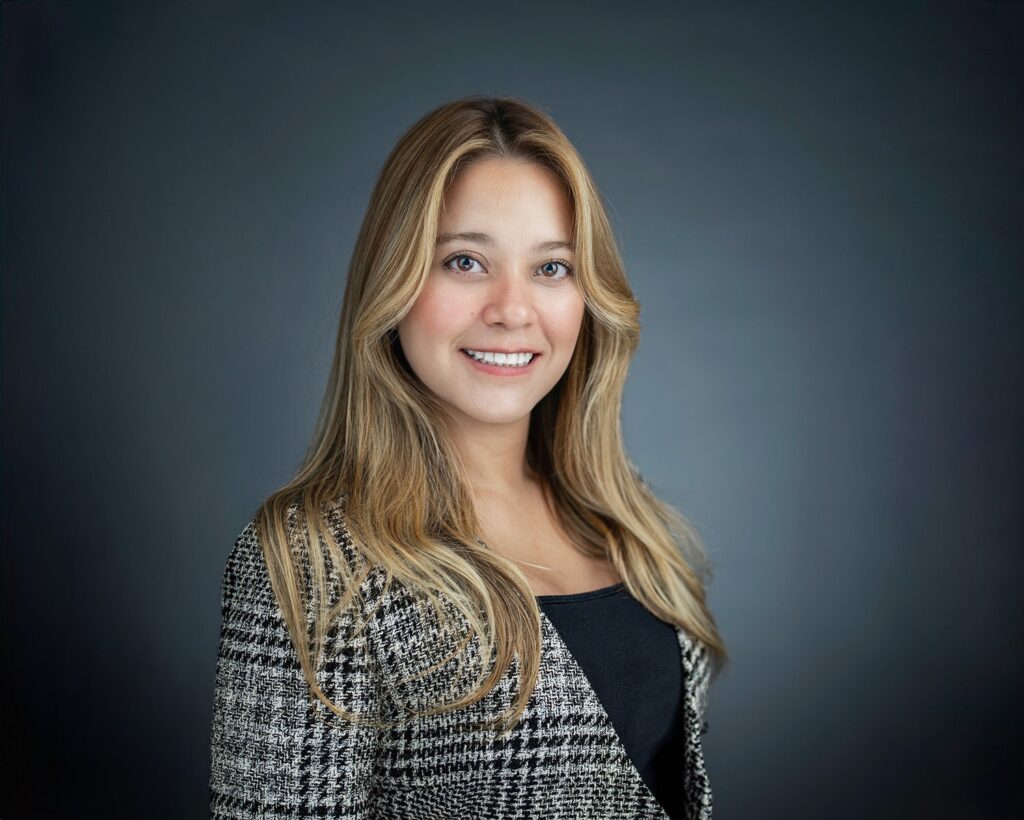
What Are the Current ERAS Photo Requirements?
Current AAMC guidance asks for a JPG/JPEG or PNG file no larger than 150 KB, with your face centered in the photo. You upload a single photo in the MyERAS portal and assign it to the programs you choose, so one strong image is the goal.
AAMC notes that a photo can’t be unassigned once it’s assigned to a program you’ve applied to, so settle on your final image first. Specifications can change from season to season, so confirm them on the AAMC photo page before you upload. I’d rather you trust the AAMC for the rules than trust me.
Can You Use Your ERAS Headshot Elsewhere?
Often, yes. The same portrait can support a LinkedIn profile, a professional bio, institutional profile pages, and networking introductions, as long as it meets each place’s own requirements.
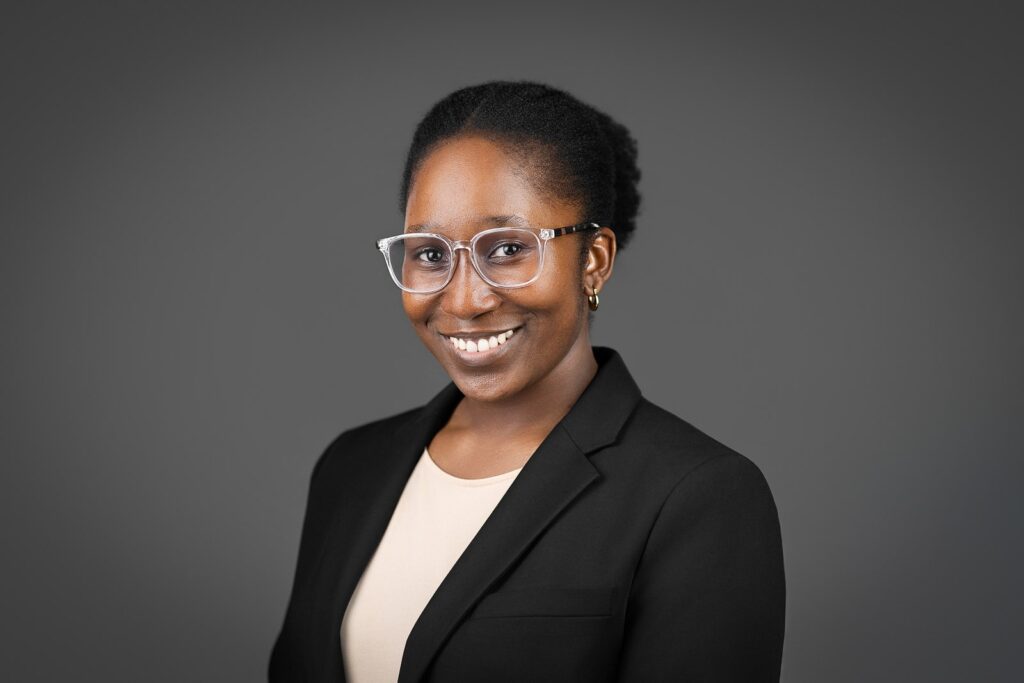
One practical note: the ERAS version is a smaller copy prepared to meet the AAMC’s 150 KB file size limit. Ask your photographer for the full resolution portrait too, so your LinkedIn and other profiles stay sharp.
Questions to Ask Before Booking an ERAS Photographer
Start with the files. What do you receive, in what format, and at what size? Some photographers prepare an upload ready version for ERAS and some don’t, so ask directly, because a file straight from a professional camera is usually far larger than the 150 KB limit.
Then ask about retouching and turnaround. How natural does the retouching look, and how soon will the images arrive? Finally, ask whether the photographer understands the current AAMC requirements, because you want someone who has checked them, not someone who is guessing.
ERAS Headshots With Alex Kaplan
I’ve been photographing professionals for more than 30 years, with over 15,000 headshots and 685+ five star reviews behind that work. My studio is in New Milford, in Northern New Jersey, and I also photograph in New York City and on location.

The process is built for people who dread the camera. You get guidance before the session, calm direction during it, and a curated selection of retouched images afterward.
If you’re a medical student getting ready for residency applications in New Jersey or New York City, I’d be glad to talk it through. Explore my ERAS medical headshot sessions and find out what’s included before booking, or get in touch with your timeline and questions.
Reply...


