


Your Headshot day should feel relaxed, joyful, and completely yours.
I’m Alex Kaplan, a Headshot Photographer and videographer based in New Milford, NJ, serving Northern.
Browse by Category:
headshots
view more

REQUEST INFORMATION
Want to feel like THIS on your Headshot day?
Availability is limited. Check Your Date Here



Most actors work out the difference between a slate shot and headshot the hard way, minutes before a submission closes. The slate shot vs headshot question sounds simple until you are staring at your casting profile wondering whether the photograph alone is enough.
After more than 30 years photographing actors across New York City and Northern New Jersey, the answer is not complicated. It is just rarely explained.
Two different tools, two different jobs. One opens the door. The other lets casting hear you walk through it.

Slate Shot vs. Headshot: The Short Answer
An actor headshot is a professionally photographed still image that establishes your casting type and appearance. A slate shot is a short video clip, roughly seven seconds long, attached to that photo so casting can see and hear you in motion. The headshot earns the attention, and the slate shot confirms it.
| Actor Headshot | Slate Shot |
|---|---|
| Still photograph | Short video clip |
| Shows appearance | Shows appearance, movement and voice |
| Professionally photographed | Recorded video, often self-recorded |
| Represents your casting look and type | Adds a more immediate sense of who you are |
| Core casting asset | Supplemental casting profile asset |

The difference between slate shot and headshot is a difference in what each format can carry. What the table does not explain is why the two assets fail when they drift apart.
What Your Actor Headshot Actually Communicates
Your headshot is not a portrait of you at your most attractive. It is information, and the information is your type.
Casting reads it in seconds: your age range, your energy, the roles you could believably carry. You can see how I approach that on my actor headshots NYC and New Jersey sessions, built around expression rather than posing.
A headshot that flatters you but misreads your type gets you called in for the wrong things.
Why Casting Still Starts With the Still Image
Casting sees your photograph first because the platform shows it first. Submissions arrive as a grid of faces, and the eye moves fast. The still image is the filter; everything else happens after you survive it.
Thirty years behind a camera teaches you that the frame casting responds to is almost never the one the actor expected. You can read more about how I work with actors and why that pacing matters.
What a Slate Shot Adds That a Photograph Cannot
A still frame cannot tell anyone how you sound. It cannot show your rhythm, the way you land a pause, or whether your warmth reads on camera.
Seven seconds answers that at once. Casting hears your voice and gets a sense of whether the person in the photograph is the person who will show up. A profile with a strong photograph and nothing behind it reads like a poster instead of a person.
Slate Shot vs. Headshot on the Actors Access Profile
An Actors Access slate shot is not a standalone item on your profile. It attaches to one specific photograph, and that pairing is the whole design of the feature.
The platform rules are covered in my guide to what a slate shot is, the recording side in how to make a good slate shot, and the official version in the Actors Access help documentation.
One consequence matters here. The clip cannot be moved to a different photograph, so the two assets are bound together whether you planned it that way or not.
Why One Asset Does Not Replace the Other
The actor slate shot vs headshot question usually starts from a false premise: that once you have video, the photograph matters less. The opposite is closer to true.
Video raises the stakes, because the two can now contradict each other. A polished headshot next to a clip shot in a dim hallway reads as inconsistency, not range.
The headshot sets an expectation. The slate shot either confirms it or undermines it. If you are still working out what the clip is, start with what a slate shot is.
How to Tell When Your Actor Headshot and Slate Shot Have Drifted Apart
Matching a clip to a photograph is its own craft, covered in how to make a good slate shot. The harder problem is noticing when a pair that once matched has quietly stopped matching.
You cut your hair. You grew a beard, then shaved it. You started wearing glasses.
Individually none of that matters. Together it means the photograph and the clip show two different people.
If you are booking a session in Hoboken or across Bergen County, audit the clip first. The photograph is often not the thing that needs replacing.
A Real Example of When the Headshot and Slate Shot Stop Matching
I recently photographed a stage actor in their mid-twenties moving into commercial and episodic television work in New York City. Their headshot was a tightly cropped, stylized theatrical portrait from three years earlier, and their slate shot was a dark phone video recorded in a hallway with weak audio.
Their look had changed too. They had cut their hair much shorter, shaved the beard from the older photograph, and were targeting contemporary procedural and commercial roles.
During the session we moved away from brooding dramatic lighting toward bright, neutral expressions. When I asked for a standard slate, they slipped into fast, projected stage delivery. It worked in a theater, but felt disconnected from the grounded energy of the new photographs.
My advice was simple: re-record the slate shot against the new photographs, so the still image and the seven-second clip finally described the same person.
The photo and clip do not need to match frame for frame. They do need to feel like the same person, in the same casting lane, on the same day.
When to Update Both at the Same Time
Update the pair together after any visible change to your look, after a shift in the roles you are targeting, or on a rolling schedule of every one to two years.
The trigger most actors miss is the third. If you have to explain why you look different from your photograph, it has already cost you something. That is the same gap I wrote about in how outdated headshots undermine trust.
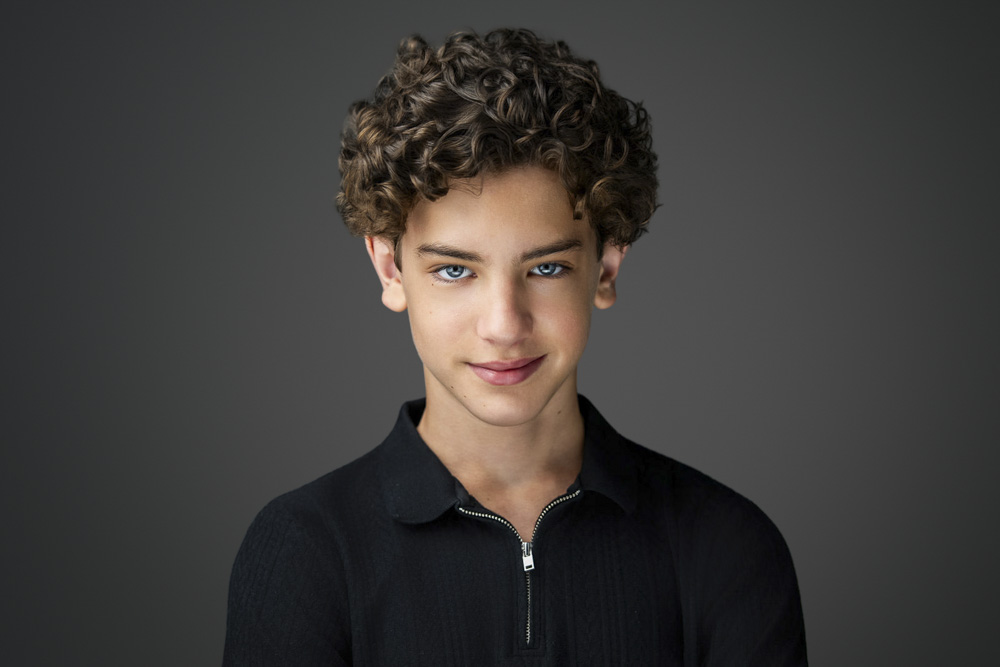
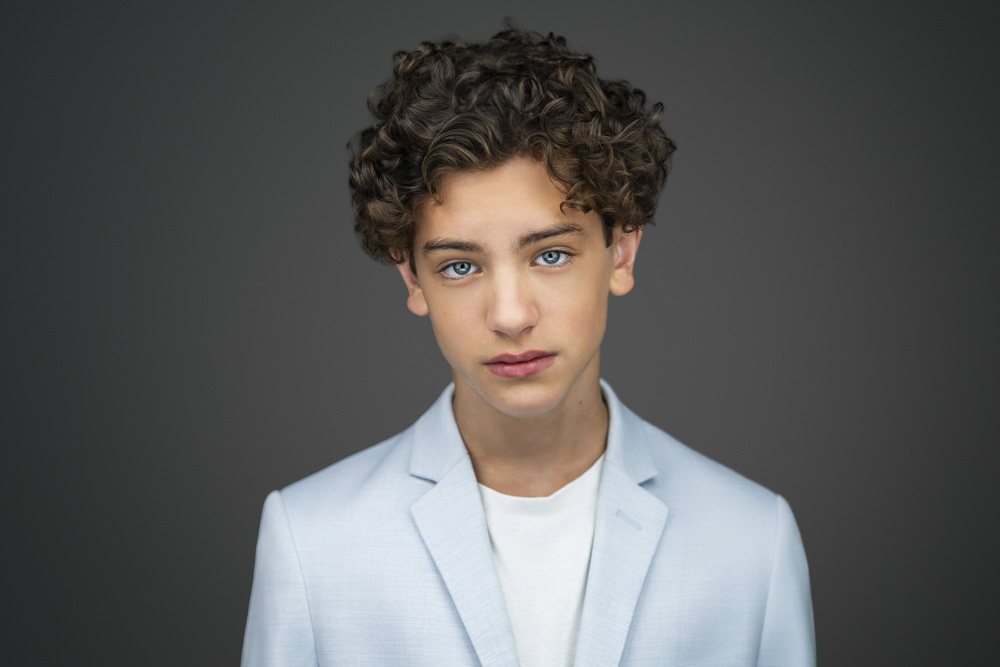
Should You Update Your Headshot, Slate Shot, or Both?
Update both in most cases, because of a platform constraint most actors miss. On Actors Access a slate shot is bound to one photograph and cannot be moved to another, so replacing the headshot means the attached clip does not come with it. The decision is rarely as independent as it looks.
Here is the simplest test I use: if the actor in the clip would surprise someone who just clicked the photograph, the two assets are no longer doing their job together.
Headshot only. Rarely as clean as it sounds. The photo may be the only thing that aged, but replacing it means the attached clip does not carry over.
Slate shot only. The independent case. Your photograph still reads accurately, but the audio is thin or the energy no longer matches the roles you are chasing. Re-record against the photo you already have.
Both. Hair, facial hair, glasses, age range or casting direction has visibly shifted. Two assets recorded eighteen months apart stop describing the same person.
Do Actors Need a Slate Shot?
A slate shot is worth having when it confirms something your headshot cannot show: how you sound, move, and settle on camera. It should not exist just because the platform gives you the option. If the clip is dark, noisy, outdated, or visibly disconnected from your photograph, fix the mismatch before adding more material.
A weak slate shot can work against an otherwise strong headshot. Bad audio and harsh lighting say something about your judgment, and casting reads that.
Where Both Assets Sit in Your Casting Materials
Your actor headshot and slate shot are the front of a stack, not the whole stack.
- Actor headshot, the primary filter and your type statement
- Slate shot, the seven-second confirmation attached to that headshot
- Reel or scene footage, where actual performance lives
- Resume and training credits, providing context and credibility
- Agency or personal site, for anyone who wants to look further
Each layer answers a different question, in roughly that order. The common failure is investing in the bottom of that list while the top two go three years stale.
If you are earlier in the process, my guide to becoming an actor in New Jersey covers how these pieces come together from the start.
Ready to Update Your Actor Headshot in NYC or New Jersey?
If you are an actor working in New York City or Northern New Jersey and your headshot and slate shot no longer describe the same person, fix the mismatch before your next submission cycle.
Sometimes the photograph is outdated. Sometimes the clip is. The important part is knowing which problem you are actually solving.
Sessions are built around finding the frames casting responds to. Whether you need a one-look update or a full range across types, get in touch and let’s talk about your session.
Reply...


