


Your Headshot day should feel relaxed, joyful, and completely yours.
I’m Alex Kaplan, a Headshot Photographer and videographer based in New Milford, NJ, serving Northern.
Browse by Category:
headshots
view more

REQUEST INFORMATION
Want to feel like THIS on your Headshot day?
Availability is limited. Check Your Date Here



If you are just getting started as an actor, you have probably heard the word “portfolio” tossed around a dozen different ways. An acting portfolio is really just the collection of materials that shows casting directors and agents who you are and what you can do. It does not need to be complicated or expensive to get right the first time.
After more than 30 years photographing actors across Northern New Jersey and NYC, including towns like Montclair, I have worked with performers at every stage, plenty of them putting a portfolio together for the very first time. (You can read more about my studio and background if you want the longer version.) The ones who move forward with confidence are rarely the ones with the longest resume. They are the ones who understood what actually belongs at this stage, and what can safely wait.
What Is an Acting Portfolio?
An acting portfolio is the working set of materials you use to introduce yourself professionally: to casting directors, agents, managers, and sometimes directly to producers. Think of it less like a scrapbook and more like a toolkit. Every piece in it should have a job to do. If you are earlier in the process and still working out the bigger picture, my guide to becoming an actor in New Jersey covers the full path this portfolio fits into.
For most actors, that toolkit includes a headshot, a resume, training history, and eventually reel footage. Some pieces matter from day one; others can wait until your experience grows. Confusing the two is where most beginners waste time and money.
What Should a Beginner Actor Include?
A beginner acting portfolio should include professional headshots, a simple acting resume, training details, genuine special skills, casting profile links, and video clips if the footage is ready. Strong headshots and an honest resume are usually the most important first pieces. The rest can grow as your experience does.
I get asked this constantly, and the honest answer does not change much based on age. It changes based on where you actually are right now:
- A current, professionally shot headshot
- A one-page acting resume, even a short one
- A list of training, classes, or coaching you have completed
- Special skills that are genuinely yours (accents, sports, instruments, dialects)
- Casting profile links once you have them set up
- Video clips, only if you have usable footage

Notice what is missing from that list at the beginner stage: a demo reel packed with unpaid short films, a dozen headshot variations, or a bio written like a press release. Those come later, once you actually have something to show.
What Should You Build First?
If the full list above feels like a lot at once, here is the order that actually matters:
- Get one strong, current headshot.
- Write a clean, one-page resume.
- Set up one or two casting profiles.
- Add video clips only once you have footage that genuinely strengthens your submission.
Do not delay submitting yourself just because you lack a polished reel. Plenty of working actors book roles with a strong headshot and an honest resume alone. At the same time, do not upload weak footage just to look more complete. Leaving the reel section empty may be better than uploading footage that weakens the rest of your materials.
Start With Strong Actor Headshots
If you only fix one thing before submitting yourself anywhere, make it your headshot. It is usually the first piece of your acting portfolio that casting directors see, and it often determines whether they continue on to the resume at all.

How Acting Portfolio Headshots Differ From Corporate Headshots
Corporate headshots are built to look polished and reassuring. Acting headshots are built to look like you, on your most castable day. They need to feel current and specific enough that a casting director can picture you walking into an audition room and matching the photo exactly, the same standard I use for actor headshots across every session.
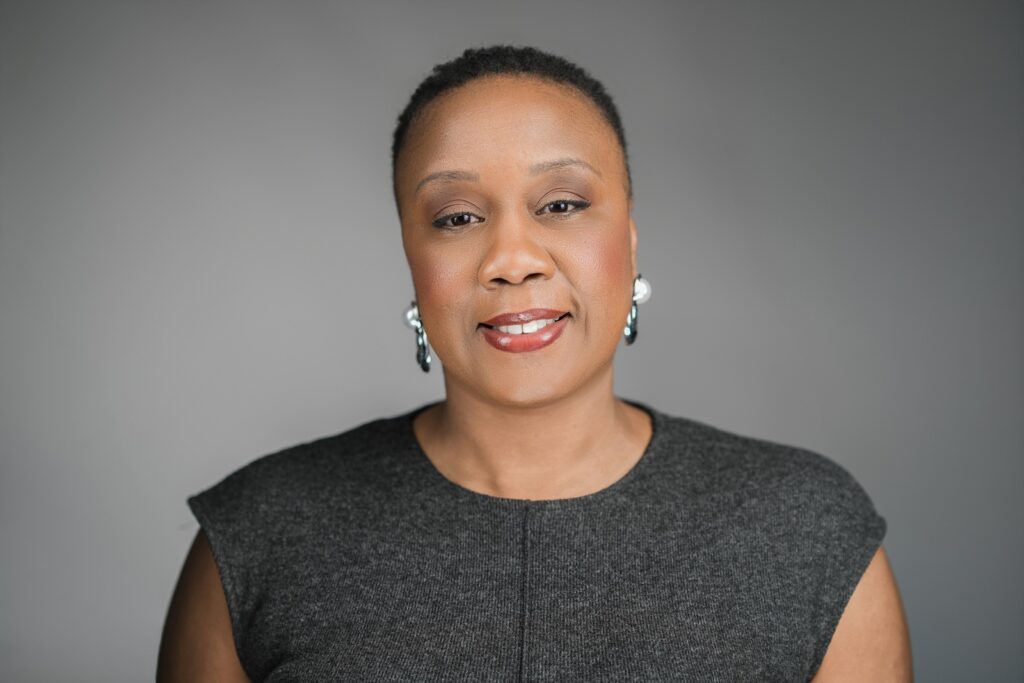
One actor came in convinced a stiff, serious face was the only way to look confident. I could see it: tight jaw, shoulders up by the ears, barely breathing. Instead of correcting the pose, I asked them to take off their blazer and just talk to me about how they got into acting. Their shoulders dropped. The tension left their neck. A real smile reached their eyes. That was the shot we used. It read as warm and confident, not stiff, which is exactly what a first portfolio needs.
Add a Simple, Honest Acting Resume
Your resume does not need padding, and padding almost always backfires. A one-page resume listing your real training, your real special skills, and whatever credits you genuinely have is more useful than a longer one that stretches the truth.
If you are brand new, say so plainly. List your training. List your coaches. List your special skills honestly. Casting directors have seen thousands of beginner resumes; what stands out is clarity, not exaggeration.
Keep the format simple: contact info at the top, then credits by category (film, television, theater, student work), then training, then special skills. Save the personality for the audition room; accuracy matters more than clever formatting. If you are unsure what to wear for the headshot that goes with that resume, I put together a full styling guide that covers exactly this.
Treat your resume like a living document, not a one-time task. Update it the same week you finish a class, book a role, or pick up a genuine new skill. It will always serve you better than one you plan to “fix later.”
Do You Need Video Clips Right Away?
Not necessarily. Weak footage may do less for you than waiting for stronger material. If you do not have strong footage yet, it is usually better to leave that section off your actor portfolio entirely rather than fill it with something weak.
Once you book work you are proud of, even a short scene or self-tape, that is worth adding. Until then, your headshot and resume can carry the weight on their own.
Where Casting Profiles Fit In
Casting profiles (think Actors Access, Casting Networks, or similar platforms depending on your market) are where your portfolio actually lives day to day. Your headshot, resume, and any reel footage all live here, and this is what casting directors browse when filling a role.
Setting up a clean, complete profile matters as much as the materials themselves. An outdated headshot or a typo-filled resume on an otherwise strong profile sends the wrong signal before anyone even meets you.
Most platforms let you upload multiple headshots, tag your special skills, and organize credits by category. Take the time to fill these fields out completely rather than leaving a bare-bones profile with just one photo. Casting directors often filter searches by skill, type, or location. Leaving those fields incomplete can keep your profile out of searches where you might otherwise be a match.
How to Keep Your Portfolio Updated
Your portfolio is not a one-time project. Update your headshot when your look meaningfully changes, not just once a year on a schedule. Update your resume after every credit, every class, and every skill you pick up. Casting directors notice when a profile feels current versus when it feels frozen in time.
A good rule of thumb: if you look in the mirror and think your headshot does not quite match what you see, it is time for a new one.
What Should a Beginner Actor Avoid Including Too Early?
At the beginner stage, avoid composite cards with looks you have not actually demonstrated, a professionally written bio before you have real experience to support it, and agent submissions before your headshot and resume are genuinely ready. Beginners often feel pressure to look “complete” right away, and that pressure leads to some avoidable mistakes.
Building Your Acting Portfolio Without Rushing
If you are weighing whether your headshots are agent-ready yet, I wrote a full breakdown on that exact question. A portfolio built patiently, one useful piece at a time, is usually stronger than one rushed together simply to look complete.
Getting Started
If you are building your first acting portfolio, your headshot is usually the piece that opens the door. I can help you create images that feel natural, current, and useful for real submissions, whether you are in Northern New Jersey, NYC, or anywhere in between. Reach out here and we can talk through the roles you are pursuing and what your portfolio actually needs next.
Reply...


