


Your Headshot day should feel relaxed, joyful, and completely yours.
I’m Alex Kaplan, a Headshot Photographer and videographer based in New Milford, NJ, serving Northern.
Browse by Category:
headshots
view more

REQUEST INFORMATION
Want to feel like THIS on your Headshot day?
Availability is limited. Check Your Date Here
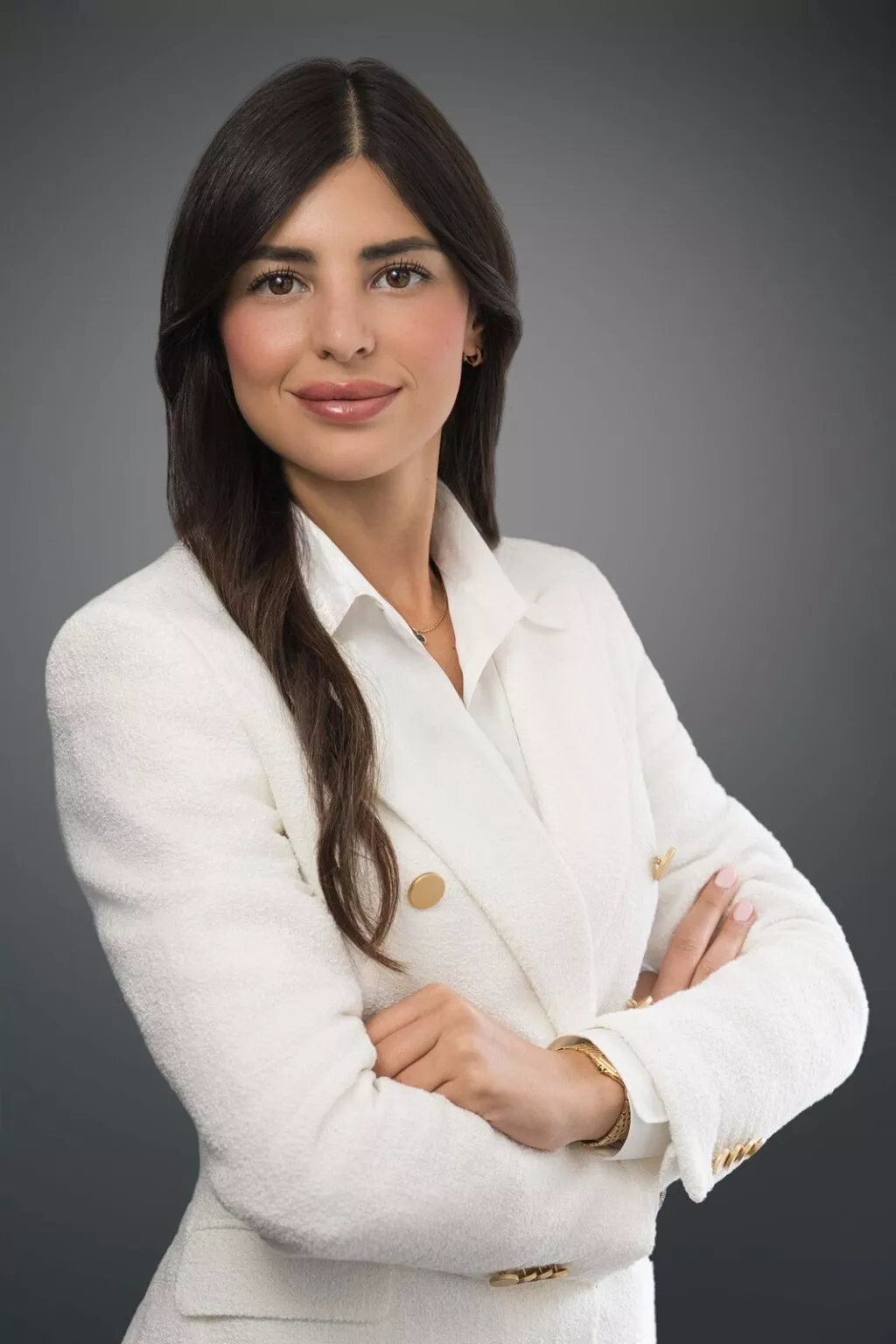
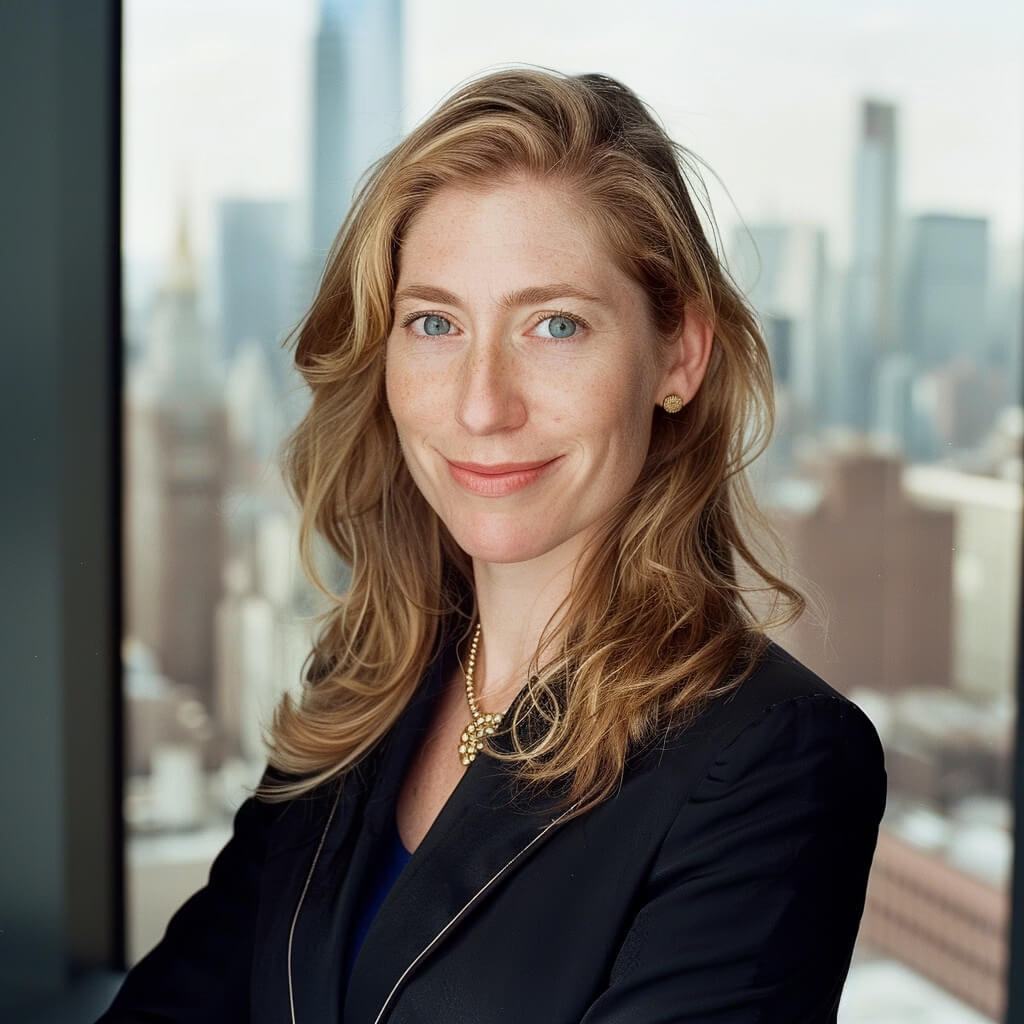
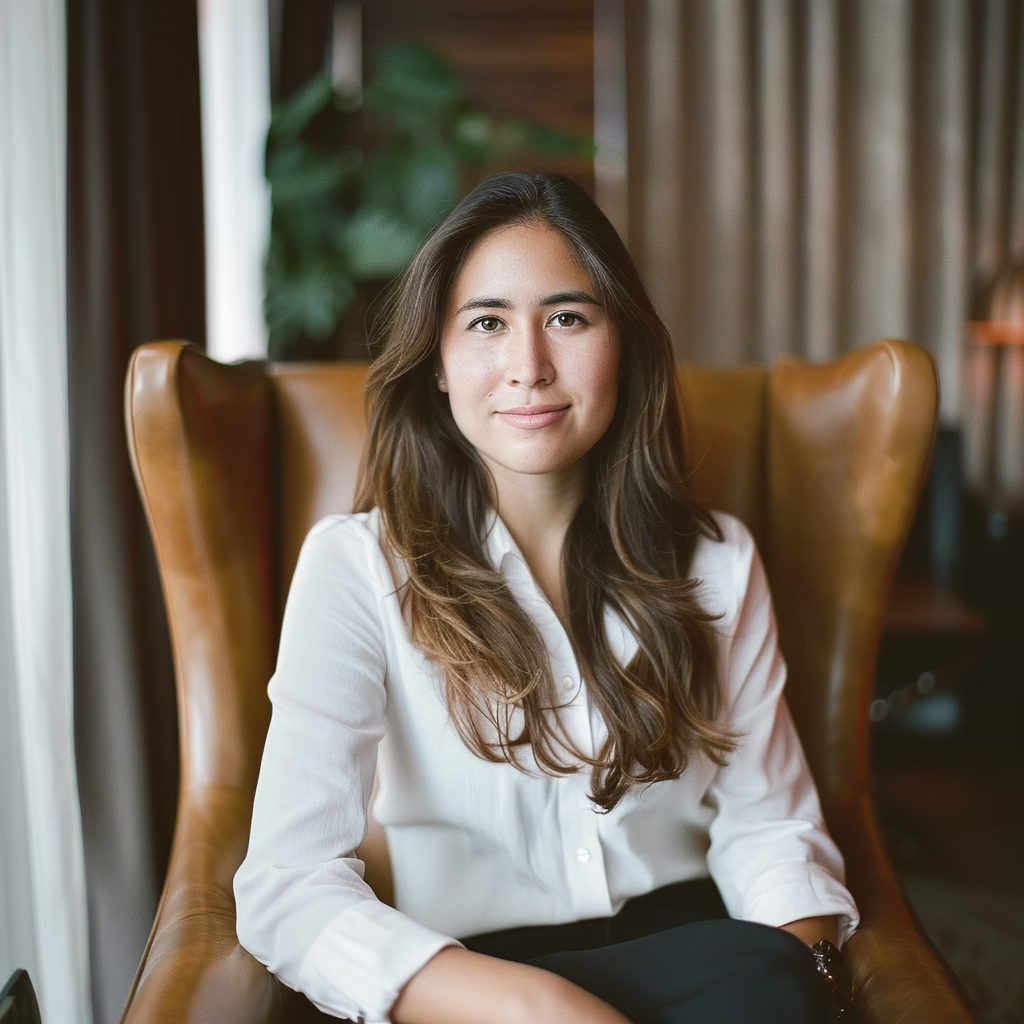
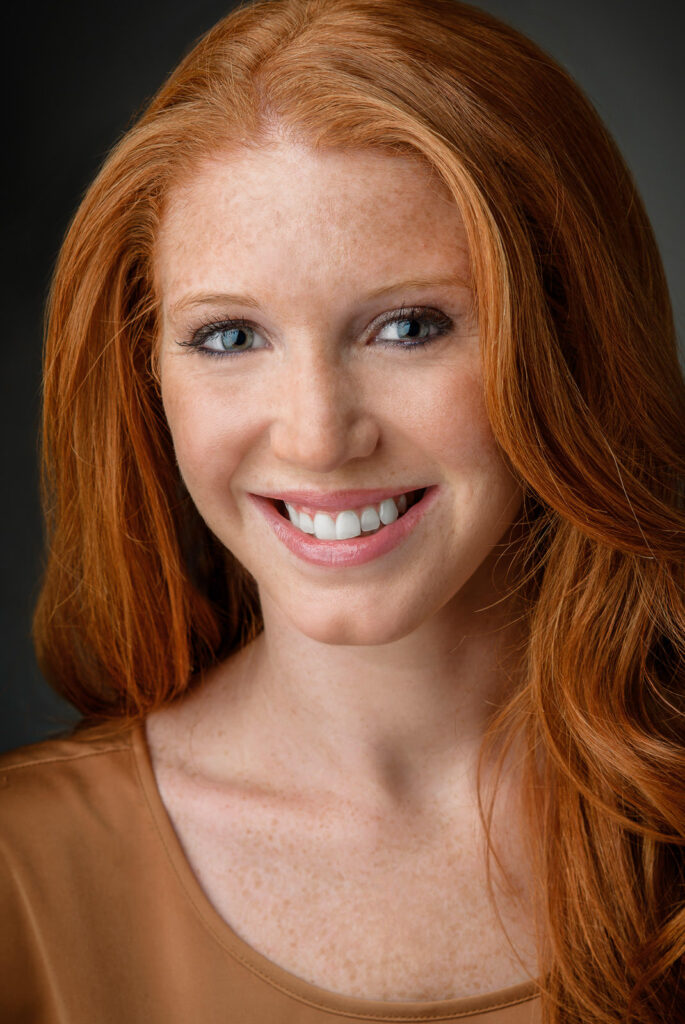
Some professional portraits make you stop mid-scroll. Others disappear into the background of LinkedIn feeds, law firm bios, company websites, and speaker pages almost immediately.
The difference is rarely the camera. It is rarely the resolution. It is rarely even the backdrop.
It is whether the photograph captures a real person, or a posed performance of what that person thinks they are supposed to look like.
That is why modern editorial headshots have moved from a stylistic preference to a professional standard. For executives, attorneys, consultants, and entrepreneurs across Northern New Jersey and NYC, the conversation has shifted from “do I need a headshot?” to “does mine still represent who I am?”
A strong portrait needs to look polished. But it also needs to feel human.
Explore how this applies to your field on our LinkedIn headshots NYC and executive headshots NYC service pages.
What Are Modern Editorial Headshots?
Modern editorial headshots combine professional branding photography with natural expression, cinematic lighting, and personality-driven portraiture. Unlike traditional corporate portraits, editorial style headshots are designed not only to identify you, but to communicate how you show up professionally. The result is a portrait that feels confident, approachable, current, and unmistakably real.
Why Traditional Corporate Headshots Are Starting to Feel Outdated
For years, the standard corporate headshot followed the same formula: neutral background, fixed posture, practiced smile, flat lighting. That approach worked because professionalism used to be communicated through uniformity. Everyone looked similar, so the image felt appropriately safe.
The problem now is that safe reads as forgettable.
Professionals are competing for attention across crowded digital spaces, and a stiff portrait does not always communicate authority. Sometimes it communicates discomfort. A forced smile, tense shoulders, or overly flat lighting can quietly work against someone who is highly capable in person.
Research in social perception confirms why this matters. A widely cited Princeton study found that people form trustworthiness and competence judgments from a single facial photograph in under 100 milliseconds, before conscious reasoning even begins. The photo does not tell the whole story. But it almost always starts it.
For many professionals, that first visual impression is carrying more weight than they realize.
What Makes an Editorial Headshot Different?
The word “editorial” comes from portrait photography used in magazines, interviews, and feature stories. Those images were never simply identification tools. They were built to communicate presence, personality, authority, and warmth.
That same thinking now drives modern professional headshots at the premium end of the market. An editorial professional headshot still needs to be clean and credible. But it should also have a point of view. It should give the viewer a genuine sense of the person behind the title.
Cinematic Lighting and What Makes a Headshot Look High-End
Flat lighting records a face. Cinematic lighting reveals it.
In a luxury professional headshot, the lighting is intentional: shaped, warm, dimensional. There may be subtle shadow, contrast, or depth that creates a quality most viewers will not analyze technically but will absolutely feel. The portrait looks more sophisticated without appearing overdramatic.
That quality is one of the clearest differences between a generic headshot and a cinematic business portrait. The viewer senses it immediately, even when they cannot explain exactly why.
Natural Expression Over Forced Performance
The most common failure point in professional headshots is not posture or clothing. It is expression.
Most people know when they are forcing a smile. The camera knows it too. You can see it around the eyes. You can see it in the jaw. You can see the subtle tension of someone who is waiting for the photograph to be over.
A strong editorial headshot does not happen by telling someone to “look natural.” It happens by creating the conditions where a real expression has room to emerge on its own. The best frames often arrive between poses, when the subject stops trying and starts to settle into themselves. That is usually where the portrait begins to feel alive.
Why Do Modern Headshots Look More Natural?
Modern headshots look more natural because the session is structured differently from the start.
Instead of placing someone into a fixed pose and asking them to hold it, an editorial-style session is built around movement, conversation, and ease. The photographer is watching for the moments when expression becomes genuine, not just technically acceptable. The result is a portrait that looks relaxed because the subject actually became relaxed. That difference is visible in the final image, and it cannot be retouched into a photograph that was captured under tension.
Wardrobe, Environment, and Visual Cohesion
Every element within the frame either supports the subject or competes with them.
Wardrobe, background, and lighting are considered together rather than independently. A darker jacket may create structure. A softer neckline may add warmth. A deep neutral background may pull attention cleanly to the face. In an executive editorial portrait, none of these choices are random. The point is not to over-style the image. The point is to make sure every element is helping the viewer see the person clearly.
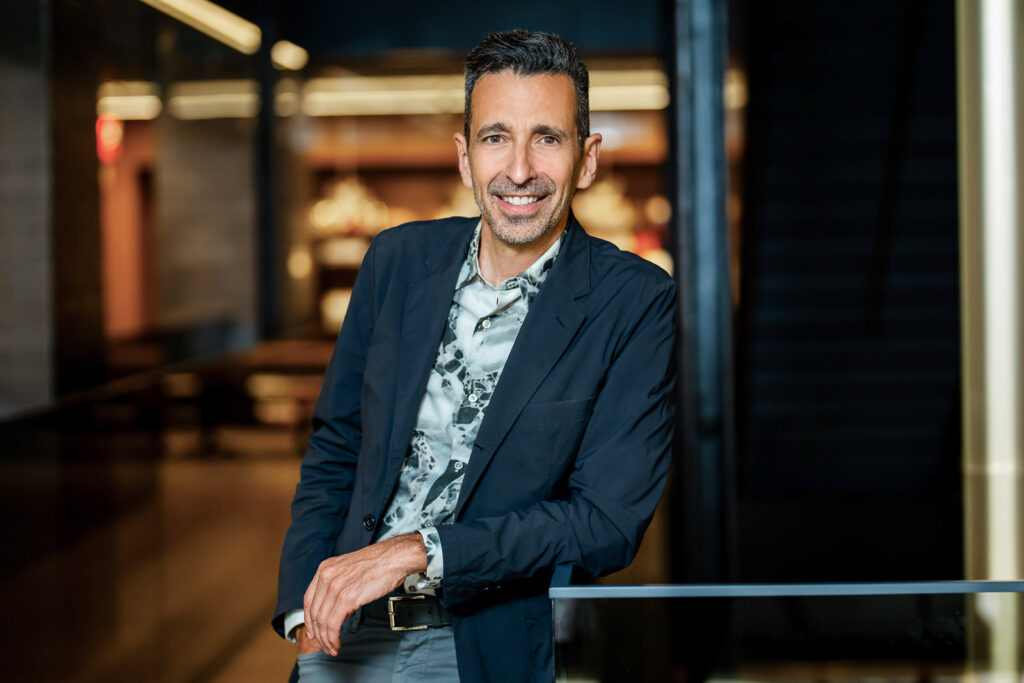
Why Professionals Are Moving Toward Editorial Branding Photography
The standard for professional imagery has shifted because the way people evaluate professionals has shifted.
A headshot is no longer used in one place. It follows you everywhere: LinkedIn, Google results, company pages, proposals, panel announcements, podcast features, press bios, and internal directories. For many professionals, it becomes the most repeated visual representation of their name. That is why personal branding headshots have become a strategic investment rather than an administrative checkbox.
A portrait with genuine warmth, visual sophistication, and clear personality can separate someone from dozens of similar profiles. It can make an attorney feel more approachable, an executive feel more current, a consultant feel more premium.
There is also a subtler dynamic at work. As AI-generated imagery becomes more widespread, audiences are becoming more sensitive to what authentic human presence actually looks like in a photograph. Images that feel manufactured, however polished, register as slightly off. A strong modern professional headshot does not need to look perfect. It needs to feel believable.
Modern corporate headshots NJ professionals are increasingly choosing photography that reflects this reality, and the results are visible in how those portraits perform on LinkedIn compared to outdated corporate alternatives.
Are Editorial Headshots Good for LinkedIn?
Yes, and the data supports it. LinkedIn’s internal research has consistently shown that profiles with high-quality photographs generate significantly more profile views, connection requests, and messages than those without. What has evolved is the standard of what “high-quality” now means on the platform.
Editorial headshots NJ professionals use on LinkedIn perform well precisely because they stand out from the visual noise of generic studio portraits. Warmth, dimension, and personality in a photograph translate directly into profile engagement.
If your current LinkedIn photo no longer reflects where you are in your career, our executive headshots NYC page shows exactly what a modern update looks like in practice.
For a closer look at how this plays out in real sessions for professionals in this region, read our article on professional headshots in Northern New Jersey that actually feel like you.
Who Actually Needs Editorial Professional Headshots?
The better question is not “who could benefit from a better headshot?” Almost every professional with an online presence could answer yes to that.
The more useful question is: whose current image is already shaping trust, before they realize it?
Executives and senior leaders need portraits that represent both themselves and the organizations behind them. If the company messaging feels current but the leadership photos feel dated, there is a quiet contradiction that clients and partners will notice even if they never mention it.
Attorneys and law firm partners operate in a field where trust is the product. Before a prospective client reads a single credential, they are already asking themselves whether this person feels credible, approachable, and capable. An executive editorial portrait that answers that question in the right direction is worth more than most attorneys realize.
Consultants and independent professionals rely heavily on personal perception. Their image appears before calls, proposals, speaking engagements, and referrals. A generic photo can quietly undermine the premium positioning they are working to build everywhere else.
Physicians and medical professionals need warmth as much as authority. Patients often want to feel reassured before they schedule. A portrait that reads as approachable and competent simultaneously does real work before the first appointment is ever booked.
Creatives, entrepreneurs, and public-facing professionals need portraits with personality and range. A standard corporate photo rarely gives them enough room to communicate who they actually are.
The common thread: if your photo is creating a smaller impression than you make in person, it is already costing you something.
How Do Professionals Get Modern Editorial Headshots?
The process is usually easier than people expect, and the preparation matters far less than the environment you are placed in.
A well-run editorial headshot session starts with a conversation: what the images will be used for, what impression they need to create, and what has made past photography experiences uncomfortable. That conversation shapes everything from lighting approach to session pacing.
From there, wardrobe, background, and lighting are guided around you. You are not expected to walk in knowing how to pose. Most people do not, and they should not have to. The photographer’s job is to read the person in front of the camera, make small adjustments, and create enough ease that real expression begins to surface on its own.
By the end of a session structured this way, most clients are surprised by how calm it felt. That calm is not just a comfort issue. It is visible in every frame.
How Alex Kaplan Approaches Editorial-Style Professional Headshots
After more than 30 years in professional photography, one thing has become very clear to me: the quality of a portrait is almost entirely decided before the shutter is pressed.
Most people arrive to a headshot session carrying tension they are not fully aware of. It may be in the shoulders, the jaw, the eyes, or the particular kind of smile someone produces because they think they are supposed to. If that tension is left unaddressed, it will appear in the photo no matter how good the lighting is.
That is why I do not start by rushing someone in front of the camera. I start by talking.
I want to know where the image will be used, what kind of impression matters most, and what has made past sessions feel uncomfortable. That conversation tells me how to guide everything that follows.
Some people need more direction. Some need more conversation. Some need to move before they settle. Some need to stop thinking about the camera altogether.
The real work is paying attention.
I am watching for the moment when the expression stops looking managed. The eyes soften. The face becomes less guarded. The person starts to look like themselves again.
That is usually the frame.
The lighting, posing, background, and pacing are all important, but they exist to support the subject, not overpower them. A strong editorial headshot should feel polished, but the photographer’s style should never be louder than the person in front of the lens.
The Future of Professional Headshots Is More Human
The strongest professional portraits being made right now are not the most technically perfect ones.
They are the ones that feel the most believable.
That is what modern editorial headshots represent at their best. Not airbrushed skin or a frozen expression. Not a background that looks expensive but communicates nothing. Presence. The kind of visual credibility that makes a stranger trust you before you have said a single word.
For professionals in Northern New Jersey and NYC, that matters because your portrait is often working before you are. It may be seen before the consultation, before the referral call, before the speaking invitation, before the first email is even answered.
A strong editorial portrait closes the gap between how you appear online and how you actually show up in person. That gap is worth paying attention to.
Ready to Update Your Professional Image?
If your current headshot no longer feels like the person you are today, it may be time for a better one.
I work with executives, attorneys, consultants, entrepreneurs, and professionals throughout Newark, Jersey City, Hoboken, and across Northern New Jersey and NYC. Sessions are calm, guided, and designed specifically for people who may not love being photographed. You do not need to know how to pose. You do not need to arrive feeling comfortable. That part is my job.
With more than 30 years of experience helping professionals look and feel their best in front of a camera, the goal is always the same: a modern editorial headshot that looks like you on your best day and works across LinkedIn, your website, speaker bio, press features, and anywhere else your name appears professionally.
If you are ready to update your professional image, I would be glad to help.
Reply...


