


Your Headshot day should feel relaxed, joyful, and completely yours.
I’m Alex Kaplan, a Headshot Photographer and videographer based in New Milford, NJ, serving Northern.
Browse by Category:
headshots
view more

REQUEST INFORMATION
Want to feel like THIS on your Headshot day?
Availability is limited. Check Your Date Here



If you’ve ever wondered do recruiters look at LinkedIn photos before they read a single line of your experience, yes. They do. And it happens faster than most people realize.
I’ve photographed professionals across Northern New Jersey and NYC for over 30 years, and the same scene plays out in my studio almost every week. An executive sits down, exhales, and says some version of: “I know I need to update this thing. I’ve been putting it off.” Then, usually within the first ten minutes, they tell me they don’t really know what makes a LinkedIn photo work. They just know theirs isn’t doing it.
That gap is what this article is about. It has very little to do with vanity and almost everything to do with how recruiters read a profile in the first few seconds.
The 7-Second Window: How Recruiters Actually Scan a Profile
Recruiters don’t read LinkedIn the way you write it.
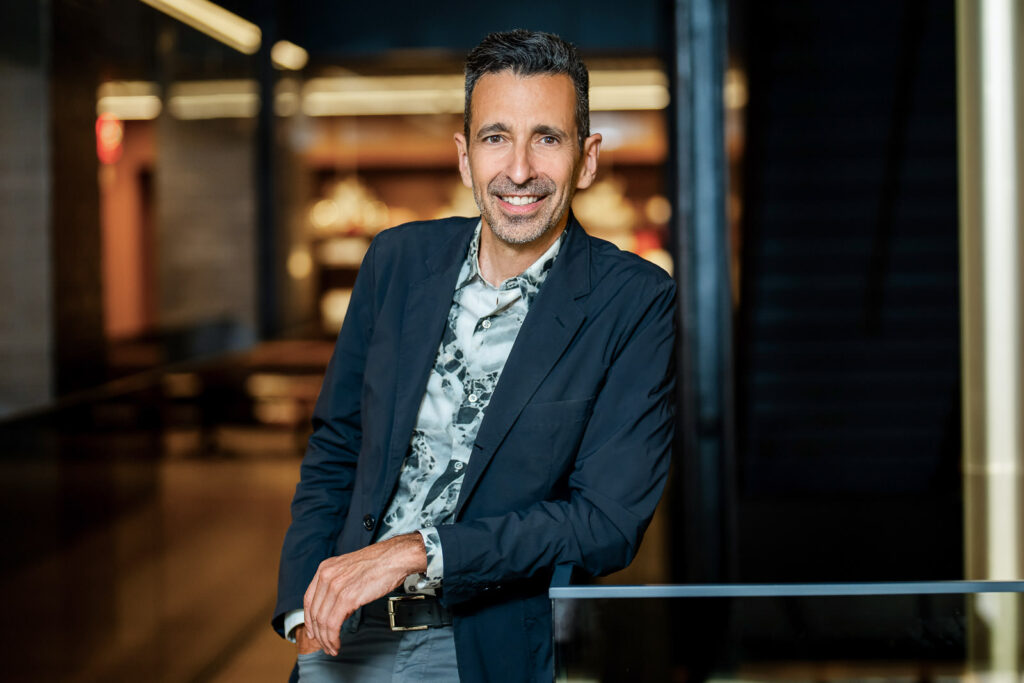
They scan. A first pass is usually a matter of seconds, often less when they’re sourcing for high-volume roles. Their eyes move in a predictable pattern: photo, name, headline, current role. The photo isn’t decoration. It’s the first piece of data they process, and everything underneath it gets read in that light. It’s where the recruiter’s first impression of you actually forms.
This is why a strong LinkedIn headshot in NYC does more heavy lifting than people assume. It’s not about looking polished for its own sake. It’s about giving the recruiter a stable first impression so the rest of your profile gets a fair read.
When the photo feels off (too casual, oddly cropped, harsh light, distracting background) recruiters don’t consciously think “bad photo.” They just hesitate. And hesitation, in a quick scan, usually means moving on.
What Recruiters Actually Notice First (And It’s Not What You Think)
Most professionals worry about the wrong things. They obsess over whether they look “good enough.” But recruiters aren’t running an attractiveness test. They’re reading small trust signals, most of them unconscious, and what they’re really weighing is credibility and approachability.
Here’s what I watch clients adjust during sessions, sometimes without realizing it, and what recruiters end up reading on the other side:
Eyes. A calm, direct gaze reads as confident and present. When someone is uncomfortable, their eyes tighten slightly, even when they’re smiling. I see it on the back of the camera before they feel it. Recruiters see it too. They just don’t know why a photo feels stiff.
The real smile vs. the polite one. There’s about an inch of difference between the two, and everyone can tell. The real one is what communicates approachability. Without it, even technically good photos feel cold. The real smile rarely shows up in the first few frames. It usually arrives later, often after a client laughs at something completely unrelated to the shoot. That’s the frame we use.
Posture. Shoulders squared, chin neutral, head not tilted defensively. A lot of executives walk into a session leaning slightly forward, a habit from years of meetings, and we have to reset that before the camera goes up. When the posture is off, the photo quietly undermines credibility, even in someone who runs a department.
Background and lighting. A clean, intentional background signals self-awareness. Harsh shadows or obvious phone-flash lighting suggests the person didn’t think this part mattered. That impression bleeds into how the rest of the profile is read.
None of this is about being photogenic. It’s about clarity. The best professional LinkedIn photos don’t make the viewer work to trust you. The trust is just there, before they’ve decided anything.
Why “Just Any Photo” Costs You More Than You Realize
A common pattern I see: someone has been using the same LinkedIn photo for years. Technically it’s a fine photo. The problem is that the person in it isn’t quite the person they are today.
They’ve been promoted. They’ve stepped into a more senior role. They’re presenting to bigger rooms now. But the photo still reads at the level they were at when it was taken: a slightly more casual collar, a softer posture, an expression that fit who they were five or ten years ago.
That’s the kind of mismatch recruiters pick up on without being able to name it.
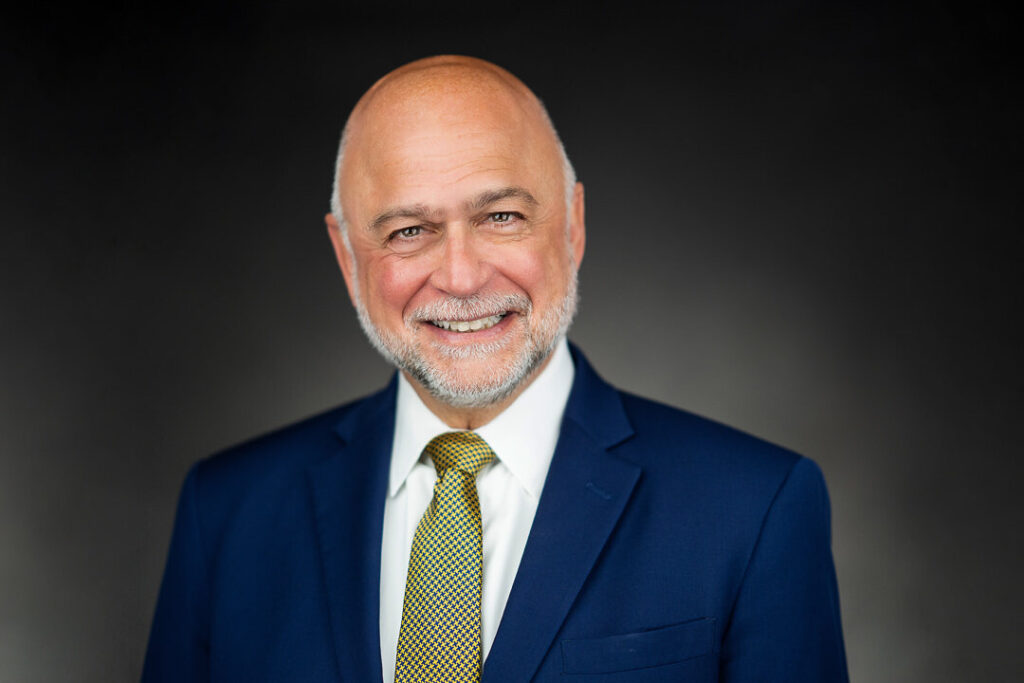
I see this constantly with clients in Newark, Hoboken, and Manhattan: people who put off updating their photo for years because they didn’t think it mattered that much. Then they hit a transition (promotion, board seat, job search, pivot) and suddenly the old LinkedIn profile photo starts feeling like a liability.
It usually is. Outdated photos create a small but persistent credibility gap. If a recruiter clicks through to your profile and the photo looks noticeably younger than the person they’d meet at an interview, the brain registers that inconsistency. It’s subtle. But it plants doubt.
This is one of the most common patterns I see, and it’s covered in more depth in our breakdown of LinkedIn headshot mistakes that hurt trust. The mistakes are rarely dramatic. They’re the quiet ones, the kind that don’t feel like a problem until you realize your profile isn’t getting the response it should.
The Tiny Hesitation That Quietly Costs Professionals Opportunities
This is the part most people never see, and it’s the part that costs the most.
When a recruiter pauses on your photo for half a second too long, not consciously, just a flicker, they don’t reach out. They don’t tell you they didn’t reach out. You don’t see the email that never got sent. The opportunity simply doesn’t exist on your end.
That’s the hidden cost of a weak photo. It’s not the rejection you remember. It’s the introduction that never happened, the headhunter who scrolled past, the hiring manager who didn’t bother to click through. None of it shows up in your inbox. None of it shows up anywhere. But over a career, it adds up.
A strong photo doesn’t get you the job. It gets you the conversation. And in a competitive market, the conversation is the whole game.
You can see how much this shifts in our before-and-after LinkedIn headshots from Northern NJ and NYC. Same person, same face, but in the new photo, they look like someone you’d want to meet.
How Important Are LinkedIn Headshots, Really?
Important enough that I’d put LinkedIn headshots in the top three things on your profile, alongside your headline and your current role.
A profile with a strong, professional LinkedIn photo simply gets engaged with more than one without. People are more likely to click, to read on, to send the connection request or the message. But the deeper truth isn’t really in any of that. It’s in the cumulative effect. A strong photo shifts the quality of every interaction on the platform. Recruiter outreach, client referrals, executive visibility, speaking invitations. Not by a little. By a lot, over time.
For professionals in Northern New Jersey who deal with regular client-facing work or executive presence, this matters even more. The importance of a LinkedIn headshot in Northern NJ is something I talk through with nearly every executive client, because the market here is dense, competitive, and full of people doing the basics well. The photo is often what separates someone who looks senior from someone who looks like they belong at that level.
Can LinkedIn Photos Affect Hiring Decisions?
They can, though not in the direction most people assume. And it comes back to the same question: do recruiters look at LinkedIn photos closely enough to actually change their behavior? Yes, but not the way you’d guess.
A great photo doesn’t get you hired. The interview, your experience, and your fit do. What a great photo does is get you to the interview in the first place. It tips the recruiter toward “yes, let’s reach out” instead of “next.” It builds quiet confidence in the people researching you before a meeting. The right image communicates approachability and credibility at the same time, which is exactly the combination recruiters are scanning for, even if they couldn’t tell you that’s what they’re doing.
That’s the part that’s hardest to measure, and the part that matters most.
When to Update Your LinkedIn Headshot
A lot of professionals wait too long. A good rule of thumb: update your headshot every two to three years, or sooner if any of these apply.
- You’ve changed roles, industries, or career levels
- Your appearance has noticeably changed
- Your current photo is cropped, casual, or taken on a phone
- You’re entering a job search, board search, or active networking period
- You’ve stepped into a more senior or client-facing position
If two or more of those are true, you’re probably overdue.
Ready for a Headshot That Actually Helps You?
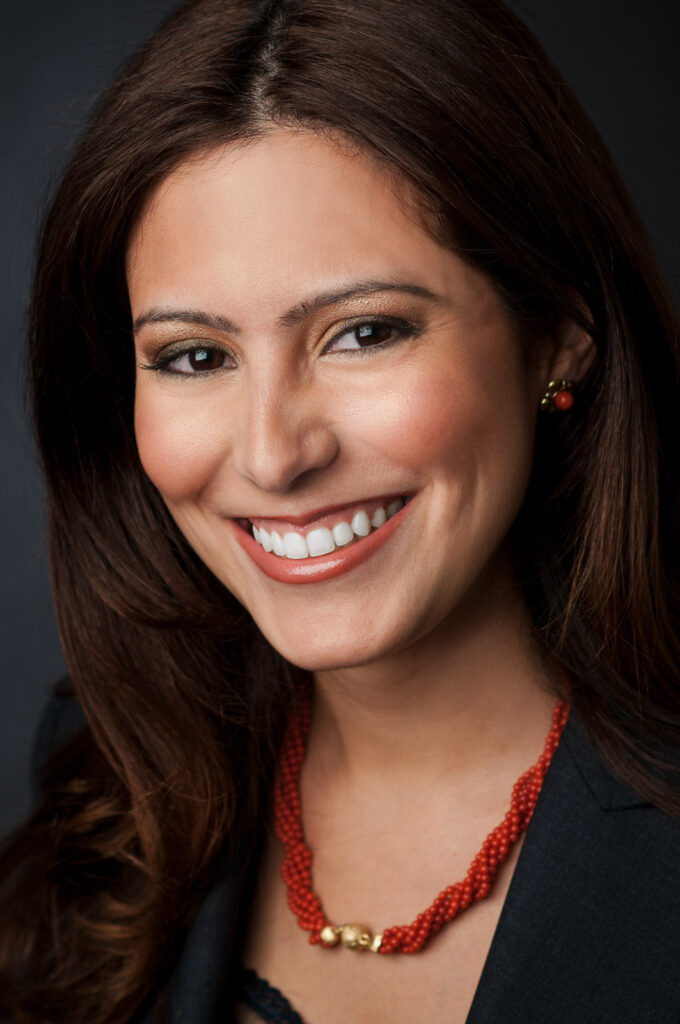
If you’re a professional in Northern New Jersey, NYC, or the surrounding area, and you want a LinkedIn headshot that communicates the level you’re actually operating at, that’s the work I do. A lot of my clients are executives, attorneys, physicians, and senior professionals who don’t love being photographed. We work calmly until the right images are on the card, and most people leave surprised at how much easier it was than they expected.
Reach out here and we’ll talk through what you need.
Reply...


