


Your Headshot day should feel relaxed, joyful, and completely yours.
I’m Alex Kaplan, a Headshot Photographer and videographer based in New Milford, NJ, serving Northern.
Browse by Category:
headshots
view more

REQUEST INFORMATION
Want to feel like THIS on your Headshot day?
Availability is limited. Check Your Date Here
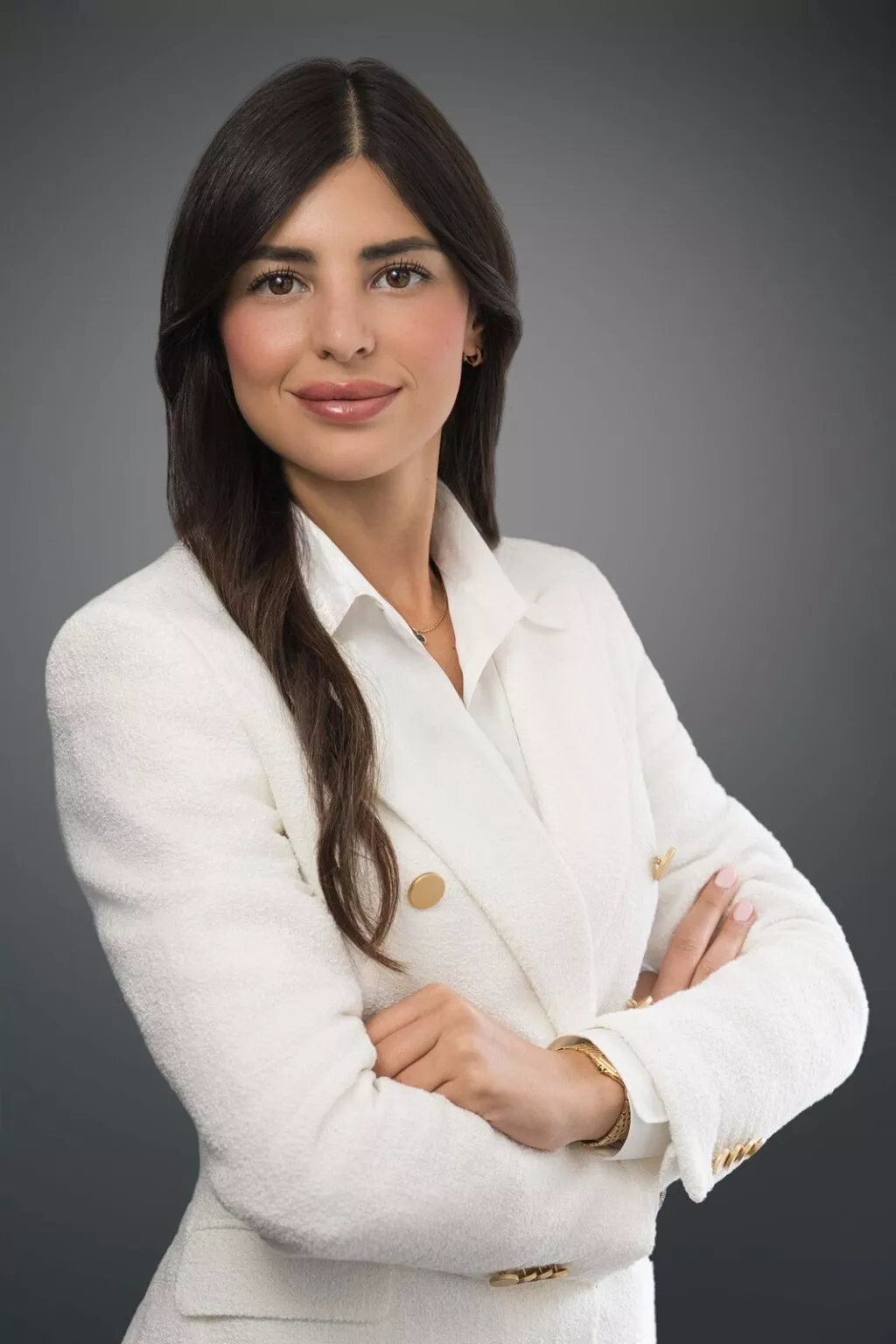
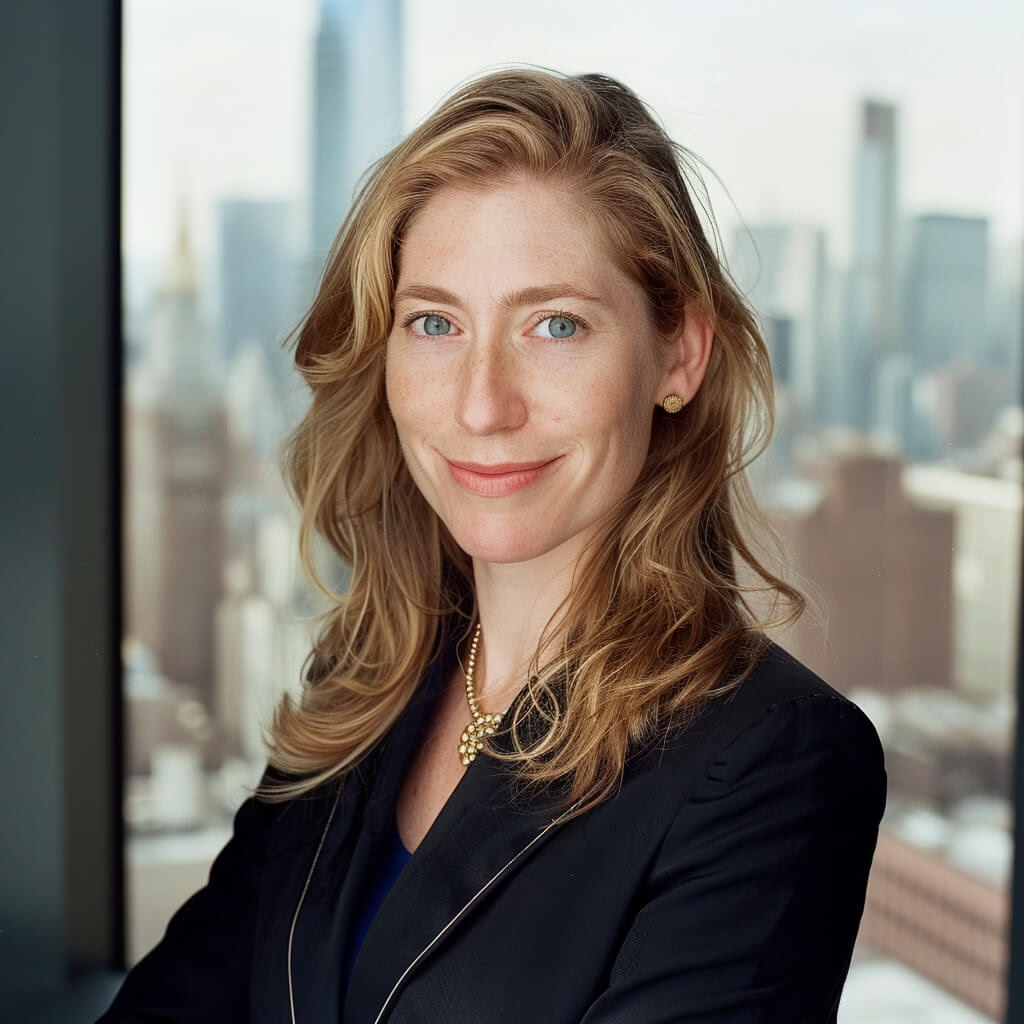
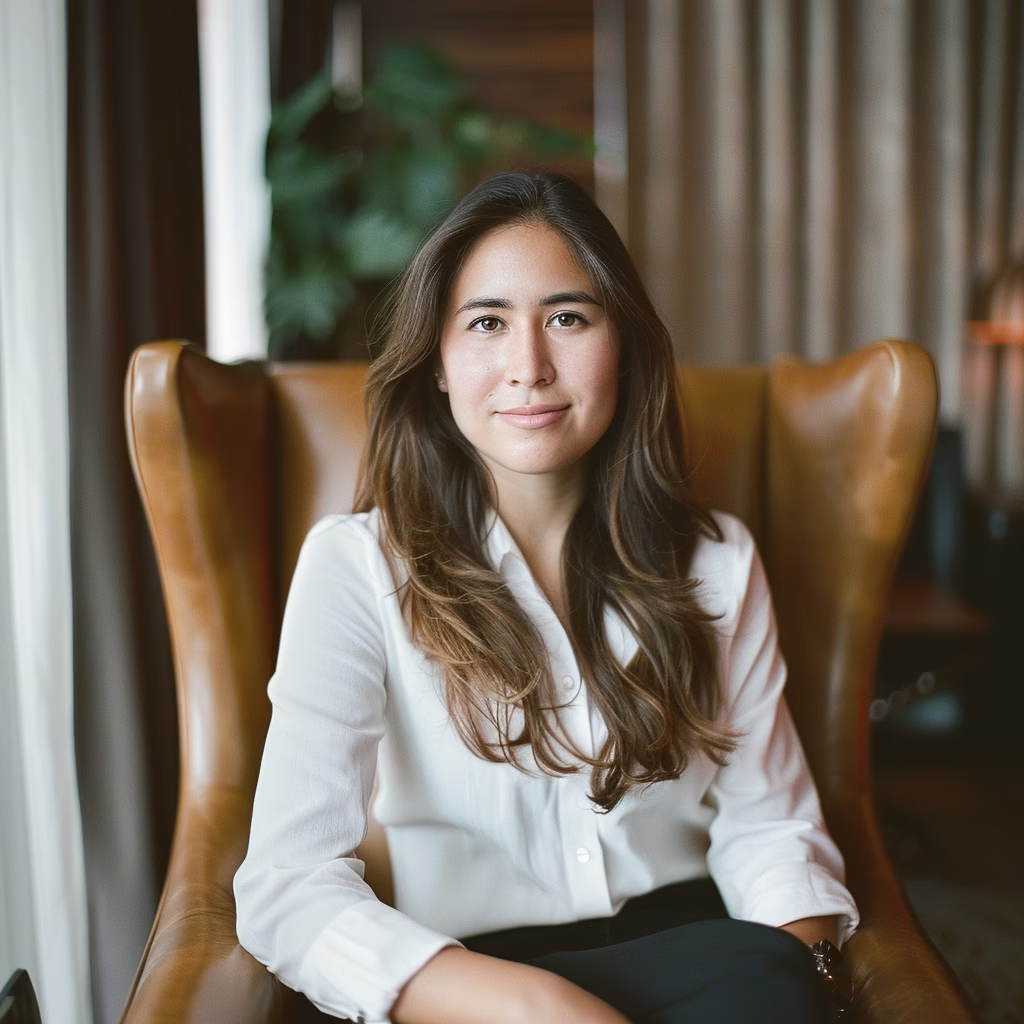
Before someone reads your bio, checks your experience, or visits your website, they usually react to your face first.
Not in a dramatic way. More like a quiet first impression.
Some headshots immediately feel confident, calm, and trustworthy. Others may be technically sharp, well-lit, and professionally edited, but something still feels off. The person looks polished, but not quite present.
That difference matters.
A strong set of trustworthy professional headshots does more than make someone look good. It helps people feel comfortable with you before they meet you. That is especially important for executives, consultants, attorneys, physicians, real estate professionals, and anyone whose online presence affects how people decide whether to reach out.
That is why professional headshots cannot just be about a clean background and good camera settings. They have to feel human.
If you are comparing different styles, our main corporate headshot page shows how professional portraits can feel polished without looking stiff. For more leadership-focused work, you can also review our executive headshots NYC sessions.
What Makes a Headshot Trustworthy?
A trustworthy headshot feels emotionally consistent.
The eyes, posture, expression, lighting, and body language all seem to belong to the same person. Nothing feels forced. Nothing feels overly performed.
That sounds simple, but it is usually where weaker headshots fall apart.
Someone may be smiling, but their eyes look guarded. Their posture may look formal, but their face looks uncomfortable. The lighting may be clean, but the expression feels flat. The result is a photo that looks professional on the surface, but does not fully create trust.
After more than 30 years photographing people, I have seen this happen many times. People often walk in thinking the goal is to “look professional.” So they sit up too straight, hold their smile too long, and start watching themselves from the inside.
Then something changes.
The shoulders drop a little. The jaw relaxes. The smile stops being held and starts happening. That is usually when the headshot begins to feel trustworthy.

Why Do Some Headshots Look More Professional?
Some headshots look more professional because they feel intentional without feeling stiff.
That balance is easy to miss.
A stiff photo can still have nice lighting. A generic photo can still have a good background. A heavily retouched photo can still look expensive. But professional does not automatically mean trustworthy.
The best professional headshots usually have a quiet confidence to them. The person looks prepared, but not rehearsed. Approachable, but not overly casual. Comfortable, but not careless.
That is the line most people are really looking for.
This is also where many LinkedIn images fall short. A photo may be technically acceptable, but still create the wrong impression. It may feel outdated, too cropped, too casual, too serious, or too disconnected from the person’s actual role.
We cover more of those issues in this guide to LinkedIn headshot mistakes that hurt trust.
The Eyes Usually Decide First
Most people notice the eyes before they notice anything else.
Not consciously. They just feel whether the person seems present.
In a good headshot, the eyes do not need to look intense. They need to look engaged. There is a difference.
Overly intense eye contact can feel guarded or aggressive. A blank expression can feel disconnected. A forced smile can create tension around the eyes that people sense immediately, even if they cannot explain it.
The strongest trustworthy headshots usually have relaxed attention in the eyes.
The person looks like they are actually there with you.
That is why I rarely chase a big smile first. A big smile can work beautifully when it is real, but it cannot carry the whole image by itself. If the eyes are tense, the smile will not fix it.
Sometimes the best frame is quieter. A small expression. A slight smile. A calm, steady look.
That can feel far more credible than a perfectly posed grin.
Posture Should Support the Expression
Posture is another detail people read quickly.
A person leaning too far back can feel distant. Shoulders pulled too high can feel nervous. A chin lifted too much can feel arrogant. A body turned too far away from the camera can feel guarded.
Most viewers will not name those things. They will just feel them.
During a session, small adjustments make a big difference. A slight lean forward can make someone feel more engaged. A relaxed shoulder line can soften the whole portrait. A small shift in chin angle can make the face feel more open.
The goal is not to pose someone into a fake version of confidence.
The goal is to help their body stop fighting the camera.
When the body settles, the face usually follows.
Lighting Should Make the Person Feel Clear, Not Manufactured
Lighting affects trust more than most people realize.
Not because viewers are studying the light. They are reacting to how the person feels inside the light.
Flat lighting can make a face look lifeless. Harsh lighting can make someone feel severe. Overly dramatic lighting can pull attention away from the person and onto the photography itself.
The best lighting for professional branding photography usually disappears into the portrait.
You notice the person first.
In real sessions, the right light often changes the whole feeling of a face. The eyes become clearer. The skin still looks natural. The expression feels more dimensional. The person looks alert without looking overly staged.
That is what good lighting should do.
It should not make someone look like a different person. It should help people see them more clearly.

How Do Professional Photos Build Trust?
Professional photos build trust by reducing uncertainty.
When someone sees a headshot online, they are often making small judgments quickly. Do they seem credible? Do they seem approachable? Do they look current? Do they look like someone I would be comfortable contacting?
A strong headshot answers those questions quietly.
It does not beg for attention. It reassures.
This matters because people often meet your image before they meet you. Your headshot may appear on LinkedIn, a company bio page, a speaking profile, a proposal, an email thumbnail, or a website contact page.
Before your words have a chance to explain who you are, your photo has already started the conversation.
That is why the wrong image can create friction.
A stiff headshot can make a warm person seem distant. An outdated photo can make a capable professional seem less current. An over-edited image can make someone feel less real.
The right image does the opposite.
It gives people enough confidence to keep reading.
What Makes People Trust Someone Online?
People trust someone online when the image feels believable.
That does not mean casual. It means honest.
A trustworthy headshot usually looks like the person could walk into a meeting looking similar to the way they appear in the photo.
This is where over-retouching becomes a real problem.
When every line is removed and every bit of texture is softened, the face can start to feel less human. People may not know why the image feels artificial. They just feel a little distance.
That distance matters.
Most professionals do not need to look perfect. They need to look credible, current, and real.
That is also why your headshot should match the message you want people to receive. A financial advisor may need calm confidence. A founder may need energy and approachability. A physician may need warmth and competence. A litigator may need steadiness and authority.
The same pose does not work for everyone.
Your image should fit the way people need to trust you.
For a deeper look at this, see our guide on what your headshot says about you and how to make it say the right thing.
The Best Headshots Usually Happen After People Stop Performing
This is one of the biggest patterns I see.
The strongest headshot rarely happens right away.
At the beginning of a session, most people are still managing themselves. They are thinking about their smile, their chin, their hands, their jacket, their hair, and whether they look awkward.
You can see it in the face.
The smile stays a second too long. The eyes are trying to cooperate. The posture is technically fine, but the person is not fully settled yet.
Then the session gets easier.
The conversation becomes normal. The person stops trying to hold a perfect expression. They breathe differently. The jaw softens. The eyes become more direct without becoming intense.
That is usually when the best photo appears.
Not because the person suddenly became photogenic.
Because they stopped performing.
That is where experience matters. A good photographer is not just watching exposure and composition. They are watching the person. They are noticing when the expression is almost there, when the body is still tense, when the smile is being held instead of felt.
Those small differences are often what separate a decent headshot from one that actually builds trust.
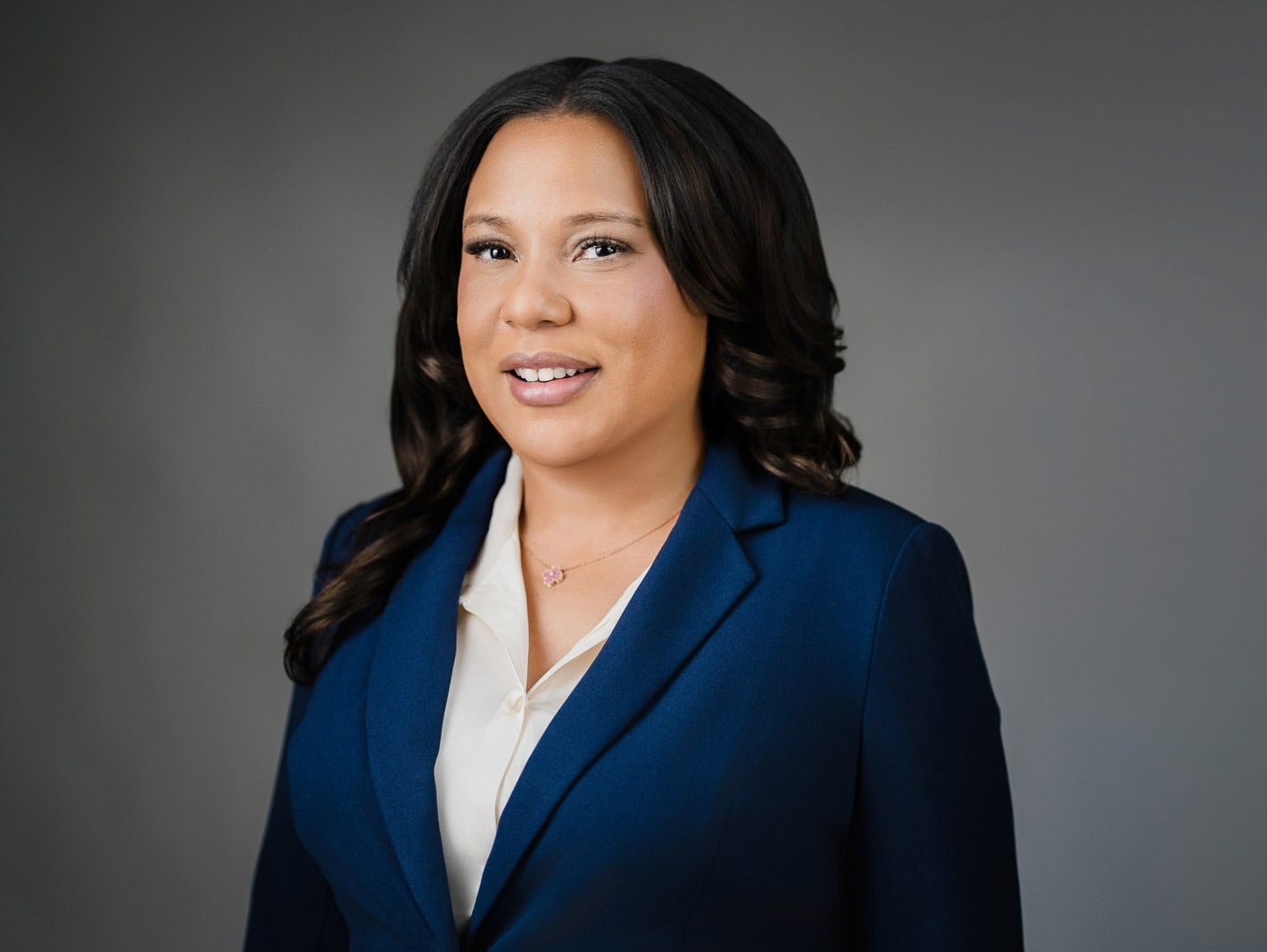
Trustworthy Professional Headshots Are Built on Small Details
Most people think a headshot succeeds or fails because of big things.
The background. The outfit. The camera. The retouching.
Those things matter, but the real difference is usually smaller.
It is the half-second after someone laughs. The moment the eyes relax. The way the shoulders settle after a small adjustment. The difference between a smile someone is holding and a smile that actually belongs to them.
That is why trustworthy professional headshots cannot be rushed into a formula.
They need direction, but not over-direction. Polish, but not artificial polish. Confidence, but not performance.
The final image should feel like the best version of the person, not a different person.
Are Trustworthy Professional Headshots Worth It?
For many professionals, yes.
Especially if people meet you online before they ever meet you in person.
A strong headshot cannot replace your experience, reputation, or skill. But it can make people more willing to trust those things when they find you.
It can help your LinkedIn profile feel more current. It can make your company bio page feel more credible. It can make a proposal, speaker page, or website feel more personal.
Most importantly, it can remove hesitation.
That is often the real value.
A trustworthy headshot does not need to impress people loudly. It simply needs to make them feel comfortable enough to continue.
Professional Headshots That Feel Like You
If your current headshot feels stiff, outdated, overly serious, too casual, or just not quite like you, there is probably a reason you keep noticing it.
The goal is not to create a flawless portrait.
The goal is to create a photograph that feels credible, current, approachable, and real.
After more than 30 years photographing executives, business owners, physicians, attorneys, real estate professionals, and teams throughout Northern New Jersey and NYC, I have learned that the images people respond to most are usually the ones that feel the most human.
If you want a headshot that feels natural, confident, and genuinely like you, I’d love to connect.
Contact Alex Kaplan Photography
201-834-4999 | 917-992-9097
Reply...


