


Your Headshot day should feel relaxed, joyful, and completely yours.
I’m Alex Kaplan, a Headshot Photographer and videographer based in New Milford, NJ, serving Northern.
Browse by Category:
headshots
view more

REQUEST INFORMATION
Want to feel like THIS on your Headshot day?
Availability is limited. Check Your Date Here
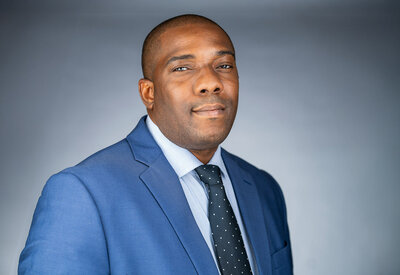

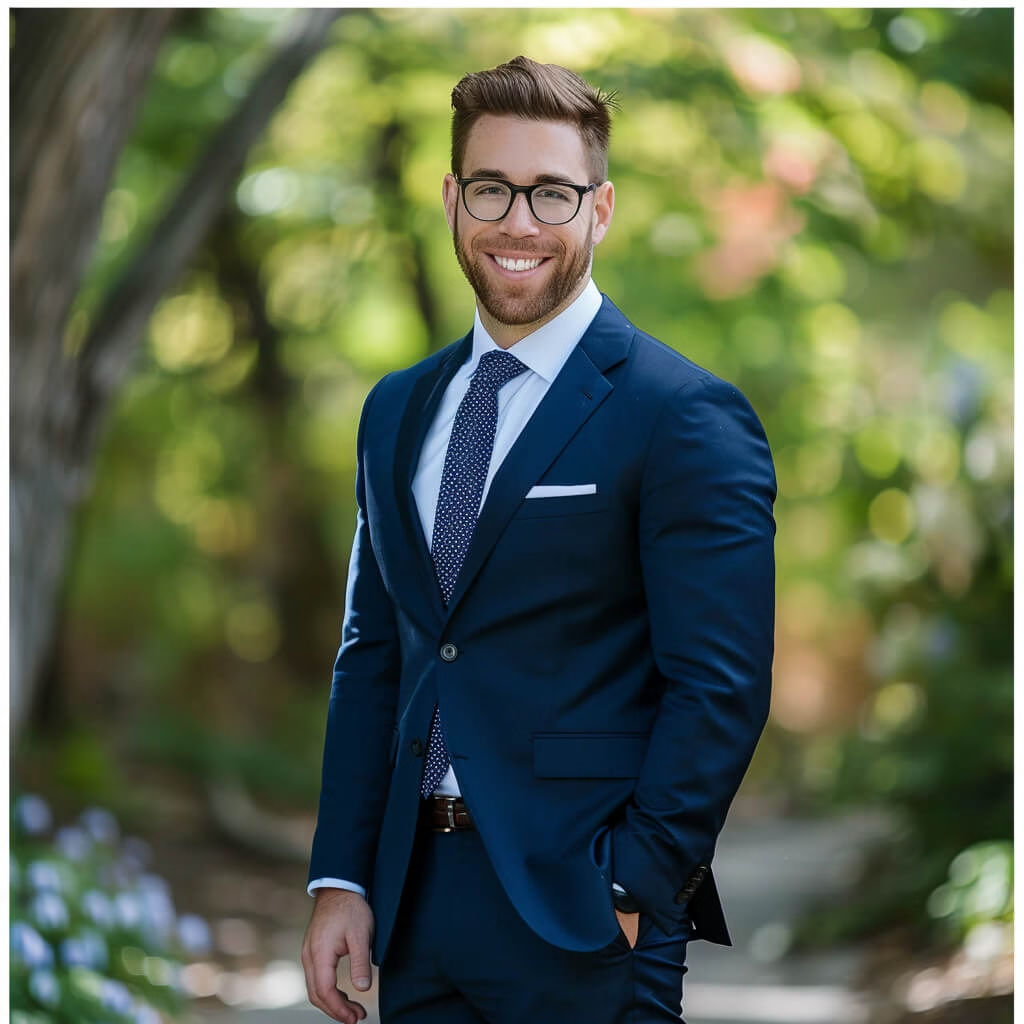
If you’ve ever stood in front of a camera for a corporate headshot and felt your entire body tense up, you’re not alone. Most professionals describe the experience as somewhere between uncomfortable and awkward. The photographer says “relax,” which makes you immediately less relaxed. Your smile feels forced. You’re not sure where to put your hands. And you walk away thinking, “I hope at least one of those turns out okay.”
Here’s the thing: corporate headshots don’t have to feel this way. The awkwardness isn’t about you- it’s about how the session is set up, how you’re guided, and whether the photographer actually understands what it’s like to be camera-shy. When you know what causes that discomfort and what to look for in a professional headshot photographer, the whole experience changes.
The Real Reason Professional Headshots Feel Uncomfortable
Most people assume they’re bad at being photographed. That’s almost never true. What’s actually happening is that the photographer is treating the session like a technical task instead of a human interaction.
Think about it: you’re being asked to look natural while doing something completely unnatural- standing still, staring at a lens, and “being yourself” on command. That’s hard enough. But when the photographer is focused on their lighting setup, camera settings, or rushing through a dozen people in an hour, you pick up on that energy. You feel like a task to complete, not a person to work with.
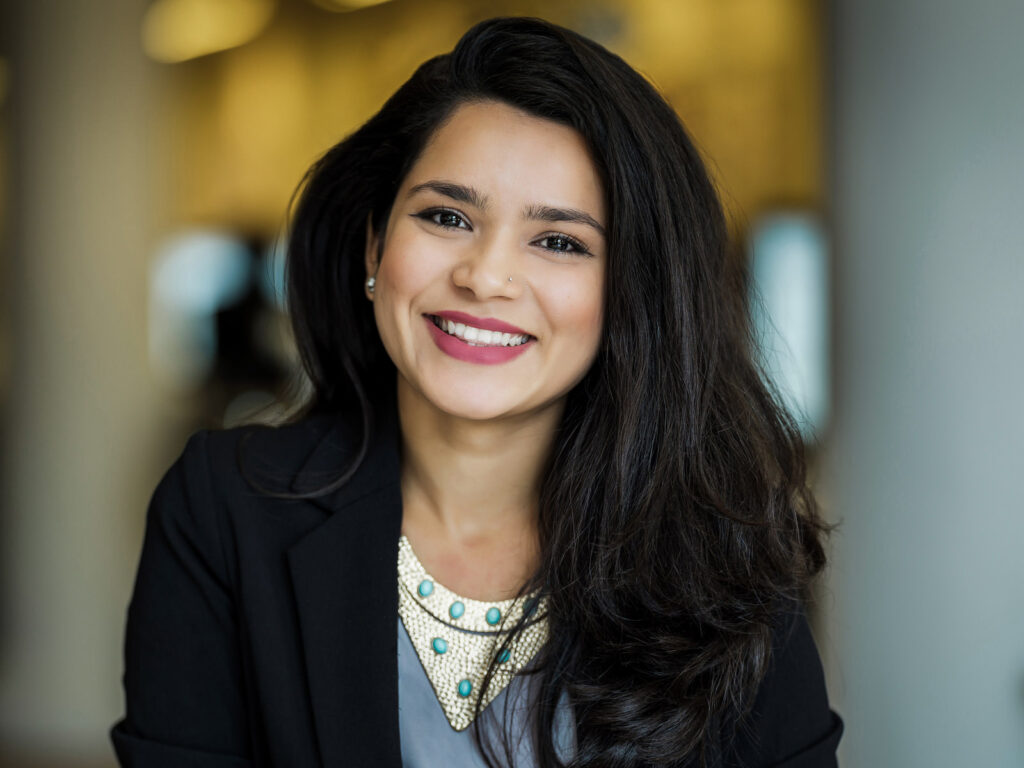
The other issue? A lot of corporate headshot photographers know how to pose people, but they don’t know how to read discomfort. They’ll tell you to “put your weight on your back foot” or “turn your shoulders this way,” but if you’re tense or self-conscious, no amount of technical posing is going to make you look relaxed.
What Changes When Someone Actually Knows How to Guide You
There’s a difference between posing and guiding. Posing is mechanical. Guiding is about helping you feel comfortable first, so the photo reflects that.
When you’re working with a photographer who has experience with camera-shy professionals- and I mean real experience, not just saying they’re “good with people”- they’ll slow things down. They’ll notice when you’re holding tension in your shoulders or forcing your smile. They’ll tell you exactly what to do with your hands instead of leaving you guessing. They’ll adjust their approach based on what you need, not just what looks good technically.

This matters especially for executives and leadership teams who are used to being in control. Being photographed flips that dynamic. You’re suddenly in someone else’s hands, and if that photographer doesn’t respect your time or understand professional environments, it shows in the results.
Why “Just Relax” Doesn’t Work (and What Does)
If you’ve ever been told to “just relax” during a headshot session, you know it has the opposite effect. It’s like being told not to think about a white elephant- suddenly, that’s all you can think about.
What actually works is direction that’s calm, specific, and doesn’t make you feel like you’re doing something wrong. Instead of “relax your face,” it’s more like “take a breath” or “drop your shoulders a bit.” Small, clear adjustments that give you something to do instead of something to stop doing.
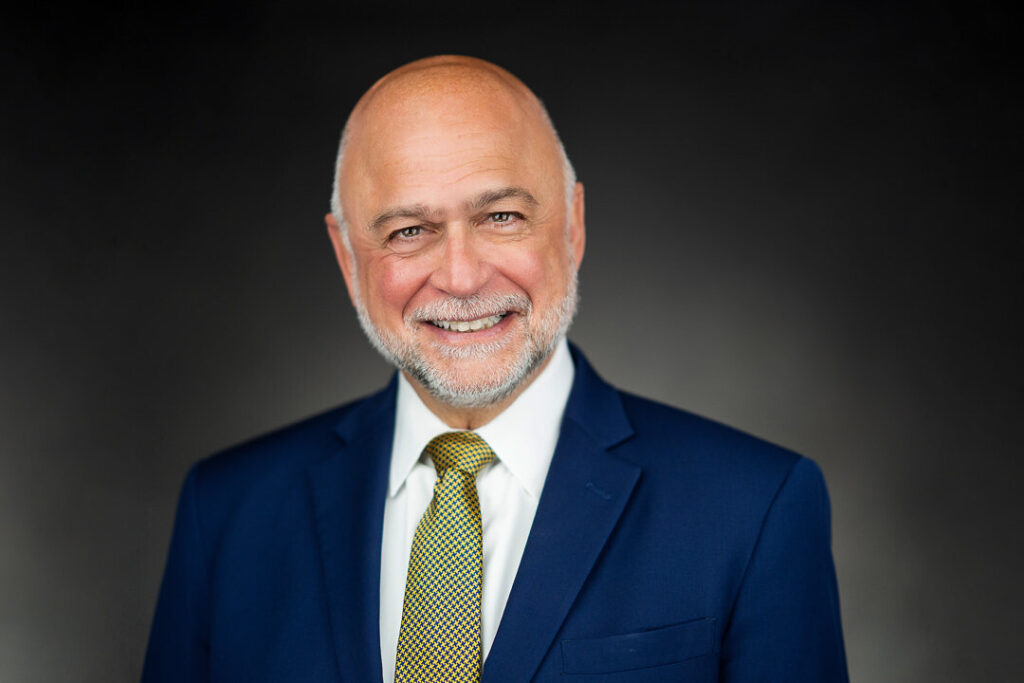
The photographers who understand this are usually the ones who have worked with hundreds- or thousands- of people who’ve said, “I hate having my photo taken.” They’ve built emotional intelligence around it. They know when to talk, when to be quiet, and how to create an environment where you’re not performing for the camera, you’re just… there.
Fast Doesn’t Mean Rushed (But Most Photographers Don’t Know the Difference)
Efficiency matters when you’re photographing corporate teams or busy professionals. Nobody wants to spend 45 minutes getting one headshot. But there’s a difference between working quickly and making someone feel rushed.
The best corporate headshot sessions move efficiently because there’s a process. You’re not standing around while the photographer fiddles with lights or chimps their camera screen after every shot. Everything’s dialed in before you step in front of the camera. You’re in and out in minutes, but it doesn’t feel hurried.

That kind of efficiency only comes from experience- specifically, experience working with leadership teams and fast-moving corporate schedules. If a photographer hasn’t developed systems for keeping things moving smoothly, you’ll feel it.
How a Good Corporate Headshot Session Actually Works
Here’s what a professional headshot session should look like when it’s done right:
Two minutes to settle in. You’re not thrown straight into “smile at the camera.” There’s a moment to adjust, get comfortable, and understand what’s about to happen.
Simple, specific prompts. Not vague instructions like “look natural,” but clear direction: “Chin down slightly. Good. Now take a breath.” You know exactly what to do.
Live feedback on the monitor. You’re not waiting until later to see if it worked. You can see the results as you go, which takes the guesswork out.
Three to five final selects. Not 47 photos to choose from. A tight edit of your best shots, so you’re not second-guessing yourself for an hour.
Fast turnaround. Proofs within 48 hours. Finals within a week. No waiting around wondering when you’ll actually get the images.

When you know the process ahead of time, the whole thing feels manageable instead of mysterious.
Natural Results Don’t Happen by Accident
Here’s something most people don’t realize: a lot of corporate headshots look “off” not because of bad lighting or posing, but because of over-retouching. Heavy smoothing, overly whitened teeth, that weird plastic skin look- it all comes from photographers trying too hard to make people look “perfect.”
The best professional headshots look like you on your best day, not like a magazine cover. That restraint is actually harder to achieve than going heavy on the retouching. It requires knowing what to fix and what to leave alone.
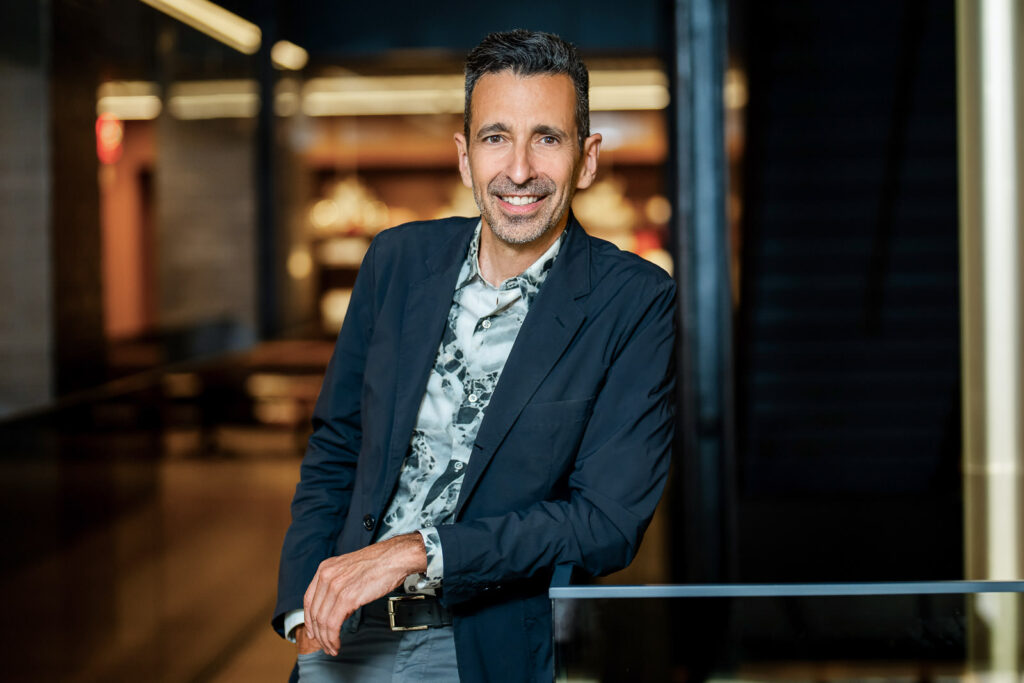
When you’re choosing a corporate headshot photographer, look at their portfolio and ask yourself: do these people look like real humans, or do they look retouched? If everyone has the same glowy, overly smooth skin, that’s a red flag. That kind of restraint- knowing what not to do- separates experienced photographers from everyone else.
What to Look for When You’re Choosing a Photographer
If you hate being photographed- or you’re coordinating headshots for a team where half the people are dreading it- here’s what actually matters:
Experience with professionals who are camera-shy. Not just experience shooting headshots, but experience working with people who are uncomfortable. This shows up in reviews. If past clients mention feeling at ease or being surprised by how painless it was, that’s a good sign.
A process that respects your time. Ask how long sessions typically take. If the answer is vague or varies wildly, that’s a problem. Professionals who do this at scale have systems in place.
Natural results. Look at their portfolio. Do the photos look like real people, or do they look overly styled or heavily retouched? Corporate environments value credibility over trendiness.
Proof at volume. Anyone can get a few good reviews. Look for photographers with hundreds of reviews that say similar things- calm, efficient, natural results. That’s not luck. That’s a repeatable experience.
The Bottom Line on Corporate Headshots
Corporate headshots feel awkward when the photographer treats them like a technical task instead of a human interaction. When you’re working with someone who understands how to guide camera-shy professionals, respects your time, and delivers natural results, the whole experience changes.
You’re not bad at being photographed. You’ve just been working with photographers who haven’t figured out how to make it comfortable. The right corporate headshot photographer will make the process feel easy- and the results will show it.
Looking for professional headshots in Northern New Jersey or NYC that don’t feel awkward? I’ve spent 30+ years making this process comfortable for camera-shy professionals- calm guidance, natural results, fast turnaround. Need a few vertical clips for LinkedIn while we’re set up? We can handle that too. 610+ five-star reviews, Northern NJ and NYC. Contact Alex Kaplan Photography to learn more.
Reply...


