


Your Headshot day should feel relaxed, joyful, and completely yours.
I’m Alex Kaplan, a Headshot Photographer and videographer based in New Milford, NJ, serving Northern.
Browse by Category:
headshots
view more

REQUEST INFORMATION
Want to feel like THIS on your Headshot day?
Availability is limited. Check Your Date Here
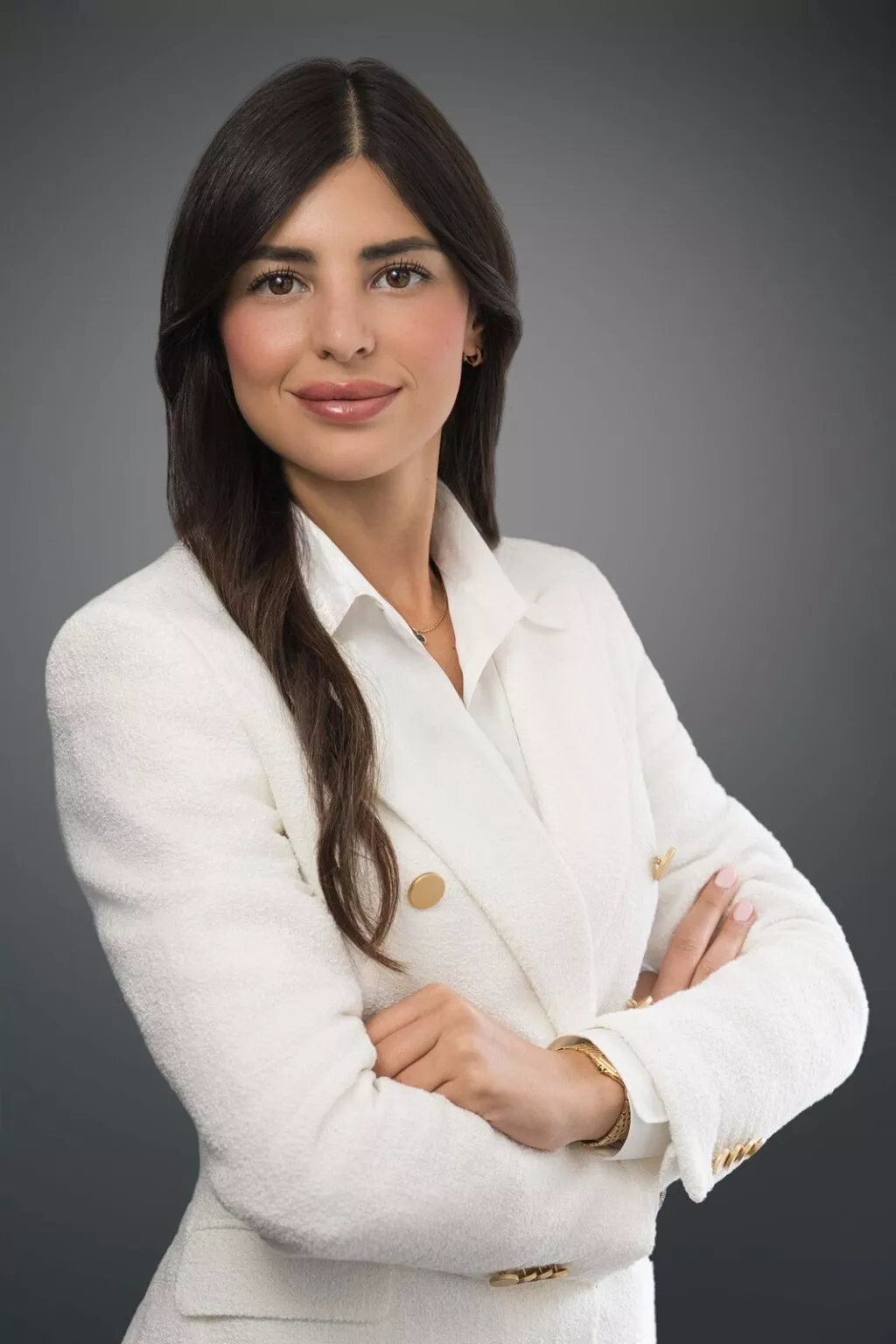
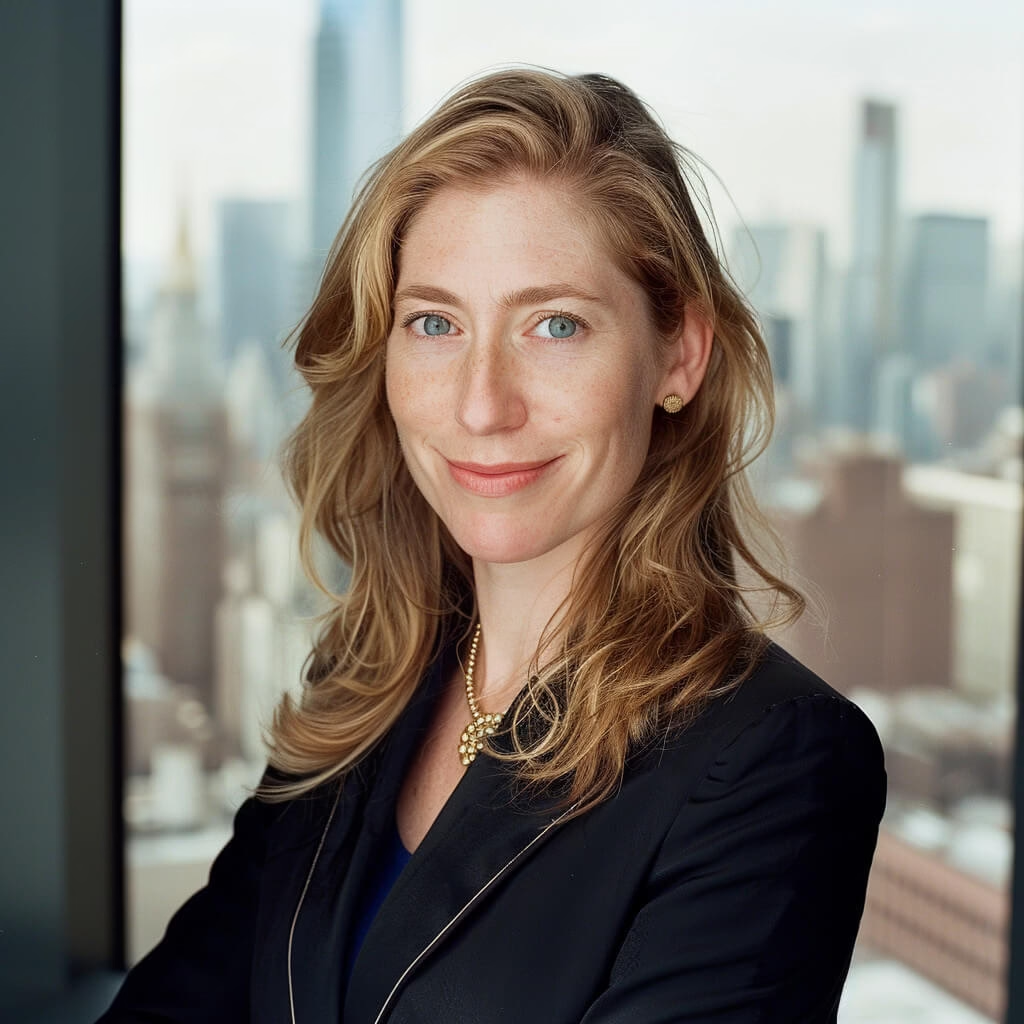
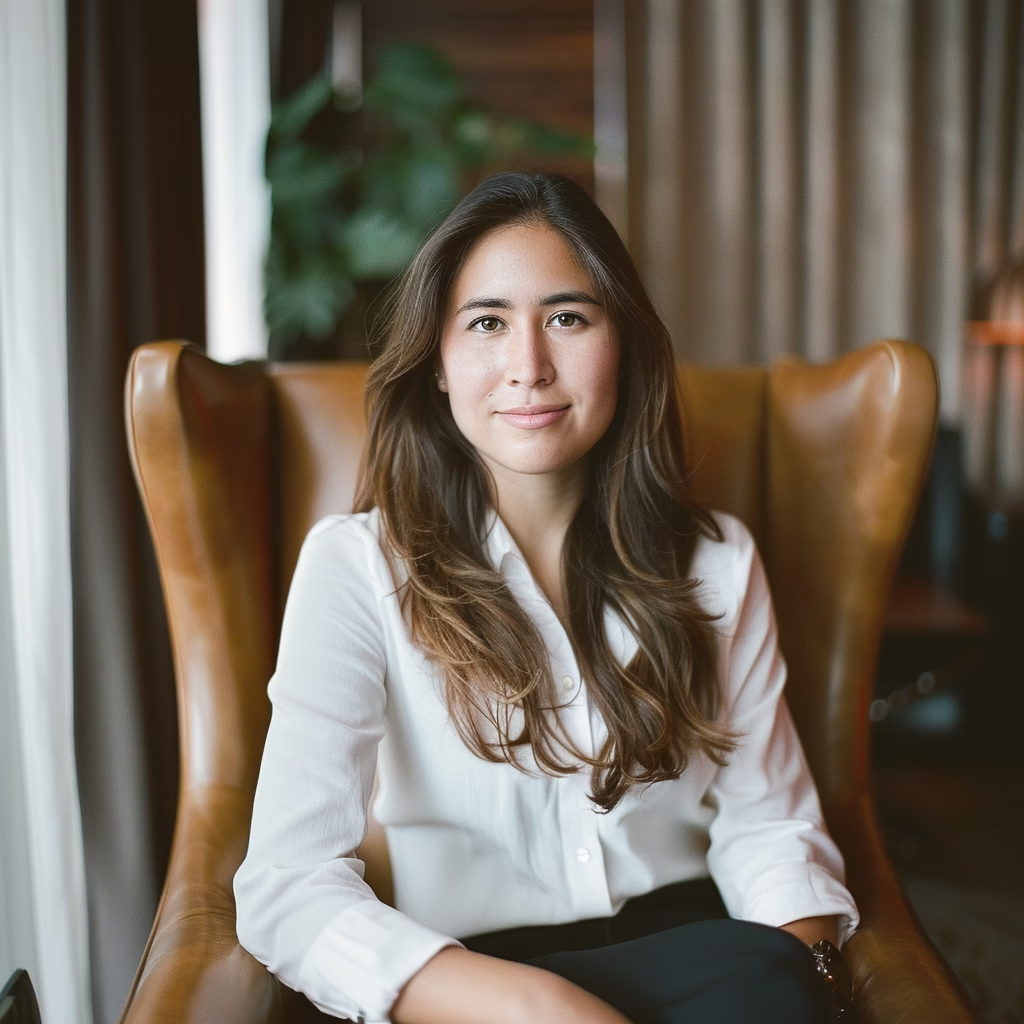
Almost every person who sits down in front of my camera asks some version of the same question within the first two minutes: should you smile in a professional headshot, or does a serious face read as more competent? It is a fair question, and the honest answer is that there is no single expression that works for every professional.
After 30+ years photographing executives, attorneys, physicians, and founders across Northern New Jersey and the NYC metro, I have learned that expression is a strategic decision, not a default setting. The right one depends on what you do, who is looking, and where the picture will live.

Should You Smile in a Professional Headshot? The Short Answer
In most professional headshots, a natural smile communicates confidence and approachability without costing you credibility. The best expression depends on your role, your industry, your personal brand, and where the photograph will be used. Capturing both a smiling and a more neutral frame in the same session gives you the most versatility.
That is the answer in brief. The rest of this guide explains how to make the call for your own situation, and you can see the range I shoot on my headshot services page.
What Does a Smile Communicate in a Professional Headshot?
A smile signals warmth, openness, and ease. In a viewer’s mind those three qualities convert into approachability and trustworthiness, and they do it before a single line of your bio gets read. That is the practical value of a smiling professional headshot: it shortens the distance between a stranger and a conversation.
Research from Princeton University found that people form trait judgments, including trustworthiness, from a face in roughly a tenth of a second. Willis and Todorov’s first-impression study is a useful reminder that your headshot is doing work before anyone consciously evaluates it.
Speed is only half of it. What I notice in sessions is that warmth gets read first and competence second. When someone looks capable but closed, the capability lands as distance rather than reassurance, and the viewer hesitates before reaching out.
The goal is not simply to smile more. The goal is an expression that a person who knows you would recognize as yours. A believable smile builds trust; a manufactured one quietly erodes it, which is a large part of why most people look stiff in headshots.
When Is a Smiling Headshot the Better Choice?
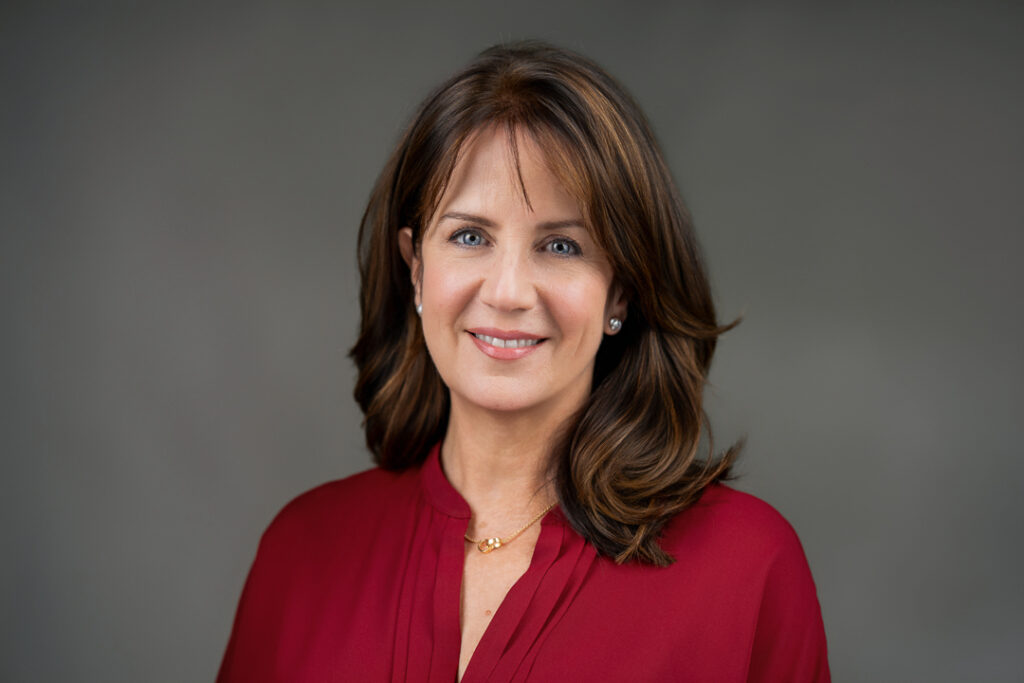
Smile when your work depends on people wanting to talk to you. Client-facing roles, consultants, entrepreneurs, real estate agents, healthcare providers, and sales and marketing professionals almost always benefit from a warm expression, particularly on LinkedIn, About pages, and directory profiles where the viewer is deciding whether to reach out.
If a stranger has to feel comfortable enough to call you or hand you their business, a smiling professional headshot removes friction that a composed one leaves in place.
Healthcare is the clearest case. A patient scanning a practice website is looking for reassurance, and a warm expression answers that question faster than credentials do. You can see more about how I approach this on my about page.
When Can a More Neutral Expression Work Better?
A more neutral expression works when gravitas is the point. Senior leadership portraits, certain legal and financial contexts, editorial and press images, and annual report photography often call for composure rather than warmth, because the viewer is assessing judgment rather than deciding whether to start a conversation.
Neutral does not mean cold or blank. The best serious headshots still carry life in the eyes and a settled, unforced set to the mouth. That distinction is the whole game, and it is what separates authority from severity.
I want to be careful here, because this gets misread constantly. Executives absolutely should smile, and many of the strongest leadership portraits I have made are warm ones. I cover this in more depth in my guide to executive headshots for men in New Jersey.
Smiling vs. Serious Headshots: What Matters Most?
What matters most is intended use, not a rigid industry rulebook. Ask three questions: who is looking at this image, what decision are they making, and what do I need them to feel in the second before they act? The answers point to an expression far more reliably than any list of professions ever will.
A managing partner needs one frame for the firm’s leadership page and a different one for a conference speaker profile. Same person, same suit, same day, two entirely different jobs for the photograph to do.
This is also why the smiling vs serious headshot debate tends to produce bad advice online. The question is not which is better. The question is which is right for this specific use.
Your Industry Matters, but Your Personality Matters Too
Industry sets a range. Personality sets the point within it. If you are naturally quick to laugh, a locked-down neutral portrait will read as guarded to anyone who has actually met you, and that mismatch costs you more than a slightly less formal frame ever would.
I pay attention to how someone talks during the first few minutes of a session, before the camera comes up. Their default face in conversation is usually the face we should be building toward, adjusted for context rather than replaced.
Why I Usually Photograph More Than One Expression
Because one image cannot serve five platforms. In a standard session I build a set: a warm, open frame for LinkedIn and business development, a lighter smile for company bios and team pages, and a composed frame for press, speaking submissions, and leadership listings.
In a recent executive session I did not ask for one fixed smile and then hold it. I worked through a range instead, and as the tension came out of his face the smile got warmer without tipping into casual. That is the exact balance I am watching for: relaxed enough to read as real, controlled enough to hold executive presence.
Wardrobe, lighting, and setting stay consistent across those frames, so expression is the variable doing the work. A small shift in it changes how approachable, confident, or authoritative someone reads.
Clients rarely predict which one they will end up using most. That is the argument for shooting the range rather than committing to a single executive headshot expression before you have seen the options side by side.
Should You Smile in Your LinkedIn Headshot?
Yes, in most cases, and LinkedIn is the platform where I push hardest toward warmth. It is where the viewer’s next action is often deciding whether to contact you, and warmth lowers the cost of that decision.
There is a practical reason too, and I will put it as something I have observed rather than as a rule about the platform. Your photo shows up small on LinkedIn: a thumbnail in the feed, a circle beside your name in search, a smaller one next to every comment you leave. In my experience a clearer expression tends to read better at those sizes, while a very subtle one can lose much of what made it work at full size.
That does not mean a bigger smile. It means a more legible one. A closed-mouth smile with genuinely engaged eyes still carries when the image is small. A closed mouth with disengaged eyes usually does not.
LinkedIn is also rarely the only job your photo has to do. If the same image has to serve a firm’s leadership listing, a speaking submission, or a press bio, those uses reward composure rather than warmth. That is the argument for shooting both frames in one sitting rather than choosing between them.
If you are weighing this for a profile update, the useful question is not whether to smile. It is which of your images has to do the work of a first handshake, and which has to do the work of a credential.
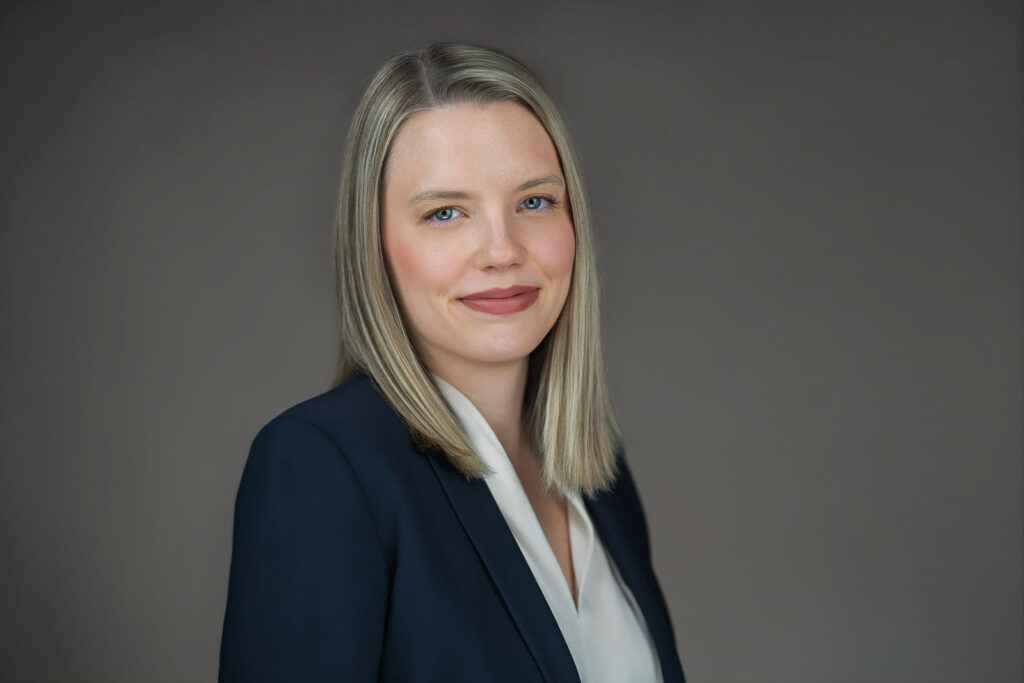
How to Get a Natural Smile Without Looking Forced
Stop trying to hold it. A smile held too long starts to look strained, and the camera catches the strain rather than the smile. I work in short bursts, talk through the frames, and shoot on the recovery rather than the peak.
Breathing matters more than posing does. A slow exhale drops the shoulders and softens the jaw, and the expression that arrives after it is almost always the usable one.
The rest is micro-adjustment, and I direct that in real time so you are not managing it yourself. For the deeper version of this conversation, including what actually causes tension in front of a lens, read why most people look stiff in headshots.
The Expression Mistakes I See Most Often
Almost all of these are physical symptoms of self-consciousness rather than choices anyone is making on purpose:
- The forced smile. Mouth committed, eyes uninvolved. The most common outcome of self-directed photos.
- The overly serious face. Intended as gravitas, received as irritation.
- The nervous grin. A smile that has not settled, usually paired with a slight backward lean.
- Raised eyebrows. Reads as surprise or anxiety rather than engagement.
- The tight jaw. Almost invisible in a mirror, unmistakable in a photograph.
- Trying too hard. An expression pushed past its natural setting, which reads as inauthentic even when the person is entirely sincere.
Most of these disappear once the person stops managing the expression, which is usually a matter of conversation rather than instruction. That is why the correction tends to happen before the shutter rather than in retouching afterward.
For the broader set of profile photo problems beyond expression, I covered those separately in LinkedIn headshot mistakes that hurt professional trust.
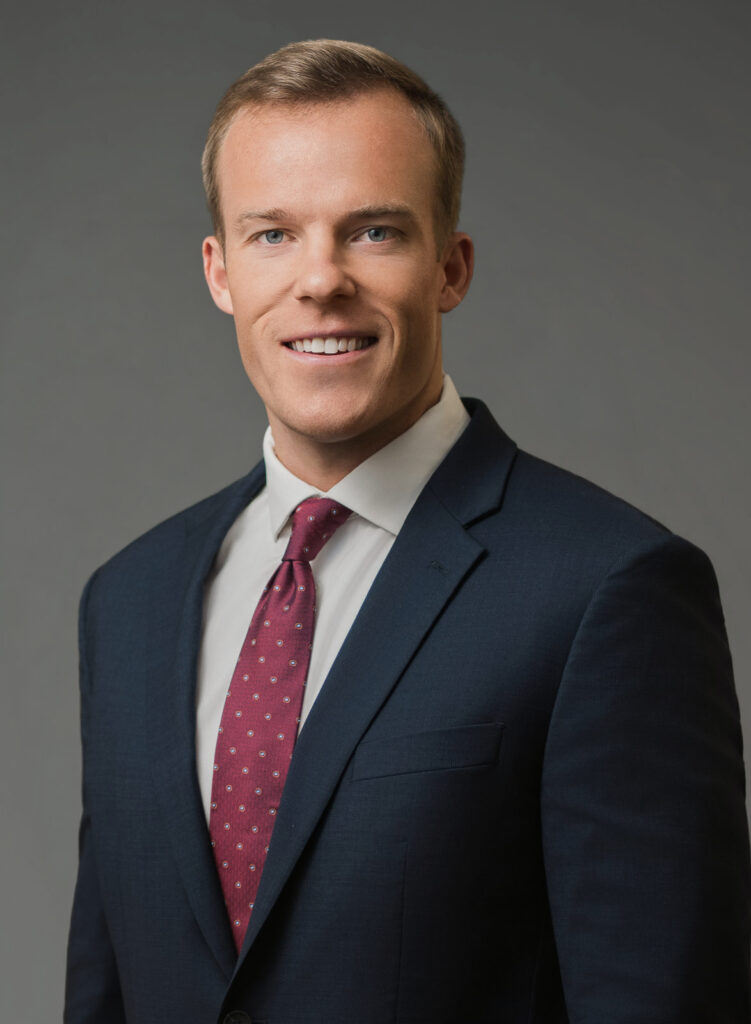
Choosing the Right Expression for Your Professional Headshot
Work backward from use, then account for who you actually are. If the image is a first handshake, lead with warmth; if it is a credential, lead with composure; if you need both, shoot both in one sitting and stop guessing.
Not sure which expression works for your role? I photograph a range of natural expressions in every session at my New Milford, NJ studio and on location across Northern New Jersey and NYC, so you leave with options for LinkedIn, company profiles, leadership bios, and press.
If you are a professional weighing this decision ahead of a headshot, get in touch and we will figure out the right expression together before the camera ever comes up.
Frequently Asked Questions
Do serious headshots look more professional?
Not inherently. A serious headshot reads as composed and authoritative, which suits press, leadership, and editorial use, but it does not rank higher on professionalism. Quality of light, wardrobe, and a believable expression determine how professional an image looks far more than whether the subject is smiling.
Should you show teeth in a professional headshot?
It depends on your natural smile. If your genuine smile shows teeth, suppressing it tends to look strained and slightly guarded in the final frame. If it does not, a closed-mouth smile with real warmth in the eyes reads just as well, and both are entirely appropriate professionally.
Can you use both a smiling and a neutral headshot?
Yes, and most professionals should. Using a warm frame for LinkedIn and outreach and a composed frame for leadership pages and press gives you correct positioning in each context. Shooting both in one sitting means you get that range without a second session or a second wardrobe.
Reply...


