


Your Headshot day should feel relaxed, joyful, and completely yours.
I’m Alex Kaplan, a Headshot Photographer and videographer based in New Milford, NJ, serving Northern.
Browse by Category:
headshots
view more

REQUEST INFORMATION
Want to feel like THIS on your Headshot day?
Availability is limited. Check Your Date Here


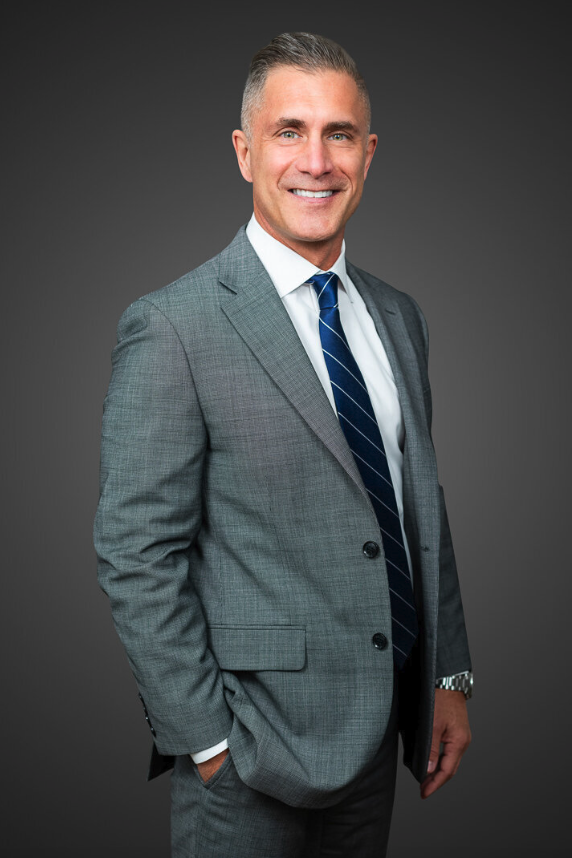
Your iPhone takes incredible photos. Portrait Mode smooths your skin. You can adjust the lighting with a slider. Your partner or colleague snapped a decent shot of you before that last Zoom meeting, and honestly? It doesn’t look bad.
Then you update LinkedIn, and suddenly your photo is sitting next to a dozen other professionals in your field. Half of them have actual headshots. And now yours looks… different.
I’ve photographed over 15,000 headshots in 30 years- everyone from Fortune 500 executives to medical professionals to real estate agents building their first personal brand. And I can tell you exactly when someone realizes their iPhone photo isn’t working: it’s not when they post it. It’s six months later when they’re not getting the callbacks, the meeting requests, or the opportunities they expected.
This isn’t about iPhone cameras being bad. They’re remarkable pieces of technology. This is about what happens when you try to use vacation photo technology for business credibility- and expect people not to notice.
Why So Many Professionals Rely on iPhone Photos
Let’s be honest about why this happens in the first place. These aren’t dumb decisions- they’re practical ones.
Convenience wins. You don’t need to schedule anything, figure out what to wear, or drive anywhere. Someone takes a photo. You crop it square. Done. Total time investment: three minutes.
Speed matters when you need something now. Your LinkedIn profile needs an update tonight. Your new website launches tomorrow. You’ve been announced as a speaker and they need your headshot by Friday. The iPhone is already in your pocket.
And here’s the real one: it looks fine to you. When you look at your own photo, you see yourself. You’re not seeing what potential clients see. You’re not seeing what hiring managers see. You’re thinking, “Yeah, that’s me in my kitchen,” not “Does this person look like they know what they’re doing?”
That last one is where things get complicated. Because to you, it probably does look fine. You’re smiling. The lighting isn’t terrible. Your face is in focus. What’s the problem?
Where iPhone Photos Quietly Fail You
The problem isn’t usually obvious. Your iPhone photo doesn’t have a flashing sign that says “AMATEUR HOUR.” It’s subtle- and that’s exactly why it’s damaging.
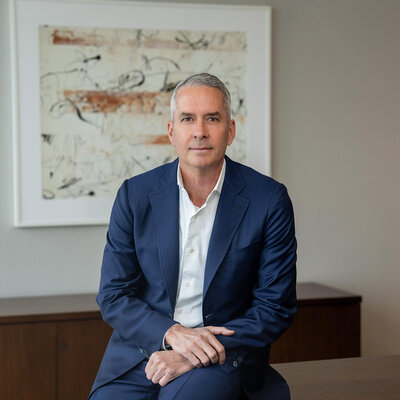
Inconsistent lighting is the first issue. Your phone is auto-exposing for whatever room you’re in, but it doesn’t prioritize your face. You end up with shadows under your eyes, a bright window behind you turning you into a silhouette, or overhead lighting that makes you look tired. Professional lighting is specifically designed to sculpt your features and make your eyes sharp and engaging.
Lens distortion is the silent killer. Phone cameras use wide-angle lenses that create subtle distortion- your nose looks slightly larger, your face appears wider than it actually is. Professional headshot photographers use the exact focal length and distance to make you look like yourself. This is the difference between a 24mm phone lens at three feet and a 135mm portrait lens at twelve feet.
Casual body language is another giveaway. When someone’s taking a quick photo with your phone, you’re not really “in session.” Your shoulders aren’t positioned right. Your expression isn’t purposeful. Everything about your posture says “quick snapshot” instead of “I take myself seriously.”
And that’s the real issue: lack of professional intent. A business headshot isn’t just a clear photo of your face- it’s a deliberately constructed image that communicates competence, approachability, and authority. An iPhone photo, no matter how good the camera is, communicates “I didn’t think this was important enough to invest in.”
What Your Photo Is Really Saying
Here’s what most people don’t realize: your headshot is working 24/7 on your behalf, and it’s either helping or hurting.

What an iPhone Photo Communicates:
- “I haven’t made it to this level yet”
- “I’m not fully committed to this professional identity”
- “Details don’t really matter to me”
- “I’m early in my career” (even if you’re not)
What a Professional Headshot Communicates:
- “I understand how first impressions work”
- “I invest in the things that matter”
- “I show up prepared and professional”
- “I’m serious about what I do”
Nobody says this out loud. But it’s what people are processing in the first three seconds when they see your photo on LinkedIn, your company website, or a pitch deck.
I’ve photographed executives at Goldman Sachs, JPMorgan Chase, Amazon, and Accenture for their corporate team portraits and leadership profiles. Not one of them uses an iPhone photo. That’s not because they’re snobs- it’s because they understand what credibility looks like in a digital-first world.
First Impressions in a Digital-First World
Here’s what’s changed in just the last five years: you’re being evaluated before anyone speaks to you.
LinkedIn is the most obvious example. Someone searches for professionals in your industry. Your profile photo appears in the results—before your headline, before your job title, before anything else about you. That photo is making an impression whether you want it to or not.
Company websites and pitch decks are other critical moments. If three people have professional headshots and you’ve got a cropped iPhone selfie, guess whose credibility just took a hit?
Being evaluated before a conversation happens isn’t fair, but it’s reality. Your headshot is working for you around the clock. The question is whether it’s doing good work or undermining you.
Professional Headshots Aren’t About Cameras
Let me be really clear: when you book a professional headshot session, you’re not paying for a better camera. You’re paying for expertise you can’t replicate with equipment.
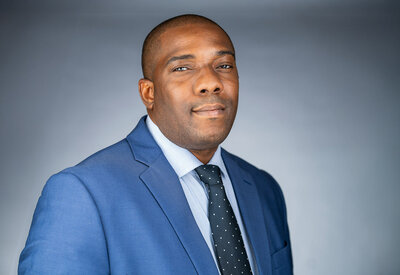
Direction is everything. After 30 years and more than 15,000 headshots, I can tell within the first thirty seconds whether someone’s going to be comfortable or whether they need more guidance. I know how to coach you into the right expression- confident without cocky, approachable without unprofessional. That’s not something you can direct yourself to do while looking at your phone screen.
Lighting control is where quality actually lives. Professional lighting doesn’t just illuminate you- it shapes your face, minimizes anything you might be self-conscious about, and creates depth. This is why professional headshots look professional- not because of megapixels, but because of lighting expertise.
Expression and posture make the difference between someone who looks like they’re standing in their kitchen and someone who looks like they know what they’re doing. Professional photographers know how to bring out your best expression- natural but intentional, relaxed but authoritative.
Consistency matters if you’re part of a team. Half your team with professional business headshots and the other half with iPhone photos doesn’t just look inconsistent- it looks disorganized.
When an iPhone Photo Is Actively Working Against You
There are times when an iPhone photo is just mediocre- not great, but not devastating. And then there are times when it’s actively costing you opportunities.
Career transitions are the obvious one. If you’re moving into a new field or going after a significant promotion, your LinkedIn headshot needs to signal you’re ready for this next level. An iPhone photo signals you’re not quite there yet.
Leadership roles demand visual credibility. If you’re a director, VP, C-suite executive, or business owner, people expect to see a professional headshot. An iPhone photo for a senior leader looks like a disconnect between their title and their self-presentation.
Sales, real estate, and founders have an even higher bar because you’re asking people to trust you with significant decisions. If you’re asking someone to trust you with their biggest financial transaction or investment, a professional headshot isn’t a luxury- it’s foundational.
In these contexts, it’s not that your iPhone photo looks bad. It’s that it looks inappropriate for what you’re trying to accomplish.
What Actually Happens During a Professional Headshot Session
Here’s what most people don’t realize: a professional headshot session isn’t about taking hundreds of photos and hoping one works.
You’re walking into a session where I’ve already planned the lighting, the background, and the approach based on how you’ll use these images. I’ll coach your posture, adjust your expression in real time, and make sure you look like the most confident, approachable, credible version of yourself- not some stiff corporate robot or overly casual weekend snapshot.
The entire session typically takes 20-30 minutes. And what you walk away with isn’t just a photo- it’s an asset that works on your behalf in every professional context where you need to make a first impression without being in the room.
Here’s something I see all the time: someone books a session because they “need” a headshot. Then they see their final images and realize this wasn’t just checking a box- this was finally being seen the way they actually want to be seen professionally.
Final Thought: It’s Not About Looking Better- It’s About Being Taken Seriously
I photograph a lot of people who feel a little awkward investing in professional headshots. They worry it’s vain or unnecessary. They think no one really notices.
And then they see their final images and realize: this isn’t vanity. It’s showing up as a professional in a world where your photo often arrives before you do.
Your professional headshots aren’t making you look better than you actually look. They’re making sure you’re being seen accurately- as someone who takes their work seriously, who understands that details matter, who shows up prepared.
That’s not something your iPhone can do, no matter how many megapixels it has or how good Portrait Mode gets.

Ready for headshots that actually work for you?
If your current headshot was taken as a quick convenience, you might be ready for something more intentional. No pressure- just clarity about what actually works.
With over 30 years of experience and more than 15,000 professional headshots photographed, I help executives, entrepreneurs, and corporate teams in Northern NJ, Bergen County, and NYC look confident, credible, and approachable.
Reply...


