


Your Headshot day should feel relaxed, joyful, and completely yours.
I’m Alex Kaplan, a Headshot Photographer and videographer based in New Milford, NJ, serving Northern.
Browse by Category:
headshots
view more

REQUEST INFORMATION
Want to feel like THIS on your Headshot day?
Availability is limited. Check Your Date Here
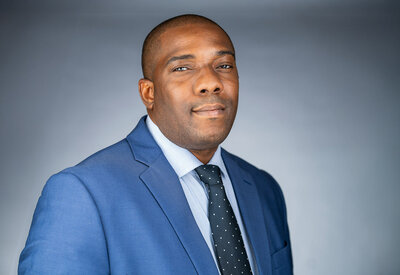

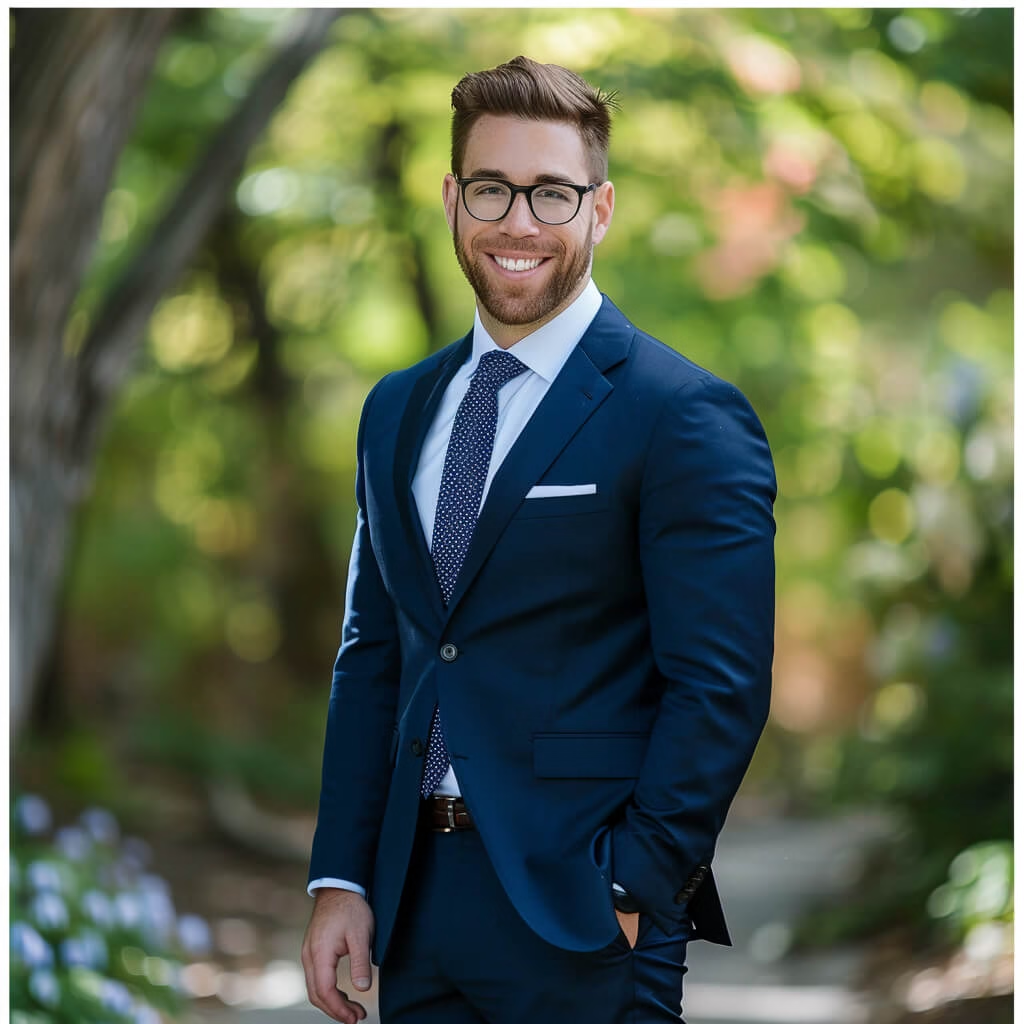
How can I look confident in professional headshots? To look confident in professional headshots, focus on relaxed posture, natural expressions, and subtle body positioning. Slight angles, genuine smiles, and proper guidance from a photographer can help you appear more approachable, credible, and professional, especially for LinkedIn and career-focused profiles.
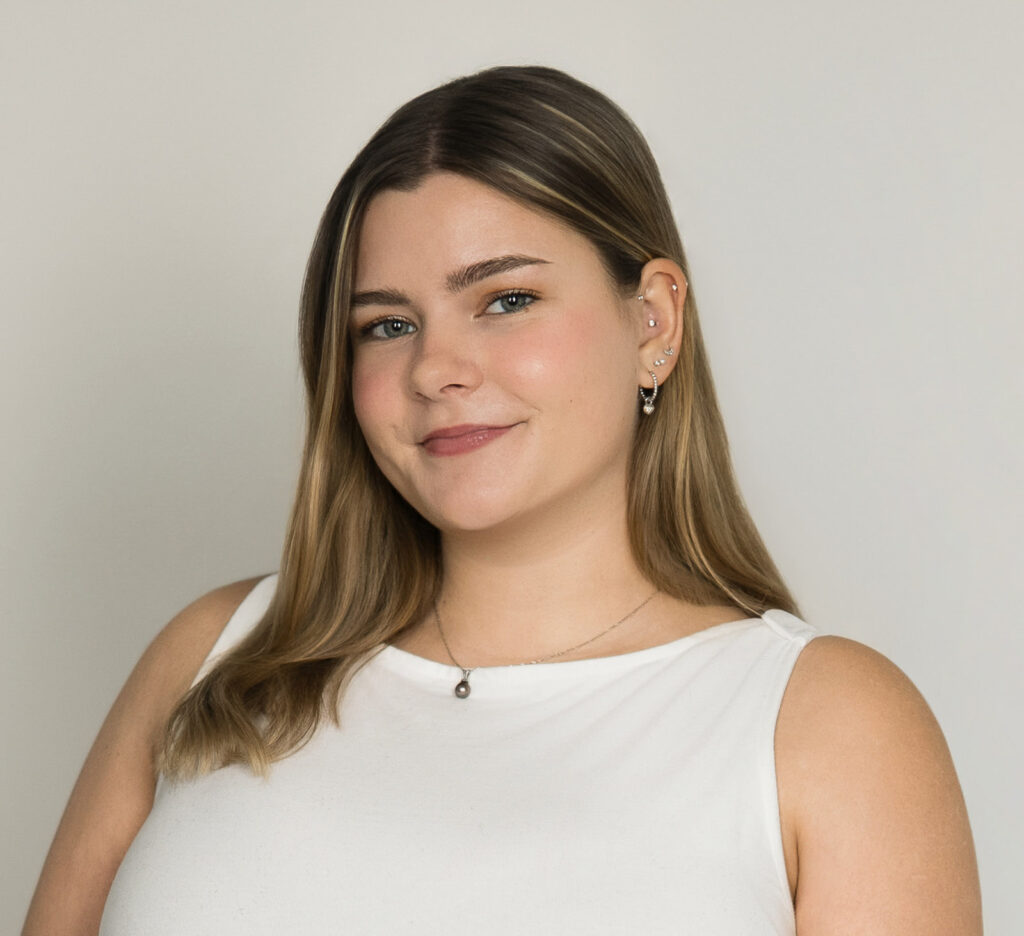
Here is something I have noticed after 30 years of photographing professionals across Northern New Jersey and New York City: the people who look most confident in their headshots are almost never the ones who walk in feeling confident.
They are the ones who were guided well.
Most people who come into a session have some version of the same thought: “I just don’t photograph well.” What they actually mean is that no one has ever shown them what to do in front of a camera. That is a completely different problem. And it is one that is very easy to fix.
Professional headshots matter more than most people realize. They appear on LinkedIn profiles, company websites, speaker bios, and press mentions. Before a recruiter reads your resume or a client reads your bio, they have already made a judgment call based on your photo. That judgment happens in seconds. It should work in your favor.
Here are seven adjustments that make a real, visible difference.
Why Confidence Matters More Than You Think in Professional Headshots
A professional headshot is not just a formality. For early-career professionals especially, it is one of the fastest ways to signal that you take your career seriously.
LinkedIn data consistently shows that your profile photo impacts first impressions, including how often your profile gets viewed, whether connection requests get accepted, and how quickly messages get returned. Those are not small things when you are actively job searching or building a client base.
A photo where you look uncertain or uncomfortable sends a signal you probably do not intend. A photo where you look calm, present, and approachable sends a completely different one. The gap between those two results is usually not about how you look. It is about how you were guided.
The Real Reason Most People Look Stiff on Camera
When someone points a camera at you, your brain does something unhelpful: it shifts your attention entirely to yourself. You start thinking about your face, your posture, what your hands are doing. You try to construct an expression rather than just having one. That mental effort shows up physically as tight shoulders, a smile that does not reach your eyes, and a kind of general blankness that reads as uncomfortable in photos.
The instinct most people have is to try harder. That almost always makes it worse.
What actually works is having a photographer who redirects your attention, keeps you talking, and knows how to read the moment when your face relaxes into something genuine. That is when the good frames happen. And it is a specific skill, not something that comes automatically just because someone owns a camera.
I have watched this play out hundreds of times in sessions across Bergen County, Hoboken, Jersey City, and Manhattan. The shift usually happens about ten minutes in, once a person stops trying to take a good photo and just starts having a conversation. That is the frame we are after.
7 Simple Ways to Look More Confident in Professional Headshots
These are not complicated. A few of them take less than five seconds. All of them make a visible difference.
1. Angle Your Body Slightly Away From the Camera Standing perfectly square to a camera adds visual weight and creates flatness. Turning your torso 15 to 30 degrees to either side adds dimension immediately. It tends to make people look sharper and more dynamic without any other change.
2. Bring Your Forehead Slightly Forward This feels strange when you do it but looks completely natural in photos. Angling your forehead slightly toward the camera while keeping your chin down elongates the neck and removes that slightly soft look that comes from pulling back. It is one of the most reliable adjustments I use in almost every session.
3. Aim for a Real Smile, Not a Performed One Forced smiles do not fool anyone in a still image. The difference between a genuine smile and a manufactured one is whether it reaches your eyes, and that is very obvious in a photo. The best way to get there is not to think about smiling at all. A good photographer will create moments where it happens on its own.
4. Reset Your Shoulders Before Every Frame Tension goes straight to the shoulders. Before each shot, roll your shoulders back and down, take a breath, and let them drop. That one reset changes the shape of your posture more than almost any deliberate adjustment you could make.
5. Wear Something You Have Already Worn Session day is not the time for a new outfit. Wear something that fits well, feels like you, and that you are comfortable in. New clothes create low-level distraction and often do not sit right on camera. Solid colors in mid-range tones almost always work better than patterns or very bright colors for headshots.
6. Look at the Lens, Not Around It A lot of people look slightly off-camera without realizing it. Direct eye contact with the lens creates the feeling that you are looking right at the viewer, which makes a headshot feel engaged and trustworthy rather than distant. It is a subtle thing but it changes the read of a photo significantly.
7. Give Yourself Permission to Take a Few Bad Shots First Every photographer knows that the first five to ten frames of a session are rarely the keepers. Your face is still settling. Your posture is still adjusting. If you go in expecting to nail it on frame one, you will put unnecessary pressure on yourself. Give the session a few minutes to breathe. The best shots almost always come once you have stopped thinking about it. I have had clients laugh at something completely unrelated about twelve minutes in, and that frame ends up being the one they use for the next four years.
Small Details That Make a Big Difference on LinkedIn
LinkedIn displays your profile photo at a relatively small size, which means certain technical decisions matter more than people expect.
A clean or lightly blurred background keeps the focus entirely on your face. Natural light or well-designed studio lighting creates a polished result that overhead office lighting simply cannot replicate. The framing should typically sit from the chest up, with your face filling about 60 to 70 percent of the frame so it reads clearly even as a thumbnail.
Clothing color matters at that size too. Very bright tones draw the eye away from your face. Darker, neutral, or muted colors let your expression carry the image, which is where the attention should be.
These are decisions that get made before a single frame is taken when you are working with a photographer who sets up sessions with the end use in mind. If you are looking for professional headshots in NYC and New Jersey, the framing, background, and lighting choices are part of the process, not an afterthought.
If you want to see what that looks like in practice, take a look at our corporate headshots page for a sense of how the setup, framing, and lighting come together across different clients and industries.
One practical note: update your headshot more often than you think you need to. If your current photo is more than three to four years old, or if it no longer looks like the version of you that shows up to meetings, it is creating a disconnect that works against you before you say a word.
What a Good Photographer Actually Does for You
The seven tips above are things you can apply on your own. But the honest reality is that managing all of them simultaneously while also trying to have a natural expression is a lot to ask of yourself in a session.
A good headshot photographer is not just someone who knows how to use a camera. They are someone who knows how to observe a person, carry a real conversation, notice the moment your posture shifts, and create enough ease in the room that you stop thinking about the camera entirely. Those are the frames that hold up.
The session should feel like a conversation, not a performance. You should leave feeling like the photos look like you at your best, not like a staged version of yourself.
If you want to work with a photographer who understands how to guide you through the process naturally, that is the foundation of every session I do.
Frequently Asked Questions About Professional Headshots
Should I smile in a professional headshot? In most cases, yes. A natural, relaxed smile creates warmth and makes you look approachable, which matters both on LinkedIn and in first impressions generally. The key word is natural. A forced smile is easy to spot in a still image because it does not reach the eyes. A good photographer will help you get to a genuine expression rather than asking you to hold a pose.
What should I wear for professional headshots? Wear something you have worn before, that fits well, and that represents how you show up in your professional life. Solid colors in neutral or darker tones work best on camera. Avoid loud patterns, very bright colors, and anything new that you have not broken in yet. The goal is to look like yourself on a good day, not to look like you tried too hard.
What makes a good LinkedIn headshot? A good LinkedIn headshot uses a clean background, strong lighting, and chest-up framing with your face filling most of the frame. The expression should feel engaged rather than stiff, and the technical details need to hold up at thumbnail size.
How often should I update my LinkedIn headshot? Every three to four years at minimum, and sooner if your appearance has changed significantly or if your current photo no longer feels representative of where you are professionally. An outdated photo creates a credibility gap that works against you before you say a word.
Ready to Book Your Session in Northern New Jersey or NYC?
If you have been putting off updating your headshot, you are not alone. Most people wait longer than they should, usually because they are not looking forward to the process.
What I can tell you from photographing professionals across Bergen County, Jersey City, Hoboken, and Manhattan for over 30 years is that a good session does not feel like what most people expect. There is no forcing of poses. No uncomfortable silences. No pressure to perform.
You show up, we have a conversation, and somewhere in that conversation we get the frames that actually look like you.
When you are ready, reach out by calling or texting 917-992-9097 or 201-834-4999. We will talk through what you are looking for and set up a session that works for your schedule.
Reply...


