


Your Headshot day should feel relaxed, joyful, and completely yours.
I’m Alex Kaplan, a Headshot Photographer and videographer based in New Milford, NJ, serving Northern.
Browse by Category:
headshots
view more

REQUEST INFORMATION
Want to feel like THIS on your Headshot day?
Availability is limited. Check Your Date Here
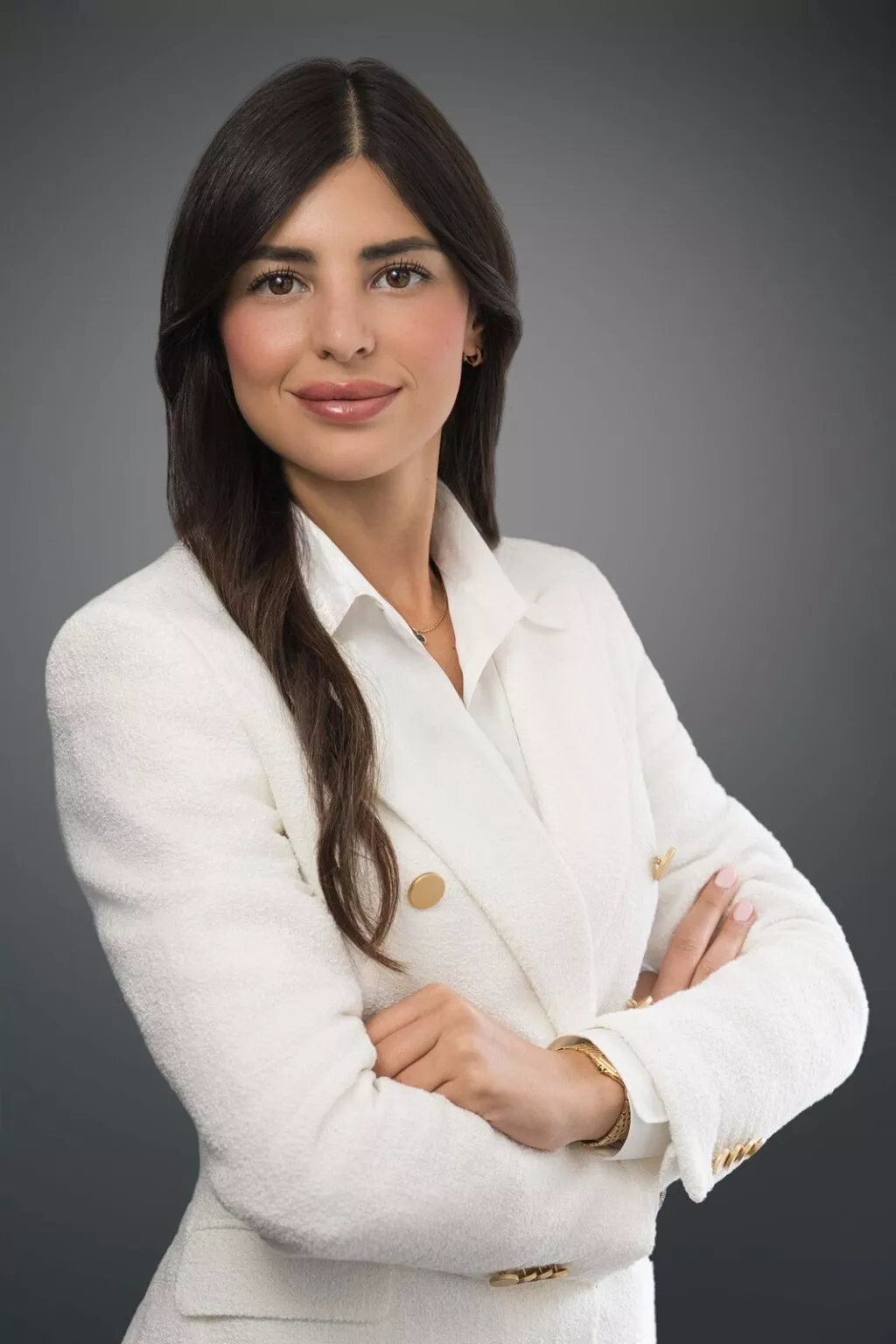
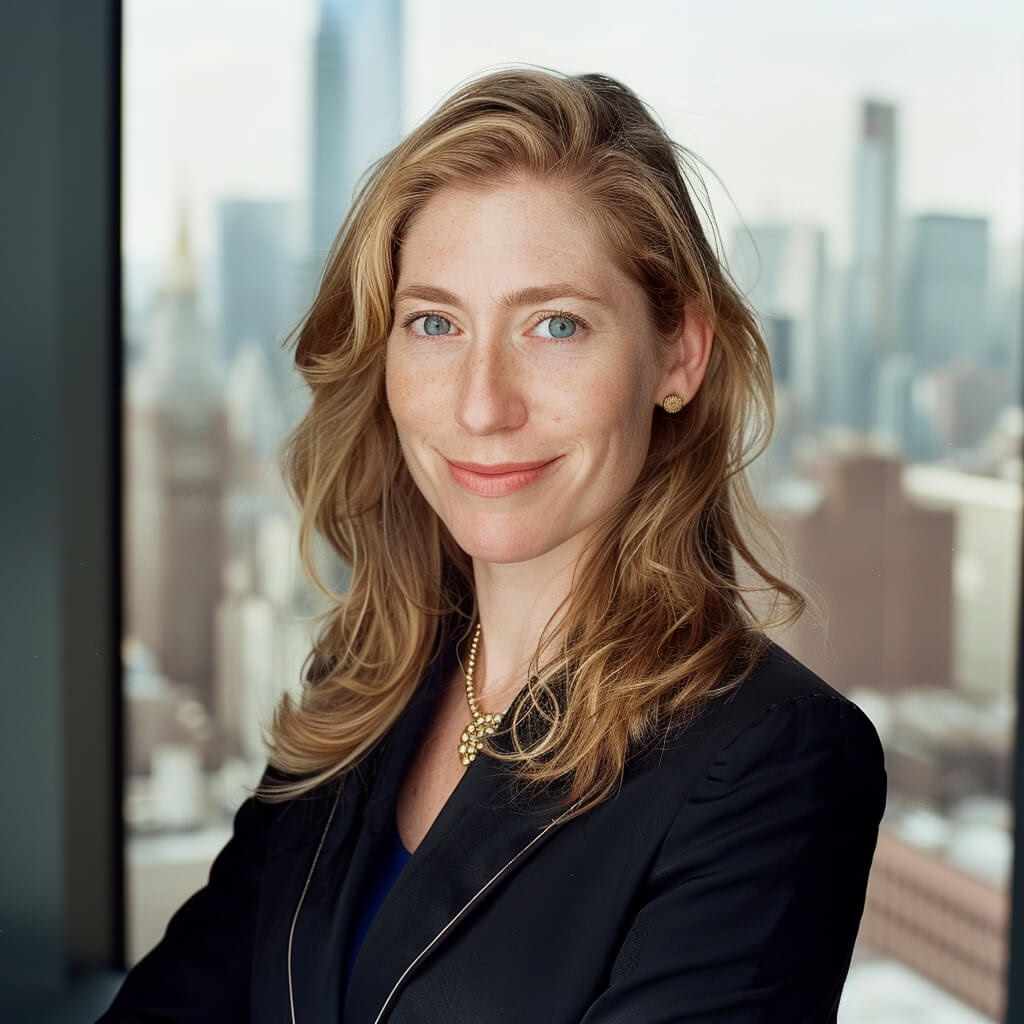
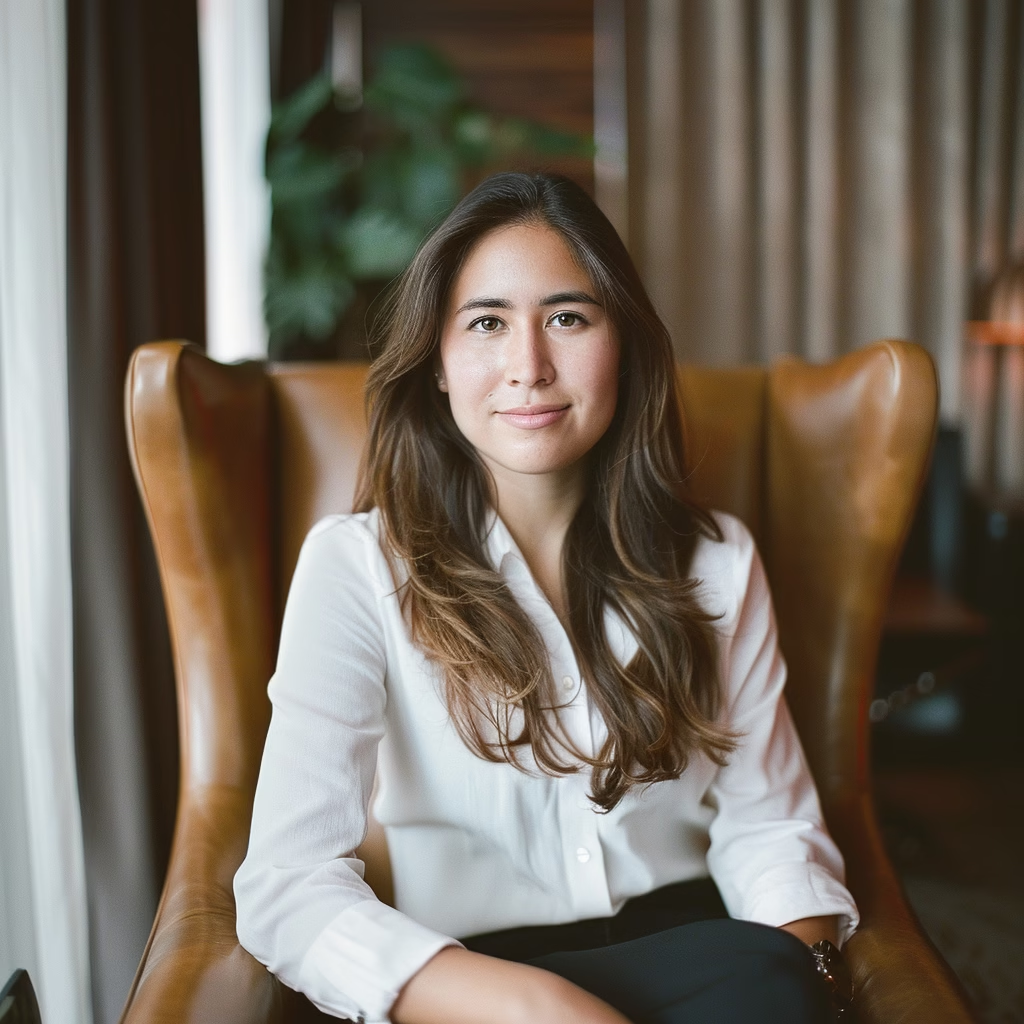
Almost every professional who contacts me asks for a headshot first. It is the familiar word, and for many uses it is right.
The question I ask next decides everything. Where is this photo going to live?
After more than 30 years photographing leaders across Northern New Jersey, I have learned that framing should follow the job the image needs to do. Plenty of the executive headshots Northern NJ leaders rely on are doing exactly one job, and a tight frame handles it well.
Others are asked to do far more. My professional headshot services page lays out the range, and my executive team photography and leadership branding page covers how these sessions get built for firms.
Traditional Executive Headshots in Northern NJ Still Have Their Place
I am not talking anyone out of the classic headshot. For most professionals it is still the most useful image they own.
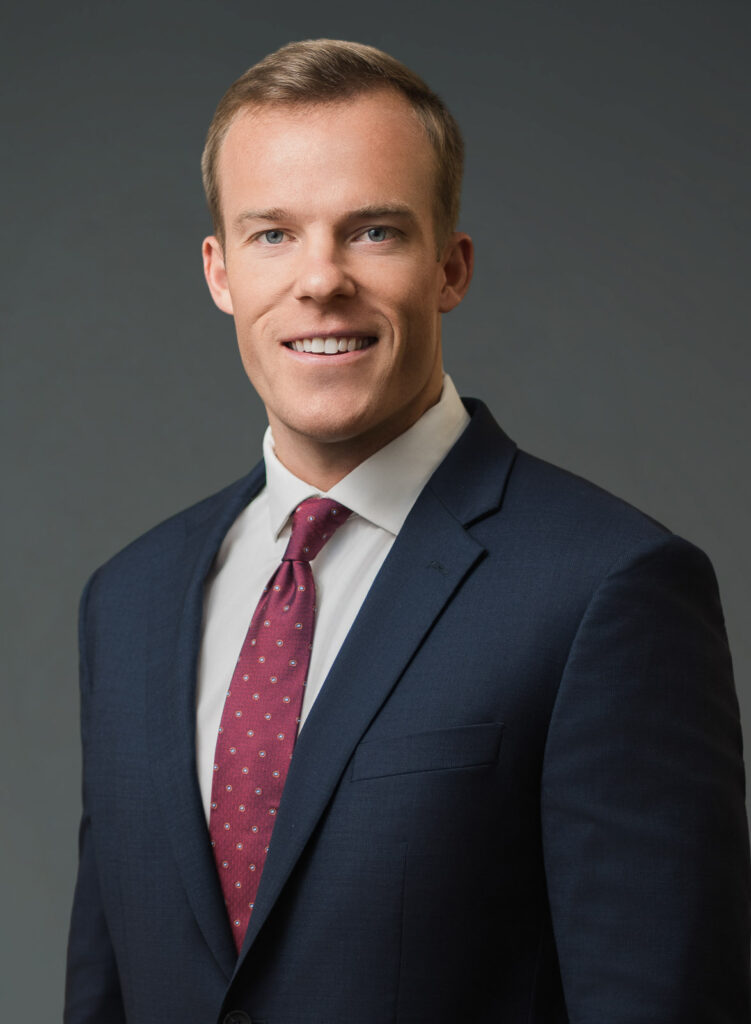
A tight crop from mid-chest up is built for small spaces. LinkedIn renders your photo at roughly the size of a postage stamp, and a face that fills the frame survives that compression.
The same covers company directories, email signatures, and the thumbnail beside a speaker bio. In those placements, everything below the collar gets discarded anyway.
The details that make a tight frame work are worth understanding on their own. I break them down in my guide to the executive headshot details that build instant credibility, and anyone focused mainly on a profile refresh usually starts with a LinkedIn headshot session in Bergen County and Northern NJ.
A tight portrait is not outdated. It is built for a different job.
What Is a Full-Length Executive Portrait?
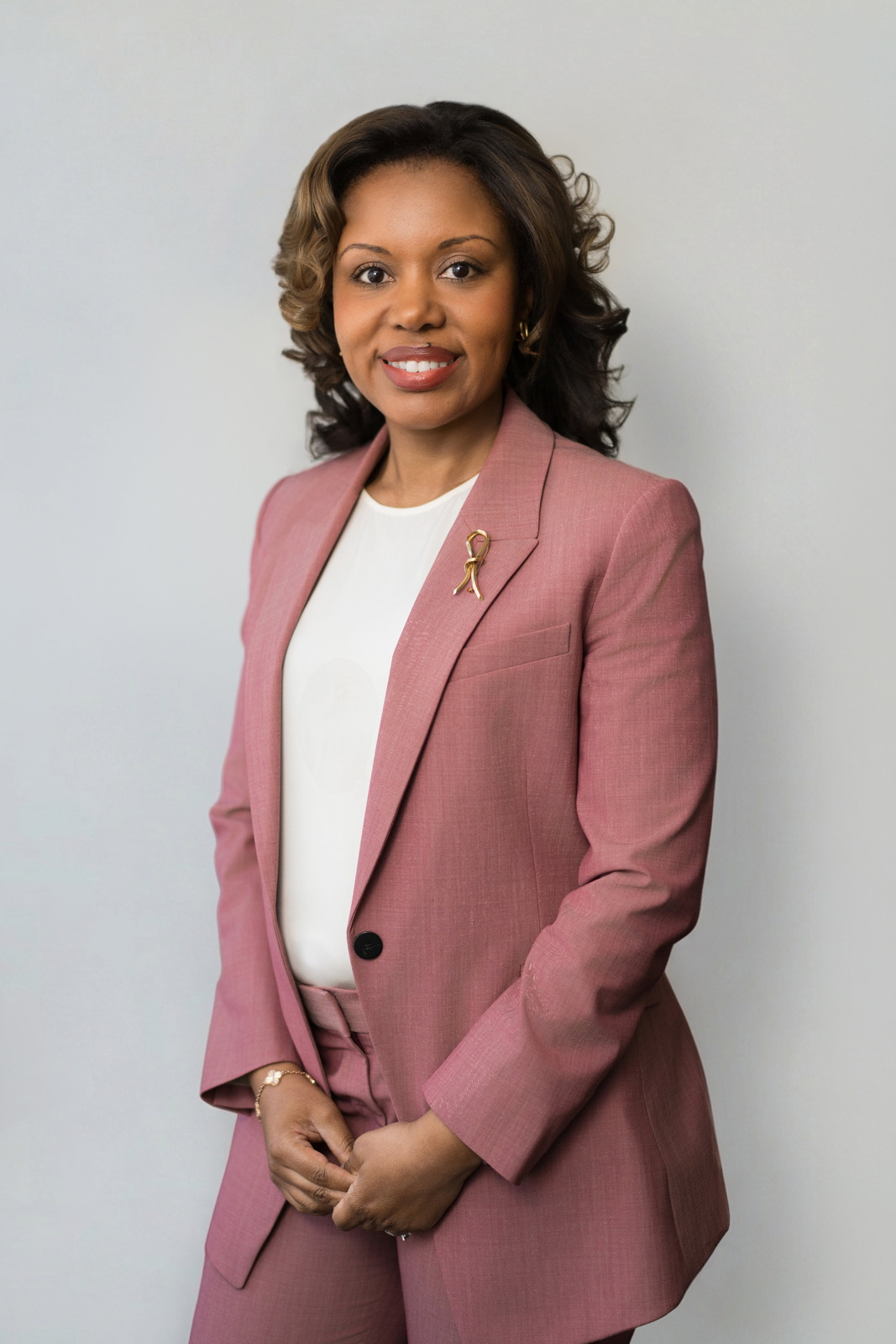
A full-length executive portrait is a standing or seated portrait that includes the whole figure rather than cropping at the chest. It captures posture, stance, hand placement, and complete wardrobe, giving a viewer information about presence that a tight headshot frame cannot hold.
That extra information is the entire point. A headshot answers what someone looks like. A wider frame starts answering how someone carries themselves, which is often the more useful question for a leadership audience.
It also gives designers room. Vertical website panels and editorial layouts need space around the subject for text and crops.
When Should You Choose a Full-Length Executive Portrait Over a Headshot?
Choose the wider frame when the photograph needs to do more than identify you. Speaking profiles, website hero panels, annual reports, and branding libraries all benefit from posture and wardrobe being visible. If the image only needs to fill a small circle, the headshot wins.
This is where a headshot session starts overlapping with executive branding photography. The brief stops being “take a good photo of my face” and becomes “show how I show up.”
Executive presence has never been a facial expression alone. Harvard Business Review frames it around commanding a room, body language, and clothing choices. Appearance is not the largest factor in that model, but it is the one a photograph can actually carry.
How Does Body Language Change in a Wider Frame?
Body language becomes visible the moment the frame opens up. Shoulder position, weight distribution, hand placement, and residual tension all enter the photograph, and small adjustments make a large difference between a portrait that reads relaxed and one that reads arranged.
One pattern I see constantly: an executive looks relaxed from the chest up while one hand stays clenched just outside the crop. Widen the frame, unlock the hand, shift the weight onto the back foot, and the whole portrait settles.
What I Watch For During Executive Headshots in Northern NJ
I am looking for ease rather than a correct pose. Shoulders settled instead of pulled back into a military line. Chin extended slightly forward rather than lifted. A jaw doing no work at all.
Hands need somewhere natural to go, because uncertainty shows up there first. One hand in a pocket with the thumb out, or fingers loosely closed rather than laced tight.
I also watch weight. A small shift onto the back foot relaxes the whole body without making anyone look casual.
None of this is something a client should arrive knowing. The people who tell me they hate being photographed usually produce the strongest frames once someone removes the guesswork. My piece on executive headshots for senior professionals explains why that direction matters more as visibility rises.
Wardrobe Becomes Part of the Story
In a headshot, wardrobe is a collar and maybe a lapel. In a wider portrait it is the entire silhouette.
That changes what matters. Fit stops being a detail and becomes the whole impression, because a jacket pulling at the button is now visible in a way no retouching should be asked to fix.
Solid tones hold up best across a full frame. Pattern that reads as texture in a tight crop can turn busy once there is more of it in the picture.
Rather than repeat fundamentals I have covered elsewhere, my guide to how wardrobe shapes your personal brand goes deeper on the tactical side. The point specific to this format is simpler: what you wear stops being background and starts being content.
Who Benefits Most From a Full-Length Executive Portrait?
Professionals whose image appears beyond a small profile photo benefit most. If your work includes speaking, board service, consulting, or a visible personal brand, one close-up rarely covers every placement well, and the wider frame gives you images that fit layouts a headshot cannot fill.
The dividing line is whether your work involves being seen in full, on purpose.
- Attorneys building individual reputation alongside firm identity
- Executives whose photos run in annual reports and investor materials
- Consultants and advisors marketing themselves as the product
- Healthcare leaders balancing clinical authority with approachability
- Financial advisors whose clients weigh trustworthiness before expertise
- Board members appearing across several organizational leadership pages
- Keynote speakers and panelists needing event-ready promotional images
- Entrepreneurs where the personal brand and the company brand are the same thing
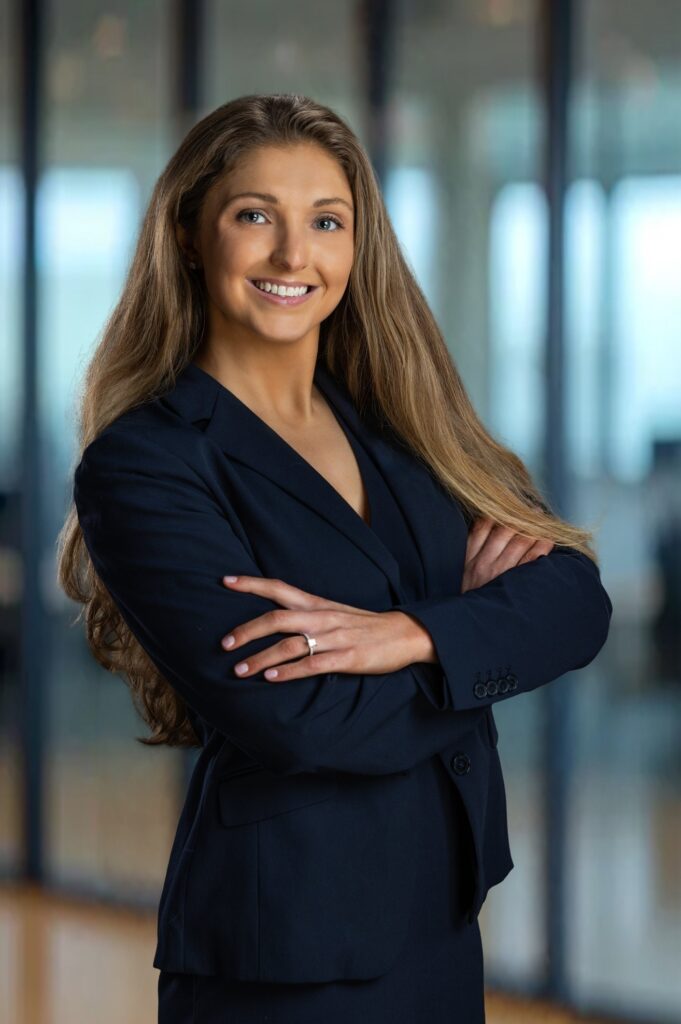
Female executive headshots in NJ are a clear example. A tight crop shows the neckline and jacket, while the wider frame reveals the silhouette and styling choices that finish the look.
That is also why a branding session often produces several framings rather than one, as I show in why one professional needs multiple branding looks.
Choosing the Right Portrait for Your Personal Brand
Every session I photograph starts with the same conversation, and it is not about lighting or wardrobe. It is placement.
Tell me where the images are going. A LinkedIn refresh, a firm bio rebuild, a speaking tour: each points somewhere different, and I would rather spend ten minutes there than deliver a beautiful file that does not fit its space.
Two decisions get blended together here. A studio headshot versus an environmental business portrait is a question about setting. A tight crop versus a full-length frame is a question about how much of you belongs in the picture. If setting is what you are weighing, my guide to business portraits versus headshots covers that decision in full.
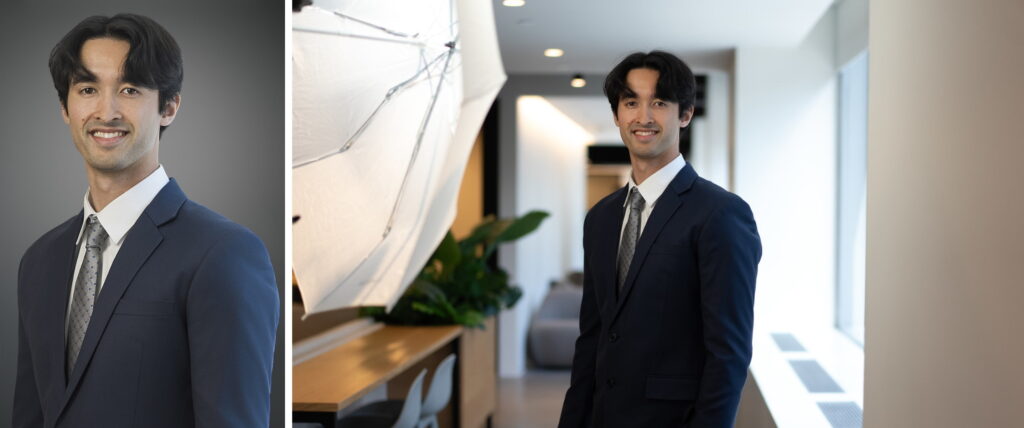
In practice, most executives leave with both framings. We shoot the tight corporate executive portraits first, then open the frame once the person has settled, and the whole thing fits inside one session. If you want the background on how I work, my story is on the about page.
Frequently Asked Questions
Is a full-length executive portrait different from a headshot?
Yes. A traditional headshot focuses on the face and shoulders, while a full-length executive portrait includes posture, wardrobe, and body language to create a broader professional impression. The wider frame carries information about bearing and presence that a tight crop cannot hold.
Do I need a separate session for full-length portraits?
No. Both framings fit inside one session. We photograph the tight headshot first, then open the frame for standing or seated portraits while lighting and expression stay consistent, so the images read as a coordinated set rather than two unrelated shoots.
What should I wear for a full-length executive portrait?
Choose clothing that reflects your professional brand, fits well, and makes you feel confident. Because the whole outfit is visible, tailoring, shoes, proportion, and overall silhouette matter considerably more than they do in a tight headshot. Bringing a second option is usually worth it.
How many images do most executives actually need?
Most professionals are well served by one strong close-up and two or three wider frames. That set covers a profile photo, a firm bio, a speaking page, and a website panel without forcing one photograph into placements it was never framed for.
Let’s Choose the Right Portrait for Your Role
If you are an executive, attorney, consultant, or business leader in New Milford or anywhere across the region, and your image no longer matches the level you operate at, that gap is worth closing.
Whether you need a classic executive headshot, a full-length professional portrait, or a full personal branding session, I will help you choose the style that represents your role and the impression you want to leave.
Book your session here and tell me where the photos are going. I will take it from there.
Reply...


