


Your Headshot day should feel relaxed, joyful, and completely yours.
I’m Alex Kaplan, a Headshot Photographer and videographer based in New Milford, NJ, serving Northern.
Browse by Category:
headshots
view more

REQUEST INFORMATION
Want to feel like THIS on your Headshot day?
Availability is limited. Check Your Date Here


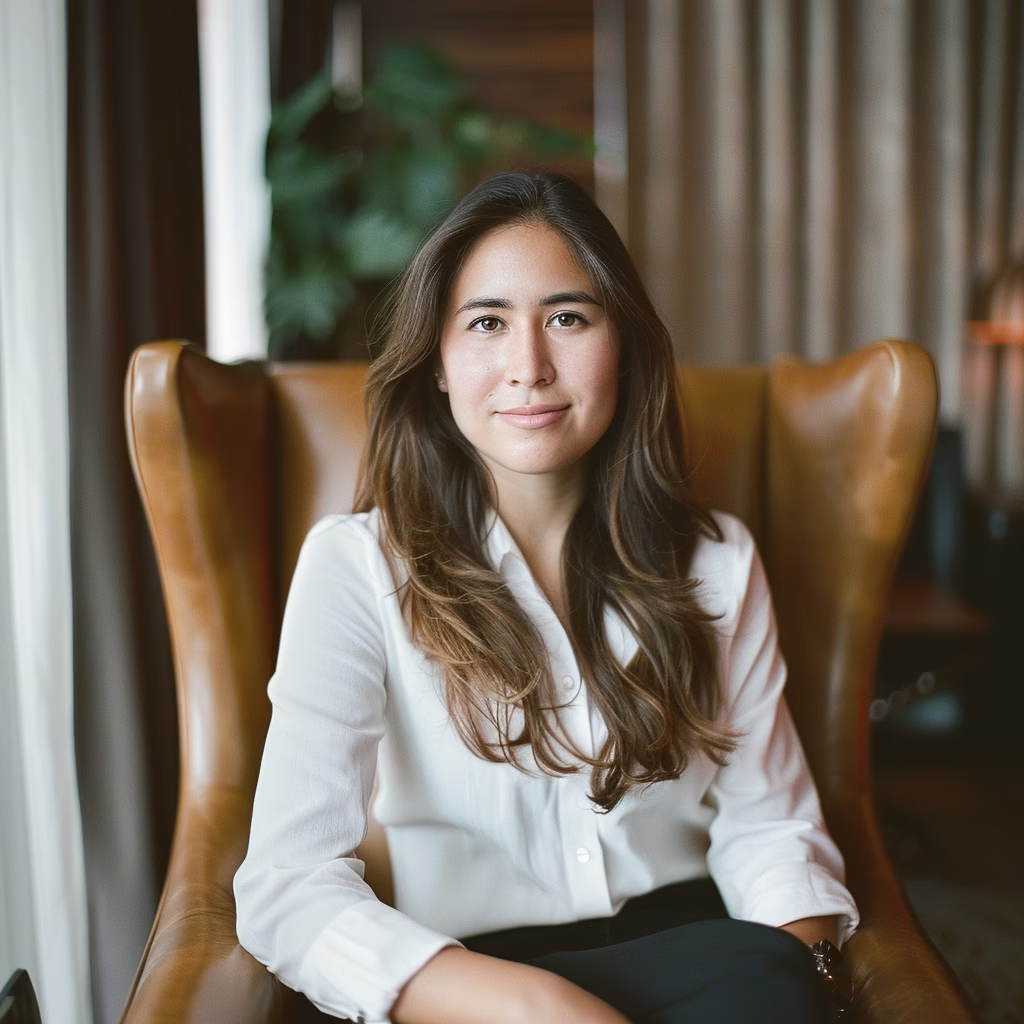
Almost everyone who books a headshot session because they feel camera shy starts the conversation with an apology. “I hate photos.” “I never know what to do with my face.” “I’m just not photogenic.” After more than 30 years photographing professionals across Northern New Jersey and New York City, I hear some version of this nearly every week. And every single time, the person standing in front of my camera ends up with photos that genuinely surprise them.
A few months ago, a marketing director from Paramus came in for a corporate session. She’d already rescheduled once, convinced she was going to waste everyone’s time. Twenty minutes into the shoot, she was mid-sentence in a conversation about a project she was proud of when I clicked the shutter. That frame ended up as her LinkedIn photo. She told me afterward she didn’t even remember it happening.
That’s not a special case. That’s what the right session structure actually produces. Camera shyness isn’t a character flaw. It’s a completely natural response to an unfamiliar situation where you feel watched, evaluated, and uncertain about what to do. The difference between a headshot that looks stiff and one that looks like you isn’t talent or genetics. It’s guidance. Here’s how professional headshot sessions are designed to make that happen.
1. The Pre-Session Conversation That Changes Everything
A great headshot session doesn’t start when you walk through the door. It starts in the days before, with a real conversation about who you are, where these photos are going, and what kind of impression you want them to make.
If you’re booking headshots for a LinkedIn profile, a law firm bio, or a speaking engagement page, those contexts call for genuinely different approaches to expression, posture, and framing. When you arrive already knowing your photographer understands exactly what you’re trying to accomplish, the professional headshot anxiety that usually follows you in the door drops considerably.
This is also when I ask about the things that make people uncomfortable on camera. Some clients feel self-conscious about their jawline. Others don’t know what to do with their hands. Knowing this before we start means we address it proactively rather than trying to fix it mid-session.
A lot of awkwardness in headshots actually traces back to a prep gap, and if you want to understand that more deeply, this post on why corporate headshots feel awkward and how to avoid it is worth reading before your session. When the foundation is solid, everything else runs more smoothly.

2. Pacing the Session Around You, Not a Shot List
Why Do I Look Awkward in Photos?
This is one of the most common questions I hear, and the most honest answer is usually this: you look awkward because you feel watched, and you don’t know what to do with that feeling.
When a photographer rushes through a session to hit a predetermined number of setups, clients tighten up. There’s no space to breathe, no time to settle. You end up with a handful of frames from the most nervous, self-conscious version of yourself.
Pacing changes that completely. A session that gives you ten minutes to warm up before any real shooting happens, that moves at a rhythm you can actually follow, produces entirely different results than one that starts firing the moment you walk in. I don’t work from a rigid shot list. I work from a read of where the client is in the room. Some people need more movement, more conversation, more time. Some people hit their stride in the first five minutes. The session adjusts to you, not the other way around.
3. Expression Coaching That Doesn’t Feel Like a Performance
“Smile naturally.” If there’s a less useful instruction in photography, I haven’t found it. If you could smile naturally on command, you probably wouldn’t be nervous about headshots in the first place.
Real expression coaching works differently. Instead of telling you what your face should do, a good photographer gives you something to think about or react to. A genuine expression is the product of a thought or a feeling, not a muscle command. When you’re actually engaged in something, the face takes care of itself.
I use conversation, humor, and sometimes deliberate silliness to get authentic expressions. We’re not performing for the camera. We’re having an exchange, and the camera is documenting it quietly.
The connection between emotional state and physical expression is something I explore in depth in the post on how to look confident in your headshot through breathing and relaxing. The short version: you can’t command your face to relax, but you can set up conditions where it does on its own.
4. Direction That Removes the Guesswork
A significant part of what makes people look nervous in photos is that they simply don’t know where to put themselves. Arms? Lean forward or back? Where exactly am I looking? That uncertainty reads clearly in a photo.
Clear, calm direction takes the guesswork out of the equation entirely. The best direction isn’t a pose. It’s a small physical suggestion that feels natural the moment you do it. “Shift your weight slightly to your left foot” produces a more relaxed stance than “stand up straighter.” “Look just past my shoulder for a second, then come back to me” gets a far more natural eye connection than “look at the lens.”
These are small adjustments. Over the course of a full session, though, they add up to photos where you look like yourself, not like someone trying to look like themselves.

5. Conversation as a Tool, Not Just Small Talk
How Do Photographers Help Nervous Clients?
The answer, at least in how I work, is almost entirely through conversation. Not the obligatory “so what do you do?” that fills space while lights get adjusted. Actual questions that get someone thinking about something they genuinely care about.
When your brain is engaged in a real exchange, it stops running an internal audit on your face and posture. The camera stops being a source of headshot confidence anxiety and becomes background noise. This is almost always when the best frames happen. Not when someone is trying to look good, but when they’ve briefly forgotten to try.
Over the years, more than 625 clients across Bergen County, Hackensack, and the New York metro area have left five-star Google reviews, and one theme that comes up consistently is that they didn’t expect to feel as comfortable as they did. That’s not luck. It’s a deliberate part of how every session is structured.
6. Breathing and Body Language Resets
How Can I Relax During Headshots?
The most immediate, practical answer: breathe. One long, slow exhale right before a frame. Let your shoulders drop. Unclench your jaw. This sounds almost too simple, but it shows up in photos in a way that’s impossible to miss.
I build breathing cues into the natural pauses of a session. After a lighting adjustment or a background change, I’ll stop for thirty seconds and let the client reset. No conversation, no direction. Just space. The difference in the frames before and after that pause is consistent enough that I’ve made it a deliberate habit.
Body language adjustments work on the same principle. A slight forward lean communicates engagement. Rotating the shoulders a few degrees creates depth without tension. None of this requires flexibility or performance training. It just requires a photographer who’s paying close attention.
For a deeper look at the specific techniques that work before, during, and after a session, the professional headshots confidence tips post covers the full picture in practical terms.
7. Reviewing Images Together to Build Confidence Mid-Session
Nothing breaks the self-consciousness of a headshot session faster than showing a client two or three good frames early on. When you can see that you actually look like yourself, that the camera didn’t distort or expose you the way you feared, the back half of the session runs on an entirely different energy.
I review images with clients at natural pauses throughout the shoot. Not every frame, but enough to give a clear sense of what’s working. It builds real-time confidence, gives the client useful feedback about what feels right to them, and turns the experience into a collaboration. That shift matters more than most people expect.
Clients who feel like active participants in their session produce better photos. It’s one of those things that sounds overly simple until you see it happen.
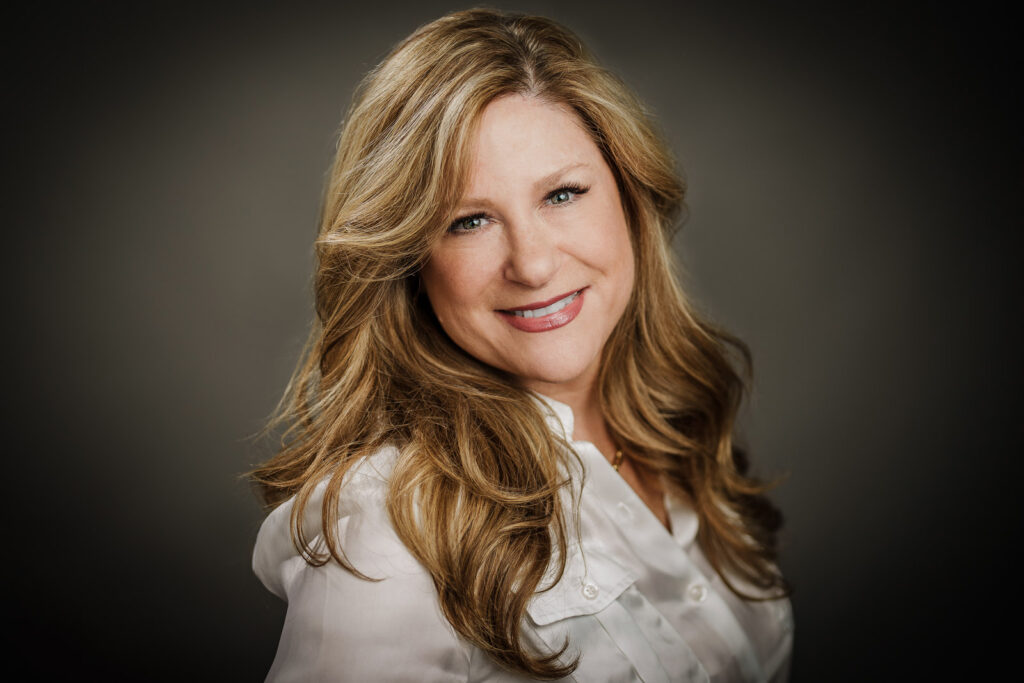
Book a Headshot Session That Actually Feels Good
If you’ve been putting off professional headshots because you dread being on camera, you’re in the right place. The nervousness you’re expecting is real, and it’s also something experienced photographers handle every single day. The right session isn’t about pretending the anxiety isn’t there. It’s about working through it together in a way that leaves you with photos you’re actually glad you have.
I work with professionals, executives, actors, and entrepreneurs across Bergen County, Hackensack, New York City, and throughout the NYC metro area. Whether this is your first time booking headshots or you’ve had a bad experience elsewhere, the process here is built around making you comfortable from the very first conversation.
Call or text directly at 917-992-9097 or 201-834-4999, or reach out through the contact page to tell us a little about what you’re looking for.
Reply...


