


Your Headshot day should feel relaxed, joyful, and completely yours.
I’m Alex Kaplan, a Headshot Photographer and videographer based in New Milford, NJ, serving Northern.
Browse by Category:
headshots
view more

REQUEST INFORMATION
Want to feel like THIS on your Headshot day?
Availability is limited. Check Your Date Here
Most professionals booking executive headshots in NJ walk in with the same three tells: a dark studio backdrop, a locked jaw, and a jacket chosen mostly to avoid attention. Nothing about them is technically wrong. They simply stopped matching the person sitting in front of me.
I’m Alex Kaplan, and across more than 30 years photographing leaders throughout Northern New Jersey and New York, I have watched the definition of a credible portrait move underneath everyone’s feet. The standard did not get louder. It got warmer.
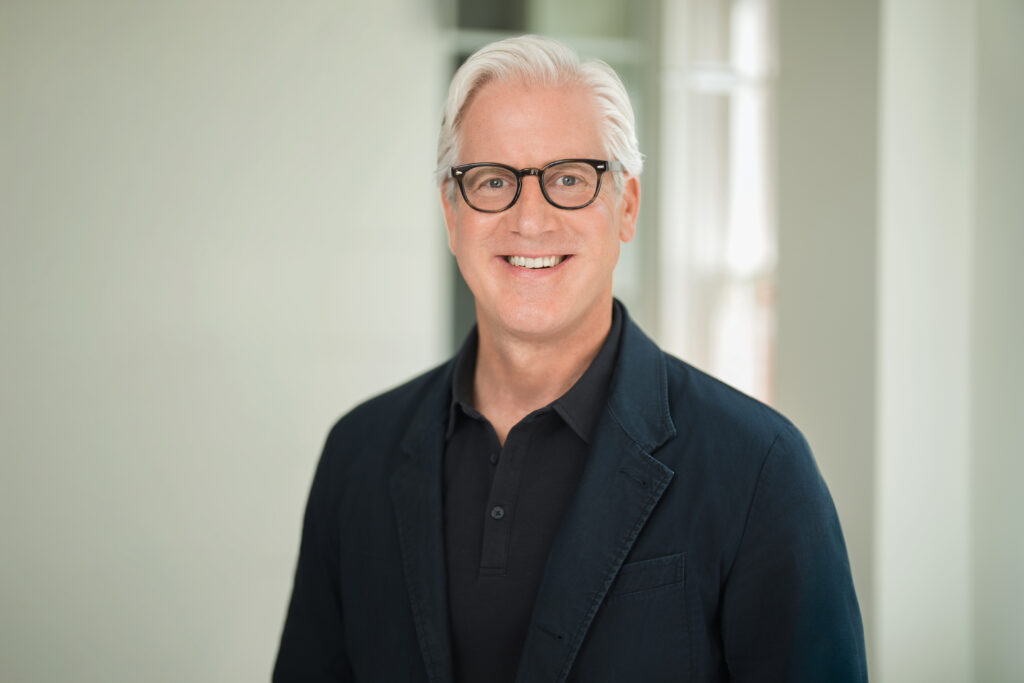
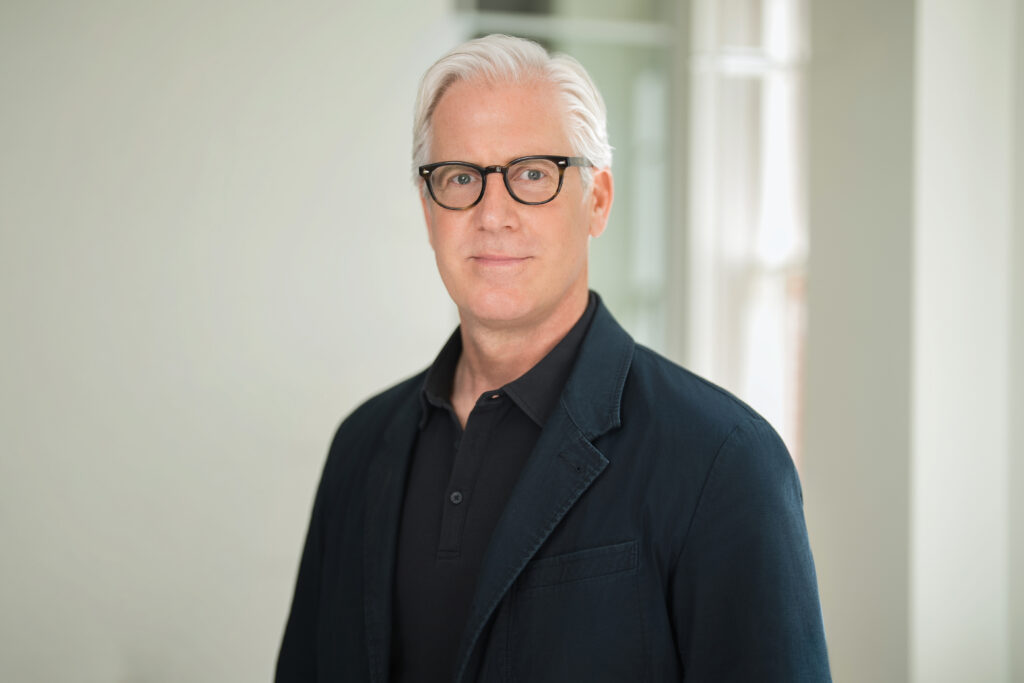
My recent client, Brian Pilot, a leader at Studios Architecture, is a clean example of where things landed. Dark polo, unstructured jacket, soft window light, and an expression that reads as mid-conversation rather than mid-evaluation.
Traditional Executive Portraits Were Built Around Formality
For decades, an executive portrait had one job: signal rank. That meant a dark seamless background, a buttoned jacket, squared shoulders, and an expression carefully drained of anything personal.
There was real logic behind it. When your photo lived in an annual report or a printed press kit, it was seen briefly, by people who already knew your title.
The image never had to build a relationship. It only had to confirm one.
That is also why so many older corporate photos age badly. Formality has a shelf life, and it is shorter than most people expect. If you are weighing how much gravity your own image still needs, my notes on why senior professionals need a different portrait work through where authority genuinely earns its place.
I have watched that curve from behind the camera across more than thirty years photographing professionals in this region. The preferred style changed repeatedly over that stretch. What people are actually looking for in a face never did.
The giveaways are consistent once you know them. Heavy vignetting, a hard rim light burning the shoulder, a tie knot pulled so tight the neck vanishes, and a smile held for a half second too long. The details that build instant credibility in executive headshots tend to be the opposite of all four.
Today’s Leaders Want Approachability Without Losing Authority
Nobody walks into my studio asking to look softer. They want to look reachable and still be taken seriously, which is a harder brief than it sounds.
What they are really asking for is balance. The portrait should feel open enough to invite trust and grounded enough to hold authority.
That balance comes from a relaxed jaw, steady eye contact, and natural posture. Warmth gets you read. Authority gets you remembered.
Look at Brian’s composed frame above. The smile is gone, but nothing about him has hardened: the shoulders stay low, the gaze stays level, and the jacket still moves with him.
That is the balance most professional executive portraits are chasing now. Not friendlier, just less defended. It is one of the main reasons executive branding photography has moved away from the traditional boardroom formula, and it drives most of what I plan on an Executive Headshots NJ session.
The same logic scales upward. When Alex Kaplan Photo shoots leadership headshots for a full executive team, the set that holds together is never the one where everyone performed the same expression. It is the one where each person looks like themselves inside a consistent lighting and framing framework.
Modern Executive Headshots Focus on Connection, Not Perfection
Perfection photographs poorly. The moment someone starts managing their own face, the tension shows up in the jaw and around the eyes, and viewers register it without ever naming it.
Connection is the alternative, and it is mostly technical. Level camera height, a genuine sight line, and a posture the person can actually hold for ten minutes.
What Actually Changes During the Session
I talk. That is the whole trick, and it is why executive portrait photography has become far more conversational than directive.
Ask a leader to hold a confident expression and you get a performance. Ask them what they are working on this quarter and you get the face their colleagues already know.
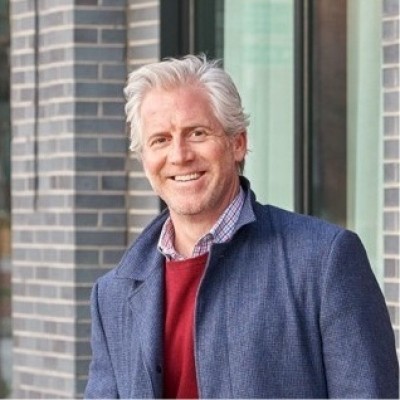
When I compared Brian’s LinkedIn photo with the portraits from our session, the difference was not professionalism. His earlier image already felt approachable, with a broad smile and relaxed outdoor setting, but the heavier layers and casual framing pulled attention toward the photograph. In the newer frames, the wardrobe is quieter, the light is softer, and his expression has more range.
He still looks like the same person, but the portrait feels more current and focused on him. That is the goal: preserve the personality while removing the visual noise competing with it.
Small mechanical adjustments carry the rest: chin forward an inch, weight onto the back foot, shoulders dropped. Executives and advisors read the difference instantly, which is the same argument I make in corporate headshots for consultants and executives.
Environment does real work here too. Daylight and architectural depth give a portrait context that a gray backdrop cannot manufacture, which is the case for taking executive headshots beyond the traditional studio when the setting fits the person.
Wardrobe Matters More Than Formality
This is the part clients ask about most. As a corporate portrait photographer NJ companies bring in for leadership pages and press bios, I can tell you wardrobe is the one variable you fully control and the one most people underthink.
Brian’s outfit is worth studying because it breaks the old rule and lands better for it. A dark polo under an unstructured jacket is not what anyone would have called executive attire fifteen years ago.
It works because the layers do the job the suit used to do. Structure at the shoulder reads as authority; the open collar reads as accessible.
The mistake I see most often in executive business headshots is dressing for the title instead of the calendar. If you have not worn a tie since 2019, a tie will make you look borrowed.
Solid, deep tones photograph best: navy, charcoal, forest, and black. Avoid tight patterns, visible logos, and anything with a sheen, since all three pull attention off the face and date the image fast.
One practical note from thousands of sessions: bring two options and let the room decide. Fabric behaves differently under window light than it does in a mirror.
Signs Your Executive Headshot Feels Modern Instead of Outdated
- Natural, unforced expression that matches how you actually speak
- Relaxed but grounded posture, with shoulders down rather than squared
- Contemporary business attire, chosen for your industry rather than tradition
- A clean professional environment with visible depth behind you
- Soft, directional natural light instead of flat, even studio fill
- Consistent branding across your LinkedIn, firm bio, and speaking profiles
- Genuine eye contact at a level camera height
If most of those describe your current photo, it is still working for you. If only one or two do, your executive LinkedIn headshot is probably doing quieter damage than you think.
Executive Headshots NJ: Questions Professionals Ask Before Booking
How Often Should You Update Yours?
Every two to three years for most leaders, and immediately after a role change, a rebrand, or a significant change in appearance. Contemporary executive headshots age slowly when the styling stays neutral, but the gap people notice is not the photo aging. It is the person having moved on.
Do Modern Executive Headshots Still Require a Suit?
No, and for many industries a suit now reads as costume. Wear the most polished version of what you actually wear to important meetings. Architecture, tech, healthcare, and creative leadership generally photograph better in structured business casual, while law and finance still lean formal.
What Makes an Executive Headshot Look Outdated?
Usually four things at once: flat frontal lighting, a dark seamless backdrop, a tightly held expression, and a wardrobe formality that no longer matches the industry. Any one of them is survivable. Together, they make executive branding photos read as dated almost on sight.
Build an Executive Brand That Reflects How You Lead Today
Your headshot is not a profile picture. It is a business asset that works every hour of every day, on LinkedIn, in proposal decks, on leadership pages, and in the inbox of someone deciding whether to take your call.
I photograph executives, founders, attorneys, and leadership teams from my New Milford studio and on location across the region and New York City. If your current portrait is doing an accurate job of representing someone you used to be, that is worth fixing.
A session with Alex Kaplan Photo runs about 45 minutes, includes wardrobe and expression coaching throughout, and delivers retouched finals you can use across every profile you own. Most people arrive expecting the session to feel awkward. My job is to make sure it feels guided and manageable from the first frame.
If you want executive portraits that reflect how you actually lead, get in touch and let’s plan your session.
Reply...


