


Your Headshot day should feel relaxed, joyful, and completely yours.
I’m Alex Kaplan, a Headshot Photographer and videographer based in New Milford, NJ, serving Northern.
Browse by Category:
headshots
view more

REQUEST INFORMATION
Want to feel like THIS on your Headshot day?
Availability is limited. Check Your Date Here



Most actors arrive at their first session believing the goal is one perfect image. It feels logical. Find the photo that looks the most like you, and you are set.
After more than thirty years behind the camera, I can tell you it rarely works that way. Casting professionals are not studying a single expression. They are imagining how you might fit a dozen different roles, and one frame can only carry so much of that.
That is the real value of well-planned actor headshots Northern NJ performers can use to their advantage. A focused session can give you a range of looks that open doors across very different casting categories. Alisha’s recent session is a clear example, and we will use her two looks throughout this guide.
Why One Headshot Doesn’t Tell Your Whole Story
Here is the short version.
Most actors benefit from having multiple headshot looks because casting directors often consider them for different character types. A well-planned actor headshot session can create a range of images that help actors appear suitable for commercial, theatrical, dramatic, or relatable roles without losing authenticity.
The reason comes down to how casting actually works. You are rarely submitted for one type of part. Over a single pilot season, the same performer might be read for a grounded family drama, a bright commercial, and a tense indie film.
A single image locks you into one read. When a casting director sees only your most serious expression, that becomes the box they place you in. Versatility gets lost, and so do auditions.
You can see how this plays out across a range of performers on our actor headshots page, and a little more about my approach and background if you want the longer story.
Same Actor, Different Casting Possibilities
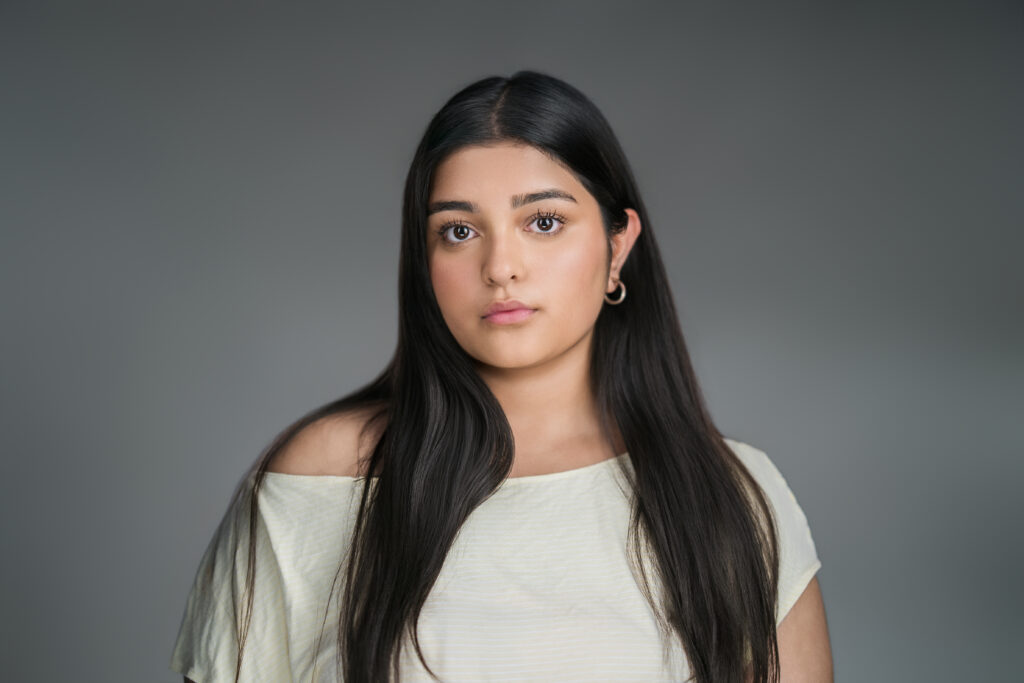
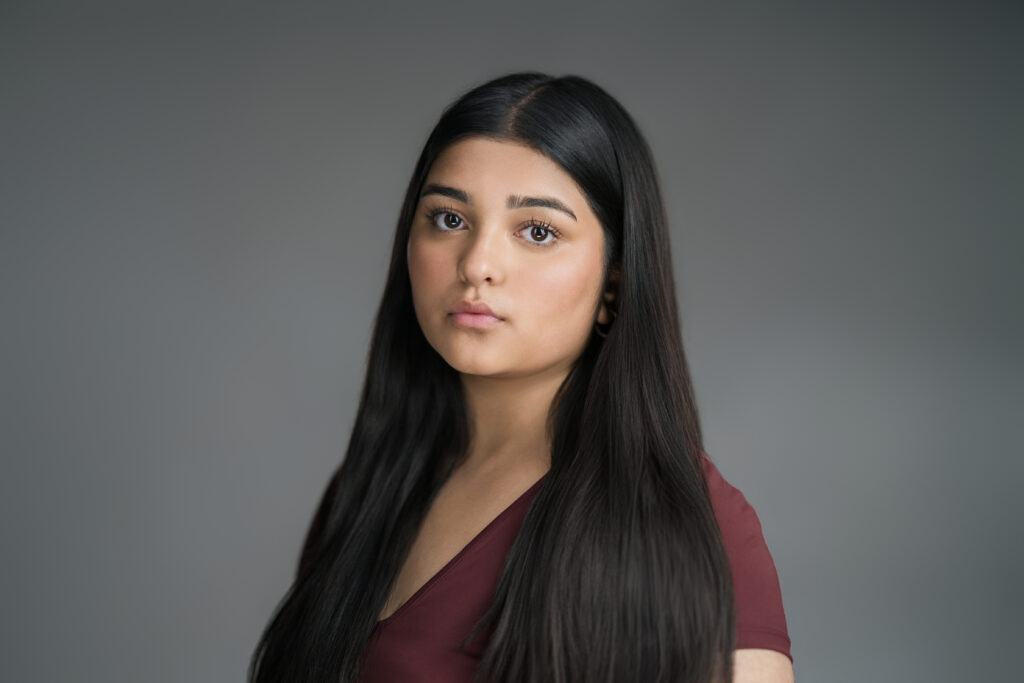
This is where Alisha’s session becomes useful. We photographed her in two distinct looks during one sitting, with no change to who she is, only to how she is presented.
Place the two images side by side and the shift is immediate. Same face, same authenticity, two very different casting impressions. That contrast is the whole point.
Look One: Confidence, Strength, and Dramatic Presence
In the burgundy look, Alisha holds strong, steady eye contact with a quieter, more serious energy. There is a stillness to it that reads as focus rather than coldness.
A casting director scanning submissions might picture this image for independent film, a drama series, or layered young adult roles. The deeper tone of the wardrobe and the direct gaze suggest someone carrying a story rather than simply smiling for the camera.
This is the look that tends to earn theatrical attention. It signals range and emotional weight, which is exactly what dramatic roles ask a performer to show.
Look Two: Approachable, Relatable, and Natural
The cream look softens everything. The lighter top, the relaxed neckline, and the warmer expression read as friendly and open.
This image can work especially well for commercial submissions. Lifestyle campaigns, network television, and everyday relatable characters all lean toward this kind of warmth, because audiences are meant to see themselves in the face on screen.
For Alisha, this second look noticeably widens her range. The same session that produced a dramatic theatrical option also produced a bright, castable commercial one.
What Casting Directors Often Look For
Beyond the surface, casting professionals are reading for a few specific things. They want to see character potential, genuine authenticity, and emotional availability in the eyes.
Versatility matters because it makes you easier to submit. An actor with range is simply useful to more projects, which is a practical advantage in a competitive room. If you want a deeper breakdown of how this splits in practice, our guide on commercial versus theatrical headshots covers the distinction well.
Submission strategy ties it all together. Industry resources like Backstage can also help performers stay aware of casting expectations, but the foundation still starts with choosing the right image for the right breakdown. Most of my actor clients commute into NYC for auditions, so having both options ready saves them from scrambling before a deadline.
How Wardrobe Choices Influence Casting Perception
Wardrobe does quiet, heavy lifting. Color carries mood, and Alisha’s two tops prove it. The burgundy adds depth and seriousness, while the cream feels light and accessible.
Necklines and texture matter too. Simple, clean fabrics keep attention on the face, while busy patterns or shiny materials pull the eye away. The goal is always the same: remove distractions so the casting director sees you, not your shirt.
I usually ask actors to bring a few solid options in colors that flatter them, then we build looks intentionally rather than by accident. The actors who come through the studio here in New Milford already understand how much a single styling choice can shift a read, and we treat it that way from the first frame.
Building an Actor Portfolio That Shows Range
A strong portfolio is not a pile of pretty pictures. It is a small, deliberate set of looks that each unlock a different category of work, all held to consistent technical quality.
Authenticity is the anchor. Multiple looks should still feel like the same real person, which means resisting heavy retouching and over-styled images that no longer match who walks into the room. Casting directors notice the gap immediately, and it costs trust.
The aim is a submission-ready collection that gives your agent flexibility without confusing anyone. If you want to understand what separates a working headshot from a forgettable one, what makes a great actor headshot breaks down the details that quietly decide who books.
The Real Goal of an Actor Headshot Session
A successful session was never about chasing one flawless image. It is about leaving with a collection of authentic photographs that help casting professionals picture you across very different roles.
That is what Alisha walked away with: one face, two genuine looks, and a meaningfully wider range of opportunities. If you are an actor in Northern New Jersey or heading into NYC auditions and you want headshots that show your full range, reach out and let’s talk. I would be glad to help you build a set that works as hard as you do.
Frequently Asked Questions
How many headshots should an actor have?
Most working actors carry two to four distinct looks. At minimum, a commercial look and a theatrical look cover the widest range of submissions. Beyond that, additional looks should each unlock a specific character type rather than repeat what you already have in your portfolio.
How many looks should I bring to an actor headshot session?
Bring two to three wardrobe options that genuinely reflect different sides of you. One brighter and more relaxed, one deeper and more serious is a reliable starting point. We can build multiple casting looks from a small, intentional selection without overloading the session.
What should I wear for actor headshots?
Choose solid colors in flattering tones, clean necklines, and simple fabrics that keep attention on your face. Avoid busy patterns, logos, and shiny materials that distract the eye. The wardrobe should support the read you want, not compete with it.
Why do actors need multiple headshots?
Because you are submitted for many role categories, not one. A single image locks casting directors into one impression of you. Multiple looks let them imagine you as the warm commercial lead in one project and the layered dramatic character in another.
Do casting directors prefer different headshot styles?
Yes, depending on the breakdown. Commercial casting leans toward bright, approachable energy, while theatrical casting rewards depth and emotional presence. Having both ready means you are prepared for whatever audition comes next instead of forcing one image to do every job.
Reply...


