


Your Headshot day should feel relaxed, joyful, and completely yours.
I’m Alex Kaplan, a Headshot Photographer and videographer based in New Milford, NJ, serving Northern.
Browse by Category:
headshots
view more

REQUEST INFORMATION
Want to feel like THIS on your Headshot day?
Availability is limited. Check Your Date Here
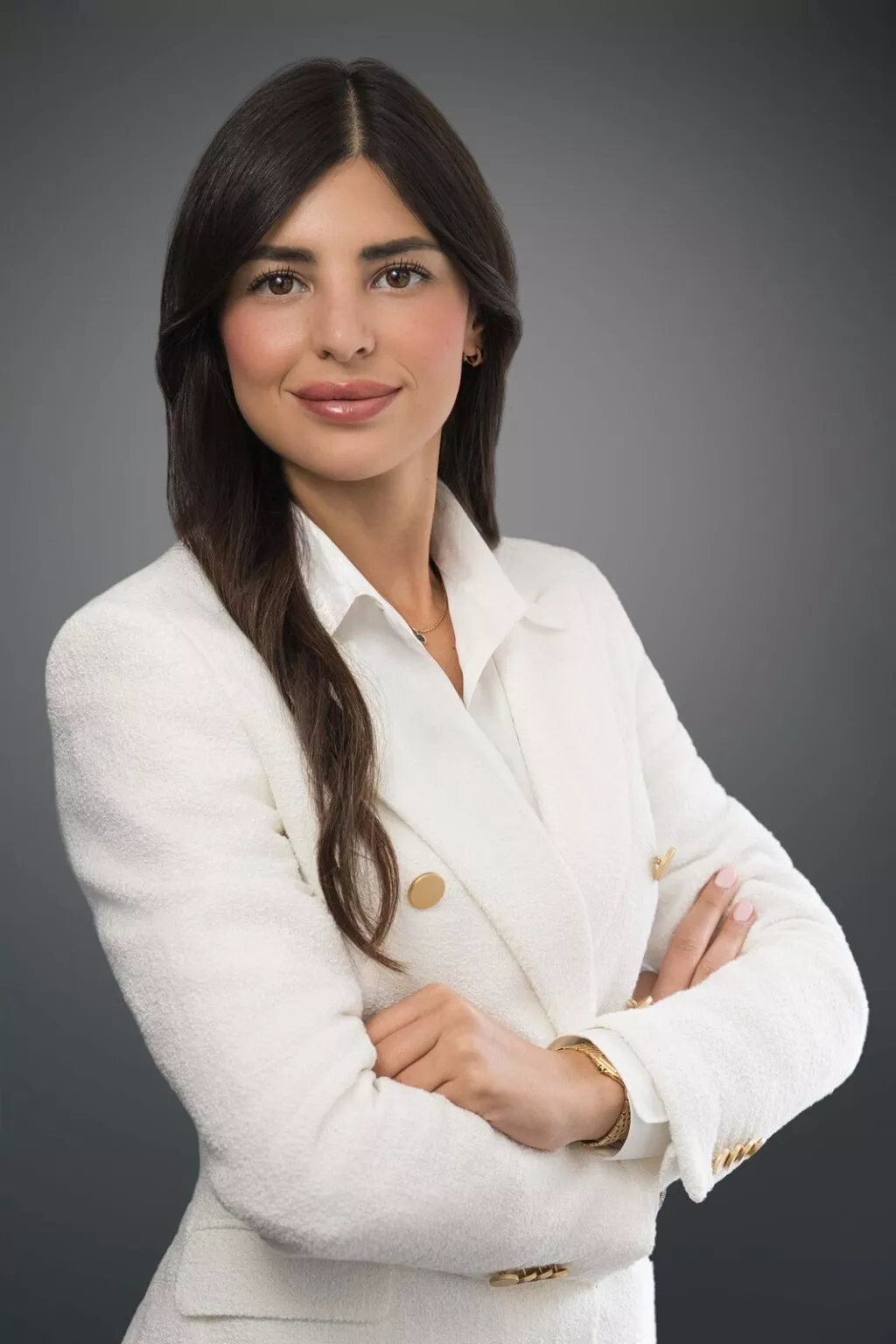
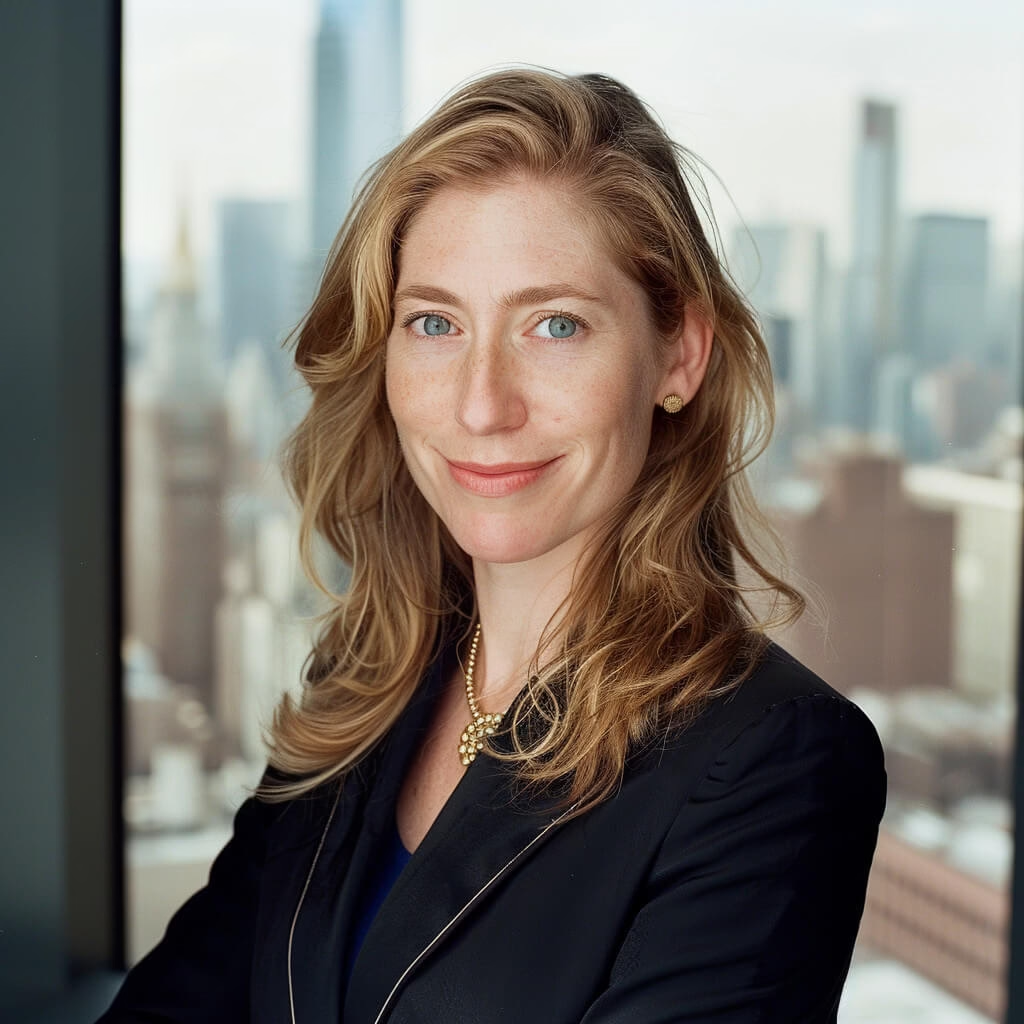
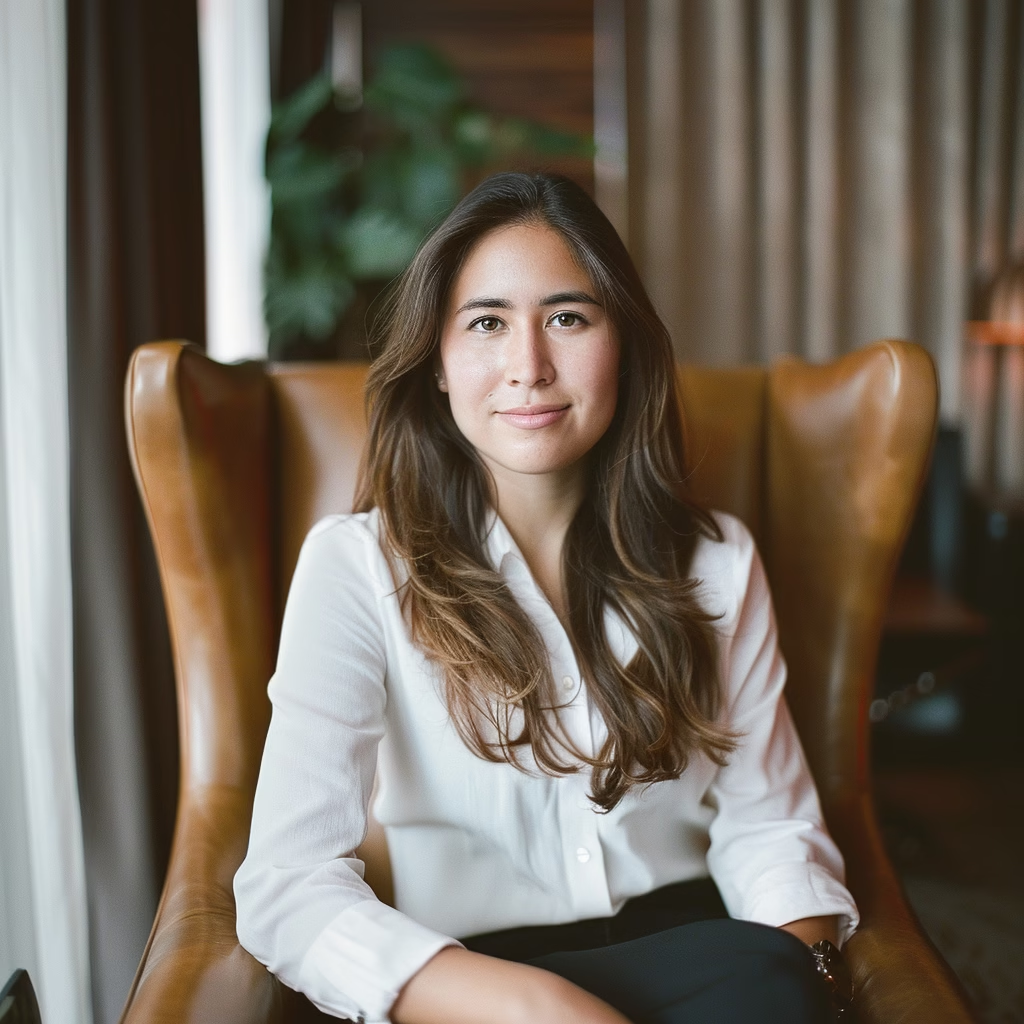
Most people walking into their first session have no idea what agencies are actually looking for. They’ve seen polished editorial spreads and assume a great shot means dramatic lighting, heavy makeup, and an artfully sculpted pose. The reality is almost the opposite.
Agencies and casting directors want to see you. Clear, honest, simple. The best modeling headshots strip away everything unnecessary so the person reviewing your book can immediately picture you in a role, a campaign, or on set. That’s the job a good headshot has to do, and it’s harder to achieve than most beginners expect.
If you’re starting out and trying to figure out where to begin, these ten tips will point you in the right direction. And if you’re wondering how this type of work relates to actor photography, the two disciplines share a great deal of common ground. You can see how I approach both on my actor headshots NYC & New Jersey page.
What Are Modeling Headshots?
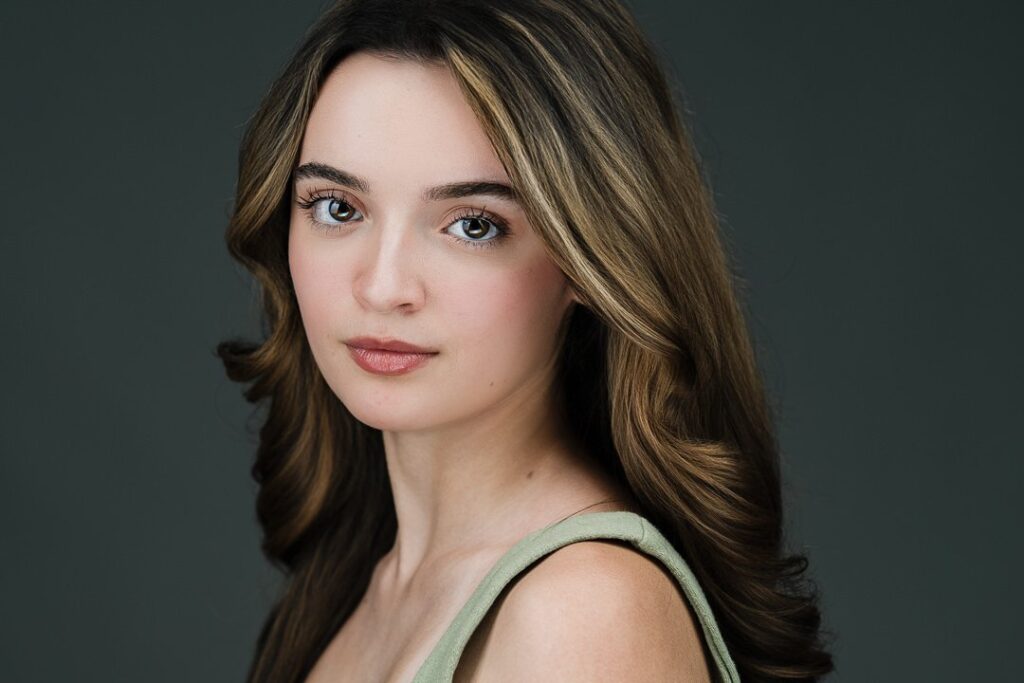
Modeling headshots are professional photographs used to introduce a model to agencies, clients, and casting professionals. Unlike portfolio images, which showcase range and versatility, headshots serve one primary function: to clearly and honestly represent what you look like right now.
A headshot is typically a close crop from the shoulders or chest up, focused on your face, expression, and energy. For a new model, it’s your introduction. Before anyone sees your portfolio, your walk, or your presence on set, they see this image.
Why Agencies Still Ask for Simple, Natural Headshots
When an agency is reviewing hundreds of submissions, they need to make fast decisions. Heavy production, stylized lighting, and editorial styling all create noise. A clean, natural image removes it.
What they’re evaluating in those first few seconds is bone structure, skin, eyes, and expression. They want to project you into their vision without having to edit around a concept that’s already baked in.
Simple doesn’t mean boring. It means honest. And honest is what opens doors.
10 Tips for Better Modeling Headshots
1. Dress Simply
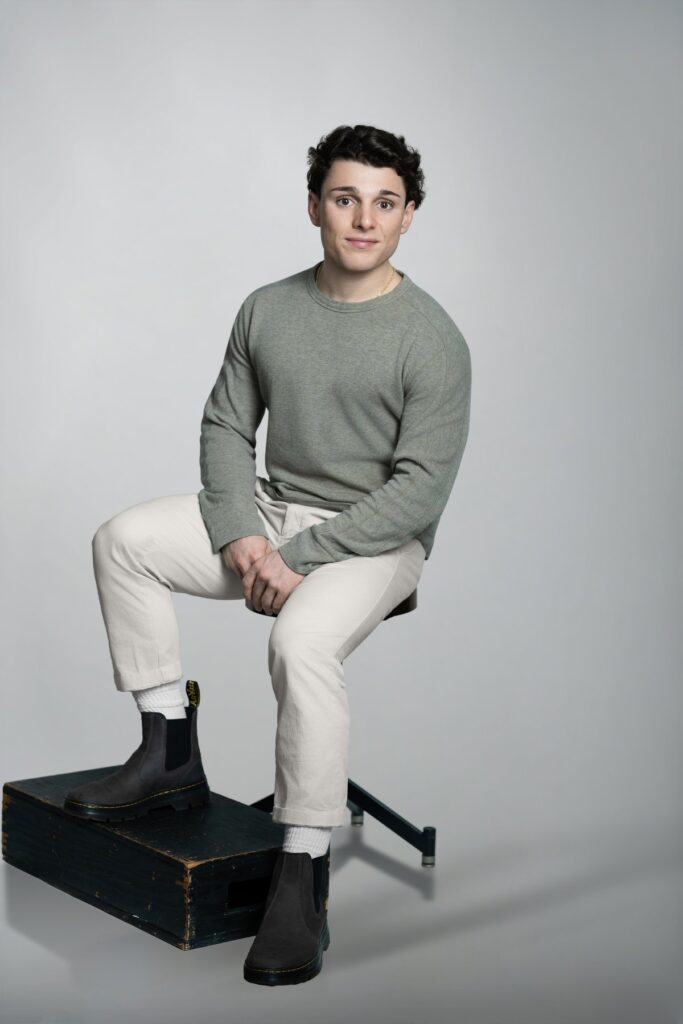
Make your face the subject. Busy patterns, logos, and heavy textures pull the viewer’s eye away from you. Solid colors in neutral or muted tones work best. Fit matters more than style. A well-fitted solid crewneck will outperform a trendy outfit every time. If you’re unsure, bring a few options and let the photographer weigh in.
2. Focus on Expression
This is the one beginners underestimate most. Expression isn’t about smiling or not smiling. It’s about what’s happening in your eyes when you’re relaxed and present. Agencies look at hundreds of technically competent photographs every week. What stops them is a face doing something real.
3. Use Natural Grooming
Arrive groomed at your natural baseline. For women, light makeup rather than a full editorial look. For men, facial hair neat and consistent with how you normally present yourself. The goal is to look like yourself on your best day. Agencies cast you based on what you actually look like.
4. Avoid Heavy Retouching
Heavy retouching on a submission photo is a credibility problem. If your image looks meaningfully different from how you walk into a casting call, that disconnect creates distrust. Light retouching for temporary blemishes is standard. Skin smoothing that removes texture, or body retouching that alters your proportions, is counterproductive. Agencies are booking a real person. Show them one.
5. Bring Multiple Looks
Two or three clean wardrobe changes means you leave with more than one usable image. Different agencies have different preferences. What reads well for commercial work might not be the strongest choice for editorial. A few clean variations keeps your options open.
6. Prioritize Your Eyes
The eyes have to be sharp. Agencies review images at full size, and soft eyes read as a production problem. Beyond sharpness, your eyes need to be engaged. Looking through the lens rather than at it is a distinction subtle in the moment and very apparent in the final image.
7. Choose the Right Photographer
Not every portrait photographer has experience with the modeling and casting world. You want someone who understands the clean aesthetic agencies expect, knows how to light for natural skin representation, and has real experience directing talent new to the camera. Ask to see relevant work before you book.
I’ve watched this play out many times. A beginner came in once carrying three carefully planned outfits, each more styled than the last. We tried them all. The image she submitted to agencies came from the simplest look, a clean top, relaxed expression, good light. She’d arrived anxious and left confident, and that shift showed in the frame.
8. Shoot in Good Light
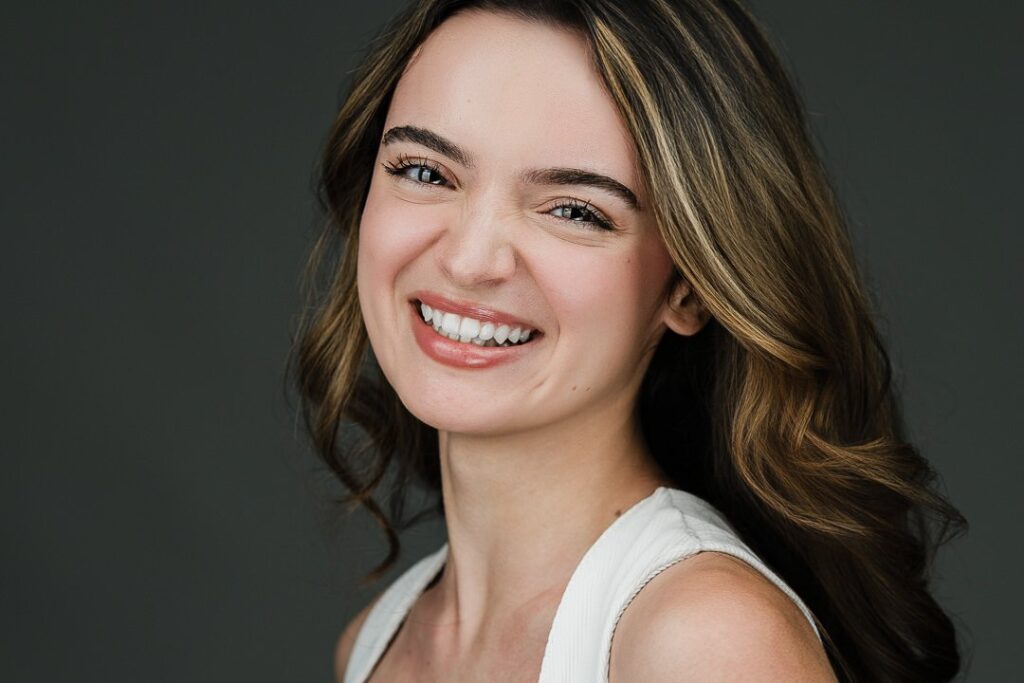
Natural light and well-controlled studio light both work well for headshot sessions. Harsh overhead light, direct flash without diffusion, and dramatic single-source lighting all work against you. The goal is even, flattering light that shows your features without competing with your expression.
9. Get Direction During the Session
One of the clearest differences between an experienced photographer and someone less familiar with this work is the direction you receive. A good photographer coaches you through expression, posture, and energy rather than just counting down and clicking. If you’re new to being photographed professionally, direction is what gets you out of your head and into the frame.
10. Review Selects with Fresh Eyes
Don’t choose your final images right after the session. Come back the next day. Better still, ask someone you trust for a reaction. The image that feels most comfortable to you in the moment isn’t always the one that reads most strongly to someone who doesn’t know you.
How Many Photos Does a New Model Need?
For most new models approaching agencies, two to four strong images is the right number. That typically means one or two looks, each yielding a primary image and perhaps one close alternate.
The mistake beginners make is submitting too many. A strong edit of three outstanding shots reads better than twelve decent ones. Agencies want your best, not your range, at this stage.
For a broader look at building your full book, this guide on essential portfolio tips for aspiring models covers the longer arc of what you’ll need as you develop.
Modeling Headshots vs Portfolio Images
These two types of images serve completely different purposes and should not be confused.
A headshot is an honest, simple representation of who you are: clarity, presence, natural appeal. A portfolio image demonstrates range, your ability to adapt to concepts, styling, and creative direction.
Submitting portfolio images where a clean headshot is expected is one of the most common mistakes new models make. It signals you don’t understand industry conventions, and that’s a harder first impression to recover from.
Start with the headshot. Build the portfolio once you have representation or solid bookings behind you.
For a fuller picture of how aspiring models can break in, the resources at Backstage are worth your time.
When Should You Update Your Headshots?
The standard answer is every one to two years. The honest answer is whenever your current images no longer look like you.
Significant changes to your hair, major shifts in your appearance, or simply the natural change that happens over a few years are all reasons to update. Agencies notice immediately when someone walks in looking different from their submitted images.
For new models specifically, your first photos will often be replaced quickly anyway. As you develop experience in front of the camera, your ability to project presence grows noticeably. More guidance on this is in this post on insider tips for aspiring models breaking into modeling.
FAQ
What is the difference between a modeling headshot and an actor headshot?
Both introduce you to casting professionals in a clear, honest, natural way. Actor headshots tend to emphasize emotional range and character. Headshots for modeling work lean more toward physical clarity, since agencies are evaluating look and versatility for specific categories. Many photographers, including myself, work across both disciplines, and the foundational principles are the same.
Should I use a modeling agency to find a headshot photographer?
Not necessarily. Your agency, once you have one, may have preferred photographers, but you’re not obligated to use them. Review portfolios carefully and choose someone whose work demonstrates the clean, natural aesthetic that agencies expect. What matters is the quality of the work, not the referral source.
How much do professional headshots for modeling cost?
Professional sessions typically range from $300 to $800 or more, depending on the photographer’s experience, the market, and what the session includes. Be cautious of very low pricing, as it often reflects limited experience with the specific requirements of modeling and casting photography. Your photos are a professional tool. Treat the investment accordingly.
Do I need a modeling agent before I book headshots?
No. Many new models invest in solid photos before approaching agencies. Good submission images are part of what agencies evaluate when you reach out. Having agency-appropriate work in hand before you submit puts you in a better position from the start.
Can I use phone photos for my first modeling submissions?
Phone photography has improved significantly, but for agency submissions, professional images remain the standard expectation. Arriving with phone photos signals that you’re not yet serious about pursuing the work professionally. The investment in a proper session is part of demonstrating you’re ready.
Ready to Take Your First Step?
If you’re based in Northern New Jersey or NYC and you’re looking for clean, natural, agency-ready headshots, I’d be glad to talk through what that session could look like for you. New models, actors, and professionals from Hoboken to Manhattan have trusted Alex Kaplan Photo for more than 30 years. Let’s make sure you walk in well represented.
Reply...


