


Your Headshot day should feel relaxed, joyful, and completely yours.
I’m Alex Kaplan, a Headshot Photographer and videographer based in New Milford, NJ, serving Northern.
Browse by Category:
headshots
view more

REQUEST INFORMATION
Want to feel like THIS on your Headshot day?
Availability is limited. Check Your Date Here


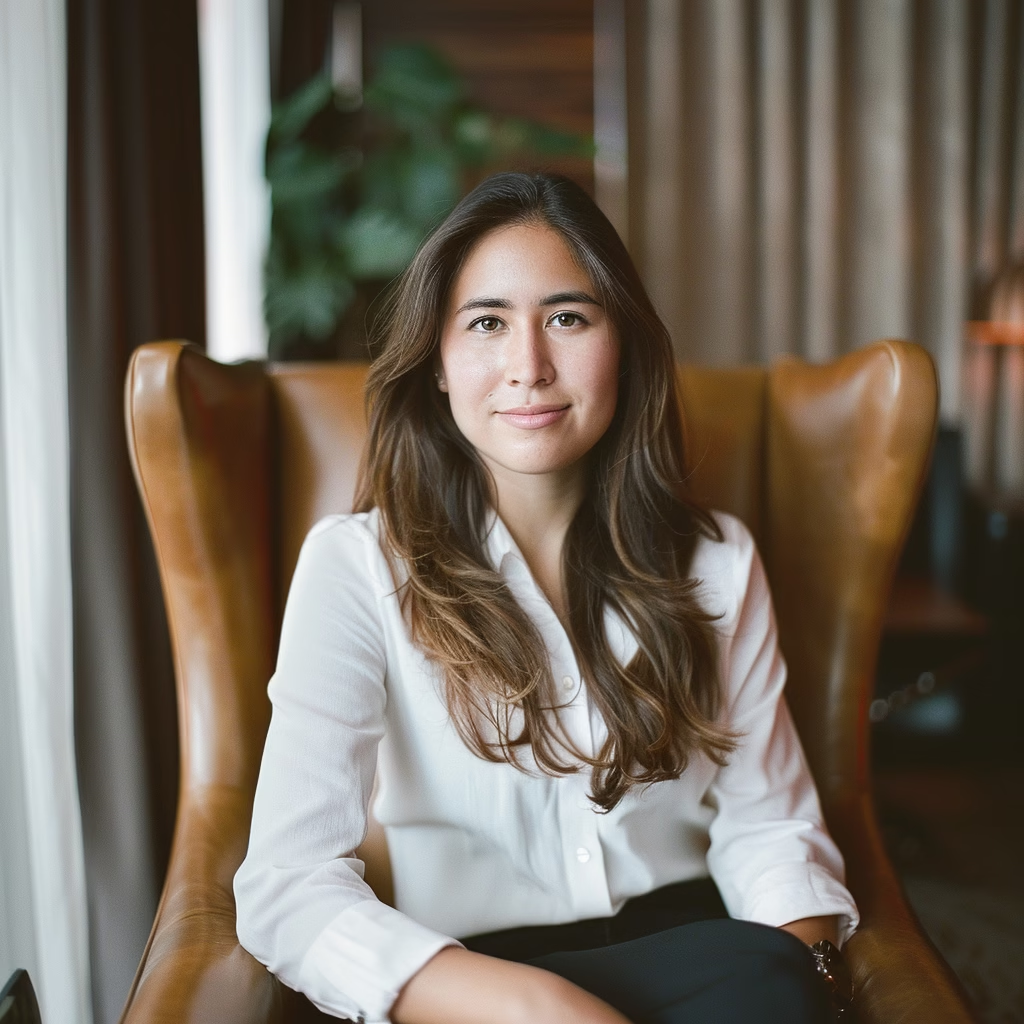
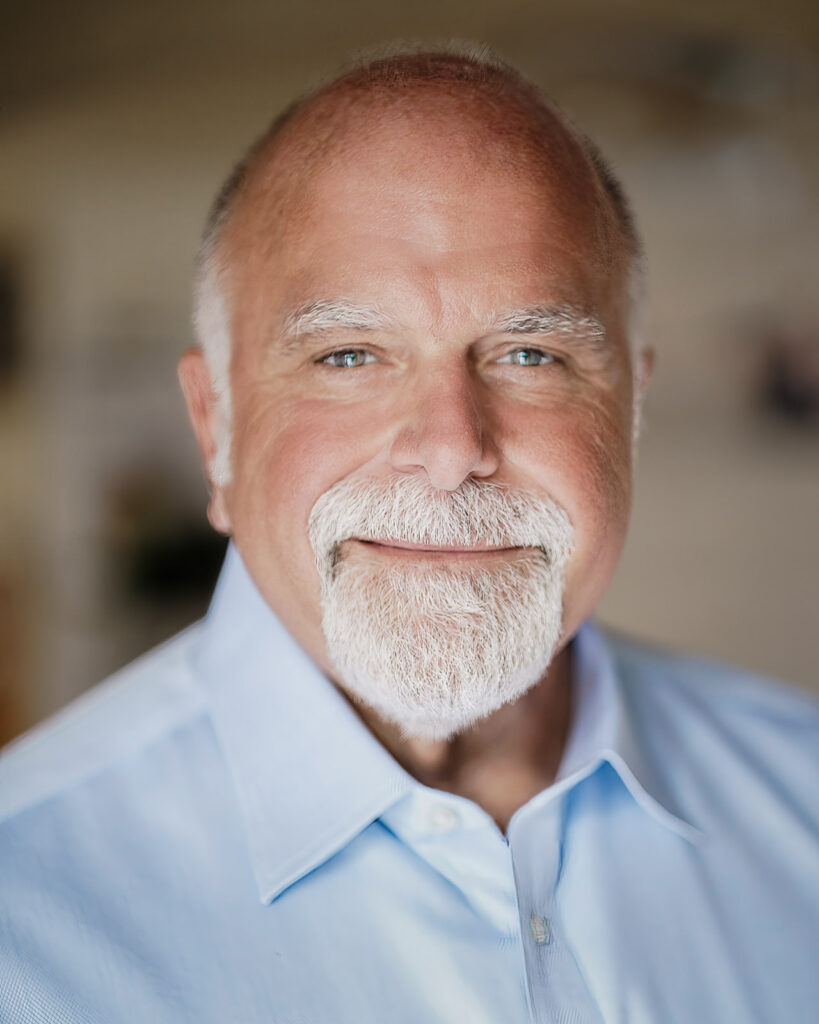
A good headshot doesn’t call attention to itself. People see the face, trust it, and move on. A weak one does the same thing in reverse. They see it, trust you a little less, and move on faster. Neither reaction is conscious. That’s the part most people miss when they start hunting for cheap professional headshots: the real cost isn’t what you pay. It’s what doesn’t happen afterward.
I’ve been photographing executives, founders, and professionals across Northern New Jersey for more than 30 years, and I’ve watched this same story play out more times than I can count. Someone saves a hundred dollars on a quick session, then can’t figure out why their LinkedIn feels off, why they keep putting off updating it, why the photo never quite looks like them. The savings were real. The cost just showed up later, somewhere they weren’t looking for it.
This isn’t a pitch that expensive automatically means better. I’ve seen plenty of overpriced work that wasn’t worth it. It’s about understanding what you’re actually paying for, and what you give up when the lowest number is the only one you’re looking at. If you want to see how I think about that standard, my headshot photography services page lays it out, and the broader case for why these images matter at all is here: serious professionals treat headshots as a tool, not a luxury.
Are Cheap Headshots Worth It?
Sometimes, yes. If you need a placeholder for an internal directory and nobody’s making real decisions based on it, a budget session is fine. The trouble is that most people use one photo everywhere. LinkedIn, the company site, conference bios, proposals. So a placeholder quietly becomes their permanent first impression. At that point cheap stops being a smart cut. Whether the savings are worth it comes down to what the image actually has to do for you.
The honest test is simple. Ask what one client, one hire, or one closed deal is worth. If that number means something to you, the math on a real session changes fast.
What You’re Actually Paying For
Most of the confusion about price comes from thinking a headshot is one press of the shutter. It isn’t. The photo is the last step in a long line of decisions, and the price reflects all of it.
A real session pays for lighting that’s built on purpose instead of borrowed from whatever window is nearby. It pays for someone watching you the whole time, noticing your shoulders creep up, your jaw tighten, your smile flatten out by the third frame, and fixing it before you ever see it. It pays for knowing which version of you to catch, and knowing when to stop editing before you stop looking like yourself. Almost none of that shows up in the final image, which is exactly why it’s so easy to undervalue until you’ve sat through both kinds of session.
A cheap session keeps the shutter and cuts everything around it. You still walk out with a photo. You just don’t walk out with the difference.
Why Are Professional Headshots Expensive?
Professional headshots cost more because you’re paying for judgment, not minutes. A skilled photographer brings controlled lighting, real-time direction, careful editing, and years of reading faces, all of it compressed into a short session that looks easy because the hard part happened before you arrived. The price is the experience and the consistency, not the time on the clock.
That word, consistency, matters more than it sounds. Anyone can get one good frame by luck. The skill is getting the right frame on purpose, every time, for someone who walked in certain they’re not photogenic. I hear that line almost every week, usually in the first two minutes, usually from someone who’s already deciding which photos they’re going to veto. Getting a genuine, confident image out of that person reliably is most of what separates a professional from a fast operation, and it’s the hardest thing to do cheaply.
The Part Nobody Talks About: Emotional Coaching
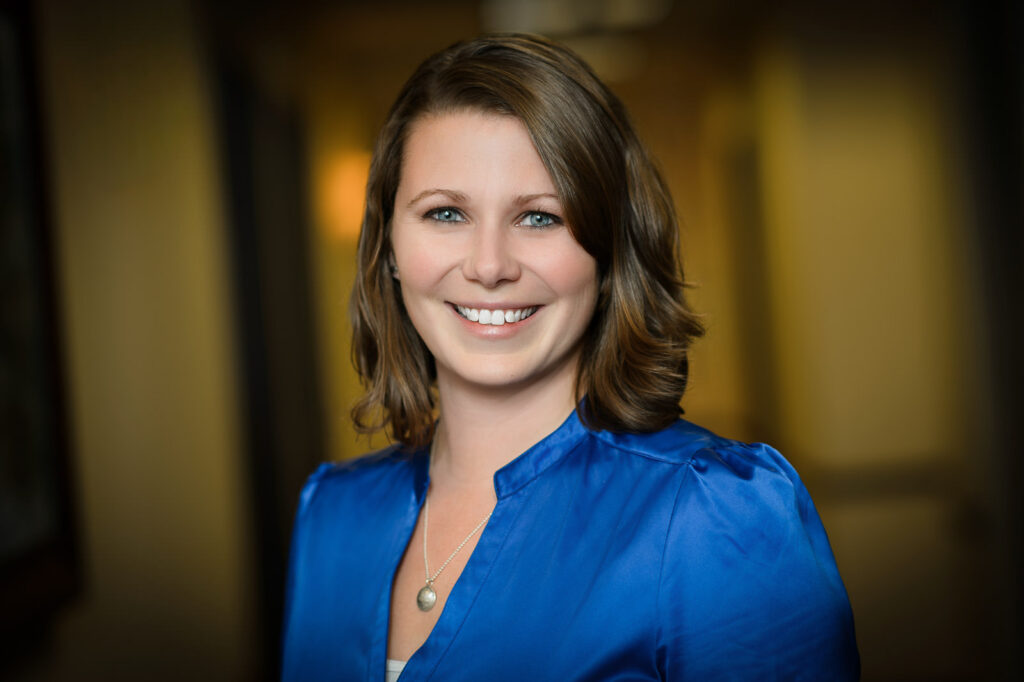
Here’s what surprises people most. The biggest difference between a cheap session and a strong one often has nothing to do with the camera. It’s what happens in the room.
Most of my clients don’t enjoy being photographed. Some genuinely dread it. They walk in a little stiff, already apologizing for how they’re going to look, bracing like they’re about to get a shot at the doctor’s office. I’ve photographed surgeons who are completely calm in an operating room and go rigid the second the camera comes up. A rushed session photographs exactly that: the tension, the held breath, the apology still on their face. A good session deals with it first. I’ll get someone talking about their work, their kids, the traffic on the way in, anything, and somewhere in there they forget the camera for a second and their real face comes back. That’s the frame. That’s the one I’m waiting for.
You can’t rush that, and you can’t fake it in editing. It’s the difference between a photo of someone performing “professional” and a photo of an actual, capable person other people instinctively trust. If you want a closer look at how that experience compares to a quick studio visit, I get into it here: premium headshot photographer vs. generic studio.
Can Cheap Headshots Hurt Your Credibility?
Yes, and almost always in ways you’ll never see directly. A flat, badly lit, or clearly dated headshot signals carelessness before you’ve said a word. Research from Princeton psychologists Janine Willis and Alexander Todorov found that people form a judgment about trustworthiness from a face in about a tenth of a second, before they’ve read a single word next to it. Nobody looks at your photo and thinks “bad photo.” They just trust you a little less, scroll a little faster, hesitate a little longer, and you never find out it happened.
That’s what makes this so easy to ignore. No one emails to tell you your headshot cost them confidence. The damage is quiet and it adds up. For anyone in a field built on credibility, like law, medicine, finance, executive leadership, or consulting, that slow drip costs far more than the session ever would have.
What Makes Premium Headshots Different?
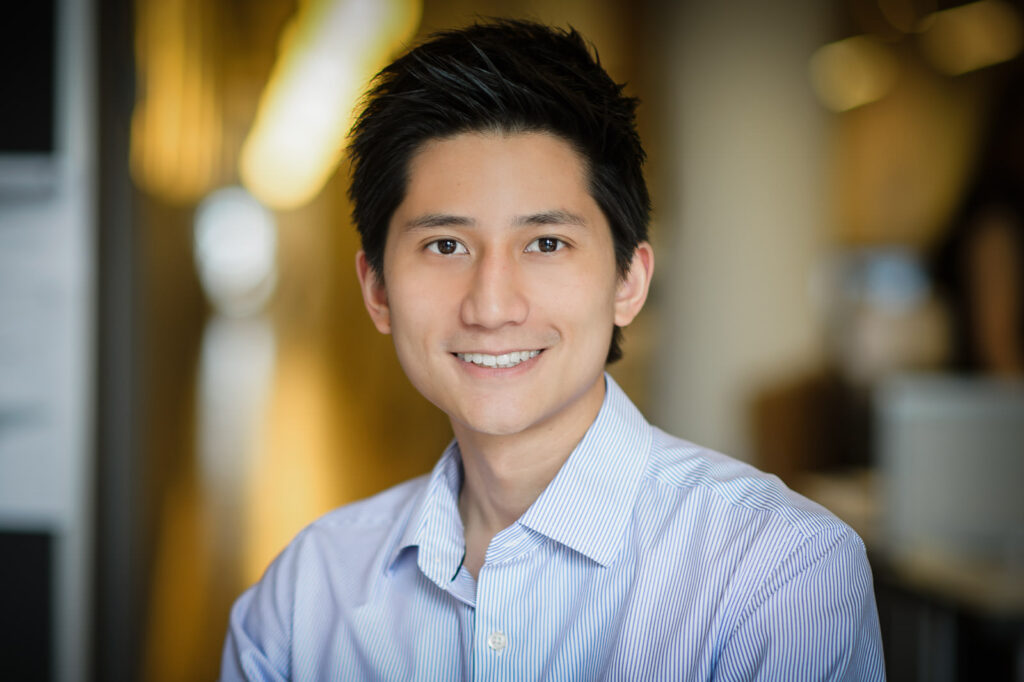
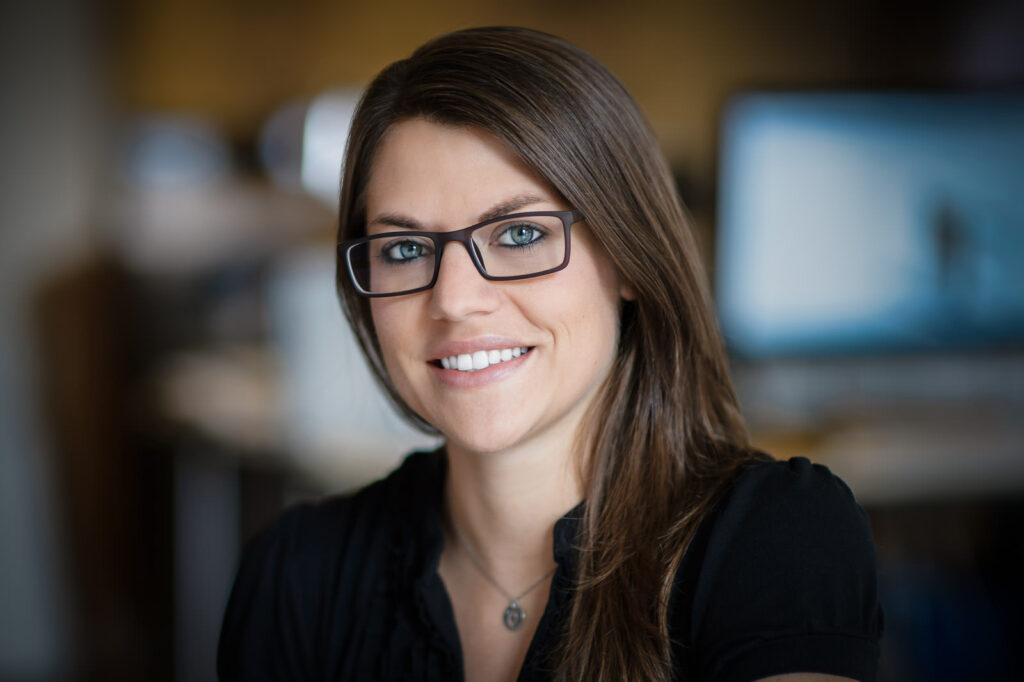
Premium headshots differ in lighting precision, emotional direction, editing restraint, and consistency. The result looks natural and current, actually represents you, and holds up everywhere, on LinkedIn, your website, and your proposals, reinforcing your credibility instead of quietly working against it. The difference isn’t flash. It’s that nothing in the image is fighting you.
There’s also the question of how the photo fits everything else. A strong headshot is one piece of a bigger picture: your branding, your messaging, how you show up across platforms. When the image matches the caliber of your actual work, the whole thing reads as intentional. When it doesn’t, the gap shows, even if nobody can put their finger on why. That’s the real argument for executive branding photography and consistent professional branding photos. Not vanity, alignment. It’s the same throughline in everything I shoot.
So How Should You Actually Decide?
Drop the cheap-versus-premium framing for a second. The real question is about stakes. If your image is doing meaningful work, earning trust, opening doors, standing in for you in rooms you’re not in, it’s worth doing well once. If it honestly isn’t, a budget option is a fair call, and I’d tell you so to your face.
Most professionals land somewhere in the middle, and the mistake they make is defaulting to cheap out of habit instead of choosing it on purpose. Decide based on what the photo has to accomplish, not on which number is smallest today. That one shift, choosing instead of defaulting, is usually what separates the people whose headshots help them from the people whose headshots quietly cost them.
Let’s Make Sure Your Headshot Is Actually Working For You
If you’re a professional in Northern New Jersey, NYC, or a town like Newark or Hoboken, and your headshot is doing real work for your career or your business, it’s worth getting right the first time. Calm direction, no gimmicks, natural results, a photo that makes you look as capable as you already are. That’s the work I care about most. So if yours isn’t pulling its weight, send me a note and tell me what it’s for. Let’s talk, and I’ll help you get it right.
Reply...


