


Your Headshot day should feel relaxed, joyful, and completely yours.
I’m Alex Kaplan, a Headshot Photographer and videographer based in New Milford, NJ, serving Northern.
Browse by Category:
headshots
view more

REQUEST INFORMATION
Want to feel like THIS on your Headshot day?
Availability is limited. Check Your Date Here
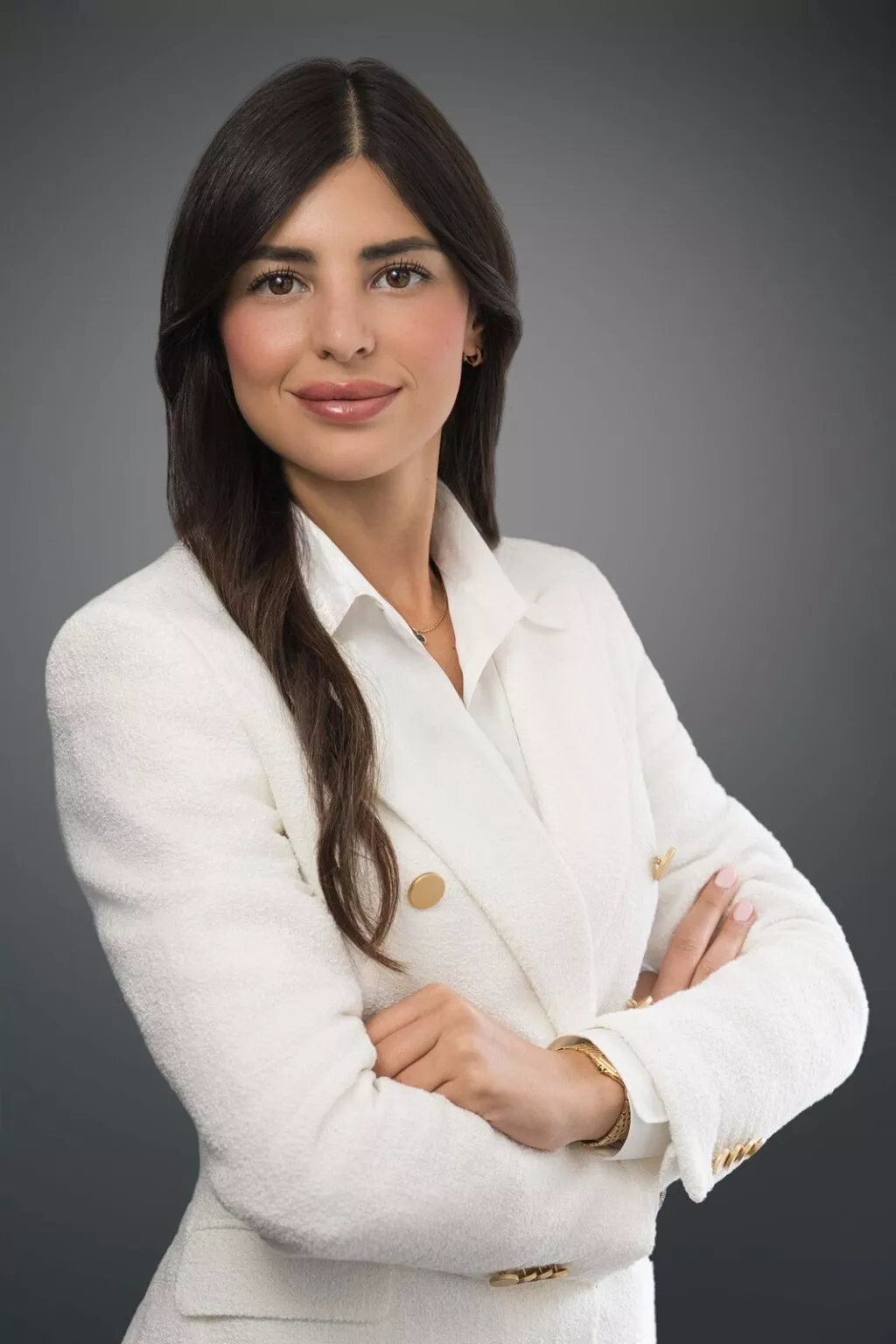

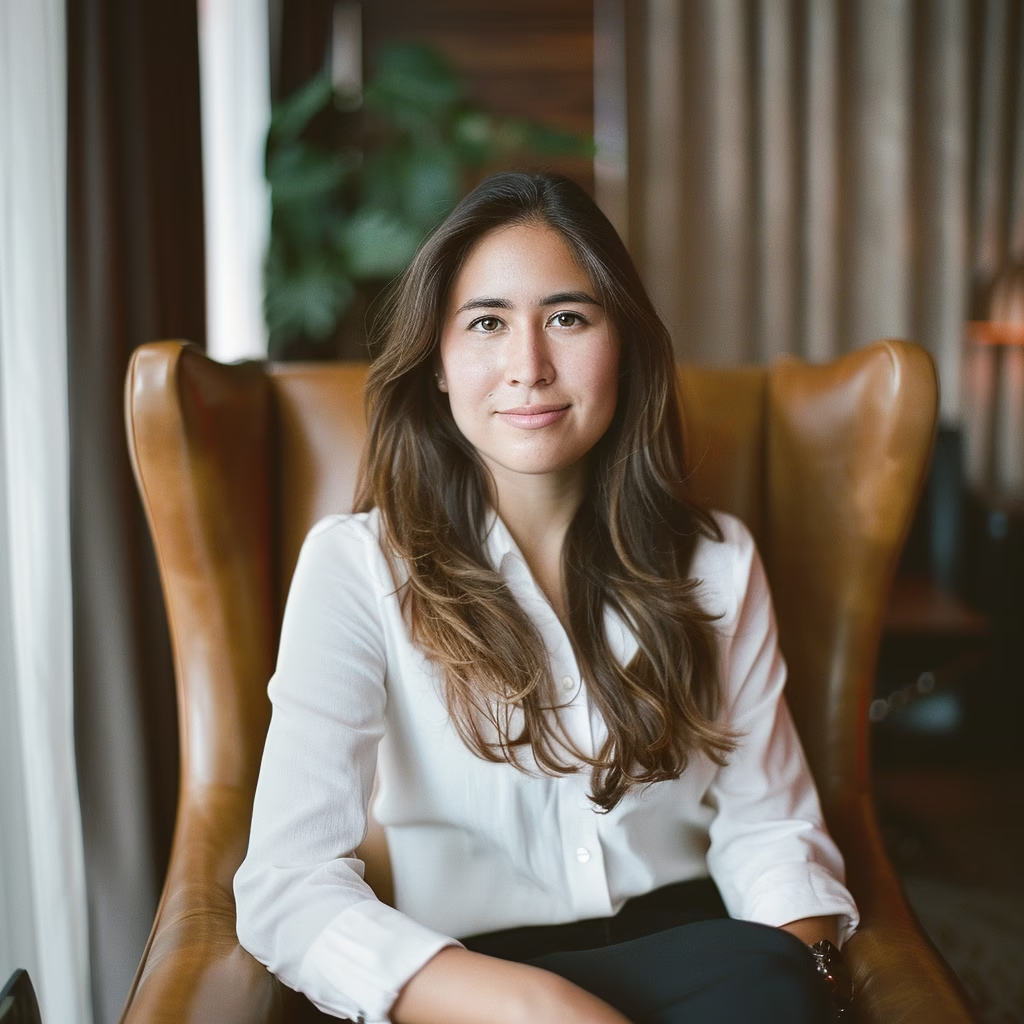

There’s a shift happening in executive branding right now, and most professionals can feel it before they can name it. You can usually tell within two seconds which photo was taken because someone needed a headshot, and which one actually feels like the person. The gray backdrop, the crossed arms, the slight forced smile, that version is starting to look ten years behind on a LinkedIn profile next to peers who’ve already updated. Modern corporate headshots have moved past the stiff studio aesthetic, and the executives I photograph across NYC and Northern New Jersey are leading that change, not following it.
After photographing professionals for more than three decades, I’ve watched this happen in real time. The old headshot used to do its job quietly. Now clients pull up their current photo on their phone halfway through a discovery call and say something like, “yeah, that’s not me anymore.”
That sentence is the whole story.
What Are Modern Corporate Headshots?
Modern corporate headshots are professional portraits that prioritize authenticity, natural environment, and personality over stiff studio formality. Instead of a single posed shot against a gray seamless, they often blend clean studio work with environmental corporate portraits taken in offices, lobbies, urban settings, or branded spaces. The result communicates who a person actually is, not just what they do.
The goal isn’t to look perfect. It’s to look like a real human someone would want to do business with.
This is the foundation of how I approach executive branding photography today, and it’s the reason more leaders are moving away from backdrop headshots toward environmental portraits when they update their visual presence.
Are Corporate Headshots Outdated?
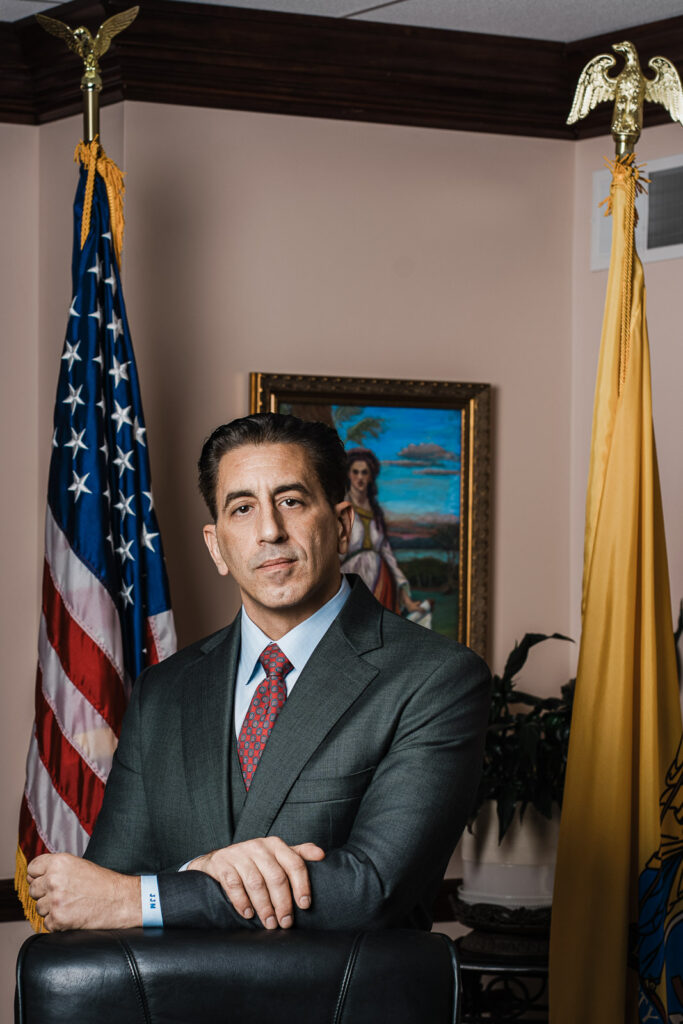
The generic ones, yes. The headshot itself isn’t outdated. What’s outdated is the formula. A flat backdrop, identical lighting across an entire leadership team, and that polite half-smile everyone seems to wear at the same angle. I’ll watch a law firm partner scroll through their own firm’s website and notice, sometimes for the first time, that every attorney looks visually disconnected from the next one. Same gray background, different decade. Nothing tying the team together except the fact that they all sat in the same chair on different days.
That style still has a place for compliance photos, ID badges, and certain regulated industries. But for executive branding photography, it no longer does the heavy lifting it used to.
Today’s decision-makers are vetting other decision-makers on LinkedIn before the first meeting is even booked. A portrait that feels manufactured reads one way. A portrait that feels honest reads another. People can usually feel the difference even if they can’t explain it.
If you want to see how this looks in practice for leaders across the region, the work on the environmental headshots in New Jersey page walks through real sessions with founders, attorneys, and executives who chose this direction.
Why Do Modern Executives Prefer Environmental Portraits?
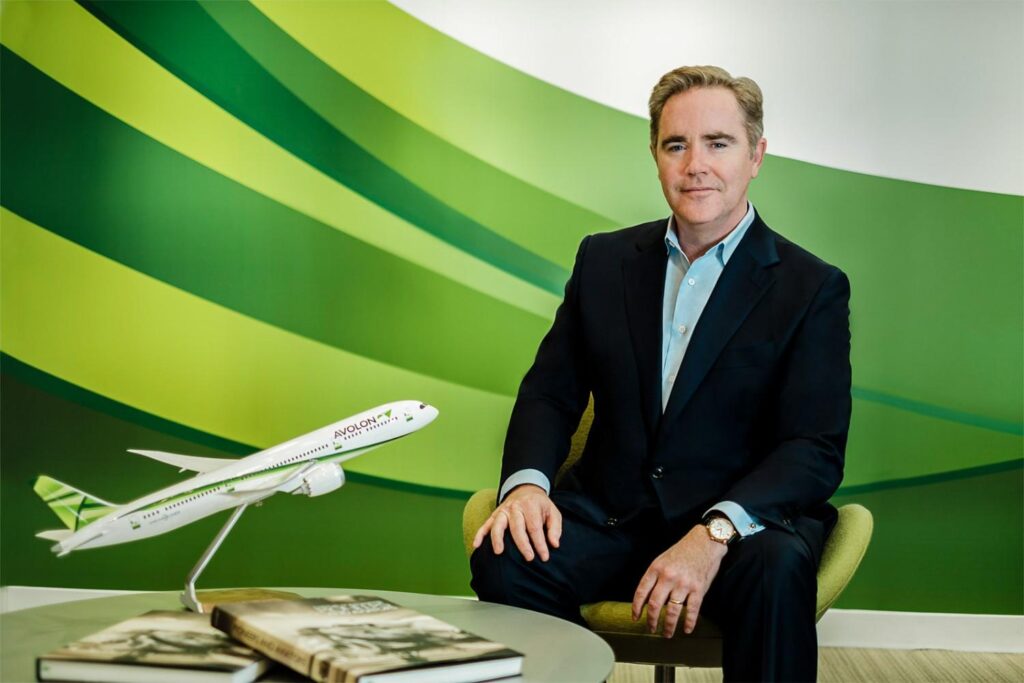
Environmental portraits put the subject inside a meaningful space. Their office, a conference room, a city street, a workshop, a lobby with good architecture. That context does something a backdrop never can. It tells a small story before anyone reads a single word of the bio.
A few reasons this style is winning right now:
- Context builds credibility. A criminal defense attorney photographed near a courthouse reads differently than one photographed against gray paper. The environment quietly confirms the role.
- Light feels real. Window light, ambient light, and on-location lighting create depth that flat studio setups often flatten out.
- Posture loosens. People stand differently in their own space. The shoulders drop. The jaw softens. Sometimes the tie loosens halfway through the session and the executive doesn’t even notice.
I’ve had clients walk into sessions genuinely dreading the experience. The kind of executives who flat-out tell me they hate having their photo taken. Then we move out of “headshot mode,” start talking about anything other than the camera, and I’ll show them the back of the screen ten minutes in. Almost every time, some version of the same thing comes out of their mouth: “that actually looks like me.” If you want to compare the two approaches side by side, this piece on studio headshots vs. environmental portraits walks through the differences.
What Makes a Corporate Headshot Look Authentic?
Authentic doesn’t mean unpolished. It means the image feels like the person, not a version of them assembled for the camera. A few things separate authentic business headshots from generic ones:
Real expression, not performed expression. The eyes have to be engaged. A practiced smile read as friendly fifteen years ago. Today it reads as guarded.
Wardrobe that matches the actual role. A founder in tech shouldn’t be styled like a 1990s banking executive unless that’s genuinely who they are. The clothing should support the person, not costume them.
Lighting that respects the face. Hard, over-corporate lighting flattens features and ages people in unflattering ways. Soft, directional light, whether in studio or on location, keeps the portrait current.
A frame that includes a little breathing room. Tight, chin-up crops felt powerful a decade ago. Today, a slightly wider frame with environmental context reads as more confident, not less.
Most of this comes down to direction. The photographer’s job is to read the room, slow the pace, and pull the real person forward. That’s the part most studios skip, which is why so many corporate headshots end up looking like variations of the same image.
The Strategic Case for Updating Your Headshot
For executives in Newark, Jersey City, and across the NYC metro, a headshot is rarely just a headshot anymore. It’s used on speaking decks, press features, podcast appearances, internal leadership pages, board bios, and every networking platform that exists. One image, working in dozens of places.
A lot of executives don’t realize how corporate their old headshot feels until they see themselves in a real environment with natural light and relaxed posture. Suddenly the old photo looks like it belongs to a different phase of their career. That moment of recognition is usually when the conversation about updating becomes serious.
Personal Branding Photography Has Quietly Become Essential
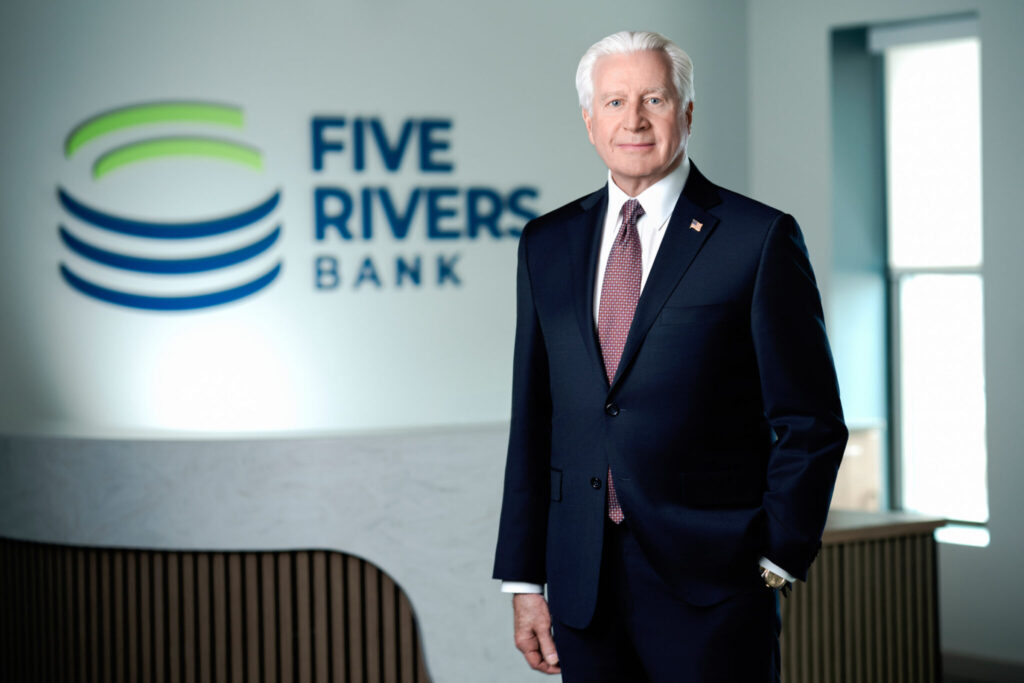
What used to be reserved for CEOs and public figures is now standard for senior leaders, partners, founders, and anyone whose name carries weight in their market. Personal branding photography is a mix of polished headshots, environmental portraits, and lifestyle business imagery. It gives executives a full library to work with instead of one image stretched across every platform.
This is especially true for professionals in industries where reputation drives revenue: legal, medical, finance, real estate, consulting. The leaders I work with in these fields aren’t asking for a single headshot anymore. They’re asking for a system.
A Note on What This Doesn’t Mean
Moving away from generic doesn’t mean moving toward casual. The best modern executive portraits are still sharp, still polished, still appropriate for a boardroom. The difference is they breathe. They feel like the person could step out of the frame and shake your hand.
That’s the bar now. Once a few people in your industry cross it, the gap between updated and outdated becomes obvious very quickly.
Ready For Headshots That Actually Represent You?
If you’re an executive, founder, partner, or senior leader in NYC or Northern New Jersey and your current headshot no longer matches who you’ve become, it might be time for a real update. I’d be glad to talk through what would work best for your role, your industry, and how you want to be seen. You can reach out through the contact page and we’ll go from there.
Reply...


