


Your Headshot day should feel relaxed, joyful, and completely yours.
I’m Alex Kaplan, a Headshot Photographer and videographer based in New Milford, NJ, serving Northern.
Browse by Category:
headshots
view more

REQUEST INFORMATION
Want to feel like THIS on your Headshot day?
Availability is limited. Check Your Date Here
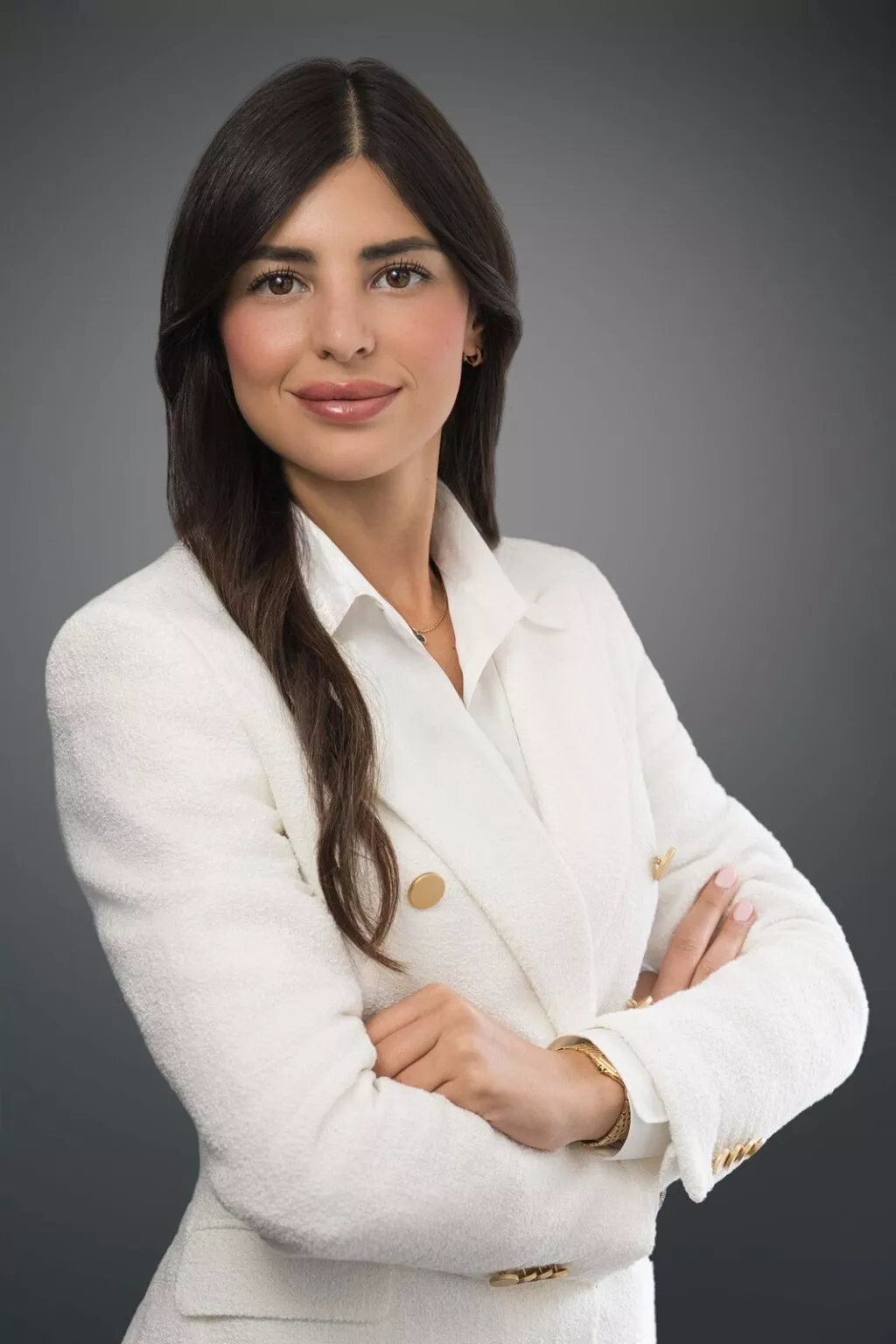

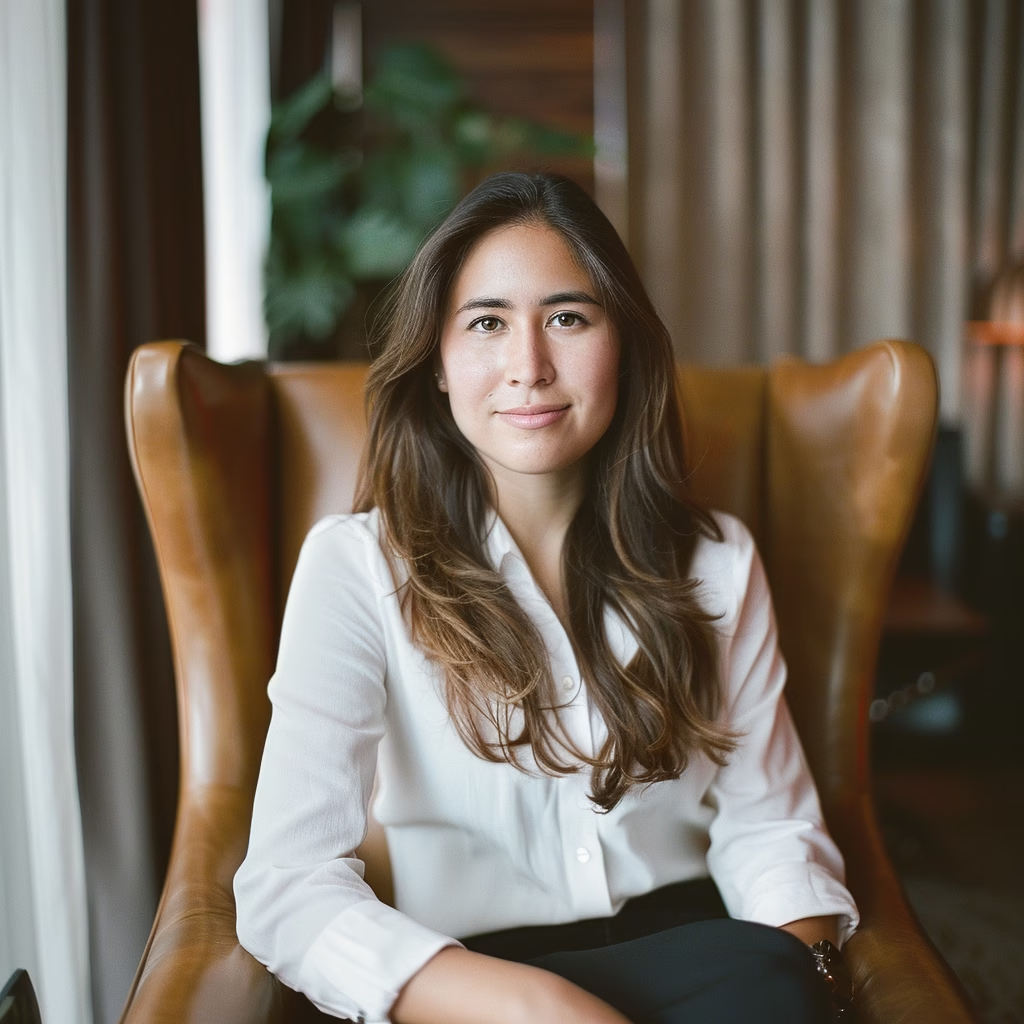
Your LinkedIn headshot is often the first interaction someone has with you before a conversation ever happens.
Before anyone reads your experience, checks your recommendations, or visits your website, they look at your face and decide.
That moment happens fast.
For recruiters, hiring managers, clients, and potential business connections, a LinkedIn headshot quietly shapes first impressions within seconds. Confidence, credibility, professionalism, approachability, and trust are often judged long before anyone clicks your profile.
That is why strong LinkedIn headshots are not just about looking polished. They are about reducing hesitation.
After more than 30 years photographing professionals across Northern New Jersey and NYC, I have noticed something interesting. The strongest professional LinkedIn photos usually do not look overly produced. They simply feel believable.
And that feeling matters more than most people realize.
Why LinkedIn Photos Affect Trust So Quickly
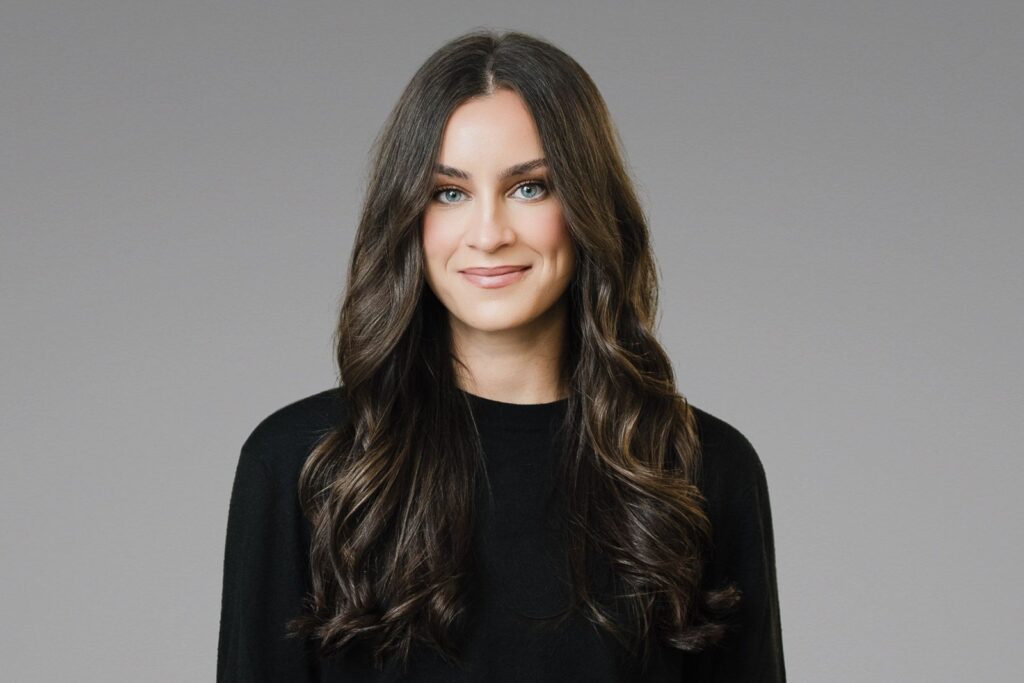
Studies on first impressions consistently show that people form opinions within milliseconds of seeing a face. Visual cues like eye contact, posture, expression, lighting, and authenticity all influence perceived competence and trustworthiness. According to Princeton research on first impressions, people often form lasting judgments almost instantly.
That psychological response carries directly into LinkedIn.
A trustworthy LinkedIn profile photo helps people feel:
- comfortable reaching out
- confident replying
- reassured about professionalism
- more likely to continue the conversation
A weak photo creates friction instead.
Most people never consciously identify why they hesitate. They simply move on.
Many professionals in Newark, Jersey City, and across Northern New Jersey update their LinkedIn headshots before career transitions because they understand how quickly visual trust affects opportunity.
1. Looking Overly Staged or Corporate
One of the biggest mistakes in executive LinkedIn headshots is trying too hard to look “professional.”
Overly stiff posing, forced smiles, crossed arms, or exaggerated confidence often create emotional distance instead of authority.
People trust authenticity more than performance.
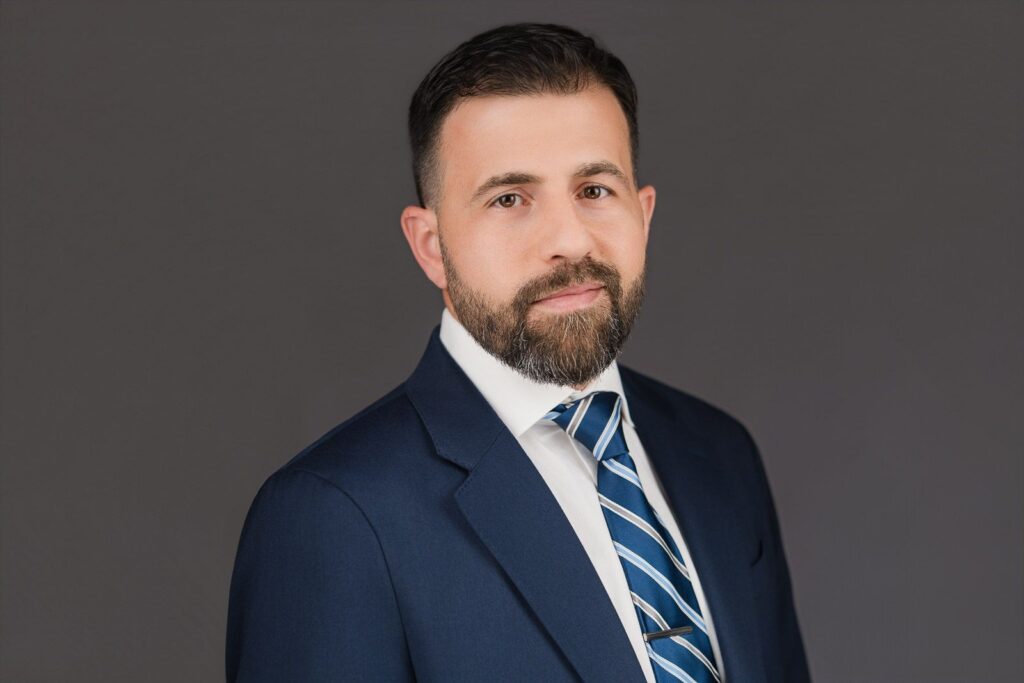
The strongest LinkedIn branding photography usually feels relaxed, direct, and natural. The person looks present instead of posed.
Ironically, the professionals who photograph best are often the ones who stop trying to “look professional” and instead focus on looking comfortable and real.
A lot of people walk into a session assuming they need to become a different version of themselves for LinkedIn. Usually the opposite is true. The strongest images happen when people finally stop performing.
2. Poor Eye Contact
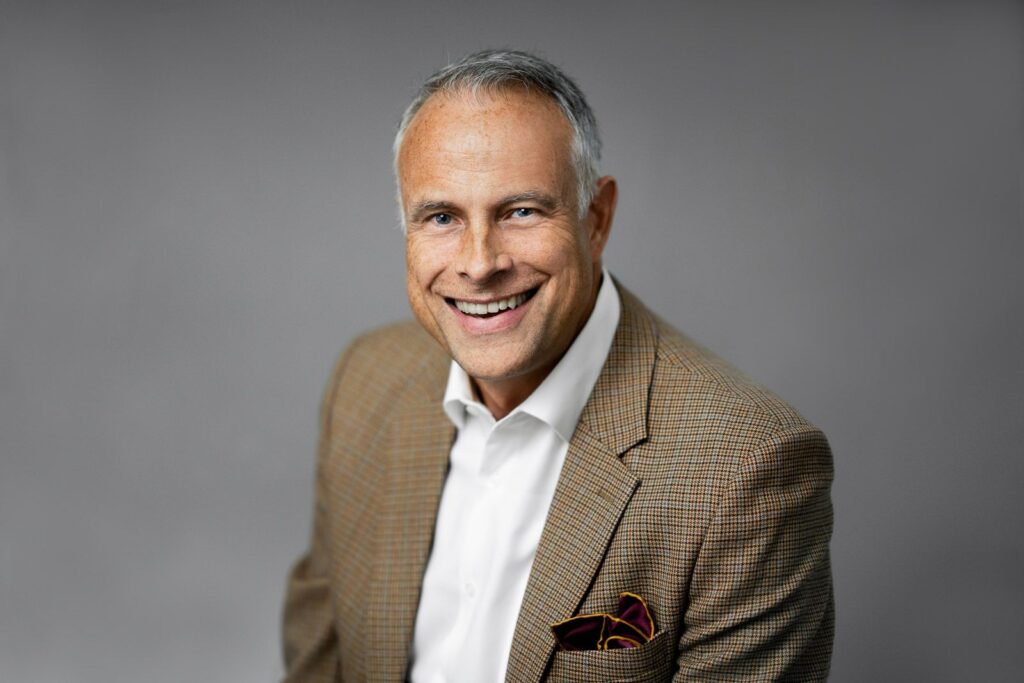
Eye contact is one of the strongest trust signals in photography.
When someone avoids the lens slightly, looks distracted, or appears emotionally disconnected, the image can unintentionally feel guarded or uncertain.
Strong professional LinkedIn photos create a subtle sense of connection. The eyes feel engaged without looking intense.
This is something recruiters notice immediately, even if they cannot explain it directly.
A good headshot does not need a huge smile. But it does need emotional presence.
3. Using an Outdated Photo
This happens constantly on LinkedIn.
Someone walks into a session and admits their current profile photo is eight or ten years old. Sometimes more.
The issue is not aging. Nobody expects you to look identical forever.
The problem is inconsistency.
If someone meets you after seeing an outdated photo, even small differences can create subconscious distrust. It feels unintentionally misleading, even when that was never the intention.
That is one reason many professionals in Bergen County, Jersey City, and NYC update their LinkedIn headshots before promotions, speaking engagements, networking events, or major job searches.
A current photo communicates transparency and confidence. If you are curious what that difference actually looks like, these before and after LinkedIn headshots show how much trust shifts with a simple update.
4. Wearing Clothing That Feels Inauthentic
Wardrobe plays a bigger psychological role than most people realize.
People can often sense when someone feels uncomfortable in what they are wearing. The tension shows up in posture, expression, and body language.
The goal is not dressing formally for the sake of formality.
The goal is alignment.
A financial advisor, attorney, startup founder, physician, and creative director may all need completely different wardrobe approaches for trustworthy LinkedIn profile photos.
The clothing should support your professional identity without overpowering it.
This is one reason sessions work best when they are collaborative instead of formulaic. Different industries communicate trust differently.
5. Overediting the Image
This has become more common recently with filters, AI enhancement tools, and aggressive retouching.
The problem with overly edited LinkedIn photos is not just appearance. It is emotional believability.
When skin texture disappears completely or facial features stop looking natural, people subconsciously recognize something feels off.
Professional retouching should still look human.
The best executive LinkedIn headshots maintain realism while refining distractions subtly.
Especially on a platform built around professional relationships, authenticity almost always outperforms perfection. In over 30 years of photographing professionals across Northern New Jersey and NYC, I have never had a client tell me their best headshot was the most edited one.
6. Cropping Too Far Away
Tiny faces lose connection.
If someone has to zoom in mentally just to identify you, the image loses impact immediately.
A good LinkedIn headshot allows people to clearly read expression and eye contact even at small thumbnail size.
This matters because most LinkedIn interactions happen quickly:
- search results
- comments
- connection requests
- recruiter searches
- mobile browsing
Your image needs to communicate trust instantly at very small scale.
That is why tighter crops usually perform better for LinkedIn branding photography than distant environmental portraits.
7. Trying to Look Impressive Instead of Approachable
This may be the biggest mistake of all.
Many professionals assume credibility comes from looking serious, dominant, or intimidating.
In reality, trust usually comes from balance.
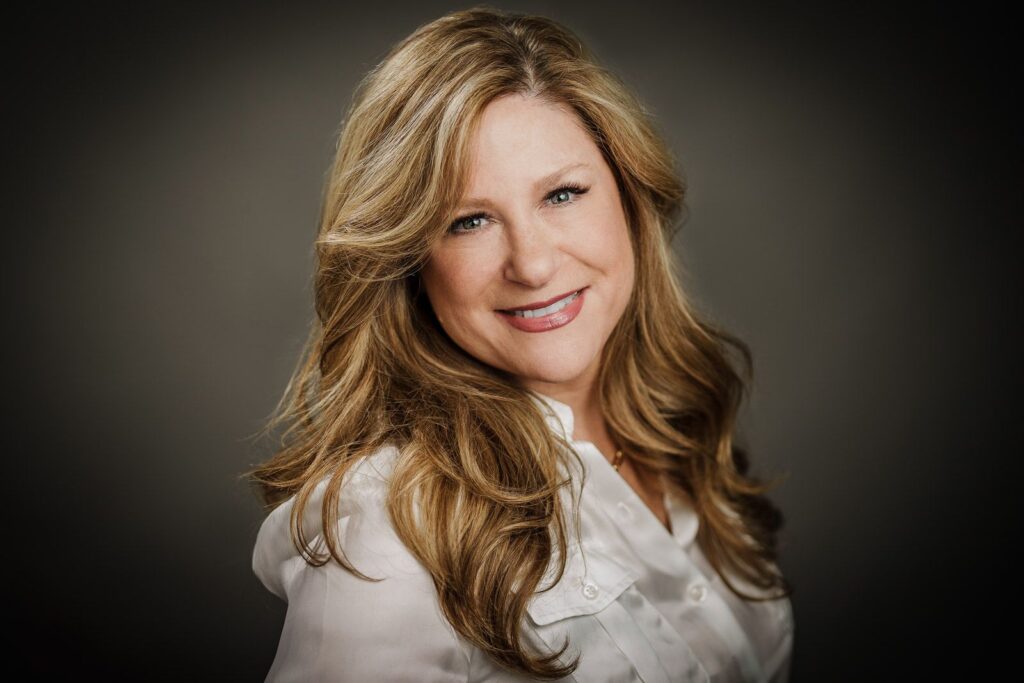
The strongest LinkedIn headshots often communicate:
- confidence
- warmth
- calmness
- competence
- approachability
At the same time.
That balance is incredibly important for leadership roles, client-facing positions, consulting, recruiting, healthcare, law, and executive branding.
People want to feel capable around you, not uncomfortable around you.
One thing I have noticed after photographing professionals for decades is that the people who appear the most confident on camera are usually not the loudest personalities. They are the people who feel comfortable being fully present for a moment. For a deeper look at how that balance plays out in practice, this guide on corporate headshot strategies professionals use on LinkedIn breaks down several of the subtle positioning choices that make a real difference.
What Do Recruiters Notice First in LinkedIn Profile Photos?
Recruiters notice eye contact, expression, image quality, and how current the photo looks within the first few seconds. They form quick judgments about professionalism, confidence, and approachability before reading a single line of your profile. A clear, recent, well-composed headshot reduces hesitation and keeps recruiters engaged with the rest of your profile.
How Important Is a LinkedIn Headshot?
A LinkedIn headshot is one of the most important elements of your entire profile. It shapes first impressions within seconds and influences whether recruiters, clients, and connections feel confident enough to reach out. For professionals in competitive industries, a strong headshot can directly affect networking opportunities, career growth, and business credibility.
What Makes a Good LinkedIn Headshot?
A good LinkedIn headshot creates immediate confidence and emotional clarity. The expression feels natural, the lighting feels clean, the eye contact feels engaged, and the overall image reflects how the person actually presents themselves professionally.
The strongest headshots reduce hesitation instead of creating it.
That is the real goal.
Do Professional LinkedIn Photos Matter?
Yes. Professional LinkedIn photos absolutely matter because they influence first impressions before conversations begin.
For recruiters, employers, and clients, a strong headshot signals professionalism, confidence, credibility, and attention to detail within seconds.
People may not consciously analyze the image, but they respond to it emotionally almost immediately.
Why Small LinkedIn Headshot Details Matter
Most people do not lose trust on LinkedIn because of one huge mistake.
It usually happens through small visual signals that quietly create hesitation.
A disconnected expression. An outdated image. Overediting. Forced posing. A photo that simply does not feel believable.
The strongest LinkedIn headshots are rarely the flashiest ones.
They are the ones that feel real.
If you are a professional in Northern New Jersey or NYC ready to update your LinkedIn presence with headshots that feel natural, confident, and aligned with who you actually are, I’d be happy to talk and help you figure out what would work best.
Contact Alex Kaplan Photography
Alex Kaplan Photography Professional Headshots, Corporate Photography, LinkedIn Branding Photography Northern New Jersey & NYC
201-834-4999 917-992-9097
⭐ 625+ ★ Reviews on Google: https://goo.gl/CRCYKc
Reply...


