


Your Headshot day should feel relaxed, joyful, and completely yours.
I’m Alex Kaplan, a Headshot Photographer and videographer based in New Milford, NJ, serving Northern.
Browse by Category:
headshots
view more

REQUEST INFORMATION
Want to feel like THIS on your Headshot day?
Availability is limited. Check Your Date Here


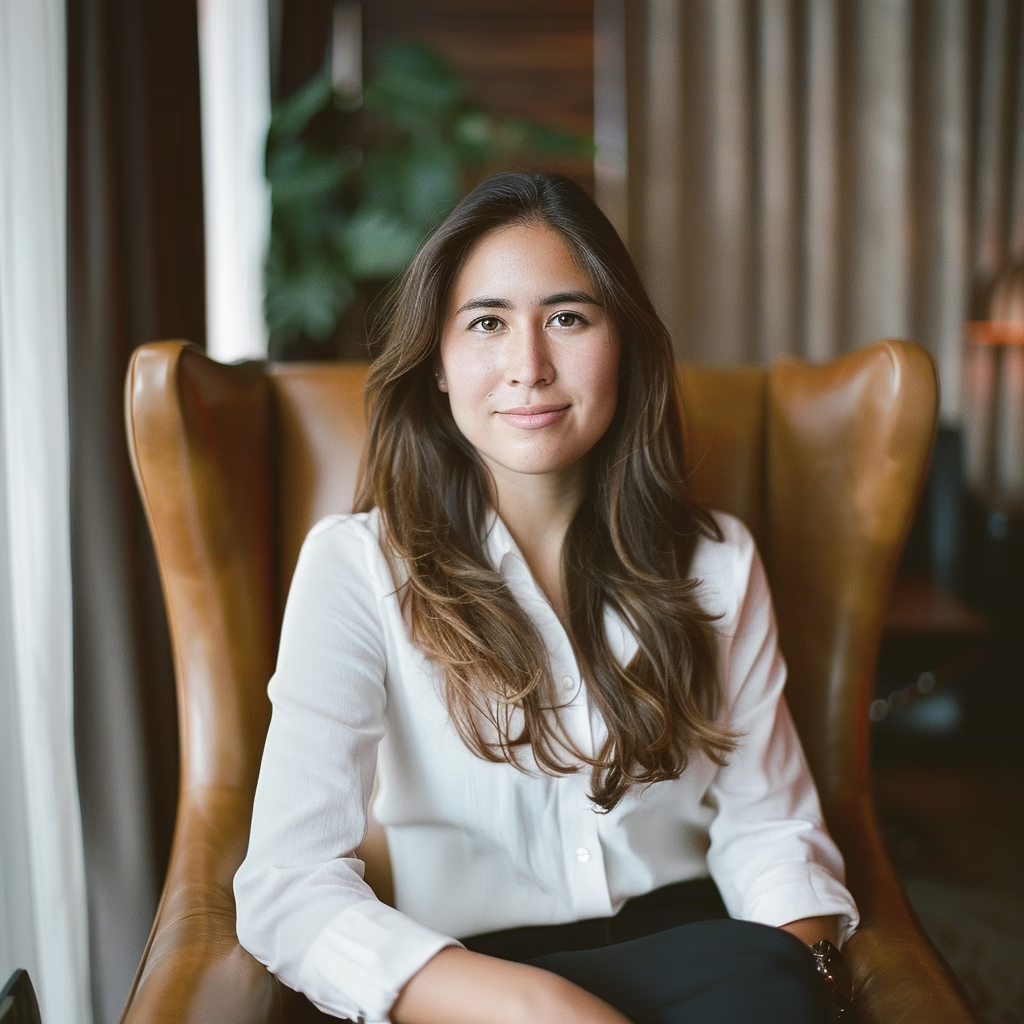
If you have ever walked away from a headshot session thinking the images looked fine but nothing like you, learning how to look natural in headshots starts with one honest truth: the problem was almost never you.
Most professionals look stiff in portraits not because they are unphotogenic, but because nobody in the room gave them the specific guidance they needed. The expression locks up. The shoulders rise. The smile forms in the mouth and stops there.
After 30 years and more than 625 five-star Google reviews photographing professionals across Northern New Jersey, Bergen County, and New York City, I see this pattern all the time. The people who leave with the most natural professional headshots are not always the ones who walked in the most confident. They are the ones who felt the most guided.
If you want to see what guided sessions can produce, the professional headshots in Northern New Jersey portfolio shows the full range of what is possible when the process is built around the person.
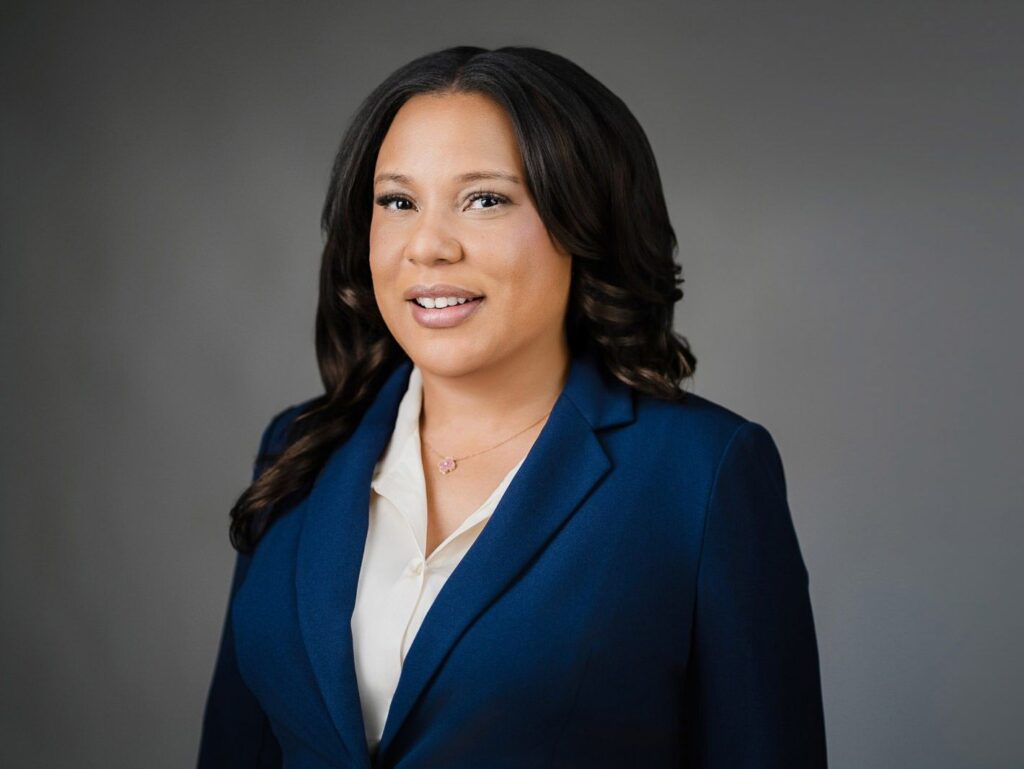
Why Do People Look Stiff in Photos?
Most people look stiff in photos because they are trying to manage too many things at once: where to hold their hands, how wide to smile, whether their chin is at the right angle, and whether they look professional enough. That mental pressure shows up immediately as jaw tension, raised shoulders, and an expression that looks careful instead of present.
The Body Language of a Stiff Headshot
The signs are recognizable once you know what to look for.
The jaw tightens and pulls the cheeks slightly upward. The shoulders sit higher than normal. The smile looks correct in the mouth but the eyes stay flat or slightly wide. The posture reads as braced rather than composed.
None of this means the person is awkward in front of a camera. It almost always means they were expected to produce a confident, natural professional portrait without being shown how to get there.
Good studio lighting, a clean background, and a professional camera all matter. They support a strong image. But they cannot override a tense expression, and they cannot manufacture one where the guidance was missing.
The Problem With “Just Smile”
“Just smile” is one of the most common directions given during professional headshot sessions. It is also one of the fastest ways to create a stiff, disconnected result.
A smile that begins in the mouth and stops there looks technically correct and emotionally empty at the same time. Polished from ten feet away. Flat up close.
What Authentic Headshots Actually Require
A genuine expression involves the whole face. The jaw is loose. The eyes soften into a slightly narrowed, warm focus. The head has a natural tilt instead of being locked straight at the camera.
The best frames in a headshot session almost never happen during the held smile. They happen in the half-second after it breaks: the quiet breath after a real laugh, the moment a person stops performing and simply settles into themselves.
That is the frame worth pressing the shutter for.
It is also why eye expression matters more than most clients expect. Learning how to smile with your eyes for natural-looking business portraits is one of the most practical skills that carries directly into stronger headshots. The eyes carry more emotional weight in a portrait than almost anything else, including the smile itself. When the eyes are engaged and warm, the entire image reads as genuine, even if the smile is small.
What Makes a Headshot Look Natural?
A natural headshot has four things working together: relaxed posture, soft and engaged eyes, an authentic expression, and precise timing from the photographer. When those elements align, the image looks like the real person on a confident, clear-headed day, not a performance of what they think they should look like.
How to Look Natural in Headshots: Four Elements in Practice
Posture sets the foundation for the entire frame. Tension in the shoulders travels upward through the neck and into the expression almost immediately. A deliberate shoulder roll before each frame, combined with a conscious drop and slight roll back, changes the image in a way that is visible at a glance.
Eye engagement is about warmth, not width. Eyes that are slightly soft and focused read as present and genuine. Eyes that are wide and trying hard to project enthusiasm read as startled. The difference is small in muscle movement and major in the final portrait.
Expression timing means letting the expression build rather than forcing it from frame one. The first 10 to 15 frames in any headshot session are almost always warm-up frames. Nobody looks their natural best that early in a session, and an experienced photographer accounts for that entirely.
Shutter timing is the photographer’s responsibility. The right expression often exists for less than a second. Pressing the shutter after the expression has settled but before it starts to fade is what separates a technically acceptable image from a genuinely strong one.
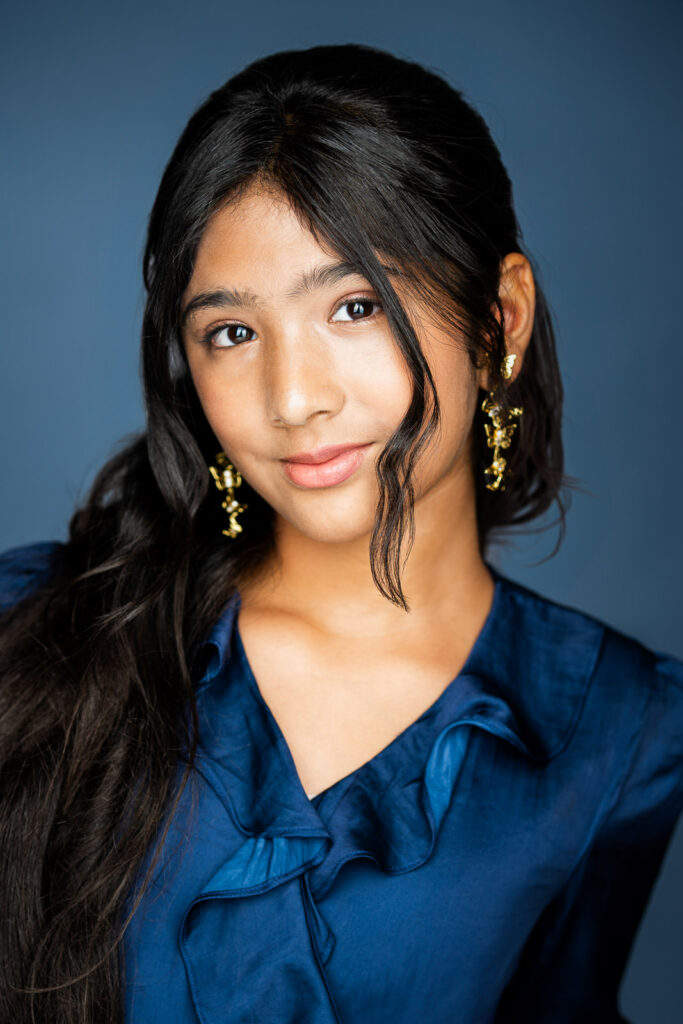
Why Stiff Headshots Usually Start Before the Session
By the time most professionals arrive for their headshot session, their internal state is already set.
They have been running through a full day. They second-guessed their wardrobe before leaving. They may have spent the drive thinking about what a “good headshot pose” is supposed to look like, usually based on the rigid corporate portraits they have seen on law firm websites, financial advisor bios, and company directories for years.
How Photographer Energy Resets the Room
A session that opens with technical setup and no human warmth almost always produces stiff headshots.
The pace of the session matters. The language used between frames matters. The quality of feedback given matters. The overall energy in the room shapes how the person feels, and how they feel shapes directly how they look. That is not abstract. It shows up in posture, jaw tension, eye expression, and whether the final professional portrait feels real or performed.
Your headshot is working before any meeting, phone call, or introduction happens. It is the first version of you that most clients, employers, or collaborators will encounter, and it shapes their expectations before a single word is exchanged. That is exactly why the expression has to feel genuine, not posed.
This is especially significant for professionals in New Milford, Paramus, Ridgewood, Hackensack, and throughout Bergen County who are using their portraits on LinkedIn profiles, company bios, speaker pages, press features, and client-facing directories.
When the photographer slows down, gives calm and specific direction, and creates a room where the person feels guided rather than evaluated, the difference shows up immediately. The shoulders settle. The eyes become more present. The expression starts to feel like the person again.

How Can I Look Natural in Headshots?
To look natural in headshots, focus on four things: relax your jaw before each frame, keep your shoulders down and slightly back, let your expression build gradually from a neutral face, and follow the photographer’s direction instead of trying to hold a perfect expression on your own.
The Specific Adjustments That Create Natural Expressions in Photos
There are a few things within your control before and during the session that make a visible difference.
Relax your jaw deliberately between frames. Jaw tension is one of the fastest routes from a relaxed expression to a stiff one, and it often builds without the person noticing it at all.
Keep your eyes engaged rather than wide. Think about the way you look at someone during a real conversation: focused, warm, and present, not projecting toward a lens.
Let the smile build from neutral. Starting with a relaxed face and allowing the expression to arrive naturally produces a warmer and more believable result than jumping straight into a held grin from the first frame.
One of the most effective technical coaching adjustments involves chin position. Keeping the chin slightly forward and angled down eliminates one of the most common tension patterns that creates stiff professional portraits. The full explanation is in the guide on the chin forward positioning tip for headshots. It is a small adjustment with a visible result, and it gets used in almost every session.
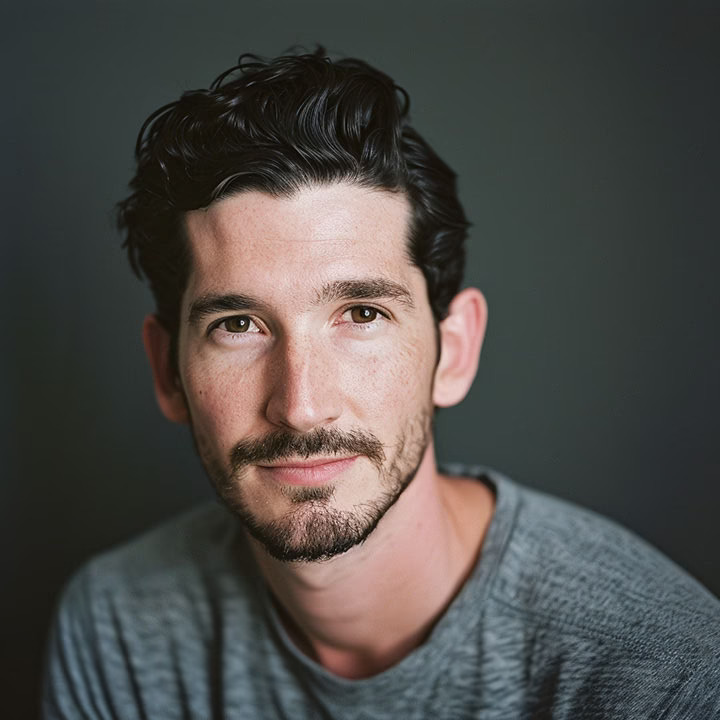
How Do Photographers Capture Authentic Expressions?
Photographers capture authentic expressions by reading the person in front of them, not just operating a camera. A skilled headshot photographer watches for tension patterns, over-smiling, held breath, and eyes that are starting to flatten, then adjusts the pace, direction, and conversation before the shutter fires.
Reading the Room from the First Frame
Every person relaxes differently, and recognizing that quickly is part of the job.
Some clients settle with constant, specific direction: chin slightly forward, drop the left shoulder, hold that. Others relax better with a low-key conversation going in the background so they stop thinking about the camera entirely.
Some professionals need to see one strong frame on the back of the camera before they believe the session is actually working. Some people need to laugh before their face fully opens up.
After 30 years photographing professionals across New Jersey and New York City, and with more than 625 five-star Google reviews built from those sessions, the pattern is consistent: the best images happen when the person stops feeling evaluated and starts feeling genuinely guided.
That shift does not happen by accident. Creating it is the photographer’s responsibility from the first frame.
Natural Does Not Mean Casual or Unprofessional
There is a version of relaxed that reads as unprepared, and that is not what any of this is about.
A natural professional headshot can still be fully polished, clean, executive in tone, and authoritative in presence. The difference from a stiff headshot is that it does not look manufactured or performed. The subject looks composed without looking cold. Approachable without looking casual. Confident without looking frozen.
Studio lighting, background selection, wardrobe, and framing all support the image. A clean blazer or jacket against a neutral studio backdrop or a soft architectural environment produces a professional portrait that holds up on any platform, from LinkedIn to a company bio to a speaking profile to a board-level directory.
But the expression is what the viewer registers first. If it reads as guarded or disconnected, the image loses much of its strength regardless of how polished everything else is.
A natural headshot should feel like the version of you someone would meet during a confident, focused, real professional moment. Not stiff. Not performed. Just present.
Ready for a Session That Produces Headshots That Feel Like You?
If you are a professional in Northern New Jersey, Bergen County, New Milford, or the NYC metro area, and past sessions have left you with images that never quite felt right to use, that is exactly the problem this work is built to solve.
The direction is specific. The process is calm. The goal is always the same: images that look like you on a clear and confident day.
Call or text to schedule your session:
917-992-9097 | 201-834-4999
Or contact Alex Kaplan Photography here to talk through what you need before booking.
Reply...


