


Your Headshot day should feel relaxed, joyful, and completely yours.
I’m Alex Kaplan, a Headshot Photographer and videographer based in New Milford, NJ, serving Northern.
Browse by Category:
headshots
view more

REQUEST INFORMATION
Want to feel like THIS on your Headshot day?
Availability is limited. Check Your Date Here
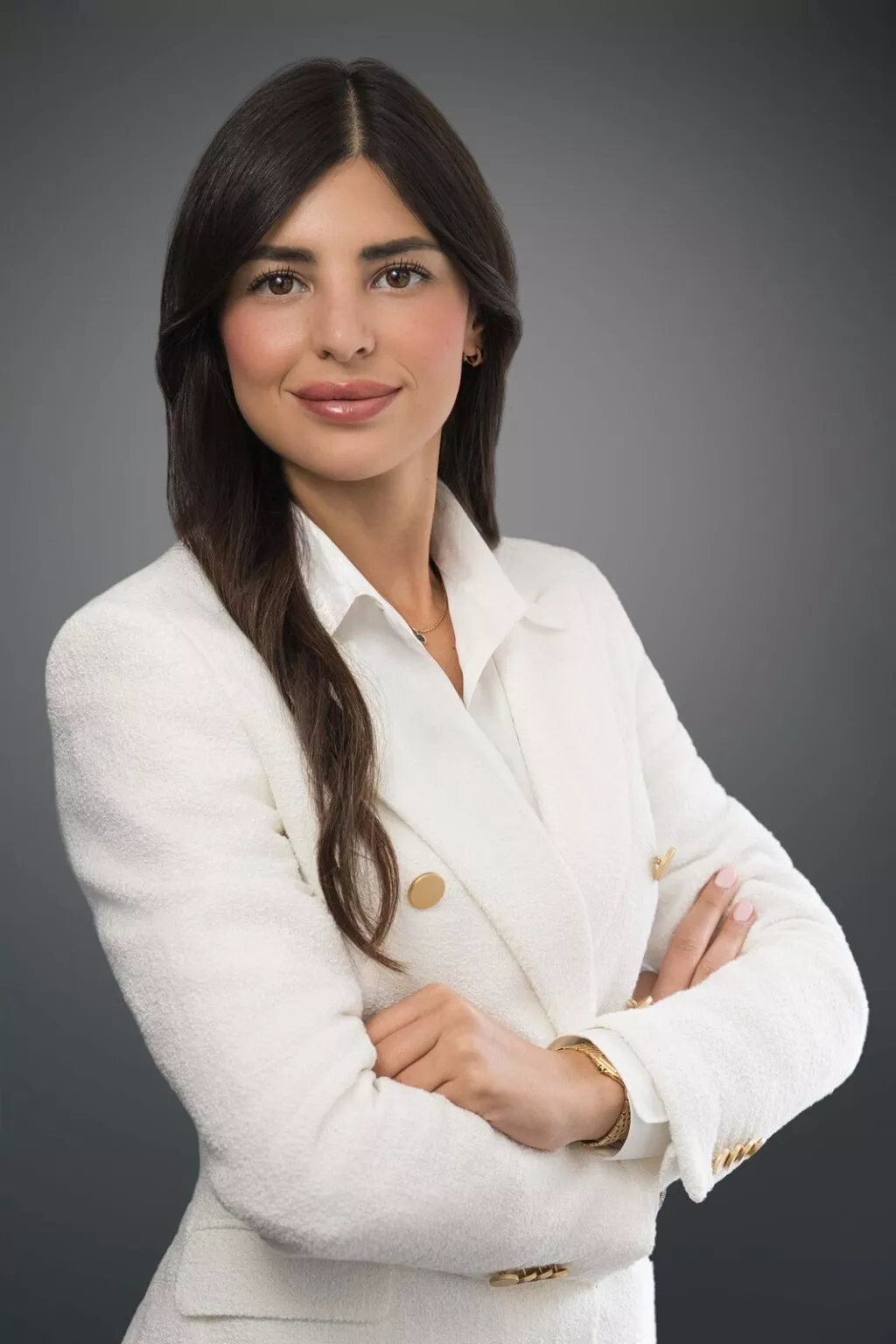

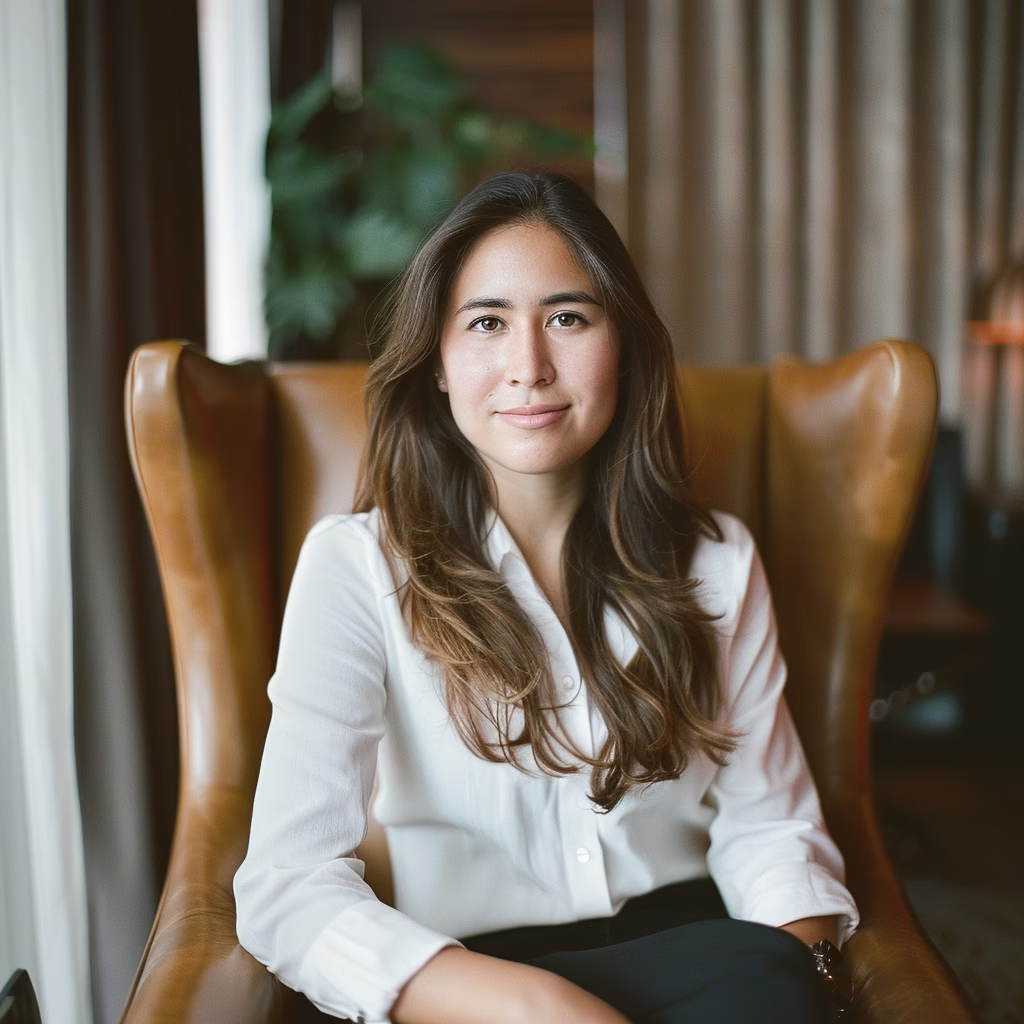
Your daughter insists on wearing her glittery unicorn shirt. Your son refuses to take off his favorite superhero hoodie. And you’re wondering if you should have invested in that fancy outfit you saw at the mall last week.
Take a breath. I’ve been a photographer for over 30 years, and I can tell you this: the best headshots don’t come from the most expensive outfits or the trendiest looks. They come from kids who feel like themselves.
When parents book headshot sessions for their children, clothing is always the first concern. After photographing hundreds of kids—from toddlers to teens—I’ve learned exactly what works, what doesn’t, and more importantly, what actually matters.
Whether you’re bringing a three-year-old or a teenager, the core principles remain the same, though I’ll share age-specific considerations throughout this guide.
Here’s what I’ve seen work beautifully, time and time again.
The Golden Rule: Comfort Wins Every Time
Here’s something I want you to know right up front: in three decades of photographing children, I’ve never had a session fail because of clothing choices. Not once. So if you’re stressing about whether you picked the “right” outfit, you can relax. We’ll make it work.
What I have seen affect sessions? Kids who are uncomfortable, distracted, or unhappy with what they’re wearing.
A child who feels uncomfortable in their clothing will show it. You’ll see fidgeting, tugging at collars, complaints about scratchy fabrics. None of that makes for a relaxed, natural headshot. The goal is clothing that lets your child’s personality come through—not clothing that distracts from it.
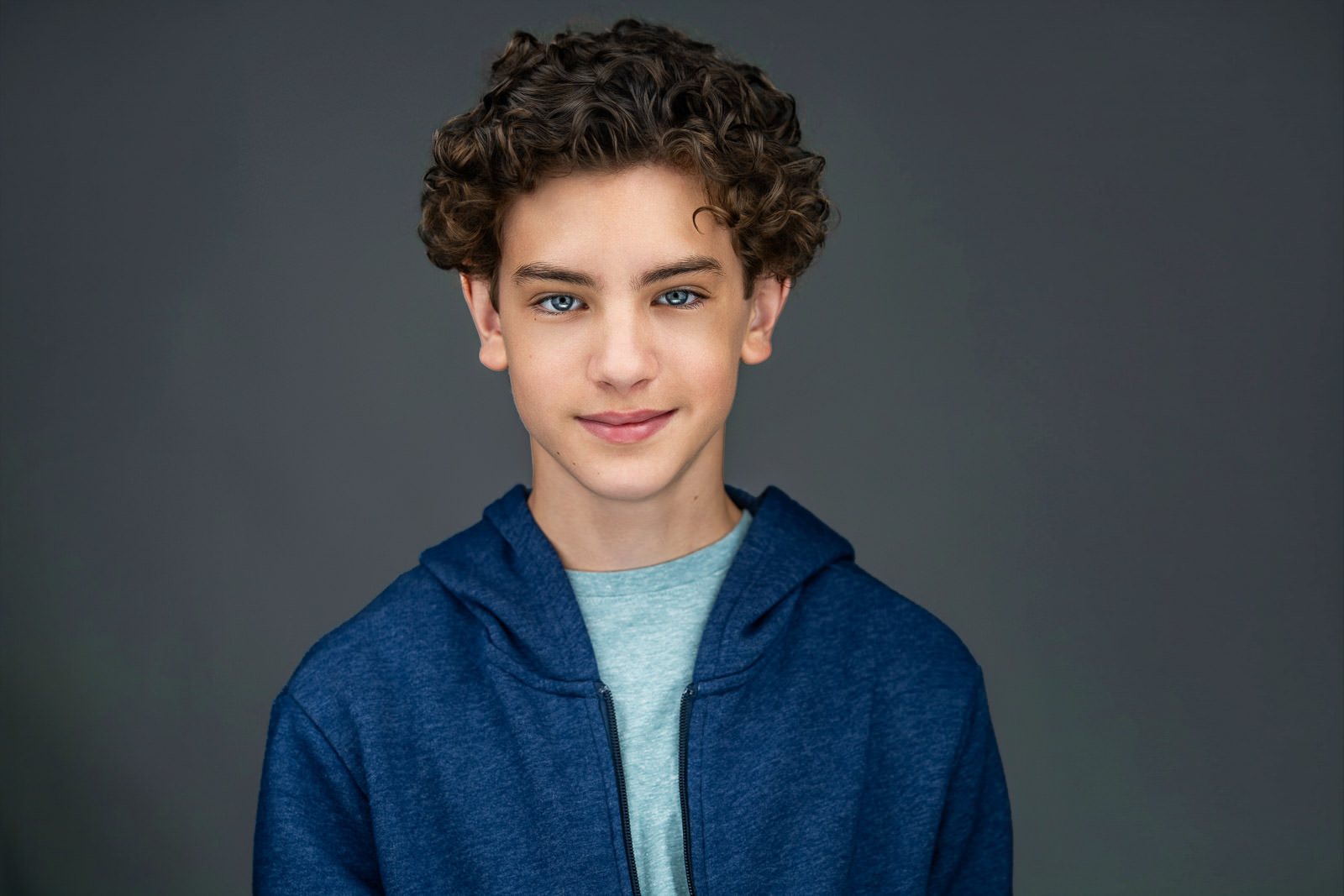
If your daughter hates dresses, don’t make her wear one for pictures. If your son lives in his favorite hoodie, that might actually be the perfect choice (depending on the headshot’s purpose, of course).
For toddlers and preschoolers (ages 2-5): Keep it extra simple. Young children have limited patience, so the easier the outfit, the better. Avoid anything with buttons they’ll want to play with, strings they’ll pull, or tags that might bother them. One-piece outfits or simple shirt-and-pant combinations work best. And always bring a favorite comfort item—it might not be in the photo, but having it nearby can help.
For elementary-age kids (ages 6-10): This age group is often more cooperative but can be self-conscious. If they express strong preferences, listen to them. They’re old enough to know what makes them feel confident.
For tweens and teens (ages 11+): Give them significant input. They know their style and what makes them feel good. Work with them, not against them, to find options that meet both your standards and theirs.

Solid Colors Are Your Best Friend
Busy patterns, large logos, and graphic tees tend to pull attention away from your child’s face. That’s the opposite of what we want in a headshot.
I’ve seen it happen countless times: a parent brings their child in a shirt with a favorite character or sports team logo, and in the photos, your eye keeps going to the graphic instead of the child’s expression. Meanwhile, the kid in the simple navy polo? Their personality shines right through.
Solid colors work beautifully because they’re clean and timeless. They don’t date the photo or compete with your child’s expression.
Colors that photograph especially well:
- Navy, royal blue, or soft blues
- Deep greens or sage
- Burgundy, cranberry, or muted reds
- Gray (from charcoal to light gray)
- Cream, tan, or soft earth tones
- Classic black (though not always necessary)
Colors to be cautious with:
- Bright white can be tricky with lighting and may create harsh contrasts
- Neon or overly bright colors can reflect onto skin tones
- All-black can sometimes feel too heavy for younger children
That said—if your child loves a certain color and it makes them light up? That confidence will show in the photos, and we can make it work.
Necklines That Photograph Well
For headshots, the neckline matters because it frames the face.
What works:
- Crew necks
- V-necks (not too deep)
- Collared shirts (polos, button-downs)
- Simple round necklines
What to avoid:
- Turtlenecks (can make younger children look bunched up)
- Off-the-shoulder or very wide necklines (pulls focus from the face)
- Hoodies with large drawstrings (creates visual clutter around the neck)
Fabric Matters More Than You’d Think
Wrinkly, stiff, or scratchy fabrics show in photos—and they make kids uncomfortable.
Look for fabrics with a little structure but plenty of softness. Cotton, cotton blends, and soft knits work great. Avoid anything overly shiny, sequined, or textured unless that’s specifically part of your child’s personality and the session’s vibe.
A quick steam or iron before the session makes a surprising difference.
Fit Is Everything
Clothing that’s too tight will make your child self-conscious. Clothing that’s too loose can look sloppy or overwhelming.
You want something that fits well without pulling, bunching, or requiring constant adjustment. If you’re debating between two sizes, go with the one that allows your child to move and breathe comfortably.
Glasses? Absolutely Keep Them
If your child wears glasses daily, they should wear them for their headshot. Glasses are part of who they are.
Just make sure they’re clean before the session, and if possible, avoid frames with heavy glare-prone coatings. We can work with lighting to minimize reflections.
When the Headshot Has a Specific Purpose
Sometimes you need the headshot for something specific—school directories, acting submissions, sports profiles, applications.

For school or casual use, comfortable everyday clothing works perfectly. Think about what your child would wear on a normal day when they feel good about themselves.
For acting or modeling submissions, industry standards usually call for simple, solid-colored clothing that doesn’t distract from facial features and expressions. Avoid anything with branding.
For formal applications (private school, awards, etc.), a collared shirt or simple blouse might be appropriate—but it still shouldn’t look stuffy or uncomfortable.
Let Your Child Have Input
One thing I’ve noticed over the years: when kids have a say in what they wear, they show up more confident. They’re not worried about their clothing. They’re just themselves.
Within the guidelines of solid colors and comfortable fits, let them pick between two or three options you’ve pre-selected. That small bit of ownership makes a difference.
Special Considerations for Younger Children
Toddlers and preschoolers can be unpredictable during sessions, and that’s completely normal. Here’s what helps:
Timing matters: Schedule sessions when your child is typically well-rested and fed. A cranky, tired, or hungry toddler won’t cooperate no matter what they’re wearing.
Keep it short: Have realistic expectations. Younger children have shorter attention spans. We’ll work quickly and efficiently to capture great shots before they lose interest.
Bring distractions: A favorite toy, snack, or small reward can work wonders. Sometimes we incorporate these into the session, sometimes they’re just motivators between shots.
Dress them last: If possible, keep younger children in comfortable play clothes until right before the session to avoid spills, wrinkles, or meltdowns over wearing “fancy” clothes too long.
Have a backup plan: Bring a complete second outfit. Toddlers are masters at finding the one puddle, marker, or food source within reach. Be prepared.
What to Bring to the Session
Even with perfect planning, kids are kids. Bring a backup outfit just in case.
Also helpful:
- A lint roller (works wonders on pet hair and dust)
- A small comb or brush for last-minute touch-ups
- Any accessories your child feels confident wearing (simple jewelry, a favorite watch, etc.)
A Quick Note to Worried Parents
I know you want everything to be perfect. That’s natural. But here’s what I’ve learned over the years: the “perfect” headshot isn’t about the perfect outfit, the perfect hair, or even the perfect smile.
It’s about capturing a moment when your child is genuinely present—when they’re comfortable enough to forget about the camera and just be themselves. And you know what creates that moment? Not stressing them out about their appearance.
So yes, follow this guide. Pick solid colors, make sure things fit well, avoid the superhero shirt with the giant logo. But also know that I’ve created beautiful, authentic headshots of kids in everything from button-downs to their favorite t-shirt, and the difference-maker is never the clothing—it’s always the child’s comfort and confidence.
You’re doing great. Your kid will do great. We’ll capture something wonderful together.
The Clothes Don’t Make the Photo—Your Child Does
After photographing hundreds of children over the years, I can show you images of kids in perfectly pressed button-downs and kids in well-loved t-shirts. Want to know which ones parents treasure more? It’s never about the outfit. It’s always about whether I captured their child—the real version, the one they see at home when their kid is telling a story or laughing at something silly.
That happens when they feel comfortable, confident, and like themselves. When they forget about what they’re wearing and just focus on being present.
So yes, choose solid colors and well-fitting clothes. But more importantly, choose something your child will feel good wearing. Something that won’t make them tug, adjust, or think about their appearance instead of just being who they are.
That’s when the best headshots happen. And that’s what I’m here to capture.
Quick Visual Checklist
YES:
- Solid colors (navy, burgundy, gray, sage, earth tones)
- Well-fitted, comfortable clothing
- Clean, pressed fabrics
- Simple necklines that frame the face
- Your child’s natural confidence showing through
AVOID:
- Busy patterns, logos, or graphics
- Neon or overly bright colors
- Wrinkled, stained, or ill-fitting clothing
- Distracting accessories
- Anything that makes your child uncomfortable
Working Together: What to Expect
I’ve been a photographer for over 30 years, serving families across Northern New Jersey, NYC metro area, Long Island, and the Hudson Valley. My approach is simple: I create a relaxed environment where kids can be themselves, and I capture the genuine moments that happen when they forget the camera exists.
Whether you need headshots for school directories, acting submissions, sports profiles, or family keepsakes, I’ll work efficiently and patiently to get the shots you need. Most children’s headshot sessions take 15-30 minutes—just enough time to capture beautiful images without testing anyone’s patience.
What’s included:
- Professional headshot session at my studio or your preferred location
- Multiple outfit changes if desired
- Patient, kid-friendly approach that puts children at ease
- High-resolution digital images delivered within one week
- Professional editing and retouching
Before your session, I’m always happy to discuss clothing choices, answer questions about what to expect, or address any concerns you might have. No question is too small—I want you and your child to feel completely prepared and confident walking in.
Ready to book? Contact me at 917-992-9097 or visit AlexKaplanPhoto.com to check availability and schedule your child’s headshot session. Let’s create images that capture exactly who your child is—naturally, authentically, and beautifully.
Reply...


